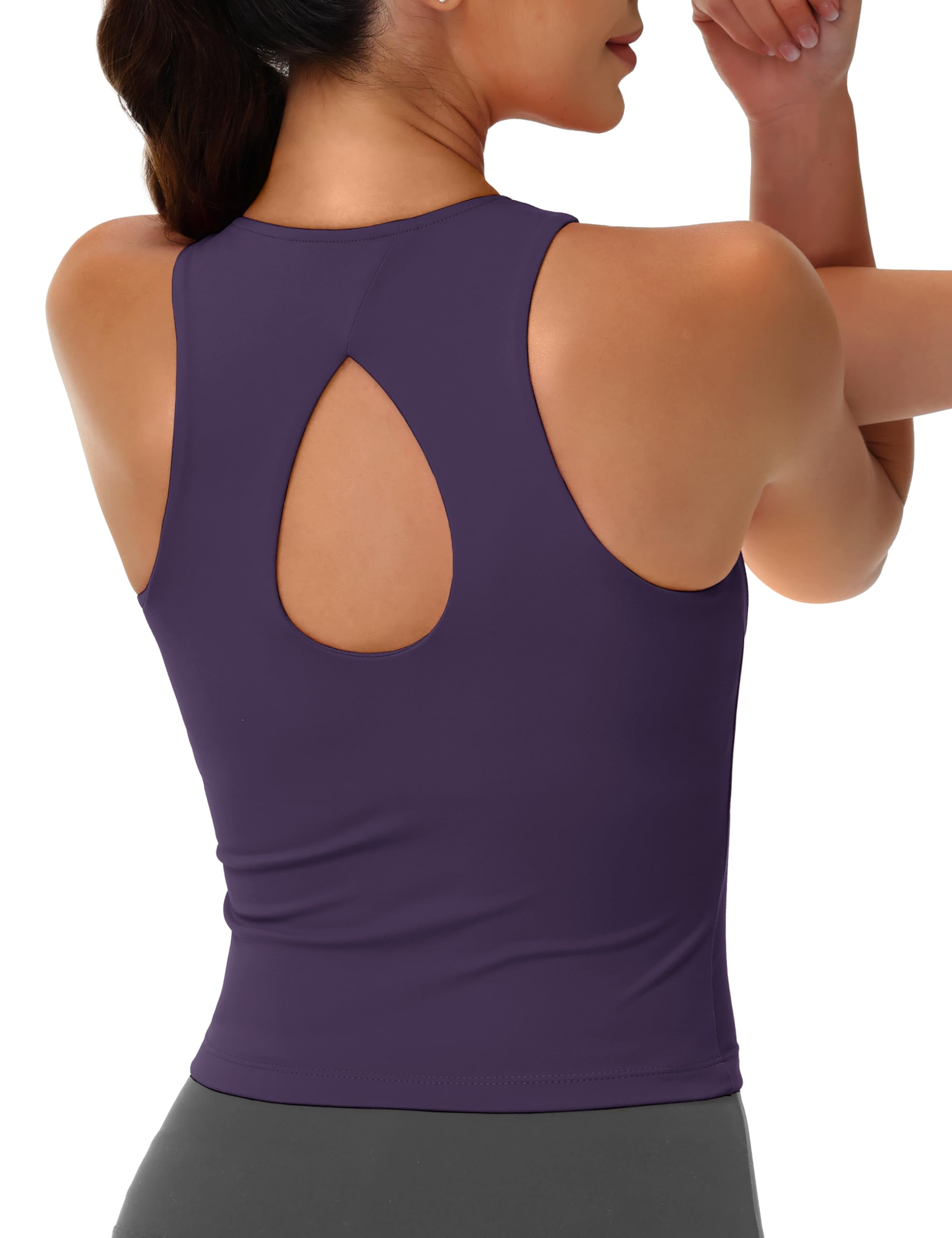
Active tops with built-in bras serve as a hybrid garment designed to streamline athletic wear by combining a supportive shelf bra or molded cup structure directly into the torso of the shirt. By integrating these two components, manufacturers aim to reduce friction, minimize the need for multiple layers, and provide a secure, singular solution for activities ranging from low-impact yoga to high-intensity interval training. Choosing the right piece requires balancing personal anatomical needs with the technical construction of the garment's support system.
The Technical Construction of Built-in Support
Active tops with built-in bras are categorized primarily by the method used to provide support. Understanding these structural differences is essential for matching the garment to the intended intensity of your exercise.
The Shelf Bra Construction
The most common iteration is the shelf bra, which consists of a band of elastic fabric positioned under the bust line, often accompanied by an internal lining. In high-quality athletic wear, this elastic band is engineered to sit flush against the ribcage. The effectiveness of a shelf bra is largely dependent on the tensile strength of the elastic and the compression factor of the fabric used in the lining. This style is generally suitable for low-to-moderate impact activities, such as Pilates, barre, or weightlifting, where the gravitational displacement of tissue is less extreme.
Molded Cups and Encapsulation
More advanced athletic tops feature molded, sometimes removable, foam cups. These cups are designed to provide shape and modesty while offering a degree of encapsulation. Encapsulation refers to the method of surrounding each breast individually within a cup structure, which typically provides superior motion control compared to compression-only garments. If you are participating in activities that involve running, jumping, or rapid lateral movements, tops featuring encapsulated or structured cups are objectively more effective at limiting breast oscillation, which is critical for long-term comfort and tissue health.
Determining Your Support Requirements
Not all active tops are created equal, and the "built-in" label does not signify a universal level of performance. To avoid discomfort, you must evaluate your requirements based on two primary factors: activity intensity and bust volume.
Matching Support to Intensity
- Low Impact (Yoga, Walking, Stretching): You may prioritize fabric breathability and range of motion over maximum structural integrity. A standard lightweight shelf bra is often sufficient.
- Moderate Impact (Elliptical, Strength Training, Cycling): Look for tops with a wider elastic under-band and high-compression moisture-wicking fabrics that provide both stability and security.
- High Impact (Running, HIIT, Plyometrics): Focus on construction that includes a dedicated internal frame, adjustable straps, or high-modulus compression panels. If a top feels loose during dynamic movement, it is insufficient for high-intensity training.
Anatomy and Sizing
Anatomical variation is the most significant factor in why a built-in bra might succeed for one user and fail for another. Standard sizing (S, M, L, XL) often struggles to account for the variation between band size and cup size. If you fall outside of the "average" ratio, you may find that the internal band fits perfectly while the bust area is too tight, or conversely, the bust fits while the under-band offers no support. When shopping, prioritize brands that offer numerical sizing (e.g., 34D) rather than generic sizing, or look for tops with adjustable back straps, which allow for a more personalized fit.
Fabric Technology and Performance
The "active" component of these tops relies heavily on textile engineering. Since the garment functions as both a base layer and a primary support system, the fabric must manage moisture, heat, and structural degradation simultaneously.
Moisture Management
Effective activewear uses synthetic fibers like polyester, nylon, and elastane blends. These materials are hydrophobic, meaning they do not absorb sweat but rather wick it away from the skin to the outer surface of the garment for evaporation. In a built-in bra top, the lining fabric is particularly important; it should be soft against the skin to prevent chafing during repetitive motions, yet durable enough to maintain its elasticity after repeated wash cycles and exposure to salt from sweat.
The Role of Elastane (Spandex/Lycra)
Elastane content is the primary driver of fit and support. Generally, a higher percentage of elastane (usually between 15% and 25%) in the support structure provides greater compression. However, increased elastane can reduce the breathability of the fabric. The ideal balance is a top that uses high-elastane panels for the internal bra and more breathable, lower-elastane weaves for the torso area of the shirt.
Comparison of Support Structures
| Feature | Shelf Bra | Molded Cup | Encapsulated Frame |
|---|---|---|---|
| Primary Use | Low Impact | Moderate Impact | High Impact |
| Mechanism | Compression | Shape & Modesty | Individual Support |
| Adjustability | Minimal | Low (usually straps) | High (bands/straps) |
| Best For | Yoga, Pilates | Weightlifting | Running, HIIT |
Maintenance and Longevity
The internal support structure of an active top is the first part of the garment to fail. Once the elastic in the under-band loses its tension, the top will no longer provide the necessary support, regardless of how well the outer fabric has held up.
Laundry Best Practices
To maximize the lifespan of your active tops, follow these protocols:
- Remove Removable Cups: If your top features removable foam inserts, take them out before washing. The agitation of the machine can cause these inserts to warp or fold, leading to a permanent lumpy appearance.
- Use a Mesh Bag: Place the top inside a mesh laundry bag. This prevents the fabric from getting stretched or snagged on other garments, such as zippers or hooks.
- Avoid Fabric Softener: Fabric softeners leave a residue on synthetic fibers that clogs the moisture-wicking pores of the material and breaks down the elasticity of the spandex over time.
- Air Dry: High heat from a tumble dryer is the primary enemy of spandex. Lay your tops flat to dry or hang them away from direct sunlight to preserve the integrity of the elastic fibers.
Common Pitfalls and Troubleshooting
The "Uni-boob" Effect
This occurs when a garment uses excessive compression without sufficient separation. It is common in inexpensive shelf-bra tanks. While this provides stability, it can be uncomfortable for extended periods and may cause heat accumulation. If you experience this, search for tops that use center-front seams or darted construction, which encourage the fabric to sit between the breasts rather than flattening them together.
Shoulder Strap Slippage
If your straps constantly fall, it is often a sign that the torso of the shirt is too long for your frame, or the elastic in the built-in bra has reached the end of its life. Check for adjustable straps, which are a simple but effective fix for ensuring that the tension is correctly distributed across the shoulders.
Dealing with "Show-through"
If your top uses thin fabric, the molded cups may show through as distinct circles. High-quality tops will use a dual-layer front panel or thicker, opaque fabric to disguise the internal structure. If you find your current tops problematic, look for designs with an internal liner that spans the entire front of the shirt rather than just the bust area.
Frequently Asked Questions
Can I replace a dedicated sports bra with a built-in bra top?
For low to moderate impact, yes. However, if your training involves high-intensity movement, the dedicated construction of a high-support sports bra is usually superior. Sports bras are designed specifically for support, whereas built-in bra tops are a compromise between style and functionality.
Should I size up or down for a better fit?
Generally, you should follow the manufacturer's size chart based on your under-bust measurement. Because the garment relies on compression, sizing up often results in a loss of support, while sizing down may lead to discomfort and digging of the elastic band into the ribcage.
Are removable pads worth keeping?
Removable pads are primarily for modesty and shaping. If you prefer a streamlined look, they are beneficial. However, if they shift during your workout, you may choose to remove them or sew them into the internal pocket to keep them centered.
How do I know when the top is worn out?
Check for two signs: the fabric loses its ability to "snap back" when stretched, and the under-band feels slack or slides upward during movement. Once the elastic loses its tension, the garment is no longer providing adequate support.
Is a built-in bra top better for travel?
Yes, they are highly efficient for travel because they reduce the number of individual items you need to pack. By consolidating your base layer and support system, you save space and reduce the complexity of your athletic gear rotation.
Next Steps for Your Fitness Wardrobe
Evaluate your current exercise routine to determine if you are currently using the correct level of support. If you find yourself double-layering—wearing a sports bra underneath a built-in bra tank—you are likely using a top that is not designed for the intensity of your movement. Consider investing in a high-quality top with a structured, encapsulated internal frame for your next purchase. Always prioritize garments that offer specific sizing rather than generic S/M/L, as this is the most reliable predictor of long-term comfort and support.