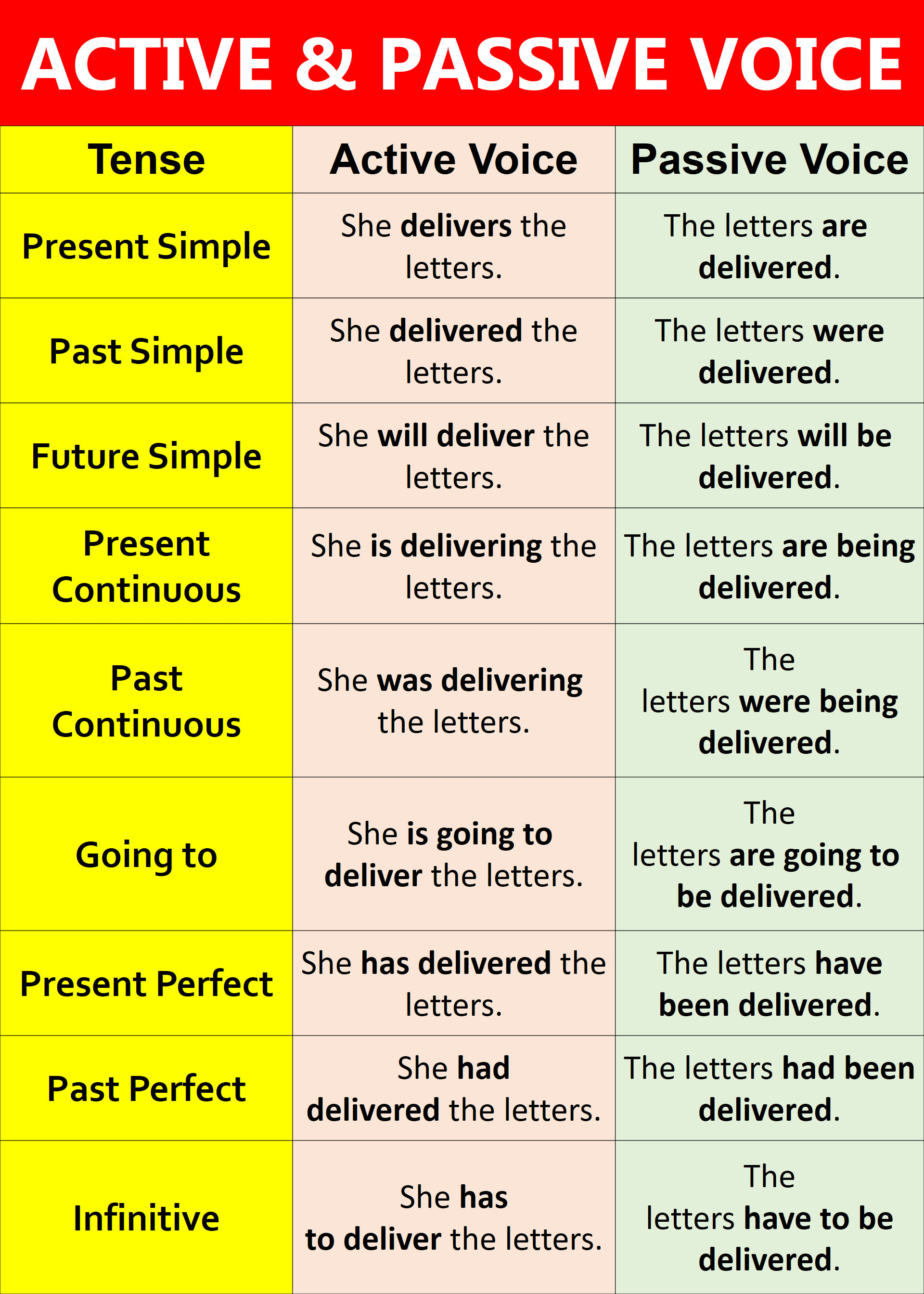
An active sentence is a grammatical construction where the subject performs the action expressed by the verb. By placing the "doer" at the beginning of the sentence, writers create clarity, directness, and conciseness. This structure stands in contrast to the passive voice, where the subject receives the action, often leading to wordier and less impactful prose.
The Mechanics of Active Sentence Structure
To identify an active sentence example, one must first understand the fundamental relationship between the three core components of a standard English sentence: the subject, the verb, and the object.
In an active sentence, the sentence follows a predictable flow: Subject (Doer) + Verb (Action) + Object (Receiver).
Consider this straightforward example:
- The architect designed the blueprints.
In this sentence, "The architect" is the subject acting upon "the blueprints," which serves as the direct object. The action moves forward through the sentence, establishing a clear logical link between the person doing the work and the work being performed. This structure mimics the way humans naturally process information, as it identifies the cause before describing the effect.
Contrast with Passive Voice
Passive voice, by comparison, shifts the focus away from the doer, often by making the receiver of the action the subject of the sentence. Using the same example:
- The blueprints were designed by the architect.
While grammatically correct, this version introduces a "to be" auxiliary verb ("were") and a prepositional phrase ("by the architect"). The directness is diminished because the reader must wait until the end of the sentence to understand who performed the design. Active sentences avoid this "back-loading" of information, making them the preferred choice for professional, technical, and persuasive communication.
Why Active Voice Matters in Professional Writing
The preference for active voice is not merely a stylistic suggestion; it is a functional requirement for clarity and efficiency. In professional environments, where time and comprehension are at a premium, active sentences minimize cognitive load for the reader.
Clarity and Accountability
Active sentences explicitly state who is responsible for an action. In technical documentation, legal agreements, or project management updates, identifying the actor is essential for accountability. If a document states, "The database was updated," the reader is left wondering who performed the update. If the document states, "The administrator updated the database," there is no ambiguity.
Conciseness and Word Economy
Active voice is almost always more concise than passive voice. Because passive constructions require auxiliary verbs and prepositional phrases, they typically use more words to convey the same amount of information. In the context of technical writing or high-stakes business communication, reducing word count without sacrificing meaning improves the readability index of your content.
Impact and Vigor
Active verbs provide a sense of momentum. When a sentence uses a strong, transitive verb, the reader visualizes the action more effectively. Passive verbs often rely on "to be" forms (is, are, was, were), which can make prose feel static or clinical. Active sentences generate energy, which is particularly beneficial in marketing, journalism, and persuasive writing.
Comparative Analysis: Active vs. Passive Examples
Understanding the difference requires seeing these structures side-by-side across various contexts. The following table illustrates how to convert passive, wordy constructions into clear, active sentences.
| Context | Passive Construction | Active Construction |
|---|---|---|
| Technical Manual | The button should be pressed by the user. | The user should press the button. |
| Business Report | An increase in revenue was reported by the team. | The team reported an increase in revenue. |
| Academic Writing | The results were analyzed by the researchers. | The researchers analyzed the results. |
| Project Update | A deadline extension was requested by the client. | The client requested a deadline extension. |
| Legal/Compliance | All safety protocols must be followed by staff. | Staff must follow all safety protocols. |
When to Use Passive Voice (The Exceptions)
While the active voice is generally superior for clarity, it is not an absolute rule. There are specific instances where the passive voice serves a legitimate purpose in professional and technical writing.
- Emphasis on the Object: If the focus of the sentence should be on the object rather than the actor, the passive voice is appropriate. For instance, in a medical report, "The patient was administered the medication" might be more relevant than focusing on the nurse who provided it.
- The Actor is Unknown or Irrelevant: If the identity of the person performing the action is not important, the passive voice allows the writer to omit the subject entirely. For example, "The files were deleted" is sufficient when the culprit is unknown.
- Maintaining Tone: In some formal reports, maintaining a detached, objective tone is prioritized over directness. Using passive constructions can soften the impact of an instruction or a negative finding, though this should be used sparingly to avoid confusion.
Common Pitfalls and Troubleshooting
Even experienced writers sometimes struggle to identify when they have slipped into the passive voice. Recognizing the "hidden" passive is the first step toward correcting it.
The "By Zombies" Test
A common, effective trick for identifying passive voice is the "by zombies" test. If you can add the phrase "by zombies" after the verb and the sentence still makes sense, you are likely using the passive voice.
- The project was completed (by zombies).
- If this works, it is passive. You should then look for the actor and move them to the front: The team completed the project.
Avoiding Excessive "To Be" Verbs
Passive voice relies heavily on forms of "to be" (am, is, are, was, were, be, being, been). If your paragraph contains a high density of these words, scan your sentences to see if you can replace them with stronger, action-oriented verbs. Instead of saying "The results were indicative of a trend," say "The results indicated a trend."
Over-Correcting
A common mistake is believing that every sentence must be active to be good. This is a fallacy. An entire document written strictly in the active voice can feel repetitive or choppy. Use the active voice as your primary tool, but allow for occasional passive structures if they improve the flow or better serve the intended emphasis of the paragraph.
Incorporating Active Voice in Technical Documentation
In 2026, the demand for clear, machine-readable, and human-readable documentation remains high. Whether you are writing a software manual, a corporate policy, or a technical guide, the structure of your sentences directly influences the usability of your content.
When documenting complex procedures:
- Start with the subject: Ensure the reader knows who is performing the step.
- Use imperative verbs: For procedural lists, start each bullet point with a strong, active verb (e.g., "Click," "Download," "Configure").
- Keep it short: Aim for one action per sentence. Avoid compound-complex sentences that bury the subject in a long string of clauses.
Frequently Asked Questions
What is the most common sign of a passive sentence?
The most common sign is the use of the verb "to be" combined with a past participle. Look for words like "is," "was," or "been" followed by an action verb ending in "-ed" or an irregular past participle. If the subject of the sentence is not the one performing the action, it is passive.
Does using the active voice make my writing too informal?
Not necessarily. The active voice is actually the standard in formal, professional, and academic writing because it is precise. The perception of "informality" usually comes from the choice of vocabulary, not the sentence structure. You can maintain a formal tone while using active verbs.
Are there times when I must use the passive voice?
Yes. You should use the passive voice when you need to highlight the receiver of the action, when you want to avoid pointing fingers, or when the actor is irrelevant to the context. It is a stylistic tool that should be used intentionally rather than by default.
Can active voice improve my SEO performance?
Yes, indirectly. Active, clear, and concise content is easier for users to digest, which increases time-on-page metrics and decreases bounce rates. Search engines prioritize content that effectively answers user queries; by using clear active voice, you improve the readability and accessibility of your information, which aligns with modern content quality standards.
How do I fix a passive sentence quickly?
Identify the "doer" of the action. Once you have identified who is doing the work, make that person, object, or organization the subject of your sentence. Move the verb immediately after the subject and place the object at the end.
Next Steps for Improving Your Writing
To master the active sentence, begin by auditing a single page of your recent writing. Highlight every instance of the passive voice. Evaluate whether the passive construction is truly necessary or if the active version is clearer. By practicing this shift, you will naturally begin to default to the active voice, leading to more professional and impactful communication.