Accidental life insurance companies specialize in issuing policy contracts—commonly known as Accidental Death and Dismemberment (AD&D) insurance—that pay out cash benefits if an insured individual dies or suffers severe qualifying injuries due to a covered accident. Unlike traditional life insurance, these policies specifically exclude natural causes, illnesses, and pre-existing medical conditions, offering low-cost, guaranteed-issue coverage without medical underwriting.
What Is Accidental Life Insurance?
Accidental life insurance, formally referred to as Accidental Death and Dismemberment (AD&D) insurance, is a policy designed to provide targeted financial protection when an insured person loses their life or sustains specific, severe bodily injuries resulting directly from an external, unforeseen accident.
Unlike standard term or permanent life insurance policies—which cover death from almost any cause, including heart disease, cancer, stroke, and old age—accidental life insurance operates under a strictly defined set of medical and environmental criteria. If an individual passes away due to a biological illness, natural degradation of health, or surgical complication stemming from an underlying disease, an accidental life insurance policy will not pay a death benefit.
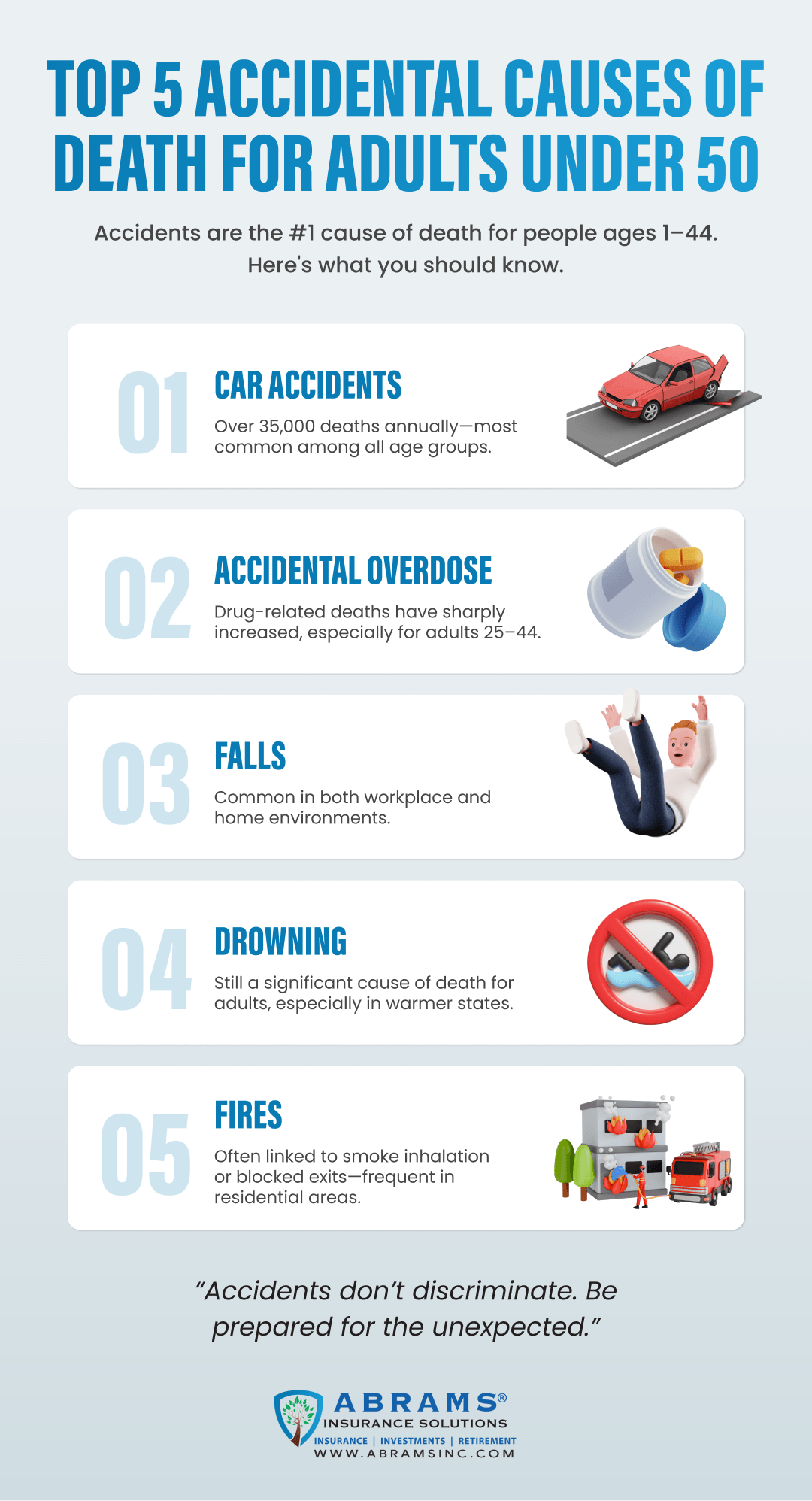
Because the insurer’s exposure to risk is confined strictly to sudden, unexpected physical events (such as motor vehicle collisions, accidental falls, equipment accidents, or drowning), accidental life insurance policies are substantially less expensive to underwrite. As a result, insurance companies typically sell these products on a guaranteed acceptance basis. Applicants are not required to complete a physical exam, submit blood or urine samples, or allow access to their historical medical records.
Accidental coverage is distributed in two primary ways:
- Standalone Policies: Purchased directly by consumers from insurance carriers or direct-response brokers to serve as supplemental coverage or basic safety nets.
- Riders (Policy Add-ons): Attached to existing whole or term life insurance contracts. When added as a rider, an accidental death benefit often provides "double indemnity," doubling the total payout if the insured's cause of death meets the insurer's definition of an accident.
Accidental Life Insurance vs. Traditional Life Insurance
Understanding the practical and legal boundaries between accidental death insurance and traditional life insurance is essential before selecting a policy. Many consumers mistakenly assume that accidental life insurance provides comprehensive end-of-life coverage, only to discover that claims arising from chronic illness or medical emergencies are denied.
| Feature | Accidental Life Insurance (AD&D) | Traditional Life Insurance (Term/Whole) |
|---|---|---|
| Primary Risk Covered | Death or dismemberment caused exclusively by qualifying external accidents. | Death caused by illness, natural causes, medical conditions, or accidents. |
| Medical Underwriting | None. Guaranteed issuance regardless of personal health history. | Varies from simplified issue to full medical underwriting and health history checks. |
| Dismemberment Benefits | Yes. Pays partial or full benefits for loss of limbs, speech, hearing, or sight. | No. Only covers biological death (unless specific riders are added). |
| Premium Costs | Exceptionally low; premiums remain fixed regardless of age-related health decline. | Moderate to high; costs depend heavily on age, health, smoking status, and family history. |
| Coverage Duration | Usually renewable annually or tied to group employment; terminates at set age limits. | Fixed term (10–30 years) or lifetime coverage (Whole/Universal Life). |
| Primary Exclusions | Illness, disease, heart attacks, stroke, high-risk activities, self-harm, intoxication. | Suicide within the first two policy years (standard contestability period). |
For most households, accidental life insurance should serve as a supplementary layer of financial security rather than a substitute for standard life insurance. It is particularly valuable for individuals who work in physically demanding occupations, commute extensively, or cannot qualify for traditional coverage due to high-risk medical conditions.
Prominent Accidental Life Insurance Companies
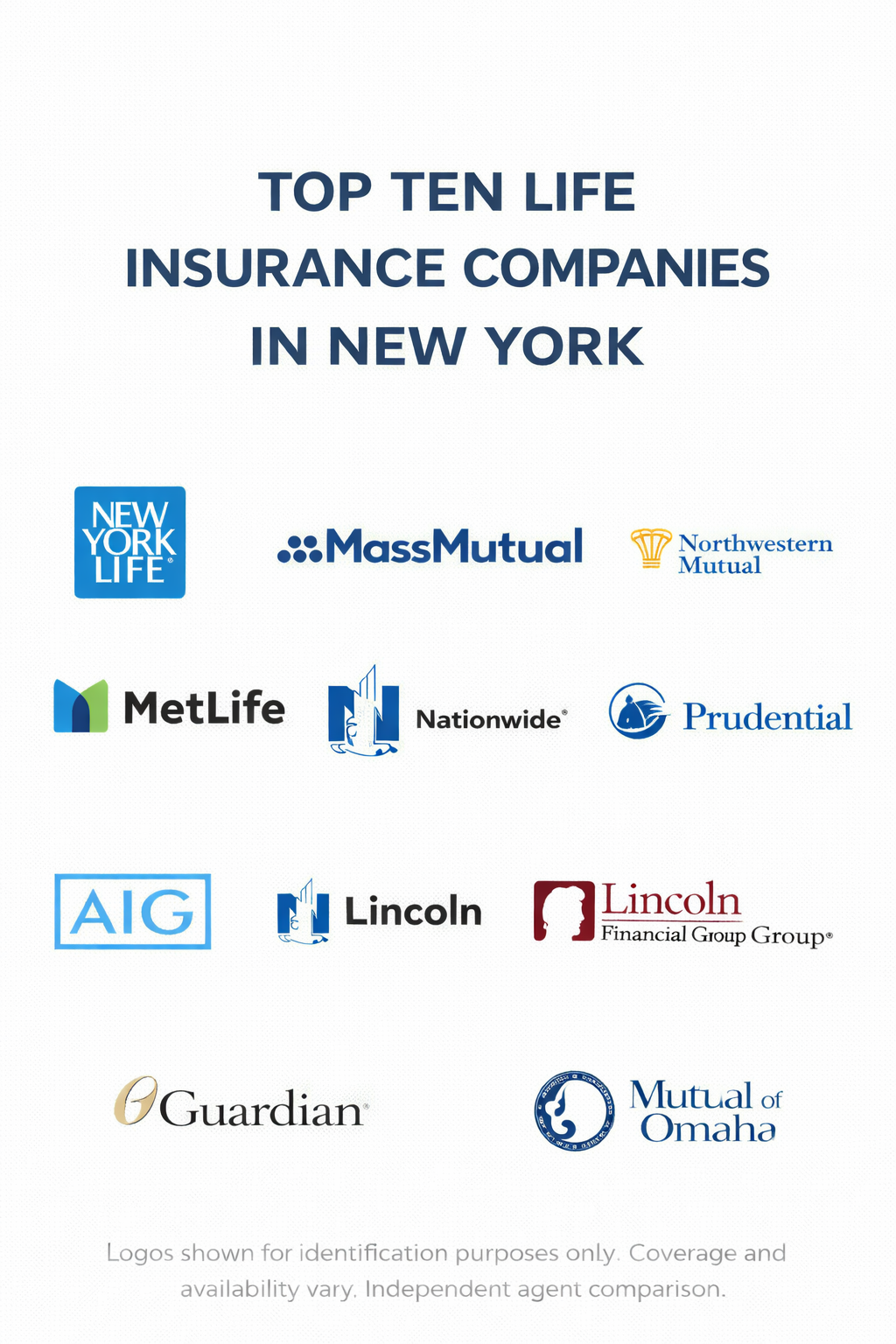
When selecting an accidental life insurance provider, consumers should evaluate financial strength ratings from agencies such as A.M. Best, policy stability, payout flexibility, and claim-settlement reputations. The following insurers represent major established providers in the individual and voluntary group AD&D markets.
Mutual of Omaha
Mutual of Omaha is a widely recognized insurer offering standalone individual AD&D coverage alongside traditional life insurance products. Their policies typically feature guaranteed acceptance for individuals between the ages of 18 and 70, requiring no health questions or medical exams.
- Key Characteristics: Benefit amounts generally range from $50,000 to $300,000, with options to include spousal and child coverage on a single policy.
- Special Features: Mutual of Omaha frequently includes auto-pedestrian benefit boosters and specialized payouts for fatal accidents occurring while traveling as a paying passenger on common carriers (e.g., commercial flights, trains, or buses).
Globe Life
Globe Life specializes in direct-to-consumer insurance products tailored for middle-income households and seniors. Their accidental death policies emphasize low entry pricing and simplified enrollment procedures.
- Key Characteristics: Globe Life policies often feature introductory rates for the first month, transitioning to standard monthly premiums based on the benefit tier selected.
- Special Features: Policies remain active up to advanced age thresholds (often age 80 or higher depending on the specific state filing), providing a straightforward application process for individuals seeking basic accidental death protection without medical disclosure.
Prudential Financial
Prudential offers accidental death and dismemberment coverage primarily through employer-sponsored voluntary benefit plans, as well as institutional partnerships.
- Key Characteristics: Prudential’s group AD&D structures are highly customizable, allowing employees to select multiples of their annual salary in coverage (e.g., 1x to 5x basic salary).
- Special Features: Group policies from Prudential often incorporate specialized benefit add-ons, such as tuition reimbursement for surviving dependents, rehabilitation benefits following severe injury, and seatbelt failure payout enhancements.
Securian Financial
Securian Financial operates extensively in the group benefit market and works closely with financial institutions, credit unions, and employer groups to provide voluntary AD&D coverage.
- Key Characteristics: Securian is notable for managing group credit union programs where members receive a base amount of insurance at no cost, with the option to purchase additional coverage directly.
- Special Features: Their policies typically feature detailed schedules for dismemberment payouts, offering structured financial relief based on the precise degree of physical impairment (such as loss of one limb versus total loss of sight).
Aflac
Aflac is a leader in supplemental voluntary insurance, offering accidental injury and death policies designed to cover out-of-pocket costs, income disruption, and immediate end-of-life expenses.
- Key Characteristics: Aflac’s supplemental accident policies pay direct cash benefits directly to the policyholder or beneficiary, rather than to healthcare providers, allowing funds to be used for general living expenses.
- Special Features: Beyond fatal accident protection, Aflac’s coverage focuses heavily on living benefits—paying fixed cash schedules for emergency room visits, physical therapy, hospital admissions, and specific bodily injuries caused by covered accidents.
What Accidental Life Insurance Covers (and What It Excludes)
The primary reason for denied claims in accidental life insurance policies is a mismatch between what policyholders believe is an accident and how the insurance policy defines an accident under contract law.
Covered Events
Accidental life insurance pays out if the primary, direct cause of death or injury is an external force independent of disease or bodily infirmity. Typical covered events include:
- Motor Vehicle Crashes: Multi-car collisions, single-vehicle accidents, pedestrian struck-by incidents, and public transportation crashes.
- Accidental Falls: Unintentional falls from heights, slips on ice, or home structural collapse.
- Environmental & Occupational Hazards: Unintentional drowning, fires, explosions, chemical exposure, or machinery accidents.
- Dismemberment and Loss of Function: Partial payouts for the loss of a hand, foot, finger, permanent paralysis, or complete loss of vision or hearing resulting directly from a traumatic injury.
Common Exclusions and Limitations
Insurance statutes allow accidental life companies to deny payouts when internal physical vulnerabilities or intentional acts contribute to the event. Common policy exclusions include:
- Natural Causes and Disease: Heart attacks, strokes, aneurysms, cancer, or infections—even if the event occurs while driving or operating equipment, causing a subsequent crash.
- Medical Malpractice & Surgical Complications: Death resulting from surgical errors, anesthesia reactions, or medical diagnostics.
- High-Risk Activities: Death occurring while engaged in hazardous pastimes, such as skydiving, hang gliding, motor racing, or severe mountaineering (unless specific policy endorsements are purchased).
- Intoxication and Controlled Substances: Accidents that occur while the insured is operating a vehicle under the influence of alcohol above legal limits or using non-prescribed narcotics.
- Acts of War, Terrorism, or Illegal Acts: Fatalities arising from active participation in illegal activities, riots, or combat operations.
How to Evaluate and Select an AD&D Provider
When selecting an accidental life insurance company, policyholders should review several key criteria to ensure the coverage matches their financial situation and risk profile:
- Evaluate Financial Stability: Review rating agencies such as A.M. Best or S&P Global Ratings to confirm that the insurance company holds an "A-" (Excellent) rating or higher. A strong financial rating indicates the company's long-term ability to pay out claims.
- Review Policy Exclusions Carefully: Examine the policy contract's "Definitions" and "Exclusions" sections. Pay close attention to how the policy defines an "external, violent, and accidental means" of death.
- Check Age Reductions: Many AD&D policies automatically reduce their principal benefit amount by 35% to 50% once the insured reaches a specific age (typically age 65 or 70), while keeping monthly premiums unchanged.
- Compare Living Benefits Schedules: If purchasing a plan with dismemberment coverage, review the payout table. Confirm what percentage of the full policy face amount is paid out for single-limb loss versus double-limb loss or paralysis.
- Confirm Portability: For policies purchased through employer group plans, verify whether the policy can be converted to an individual policy if you change jobs or retire.
How to File an Accidental Death Claim
Filing a claim with an accidental life insurance company involves more administrative verification than filing a traditional life insurance claim. Because the carrier must verify that death resulted strictly from accidental means, beneficiaries must submit specific legal documentation.
- Step 1: Obtain Documentation
- Obtain certified death certificates, police reports, and autopsy.
- Step 2: Submit Notice of Claim
- Notify the insurer and submit completed proof-of-loss forms.
- Step 3: Claims Investigation
- Insurer reviews toxicology, medical examiner notes, and records.
- Step 4: Claim Resolution
- Benefit paid as tax-free cash lump sum, or claim is formally denied.
Required Documentation
When initiating a claim, beneficiaries will typically need to provide:
- Certified Death Certificate: Must state the official cause and manner of death (e.g., "Accident" rather than "Natural").
- Medical Examiner / Autopsy Report: Required by insurers to rule out pre-existing medical conditions, sudden heart failure, or internal disease prior to the accident.
- Police and First Responder Reports: Essential for motor vehicle collisions or workplace fatalities to document environmental conditions and toxicology assessments.
- Claimant Statement Form: Completed by the named beneficiary specifying the preferred method of benefit disbursement (e.g., lump-sum direct deposit or structured settlement).
Frequently Asked Questions
Can accidental life insurance replace a standard life insurance policy?
No. Accidental life insurance only covers fatal injuries caused by sudden external accidents. It does not cover death caused by heart disease, cancer, stroke, old age, or natural causes, which account for the vast majority of deaths nationwide. It is best used as supplementary coverage alongside a term or permanent life insurance policy.
Are accidental life insurance claim payouts taxable?
According to internal revenue guidelines in most jurisdictions, death benefits received by beneficiaries from an accidental life insurance policy are generally received as a tax-free lump sum. However, any interest accrued on the death benefit between the date of death and the payout date may be subject to ordinary income tax.
Will an accidental life policy pay if a medical emergency causes a car crash?
Generally, no. If a driver suffers a sudden fatal heart attack or stroke while driving, causing the vehicle to crash, the primary cause of death is classified by medical examiners as natural (cardiovascular failure) rather than accidental. Consequently, the insurance company will likely deny the AD&D claim.
Do accidental life insurance policies require a medical exam?
No. Accidental life insurance policies are issued on a guaranteed-acceptance basis. Applicants do not need to take blood tests, complete medical exams, or disclose detailed health histories, making these policies easy to obtain regardless of underlying health conditions.
What happens to coverage when the policyholder reaches age 70?
Many individual and group accidental death policies feature age-reduction clauses. When an insured reaches a threshold age—often 65 or 70—the maximum payout amount automatically decreases (for example, reducing to 50% of the original face value), even though the monthly premium may remain the same. Check policy terms for specific reduction schedules.
Strategic Guidance for Insurance Buyers
Before purchasing coverage from an accidental life insurance company, follow these key steps:
- Assess Your Real Risk: If you have severe pre-existing health conditions that make traditional life insurance unaffordable, an accidental policy provides a low-cost, guaranteed baseline of protection. However, if you are generally healthy, prioritize securing a simplified-issue or fully underwritten term life policy first.
- Read the Exclusions: Review the exact contract language surrounding hazardous hobbies, motor vehicle operating status, and medical emergencies.
- Verify State Insurance Department Standing: Before committing to a provider, check your state’s Insurance Commissioner website (such as the National Association of Insurance Commissioners) to verify that the insurance company is licensed and to review their consumer complaint ratio.
Financial Disclaimer: Insurance regulations and policy provisions vary by jurisdiction, state filings, and individual product lines. This guide provides general informational analysis and does not constitute formal financial, legal, or professional insurance advice. Consult a licensed independent insurance broker or financial planner to address specific risk requirements.