Finding an accidental life insurance agent in Miami requires navigating Florida’s specific insurance regulations, understanding the difference between standard life policies and accidental coverage, and verifying agent credentials. Accidental death and dismemberment (AD&D) insurance pays cash benefits if a covered accident results in death or severe physical impairment, offering affordable supplemental protection for Miami residents.
What Does Accidental Life Insurance Cover?
Accidental life insurance, commonly issued as Accidental Death and Dismemberment (AD&D) insurance, is a targeted policy designed to pay out benefits exclusively when a loss stems directly from a recognized, non-intentional accident. Unlike comprehensive term or whole life insurance—which pays a death benefit regardless of whether the insured passes away from chronic illness, cancer, cardiovascular failure, or natural causes—accidental life insurance requires that the proximate cause of injury or death be an external, violent, and unforeseen event.
In the insurance sector, AD&D coverage functions in two core capacities:
- Accidental Death Benefit: If the insured dies as the direct result of a covered accident—and usually within a specified timeframe (typically 90 to 365 days following the traumatic incident)—the policy pays 100% of the face value to the named beneficiaries.
- Dismemberment Benefit (Living Benefits): If an accident does not result in death but leads to the irreversible loss of bodily functions or limbs, the policy pays a scheduled percentage directly to the insured policyholder.
Standard dismemberment payout schedules commonly adhere to fixed proportions:
- Loss of both hands, both feet, or sight in both eyes: 100% of the principal sum.
- Loss of one hand and one foot: 100% of the principal sum.
- Loss of one hand, one foot, or sight in one eye: 50% of the principal sum.
- Loss of speech or hearing in both ears: 50% to 100% depending on the specific policy rider.
- Loss of thumb and index finger on the same hand: 25% to 50% of the principal sum.
- Permanent total paralysis (quadriplegia, paraplegia, or hemiplegia): 50% to 100% of the policy's face value.
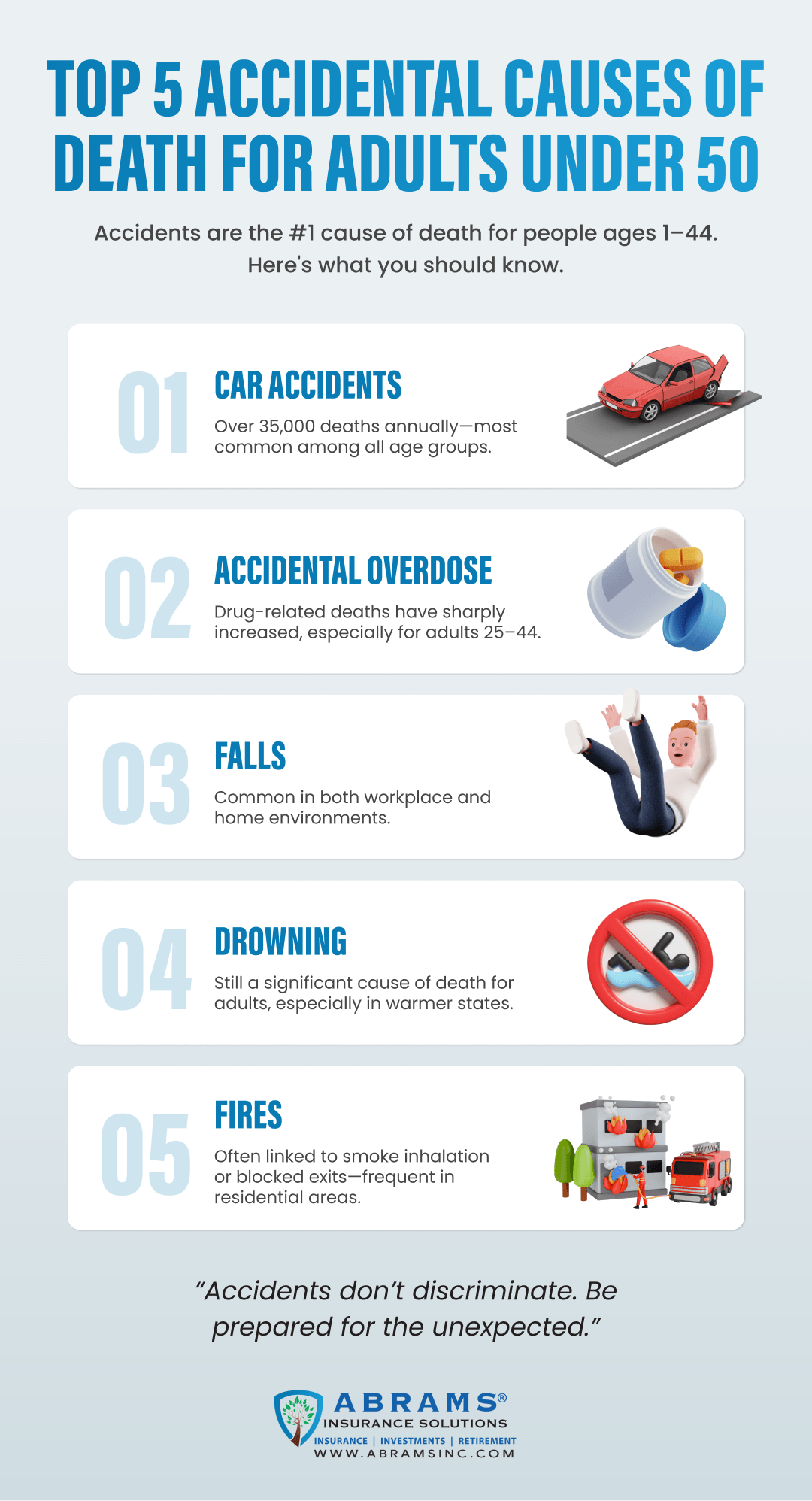
For residents in South Florida, where commuter traffic along high-density arteries like the I-95, Palmetto Expressway (SR 826), and Dolphin Expressway (SR 836) poses elevated road hazards, accidental coverage offers targeted financial insulation against catastrophic trauma.
Accidental Life vs. Traditional Life Insurance: Key Differences
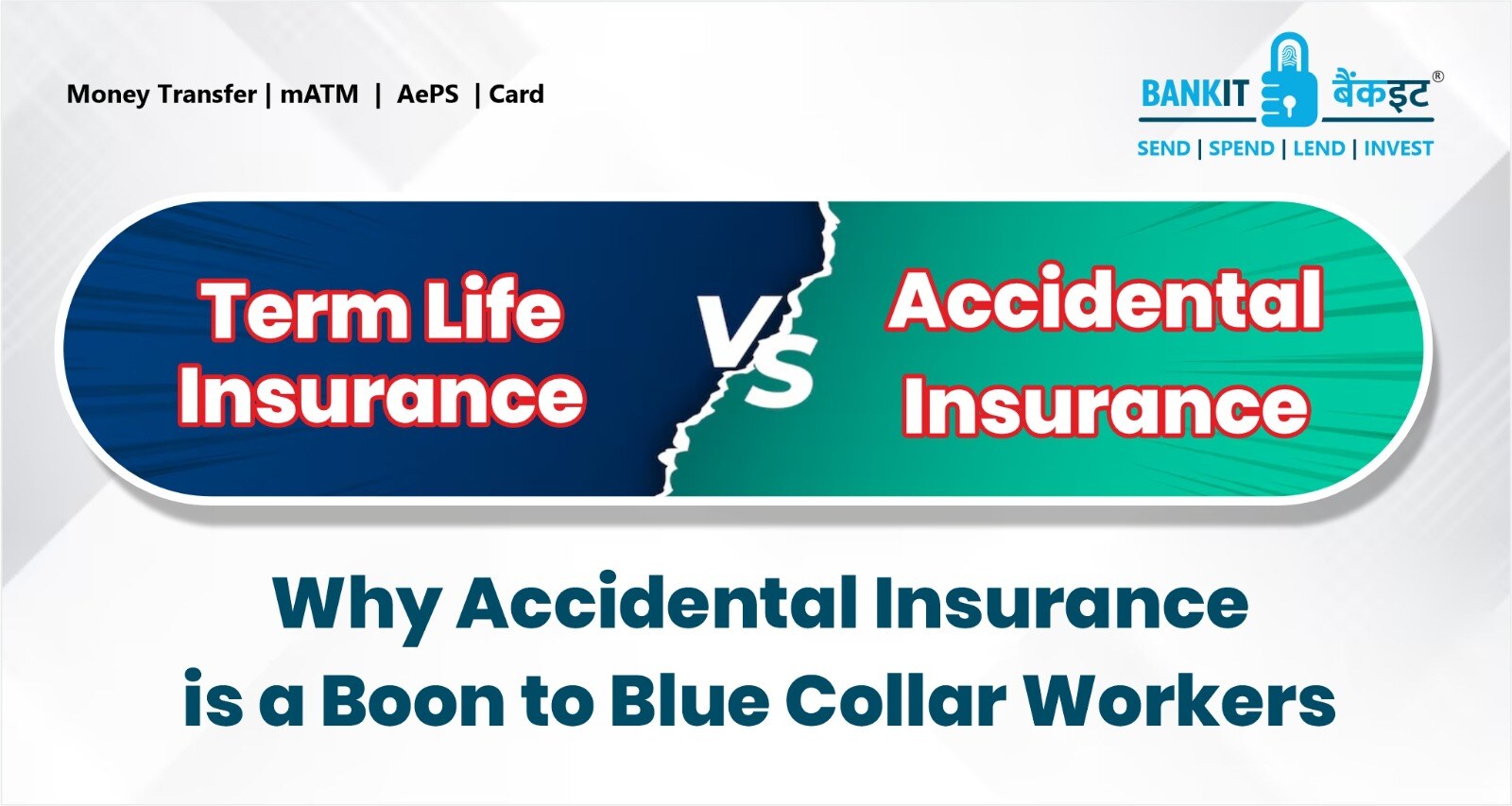
Consumers often confuse accidental death coverage with traditional term life insurance. While both provide a death benefit, their underwriting standards, policy limitations, and pricing models diverge significantly.
| Feature / Metric | Accidental Life Insurance (AD&D) | Term Life Insurance | Whole Life Insurance |
|---|---|---|---|
| Primary Scope of Payout | External, unforeseen accidents only | Illness, disease, old age, and most accidents | Illness, disease, old age, and most accidents |
| Medical Underwriting | None (guaranteed acceptance common) | Paramedical exam or simplified health history | Paramedical exam or simplified health history |
| Pre-existing Condition Exclusions | Strict; illnesses causing death are denied | Fully covered after policy issue | Fully covered after policy issue |
| Cash Value Accumulation | None | None | Yes (guaranteed cash surrender value) |
| Living Benefits (Dismemberment) | Standard inclusion | Requires optional, paid riders | Requires optional, paid riders |
| Average Monthly Cost ($250k) | $12 – $25 per month | $25 – $65 per month (age/health dependent) | $180 – $400+ per month |
| Standard Policy Duration | Annual renewable or bundled rider | Level terms (10, 20, 30 years) | Permanent (lifetime protection) |
| Contestability Period Focus | Cause-of-death investigation | Material misrepresentation on application | Material misrepresentation on application |
Because accidental death insurance bypasses health underwriting, it does not require blood tests, urine samples, or attending physician statements (APS). Consequently, individuals in Miami who find traditional coverage cost-prohibitive due to severe health conditions—such as advanced diabetes, past cardiac events, or elevated BMI—frequently utilize AD&D as baseline income protection.
Why Work with a Local Miami Insurance Agent?
Purchasing coverage through a licensed, local life insurance agent in Miami offers structural advantages over automated direct-to-consumer websites. Insurance policies in the state of Florida are subject to distinct statutory definitions and regulatory oversights handled by the Florida Department of Financial Services (DFS) and the Florida Office of Insurance Regulation (OIR).
Local Risk Profiles and Environmental Hazards
A Miami-based agent understands the regional demographic and employment landscape. Miami-Dade County maintains significant workforces across maritime shipping (PortMiami), high-rise commercial construction, aviation support (Miami International Airport), and municipal transit.
Agents working within the South Florida market understand how occupational hazards intersect with standard policy exclusions. If an individual works on deep-water cargo vessels or commercial construction sites in Brickell or Wynwood, a generic out-of-state call center agent might sell a policy containing standard occupational hazard waivers that render the coverage void during working hours. A qualified local agent identifies appropriate policy forms that accommodate specific blue-collar or high-exposure careers.
Bilingual Policy Navigation and Community Demographics
Miami’s multicultural population means financial agreements must often be articulated clearly across multiple languages. Licensed local agents provide bilingual services (predominantly English and Spanish, as well as Haitian Creole), ensuring that policy terms, exclusion clauses, and beneficiary designations are understood without linguistic ambiguity. Under Florida law, consumer insurance forms must meet state readability requirements, and local agents clarify critical legal clauses before binding coverage.
Verifying an Agent’s Credentials in Florida
Before disclosing personal information or paying premiums, consumers must confirm that the professional soliciting insurance holds an active, valid license in the state.
License Classifications in Florida
In Florida, an agent selling accidental death policies must hold one of the following licenses issued by the Florida Department of Financial Services:
- 2-15 Life, Health, and Variable Annuity Lines Agent License: Allows the licensee to transact life insurance, annuities, accidental insurance, disability, and health policies.
- 2-18 Life and Variable Annuity Lines Agent License: Permits the transaction of term, whole life, accidental, and annuity products, but restricts standalone disability and health lines.
- 2-40 Health Insurance Agent License: Covers accidental injury and disability benefits, occasionally used when AD&D is packaged under supplemental accident health lines.
Steps to Verify a Miami Insurance Agent
- Request the Agent's Full Legal Name and License Number: Every legitimate professional will provide their license number upon request.
- Access the Florida DFS Licensee Database: Navigate to the official Division of Agent and Agency Services portal on the Florida Department of Financial Services website (
myfloridacfo.com). - Execute a Licensee Search: Run the agent's name or license number to check their status. Verify that the license is marked Active and that there are no current administrative suspensions, disciplinary consent orders, or revocations on file.
- Inspect Carrier Appointments: The state registry lists the specific life insurance carriers the agent is legally authorized to represent. If an agent offers a policy from an insurer they are not actively appointed with, that policy cannot be legally bound through them.
- Differentiate Between Captive and Independent Brokers: A captive agent represents a single insurance carrier (such as State Farm, Northwestern Mutual, or New York Life) and can only provide that carrier's products. An independent agent or broker works with multiple insurance providers, allowing them to compare policy language and premiums across the competitive market.
Crucial Policy Exclusions and Contract Limitations
Accidental life insurance policies are inexpensive primarily because their claims parameters are narrowly defined. When reviewing contract terms with an agent, Miami policyholders must evaluate standard exclusion clauses to prevent contested claims.
Common AD&D Policy Exclusions
- Illness and Medical Complications: If an insured suffers a fatal heart attack while driving and subsequently crashes a vehicle, claims adjusters review medical examiner records. If the underlying cause of death is determined to be myocardial infarction rather than physical trauma from the impact, standard AD&D policies will deny the claim.
- Substance Influence and Intoxication: Contracts universally exclude deaths resulting from driving under the influence of alcohol (above the statutory limit of 0.08% BAC in Florida) or non-prescribed narcotics.
- Hazardous Hobbies and Avocations: Extreme activities common in coastal Florida—such as scuba diving below specified depths (typically 30–40 meters), amateur skydiving, recreational aviation, offshore boat racing, or parasailing—often require dedicated underwriting endorsements. Without an endorsement, accidents arising from these pursuits are excluded.
- Suicide or Self-Inflicted Injuries: Injuries resulting from intentional acts, regardless of the policyholder's mental state at the time, are excluded.
- Surgical and Medical Misadventure: Deaths or impairments resulting from routine medical procedures, anesthesia reactions, postoperative infections, or diagnostic imaging are treated as medical occurrences, not accidents.
- Acts of War, Insurrection, or Active Commission of a Felony: If the insured sustains fatal injuries while actively participating in an illegal act or riot, coverage is voided.
The Time-to-Loss Provision
Accidental policies mandate that fatal outcomes or physical losses occur within a set duration following the incident. Florida-approved contracts commonly impose a 90-day to 365-day clause. If an individual is involved in an automobile accident on the Dolphin Expressway and remains on life support for 14 months before passing, a policy carrying a 365-day limit may contest or deny the accidental death benefit. Independent agents can help locate carriers offering generous time-to-loss provisions.
Evaluating Premiums: Costs and Policy Design
Accidental life insurance features flat, age-bracketed pricing that remains far lower than underwritten life policies. Because the risk is limited to physical trauma, underwriters primarily look at coverage amount, occupational hazards, and age.
Standard Premium Expectations in South Florida
Premiums for AD&D typically do not increase each year like some short-term term life policies; rather, they remain level over designated age brackets (e.g., ages 18–49, 50–59, 60–69).
- $100,000 Benefit: Approximately $6 to $12 per month for individuals in standard risk occupations.
- $250,000 Benefit: Approximately $14 to $24 per month.
- $500,000 Benefit: Approximately $28 to $45 per month.
- $1,000,000 High-Limit Benefit: Approximately $55 to $95 per month, subject to basic financial underwriting to prevent over-insurance.
Standalone Policies vs. Policy Riders
Consumers have two structural options for acquiring accidental coverage through a local agent:
- Standalone AD&D Policies: These are independent insurance contracts. They are beneficial for individuals who have been declined for traditional life insurance due to severe, chronic medical issues, or who need inexpensive supplemental insurance while repaying specific debts (such as private loans or commercial lines of credit).
- Accidental Death Benefit (ADB) Riders: This is an add-on endorsement attached to a base term or permanent life insurance policy. Often referred to as "double indemnity," adding an ADB rider means that if the policyholder dies in an accident, the insurer pays both the base life insurance benefit plus an equivalent accidental benefit. For example, a $500,000 term life policy with a $500,000 accidental death rider pays a total of $1,000,000 if the insured dies in a motor vehicle collision.
Filing an Accidental Death Claim in Miami-Dade County
When a loss occurs, beneficiaries must navigate specific documentary steps to substantiate an accidental life insurance claim. Unlike natural deaths, which require only a standard Death Certificate, accidental claims involve forensic evaluation.
- Step 1: Obtain Official Death Certificate (Florida Bureau of Vital Statistics)
- Step 2: Secure Miami-Dade Medical Examiner Toxicology and Autopsy Reports
- Step 3: Collect Official Police Incident / Crash Reports (MDPD, FHP, or City Police)
- Step 4: Submit Formal Claim Package to Insurer via Local Miami Agent
- Step 5: Carrier Claims Investigation (Florida Statutory 30-Day Determination)
Required Documentation
- Certified Copy of the Death Certificate: In Florida, two types of death certificates are issued: one with the cause of death visible, and one with medical information redacted. For accidental insurance claims, the beneficiary must order the complete certificate detailing the cause and manner of death.
- Miami-Dade Medical Examiner Department Records: In cases involving accidents, the Miami-Dade County Medical Examiner Department (located on Bob Hope Road in Miami) conducts an autopsy and toxicology screen. Insurers require these certified reports to verify that fatal injuries were accidental and not facilitated by prohibited narcotics, intoxication, or underlying cardiovascular failure.
- Official Police and Accident Reports: If the accident involved a motor vehicle collision investigated by the Miami-Dade Police Department (MDPD), the City of Miami Police Department, or the Florida Highway Patrol (FHP), the carrier will demand certified copies of the crash incident report to ascertain liability and the chain of events.
Under Florida Statute § 627.4265, insurers must settle claims within specific statutory parameters once acceptable proof of loss is delivered. A local agent can assist the family by serving as an administrative intermediary, helping gather paperwork from local authorities to prevent claims processing delays.
How to Select the Right Miami Insurance Agent
When searching for an insurance professional in the Miami area, avoid high-pressure call centers and verify that your representative satisfies specific criteria.
- Independent Representation: Opt for an agent licensed with multiple independent insurance carriers. This allows the agent to shop policies from top-rated companies (rated "A" or better by A.M. Best for financial stability) and find policy definitions that match your lifestyle.
- Transparent Exclusion Disclosures: A professional agent clearly explains what the policy does not cover before asking for a signature. If an agent states that accidental insurance "covers you no matter how you die," seek representation elsewhere immediately.
- Physical Presence and Accessibility: Ensure the agent maintains an identifiable office presence in Miami-Dade, Broward, or adjacent counties. Local representation makes submitting documentation and handling claims far simpler for your family.
- Absence of Coercive Cross-Selling: Accidental life insurance should solve a specific coverage gap. Be wary of agents who attempt to leverage an inquiry about an inexpensive $15-per-month AD&D policy to pressure you into purchasing complex equity-indexed or universal life products that may not suit your financial strategy.
Frequently Asked Questions
Can non-U.S. citizens purchase accidental life insurance in Miami?
Yes. Miami agents frequently assist international residents, foreign nationals, and visa holders (such as H-1B, L-1, or green card holders). Many insurers require applicants to have an Individual Taxpayer Identification Number (ITIN) or a Social Security Number, alongside an active domestic bank account and verifiable physical residence in Florida. Policy terms and eligibility thresholds vary by insurer.
Does accidental death insurance cover death caused by a hurricane or flood in Miami?
Direct traumatic injuries caused by natural disasters—such as structural collapse or flying debris during a hurricane—are typically classified as accidental deaths and covered by AD&D policies. However, exclusions can apply if the insured intentionally ignored mandatory evacuation directives or engaged in demonstrably reckless activity, such as driving through moving floodwaters. The exact policy wording governs these circumstances.
Does an accidental life insurance policy require a medical exam?
No. Accidental life insurance does not involve paramedical testing, blood work, or analysis of family medical histories. Payouts depend strictly on the occurrence of external physical trauma. Consequently, acceptance is generally guaranteed to individuals within standard age limits (typically ages 18 to 70), irrespective of chronic health conditions.
Can an accidental death claim be denied if alcohol is involved?
Yes. Nearly all accidental life insurance policies contain a strict alcohol exclusion. In Florida, if an official autopsy or police report confirms that an insured's blood alcohol concentration was at or above the legal intoxication limit (0.08% BAC) at the time of a fatal accident, the insurance carrier has legal grounds to deny the claim, particularly if intoxication contributed to the accident.
How does an accidental death rider differ from a standalone AD&D policy?
An accidental death rider is an optional add-on attached to an existing term or permanent life insurance policy, paying an extra cash benefit if death occurs accidentally. A standalone AD&D policy is an independent insurance contract that pays benefits exclusively for accidents; if the policyholder dies from an illness or old age, a standalone policy pays nothing.
Practical Next Steps
Securing appropriate accidental protection requires a methodical approach to evaluating risk, comparing policy forms, and validating credentials.
- Audit Your Current Protection: Review your employer-provided benefits and existing term life policies. Determine whether you currently hold an accidental death benefit rider, and calculate the financial gap your family would face in the event of sudden loss or severe physical disability.
- Verify Agent Licenses: Use the Florida Department of Financial Services Licensee Search tool to check the credentials of any prospective Miami insurance agent before disclosing sensitive personal details.
- Compare Standalone Policies with ADB Riders: If you are in good health, ask your agent to quote a term life policy with an attached Accidental Death Benefit rider, as this delivers broad coverage alongside amplified accident benefits. If health conditions preclude standard underwriting, request a standalone AD&D policy from an A.M. Best "A"-rated carrier.
- Scrutinize the Exclusions Page: Ask the agent for the exact specimen policy. Inspect the specific occupational exclusions, recreational avocation limits, and the time-to-loss provisions (preferring 365-day limits over 90-day limits) before formalizing the application.
Disclaimer: This guide is provided for educational and informational purposes only and does not constitute formal legal, tax, or financial advice. Insurance statutes, policy definitions, and regulatory guidelines within the state of Florida are subject to change. For individualized policy advice, consult a licensed insurance agent or legal counsel in your jurisdiction.