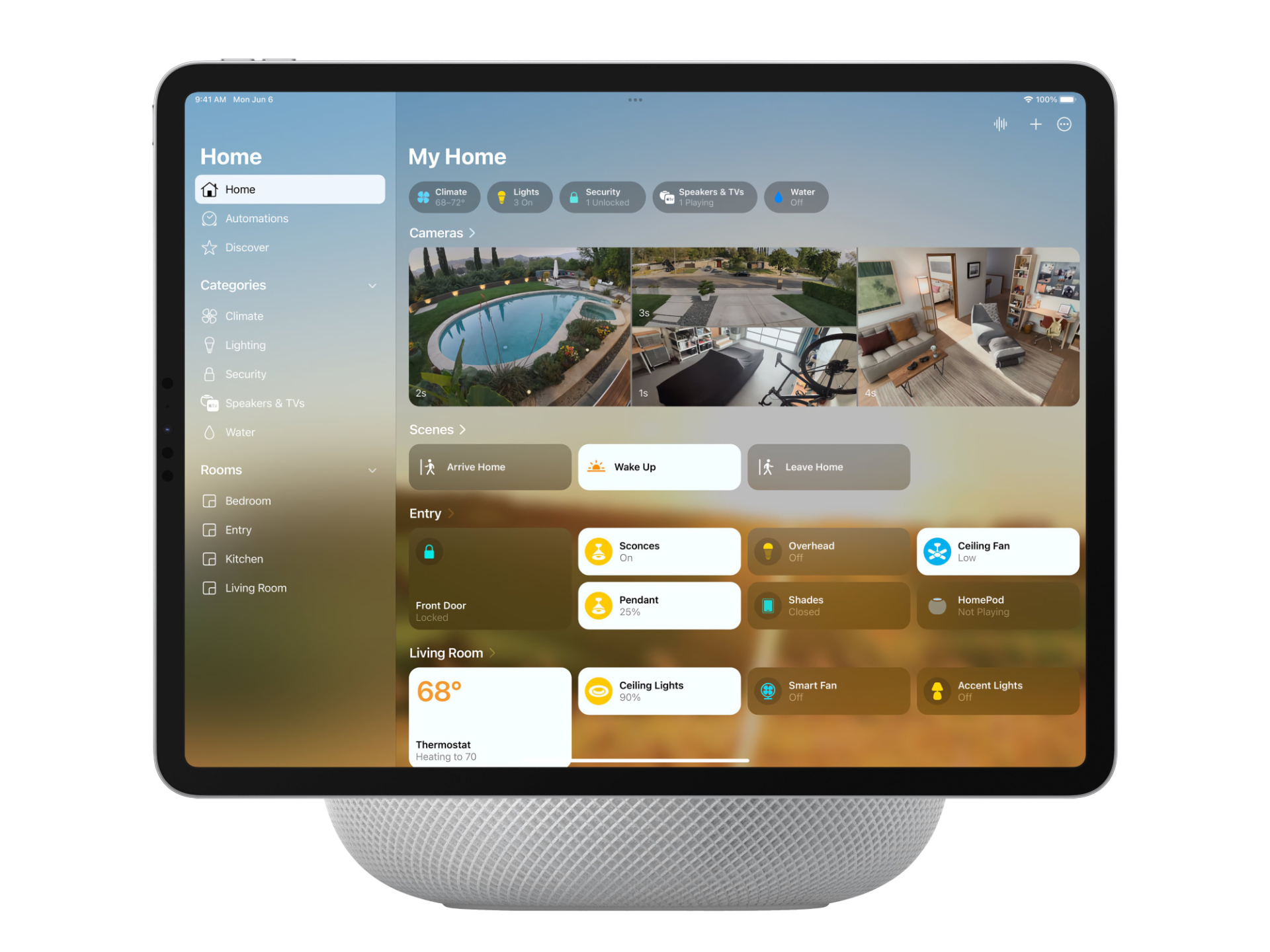
The Abyix compact smart home hub serves as a centralized gateway designed to unify disparate IoT devices under a single, localized control interface. It prioritizes a small physical footprint and reduced latency by processing automation triggers locally, rather than relying exclusively on cloud-based round-trip communication, making it a viable solution for users seeking data privacy and consistent device responsiveness.
Understanding the Role of a Compact Smart Home Hub
In the modern smart home ecosystem, the primary challenge is not the availability of devices, but their interoperability. A smart home hub acts as the "brain" or the central nervous system of a residence. Without one, devices from different manufacturers often require separate applications, which creates a fractured user experience and prevents cross-device automation.
The Abyix hub is engineered specifically for users who need a bridge between various wireless communication protocols. While many consumer-grade smart devices rely solely on Wi-Fi, which can congest a home network and introduce security vulnerabilities, a specialized hub like Abyix typically utilizes secondary protocols—such as Zigbee or Z-Wave—to offload that traffic. By consolidating these signals, the Abyix hub ensures that your smart locks, lighting systems, and sensors operate reliably even if the primary internet connection is momentarily unstable.
The "compact" nature of the device is not merely an aesthetic choice. In many residential setups, network equipment is relegated to small utility closets or cramped media cabinets. A smaller form factor allows for flexible placement, often closer to the center of the home, which is crucial for maintaining a strong signal mesh between the hub and battery-operated peripheral sensors.
Core Technical Specifications and Architecture
To understand how the Abyix hub functions, one must examine its hardware architecture. Most iterations of this device feature a low-power processor capable of executing local automation scripts. This is a critical distinction from "bridge" devices that merely act as pass-throughs for cloud commands.
Local Processing vs. Cloud Dependency
Local processing means that when a motion sensor triggers a light to turn on, the "If-This-Then-That" logic is resolved within the hardware located in your home. This approach yields two primary benefits:
- Latency Reduction: There is no delay caused by sending a signal to a server in a remote data center and waiting for a confirmation message to return.
- Reliability: Your home automation routines function regardless of your Internet Service Provider (ISP) status. If your ISP goes down, your smart home remains operational.
Protocol Support
The Abyix hub is typically built to support the most common low-energy wireless standards. These protocols are essential because they use a "mesh" topology, where each powered device (like a smart plug or wall switch) acts as a repeater, extending the range of the hub throughout a large property.
| Feature | Specification Capability | Benefit |
|---|---|---|
| Processor | Low-wattage ARM-based SoC | Energy efficiency and minimal heat |
| Connectivity | Zigbee 3.0 / Z-Wave Plus | Low-interference device communication |
| Local Storage | Secure partitioned flash | Stores automation history and states |
| Power Supply | USB-C 5V/2A | Universal compatibility |
Prerequisites for Installation
Before integrating an Abyix hub into your home, ensure you have the necessary environment to support a stable connection. Unlike plug-and-play Wi-Fi devices, the Abyix requires a consistent, wired connection to your network router.
- Dedicated Ethernet Port: To ensure the highest level of stability, use an Ethernet cable to connect the hub directly to your router or an unmanaged switch. While some models may support Wi-Fi, a physical connection is recommended to prevent interference with your primary home network traffic.
- Device Compatibility Check: Before pairing devices, confirm that your smart peripherals (sensors, bulbs, thermostats) support the protocols the Abyix hub utilizes. If you are using devices locked into proprietary, non-standard ecosystems, you may need an additional bridge for those specific items.
- Power Stability: Because the hub acts as the central command node, it should be connected to a surge-protected power strip. A power failure at the hub level can result in a total blackout of your automated routines.
Configuring Your Smart Ecosystem
Once the hardware is connected, the software configuration follows a logical path. Users interact with the hub through an application that guides them through the pairing process.
Step-by-Step Device Integration
- Initialization: Connect the hub to power and the local area network. Wait for the status LED to indicate that the device is in "Discovery Mode."
- Gateway Discovery: Using the official Abyix application on your mobile device, scan for the hub. Once discovered, assign it a static IP address within your router's settings to prevent connectivity issues after a power cycle.
- Adding End-Devices: Place your sensors or switches in "Pairing Mode" one by one. The hub will automatically identify the device type and prompt you to name it and assign it to a specific room or "zone."
- Scene Creation: After adding your devices, group them into scenes. For example, a "Goodnight" scene might trigger the hub to lock the front door, turn off all lights, and lower the thermostat.
Troubleshooting Common Connectivity Issues
Even with robust hardware, wireless networks can experience interference. If your devices become unresponsive, use this systematic approach to identify the source of the failure.
- Check the Mesh: If a sensor at the far end of the house stops responding, it may have lost its connection to the mesh. Adding a mains-powered device (like a smart plug) between the hub and the sensor can often resolve range issues.
- Update Firmwares: Manufacturers frequently release updates to address compatibility with new devices. Always check for firmware updates within the hub’s settings menu on a quarterly basis.
- Review Network Congestion: If you are using the 2.4GHz Wi-Fi band heavily for other electronics, it may interfere with Zigbee devices. Ensure your hub is placed at least three feet away from your primary Wi-Fi router to minimize electromagnetic interference.
Addressing Security and Data Privacy
One of the main reasons users opt for a local-processing hub like the Abyix is to limit the amount of personal data sent to external cloud servers. Because the hub manages your automations locally, your device state data (such as whether you are home or away) remains contained within your local network perimeter.
However, users should still practice basic security hygiene. Change the default administrative password immediately upon setup. If the hub offers remote access features, ensure that the connection is encrypted (VPN or HTTPS) and that you are not exposing the hub directly to the public internet through port forwarding on your router.
Frequently Asked Questions
Does the Abyix hub work if I do not have an active internet connection? Yes. The core automation logic is handled locally on the device. While you may not be able to control your home remotely via the mobile app without internet access, the scheduled tasks and sensor-triggered automations will continue to run as programmed.
Can I use the Abyix hub with voice assistants like Alexa or Google Home? Yes, most Abyix configurations allow for "cloud-to-cloud" or "local-to-cloud" integration with major voice platforms. This allows you to retain local automation while still enjoying the convenience of voice-activated controls.
How many devices can a single Abyix hub support? While the exact number depends on the specific model version, most compact hubs can manage between 50 to 100 individual end-nodes. Note that performance may degrade if you attempt to push the upper limit of that capacity, as every device adds to the mesh network traffic.
What happens if I replace my router? If you assign a static IP address to the hub, ensure that your new router's subnet matches the configuration of the previous one. If you use DHCP (automatic assignment), the hub will typically reconnect automatically, though you may need to scan for its new IP address in the mobile app.
Is the Abyix hub compatible with Matter-enabled devices? Compatibility varies by hardware revision. Users should verify the documentation for their specific unit, as newer iterations of the Abyix series have been updated to support the Matter standard, which simplifies the process of adding devices from multiple manufacturers.
Next Actions for Your Smart Home
To effectively implement the Abyix hub, start by auditing your existing smart devices. Create a list of the communication protocols they use and prioritize bringing the most critical devices—such as security sensors and main light switches—under the control of the hub first. Once these are stable, slowly migrate your secondary devices to finalize your centralized control system. If you encounter persistent interference, consider an Ethernet-backhaul approach for the hub to ensure your smart home remains both responsive and secure.