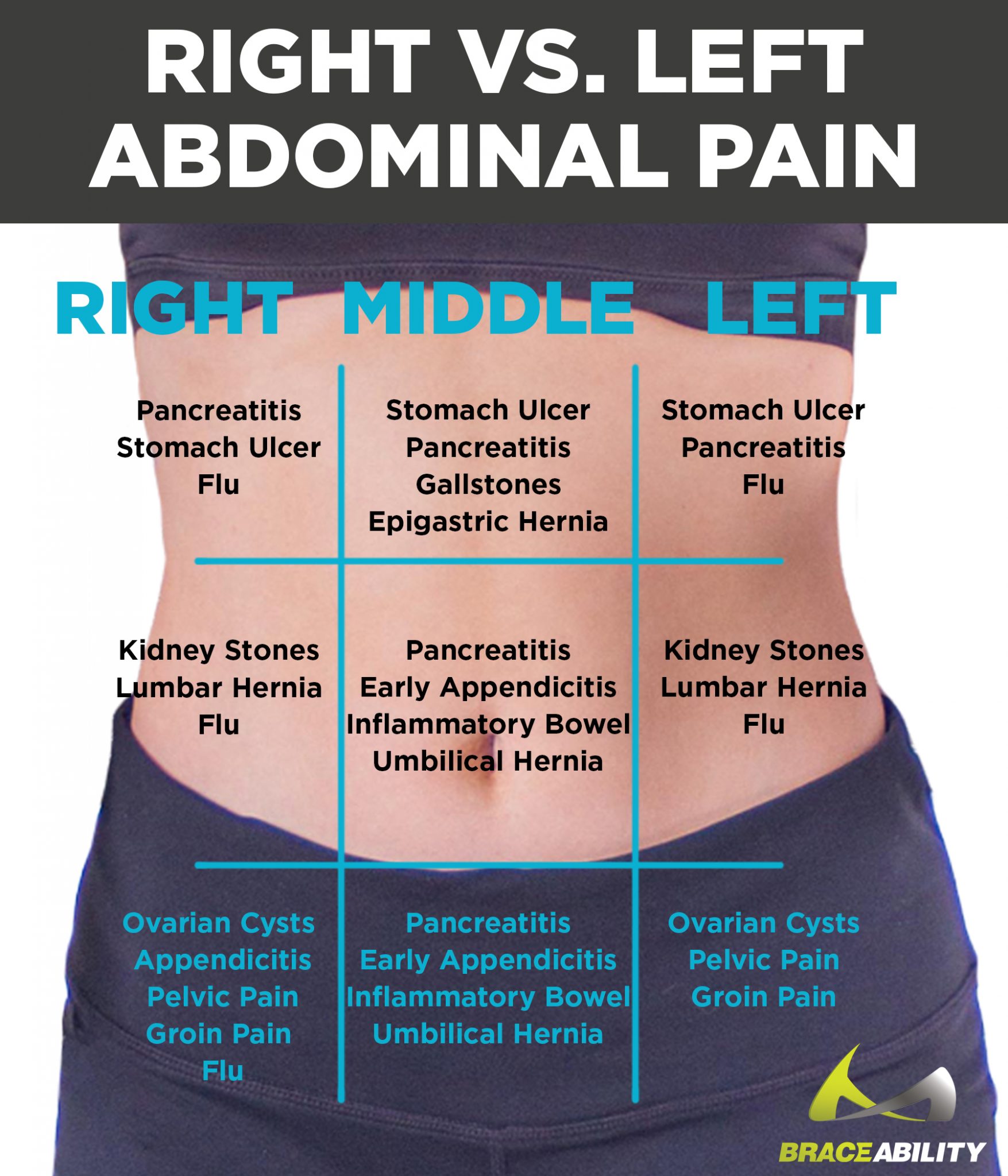
Experiencing abdominal pain accompanied by back pain simultaneously often indicates that a condition is affecting the structures within the abdominal cavity, the retroperitoneal space, or the organs that share nerve pathways. While many causes are mild and self-limiting, the combination of these symptoms can sometimes signal serious medical conditions, such as kidney stones, pancreatitis, or aortic issues, which require prompt clinical evaluation.
The Anatomy of Referred Pain
To understand why abdominal pain often manifests with back pain, it is essential to look at the human nervous system. The abdomen and the back share a complex network of nerves, particularly those associated with the visceral organs. Because many organs, such as the kidneys, pancreas, and portions of the intestines, are situated in the retroperitoneum (the space behind the abdominal cavity), inflammation or injury to these organs often sends pain signals to both the front of the body and the posterior lumbar region.
This phenomenon, known as "referred pain," occurs because the brain struggles to pinpoint the exact source of distress when sensory fibers from internal organs converge with those from the skin and muscles of the back. Consequently, you may feel an ache in your lower back that is actually originating from a problem in the abdomen, such as an infection or a structural blockage.
Common Clinical Causes
The etiology of combined abdominal and back pain is broad, ranging from minor musculoskeletal strain to acute organ dysfunction. Clinicians typically categorize these based on the organ system involved.
1. Urinary Tract and Renal Issues
Kidney stones (nephrolithiasis) are one of the most common causes of this symptom cluster. When a stone moves from the kidney into the ureter, it causes intense, sharp pain that typically radiates from the flank (side) to the lower back and into the lower abdomen or groin. Similarly, pyelonephritis (a kidney infection) often presents with systemic symptoms like fever and chills alongside significant back and abdominal discomfort.
2. Gastrointestinal Disorders
Conditions affecting the digestive tract are frequent contributors to dual-location pain.
- Pancreatitis: Inflammation of the pancreas is notorious for causing epigastric pain (pain in the upper middle abdomen) that feels as though it is "boring" straight through to the back.
- Peptic Ulcers: While many ulcers cause only stomach pain, posterior ulcers—those located on the back wall of the stomach—often refer pain to the thoracic spine area.
- Diverticulitis: Inflammation of small pouches in the colon, particularly in the descending colon, can lead to lower abdominal pain that radiates to the lower left back.
3. Reproductive System Concerns
In individuals with a uterus, conditions such as endometriosis, pelvic inflammatory disease (PID), or ovarian cysts can cause significant abdominal pain that radiates into the lower back. These conditions often correlate with the menstrual cycle, though chronic structural issues may cause persistent discomfort regardless of hormonal timing.
4. Musculoskeletal and Structural Causes
Sometimes, the pain is not internal but related to the frame of the body. An abdominal aortic aneurysm (AAA)—a bulge in the main blood vessel leading from the heart—is a critical condition. While it may be asymptomatic for years, a symptomatic or expanding aneurysm can cause a deep, tearing sensation in the abdomen that radiates to the back. This is a medical emergency.
Diagnostic Comparison of Common Symptoms
| Condition | Primary Pain Location | Pain Quality | Associated Symptoms |
|---|---|---|---|
| Kidney Stones | Flank/Back to Groin | Sharp, colicky, severe | Hematuria, nausea |
| Pancreatitis | Upper Mid-Abdomen | Burning, constant | Vomiting, fever |
| Diverticulitis | Lower Left Abdomen | Cramping, steady | Fever, constipation |
| AAA (Emergency) | Mid/Lower Abdomen | Tearing, deep | Pulsatile mass, lightheadedness |
| Muscle Strain | Lumbar Region | Dull, aching | Pain on movement |
Clinical Assessment and Next Steps
When you present to a healthcare provider with both abdominal and back pain, the clinical diagnostic process is designed to rule out life-threatening conditions first.
Physical Examination
Your provider will perform a physical examination to identify "rebound tenderness," which is pain that worsens upon the release of pressure on the abdomen—a common sign of peritonitis. They will also check for costovertebral angle (CVA) tenderness, which is pain elicited by tapping the area over the kidneys.
Imaging and Laboratory Work
- Urinalysis: This is usually the first step to rule out urinary tract infections or the presence of blood associated with kidney stones.
- Blood Panels: A complete blood count (CBC) can reveal elevated white blood cell counts, signaling infection or inflammation. Lipase and amylase levels are tested to assess pancreatic health.
- Diagnostic Imaging: Ultrasound is frequently the initial choice for visualizing the kidneys and gallbladder. If a more complex issue is suspected, a Computed Tomography (CT) scan is the gold standard for viewing the soft tissues of the abdomen and retroperitoneum in high detail.
Managing Chronic vs. Acute Pain
The approach to treatment depends entirely on the underlying diagnosis. For acute issues like a kidney stone, treatment focuses on pain management, hydration, and medical therapy to assist in the passage of the stone. In cases of bacterial infection, such as pyelonephritis or diverticulitis, antibiotic therapy is the standard course of action.
For chronic conditions like endometriosis or recurrent digestive issues, management is focused on long-term lifestyle adjustments, dietary modifications, and sometimes surgical intervention to resolve the anatomical cause of the pain. It is vital to avoid self-medicating with non-steroidal anti-inflammatory drugs (NSAIDs) until you have a diagnosis, as these medications can sometimes exacerbate ulcers or mask symptoms of more serious internal inflammation.
When to Seek Emergency Care
Certain "red flag" symptoms associated with abdominal and back pain necessitate an immediate visit to an emergency department:
- Sudden onset of severe, "tearing" pain: This can indicate an aortic rupture or dissection.
- Fever and chills: These suggest a systemic infection that may require intravenous antibiotics.
- Uncontrollable vomiting or inability to keep fluids down: Risk of dehydration is high.
- Loss of bowel or bladder control: This can indicate neurological involvement, such as Cauda Equina syndrome, which requires urgent surgical consultation.
- Dizziness or loss of consciousness: This is a sign of shock or significant internal blood loss.
Frequently Asked Questions
Can stress cause abdominal pain and back pain? Yes, high levels of chronic stress can manifest physically through the digestive system (e.g., irritable bowel syndrome flare-ups) and musculoskeletal tension in the back. However, stress should only be considered a cause after a physician has ruled out underlying structural, infectious, or organic diseases.
Is there a specific diet that helps with this pain? If the pain is caused by gallbladder issues or pancreatitis, a low-fat diet is often recommended. If the cause is kidney stones, increasing water intake is the most critical dietary intervention. Do not start a restrictive diet until you have an official diagnosis, as some diets can be harmful depending on the specific organ affected.
How do I know if the pain is "just" a muscle strain? Muscle strain usually worsens with specific movements or physical exertion and improves with rest. It is rarely accompanied by systemic symptoms like fever, jaundice, or changes in urinary habits. If the pain is constant, occurs at rest, or prevents you from sleeping, it is likely not a simple strain.
What is the role of the appendix in this type of pain? Appendicitis typically starts as pain near the navel and migrates to the lower right abdomen. While it is primarily an abdominal condition, severe inflammation can cause referred pain to the back, though this is less common than in cases of kidney or pancreatic issues.
Conclusion and Recommendations
Abdominal pain coupled with back pain serves as a significant signal from the body that requires careful interpretation. While many instances arise from manageable issues like kidney stones or localized inflammation, the potential for complex systemic disease makes self-diagnosis unreliable.
If you are experiencing these symptoms, prioritize documenting the onset, duration, and specific triggers of the pain. Visit your primary care physician or an urgent care facility for a baseline evaluation. Bring a log of your symptoms, including any recent changes in diet, bowel habits, or urinary frequency. By providing an accurate clinical history, you enable your healthcare team to perform the necessary diagnostic tests and arrive at an accurate diagnosis faster, ensuring you receive the appropriate treatment to resolve the underlying cause.