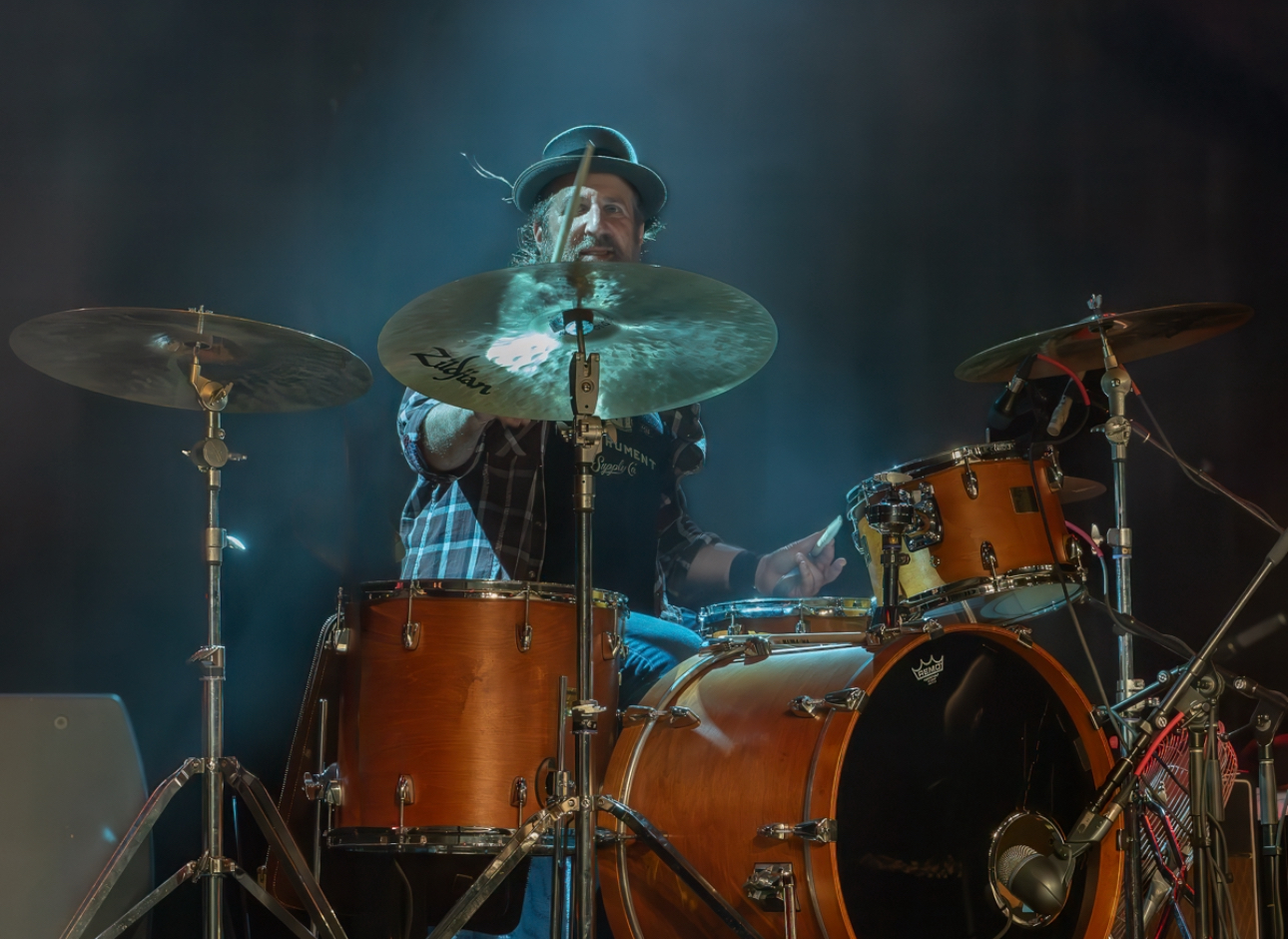
Aaron Comess has accumulated an estimated net worth in the range of $1 million to $5 million, primarily driven by his long-standing career as the co-founder and drummer of the multi-platinum alternative rock band Spin Doctors, alongside extensive session work, production projects, and music publishing royalties.
Evaluating the net worth of professional musicians, particularly those who rose to prominence during the alternative rock boom of the early 1990s, requires a nuanced understanding of music industry economics. Unlike corporate executives or tech entrepreneurs whose wealth is tied to publicly traded equities or venture capital, a touring musician's financial portfolio is typically diversified across multiple revenue streams. For Aaron Comess, who helped anchor the rhythm section of the Spin Doctors alongside guitarist Eric Schenkman, singer Chris Barron, and bassist Mark White, wealth generation stems from a mix of historical catalog earnings, ongoing live performance revenues, session musician fees, and teaching endeavors.
The Foundations of Wealth: The Spin Doctors Era
The primary catalyst for Aaron Comess’s professional earnings and public financial profile is his role as the drummer for the Spin Doctors. Formed in New York City in the late 1980s (evolving from earlier iterations like The Trucking Co.), the band achieved massive commercial success with their 1991 debut studio album, Pocket Full of Kryptonite.
Released by Epic Records, the album became a global commercial phenomenon, eventually selling over five million copies in the United States alone and achieving multi-platinum status worldwide. It yielded ubiquitous radio hits such as "Two Princes" and "Little Miss Can't Be Wrong," both of which received heavy rotation on MTV and commercial radio.
During the peak of the band's commercial dominance between 1991 and 1994, revenue streams were driven by several major factors:
- Album Sales and Royalties: While initial recording contracts for developing bands often favored the record label through recoupable expenses and advances, massive physical media sales (CDs, cassettes, and vinyl) generated substantial performance and mechanical royalties once initial debts to the label were cleared.
- Global Touring: The band transitioned from playing intimate New York City venues like the Nightingale Bar and The Wetlands to headlining major international arenas and summer festivals. Major label tour support and ticket sales provided a primary source of liquid income during these years.
- Merchandising: High-volume sales of band t-shirts, tour books, and promotional items during the early 1990s added a lucrative revenue buffer to album and ticket sales.
Revenue Diversification: Session Work, Production, and Side Projects
Unlike artists who rely solely on a single iconic band, Aaron Comess established a reputation as a versatile, highly skilled instrumentalist capable of crossing musical genres, ranging from rock and blues to jazz and avant-garde improvisation. This versatility significantly broadened his long-term earning potential.
As a session musician, Comess has recorded and performed with a wide array of notable artists. This consistent freelance work provides a diversified income stream independent of the Spin Doctors' active recording or touring cycles. Session work typically pays a flat union or negotiated rate per track or album, sometimes supplemented by secondary market performance royalties mediated through organizations like SoundExchange or SAG-AFTRA.
Furthermore, Comess has maintained an active presence in the New York City jazz and independent music scenes. Collaborating with various jazz ensembles and singer-songwriters allows him to monetize his technical proficiency on the drums while maintaining artistic autonomy. His involvement in independent record production and engineering also contributes to his professional portfolio, capturing studio production fees and backend producer points where applicable.
| Revenue Stream | Description | Primary Earning Mechanism |
|---|---|---|
| Band Royalties & Catalog | Earnings from Spin Doctors master recordings, songwriting credits, and sync licensing. | Performance rights organizations (ASCAP/BMI), mechanical royalties, streaming payouts. |
| Live Performances | Ongoing national and international concert tours and festival appearances with the Spin Doctors. | Guaranteed performance fees, ticket sales percentages, and festival payouts. |
| Session Recording | Studio work for diverse artists across multiple genres in the New York area. | Per-diem studio rates, flat-fee recording contracts, and union scale payments. |
| Teaching & Masterclasses | Private drum instruction and educational workshops for aspiring musicians. | Hourly rates, masterclass appearance fees, and educational content licensing. |
Music Publishing and Modern Streaming Economics
A significant portion of long-term wealth for legacy rock musicians is rooted in music publishing and mechanical royalties. Songwriting credits are particularly valuable; while Comess is primarily known as an instrumentalist, contributions to arrangements and co-writing credits on various tracks across the Spin Doctors' discography secure a share of publishing revenue.
In the contemporary digital landscape, music catalog earnings have shifted toward streaming platforms such as Spotify, Apple Music, and YouTube. While streaming payouts per individual play are famously modest—often fractions of a cent per stream—legacy hits like "Two Princes" maintain millions of monthly listeners. Over decades, this steady, passive ingestion generates a reliable baseline of residual income.
Additionally, sync licensing—the placement of music in television commercials, films, video games, and streaming television shows—represents a high-value sector for established 1990s rock catalogs. When a track is licensed for media use, synchronization fees are distributed to the copyright holders and songwriters, providing occasional financial surges that bolster overall net worth.
Educational Contributions and Real Estate Assets
Beyond commercial recordings and live touring, professional musicians often channel earnings into tangible assets and secondary professional avenues. Comess has maintained a long-standing commitment to music education, offering private drum lessons and participating in clinics. While teaching may not yield the multi-million dollar returns of a stadium tour, it provides a stable, highly skilled freelance income stream that underscores financial prudence.
Real estate holdings in and around the greater New York City metropolitan area also constitute a major component of an established musician's net worth. Given the high valuation of real estate in New York—where Comess has spent the majority of his professional career—property acquisition and appreciation over decades often form the largest share of tangible, non-liquid net worth for career artists.
Financial Realities of 1990s Alternative Rock Musicians
Public estimates regarding celebrity net worth frequently rely on generalized algorithms, speculative reporting, and unverified industry gossip. Independent financial analysts emphasize that musicians from bands that achieved massive mid-tier success—platinum albums and radio hits, but not matching the permanent billionaire status of mega-acts like Metallica, U2, or Rolling Stones—typically fall into the multi-millionaire bracket.
For Aaron Comess, financial sustainability has been maintained through continuous professional engagement, intelligent asset management, and a refusal to rely solely on past glories. By balancing touring obligations with the Spin Doctors, ongoing session work, independent recording projects, and teaching, he has preserved a stable financial foundation in a notoriously volatile industry.
Frequently Asked Questions
What is Aaron Comess best known for?
Aaron Comess is best known as the co-founder and drummer of the Grammy-nominated alternative rock band Spin Doctors, famous for their 1991 multi-platinum debut album Pocket Full of Kryptonite and hit singles like "Two Princes."
How do 1990s rock musicians make money today?
Musicians from the 1990s alternative rock era generate income through a combination of live concert touring, streaming royalties from legacy catalogs, synchronization licensing for television and film, music publishing rights, and merchandise sales.
Does Aaron Comess only play with the Spin Doctors?
No. While the Spin Doctors remain his most commercially prominent project, Comess is a versatile session drummer and jazz musician who has recorded and performed with a wide array of artists across multiple genres, while also maintaining a career in music education and production.
Are public net worth estimates for musicians accurate?
Public net worth figures for musicians are generally educated estimates rather than verified financial disclosures. They are calculated based on historical record sales, estimated tour grosses, public real estate records, and standard industry royalty rates.
What contributed most to Aaron Comess's financial success?
The primary driver of his financial success was the explosive commercial success of the Spin Doctors' early 1990s releases, supported by decades of steady touring, session recording work, and ongoing catalog royalties.
Conclusion and Next Actions
Evaluating Aaron Comess's financial standing reveals a career built on enduring musicianship, commercial viability, and professional versatility. Rather than depending on a single hit record, his wealth reflects decades of active performance, smart catalog management, and consistent industry engagement. For aspiring musicians and industry observers, examining these financial structures highlights the importance of diversified revenue streams—balancing high-profile touring with session work and publishing rights—to achieve long-term economic stability in the entertainment sector.