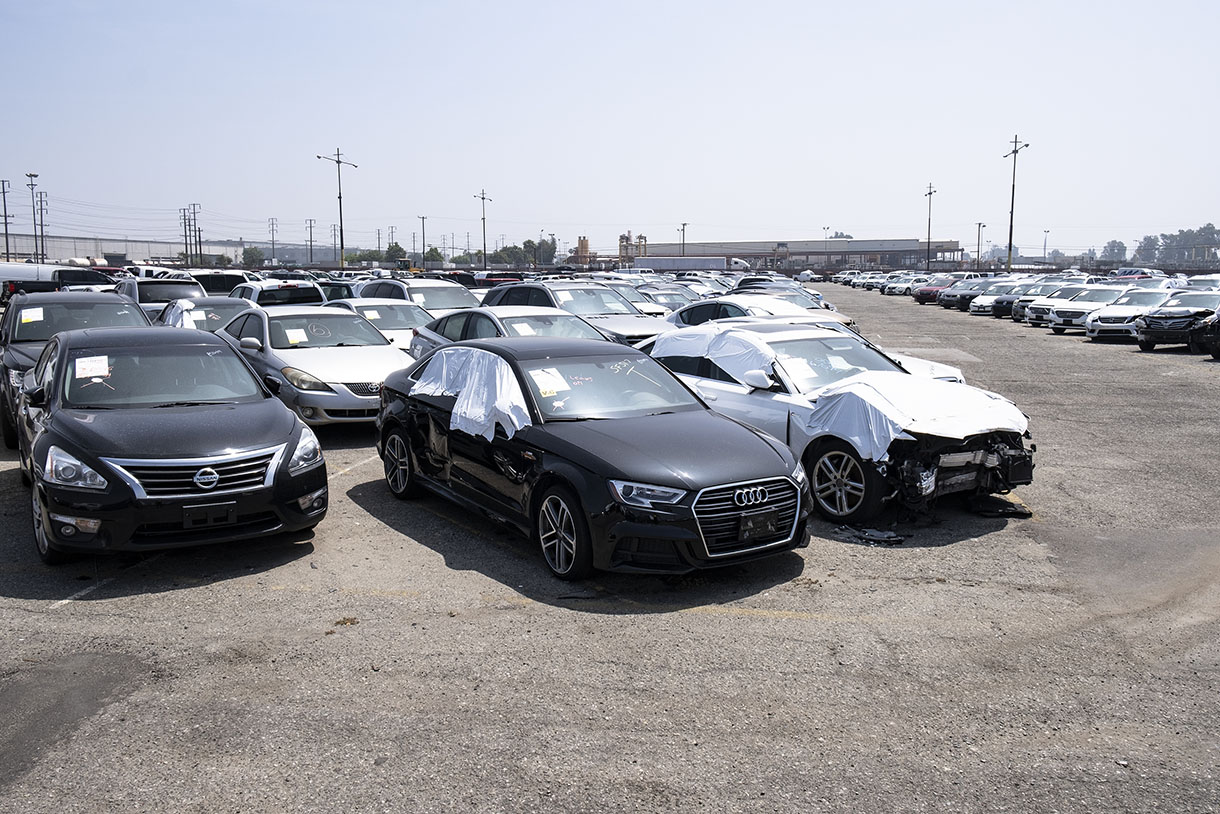
Participating in an insurance auto auction through platforms like A1A allows buyers to acquire salvage, rebuilt, or clean-title vehicles directly from insurance carriers, rental companies, and fleet operators at a fraction of standard retail prices. Navigating these specialized marketplaces requires a clear understanding of licensing requirements, bidding procedures, vehicle condition grading, and state-specific titling laws to ensure a successful transaction.
Understanding Insurance Auto Auctions and the Role of A1A
Insurance auto auctions serve as the primary liquidation channel for vehicles that have been declared a total loss by insurance companies. When an automobile sustains collision, fire, flood, storm, or theft damage, the cost to repair the vehicle often exceeds a predetermined percentage of its actual cash value (ACV)—frequently between 70% and 80% depending on state regulations and carrier guidelines. At this point, the insurer pays out the policyholder and takes possession of the salvage title. These assets are then routed to specialized automotive auction yards and digital remarketing platforms.
In the context of vehicle remarketing, specialized auction services and broker networks help bridge the gap between institutional sellers and retail buyers. While major nationwide platforms like Copart and IAAI (Insurance Auto Auctions) dominate the physical and digital footprint, regional brokers and specialized services often use designations like "A1A" to facilitate access for everyday consumers who might lack the dealer licenses typically required by major auction houses.
For the everyday buyer, understanding this ecosystem is critical. An insurance auto auction is not a traditional used car lot. Vehicles are sold "as-is, where-is," with no warranties expressed or implied. Knowing how to interpret auction terminology, evaluate structural integrity, and account for administrative fees dictates whether a salvaged vehicle purchase becomes a profitable restoration project or an expensive financial miscalculation.
Licensing Requirements and Public Buyer Access
One of the most significant barriers to entry in the salvage auction industry is state and federal licensing. Historically, major auto auctions restricted bidding strictly to licensed motor vehicle dealers, dismantlers, or scrap processors. This regulatory framework was established to protect untrained consumers from purchasing structurally compromised or unsafe vehicles without adequate mechanical knowledge.
However, the modern marketplace offers several pathways for public buyers to participate through designated brokers or by living in states with permissive laws.
State-by-State Licensing Rules
Vehicle auction regulations are governed primarily at the state level. Jurisdictions generally fall into three categories:
- Open States: Residents and non-residents can buy any vehicle classification without a dealer license, though standard registration and sales tax laws still apply upon titling.
- Restricted States: Bidding on certain title types—such as clear titles or light salvage—is open to the public, but severe structural damage, salvage certificates, or non-repairable titles require a commercial dealer or dismantler license.
- Broker-Assisted States: Buyers living in restricted states must utilize a licensed broker service to place bids on their behalf, handling the financial transfer and paperwork processing through a registered commercial entity.
Utilizing Broker Services
For buyers who lack the requisite licensing in their home state, broker intermediaries provide access to inventories that would otherwise remain out of reach. A licensed broker acts as an authorized agent, placing bids using their institutional credentials.
While this opens up inventory, buyers must carefully review broker fee schedules. Intermediaries typically charge a transactional fee, a documentation fee, or a percentage-based commission on top of the auction house's standard buyer fees and gate charges.
The Vehicle Acquisition Lifecycle: From Salvage Yard to Road
Acquiring a vehicle from an insurance auto auction involves a multi-step workflow. Skipping any phase of this lifecycle can result in unexpected expenses, delayed paperwork, or an unregisterable vehicle.
[1. Inventory Search] ➔ [2. Pre-Bid Inspection] ➔ [3. Financial Planning] ➔ [4. Bidding & Payment] ➔ [5. Transport & Logistics] ➔ [6. Titling & Restoration]
1. Inventory Search and Lot Filtering
Buyers begin by searching digital inventories using specific parameters such as make, model, year, damage type (e.g., front-end, rear, side, hail, flood), and title status. High-definition photographs and condition reports are provided for each lot, detailing whether the engine starts, whether the transmission engages, and whether the vehicle is capable of rolling or steering.
2. Pre-Bid Inspection and Risk Assessment
Photographs can conceal hidden structural anomalies, frame twists, or electrical corrosion. Whenever permissible, buyers or independent mobile mechanics should physically inspect the vehicle at the storage facility yard prior to the auction date. Key inspection points include:
- Unibody and Frame Rails: Check for kinks, bends, or structural intrusion past the suspension mounting points.
- Airbag Deployment: Verify whether primary, side, or curtain airbags have deployed, as replacement costs can easily exceed thousands of dollars.
- Fluid Contamination: Look for water lines in the interior or milky oil indicating engine block cracking or fluid mixing.
3. Financial Planning and Fee Calculation
The final cost of an auction vehicle extends far beyond the winning bid amount. Buyers must account for a complex structure of mandatory fees:
- Buyer Fee: A tiered administrative fee charged by the auction house based on the final hammer price.
- Internet Bid Fee: A surcharge for placing bids via online digital platforms rather than in-person kiosks.
- Gate / Loading Fee: A fixed fee for utilizing heavy machinery (forklifts or winches) to load non-running vehicles onto a trailer.
- Storage Fees: Accrue rapidly (often after 3 to 5 business days) if the vehicle is not promptly removed from the auction lot.
- Local Sales Tax and Documentation Fees: Applied based on the destination state where the vehicle will be registered.
4. Bidding Strategies and Execution
Auctions typically operate in two phases: preliminary online bidding (where bids are submitted in advance) and live virtual auctions (where lots are called sequentially in real-time). Setting a strict maximum budget—inclusive of all prospective fees and estimated repair costs—prevents emotional overbidding during fast-paced live sessions.
Comparing Salvage Auction Categories and Vehicle Conditions
Insurance auto auctions process a wide variety of inventory classifications. Knowing the distinction between these categories helps buyers accurately evaluate risk and potential restoration overhead.
| Category / Title Type | Primary Source | Typical Damage Profile | Re-titling and Repair Complexity |
|---|---|---|---|
| Salvage Title | Collision, Theft Recovery | Moderate to severe structural or mechanical damage exceeding insurance threshold. | Requires comprehensive mechanical repair, official state inspection, and brake/lamp certification before issuing a rebuilt title. |
| Clear / Clean Title | Repossessions, Minor Claims | Cosmetic wear, minor parking lot dings, or recovered stolen vehicles with minimal harm. | Minimal paperwork; vehicle can be registered immediately after standard safety checks. |
| Non-Repairable / Parts Only | Catastrophic Collisions, Severe Floods | Frame destruction, complete submersion in saltwater, or extensive burn damage. | Cannot be titled for highway use; intended strictly for parts harvesting and scrap recycling. |
| Enhanced / Rebuilt | Fleet Turn-ins, Trade-ins | Previously repaired insurance units or commercial lease returns. | Varies by jurisdiction; may require verification of prior repair invoices and structural alignment sheets. |
Legal Compliance, Inspections, and Re-titling Processes
Once a winning bid is paid in full and the vehicle is transported to a private garage or workshop, the restoration and titling phase begins. Operating a salvaged vehicle on public roads without completing the proper legal conversion steps is illegal and subject to severe penalties.
The Rebuilt Salvage Inspection
Most states mandate that a vehicle bearing a salvage certificate must undergo a rigorous state-administered or state-certified safety and anti-theft inspection before a "Rebuilt" or "Prior Salvage" title is issued.
- Anti-Theft Component Verification: Inspectors check VIN stamps across multiple body panels and verify the provenance of all replacement parts using original purchase invoices, donor vehicle titles, and receipts.
- Safety Systems Inspection: Functional checks are performed on steering geometry, suspension components, brake performance, glass integrity, and safety restraint systems (seatbelts and airbags).
- Environmental Compliance: Emissions equipment must be intact and operational to meet state or federal environmental standards.
Insurance and Financing Considerations
Securing physical damage insurance (comprehensive and collision coverage) for a rebuilt salvage vehicle can be challenging. Many major insurance carriers will only offer liability coverage until an independent appraisal and photographic proof of professional repair are submitted. Furthermore, traditional automotive lenders rarely finance vehicles with salvage or rebuilt history titles, meaning most auction purchases must be funded through cash or specialized personal loans.
Common Pitfalls and Troubleshooting Auction Transactions
First-time buyers frequently encounter operational bottlenecks and financial surprises when dealing with insurance auto auctions. Anticipating these challenges ensures a smoother transaction lifecycle.
- Title Delays: Insurance companies must process paper titles through state Departments of Motor Vehicles (DMVs) before releasing them to the auction house. This administrative lag can take anywhere from two weeks to over a month. Buyers should avoid scheduling repair appointments until the physical title is securely in hand.
- Hidden Mechanical Failures: A vehicle that runs smoothly in the auction yard video may harbor latent transmission slippage, head gasket failures, or electrical shorts caused by hidden moisture intrusion. Always budget an emergency contingency fund equal to 20% to 30% of the purchase price for unforeseen mechanical repairs.
- Transport Logistics Failures: Standard tow trucks often cannot load vehicles with locked steering columns, missing wheels, or severe suspension damage. Hiring specialized flatbed carriers equipped with winches is mandatory for non-running salvage lots.
- Odometer Discrepancies: Some insurance lots are sold with "Exempt" or "Not Actual" odometer readings due to digital instrument cluster failure or state reporting limitations during the total-loss claim process. Review title remarks carefully before bidding.
Frequently Asked Questions
Do I need a dealer license to buy a vehicle from an insurance auto auction?
Licensing requirements vary entirely by state and the title classification of the specific vehicle. While many states require a commercial dealer or dismantler license for salvage-titled units, other states allow public buyers to bid directly. Alternatively, buyers in restricted states can utilize licensed broker services to legally bid on their behalf.
What does "Run and Drive" mean in an auction listing?
A "Run and Drive" designation indicates that at the time the vehicle was processed into the auction facility's yard, it started, shifted into gear under its own power, and was capable of moving forward a short distance. However, this is not a mechanical guarantee, and it does not mean the vehicle is safe or legal to drive on public highways.
Can I get a loan to finance an auction vehicle purchase?
Traditional bank financing and institutional auto loans are generally unavailable for vehicles with salvage or non-repairable titles. Most buyers purchase these vehicles using cash, lines of credit, or specialized personal loans that do not rely on the vehicle as collateral.
How are auction fees calculated?
Auction fees are typically calculated on a sliding scale based on the final hammer price of the vehicle. Additional standard charges include internet bidding fees, gate or loading fees, and state-specific document processing fees. Reviewing the auction house's fee schedule prior to placing any bids is essential to maintaining an accurate budget.
What happens if I win an auction and fail to pick up the vehicle on time?
Storage fees begin accumulating rapidly—often after a grace period of just three to five business days. If a vehicle is left unclaimed for an extended period, the auction facility may declare the vehicle abandoned, cancel the sale, retain the initial deposit, and re-auction the asset to recover storage costs.
Practical Recommendations for Prospective Buyers
Approaching an insurance auto auction requires discipline, mechanical awareness, and meticulous financial calculation. Before entering your first bid, establish a strict upper spending limit that incorporates auction buyer fees, transportation costs, required replacement parts, and state inspection fees. Prioritize vehicles with documented maintenance histories and minor cosmetic or bolt-on damage over units with compromised unibodies, deployed airbags, or flood exposure. By treating the auction process as a calculated business transaction rather than a speculative gamble, buyers can successfully source reliable, affordable transportation or profitable restoration projects.