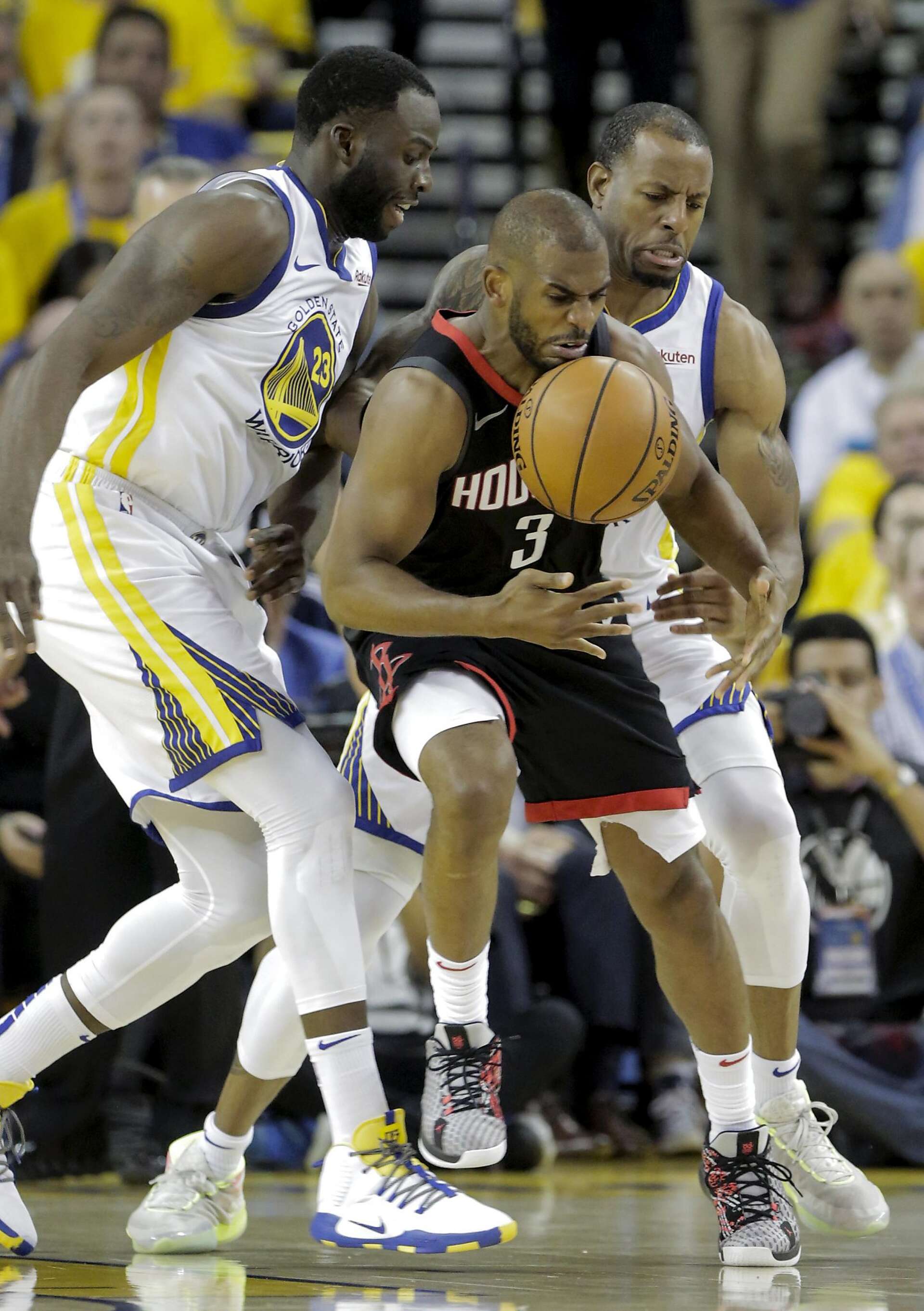
The 2015-16 Golden State Warriors finished the regular season with a 73-9 record, surpassing the 1995-96 Chicago Bulls for the best record in NBA history. While they seemed invincible, nine specific teams—the Milwaukee Bucks, Dallas Mavericks, Denver Nuggets, Detroit Pistons, Portland Trail Blazers, Los Angeles Lakers, San Antonio Spurs, Boston Celtics, and Minnesota Timberwolves—managed to crack the code and hand them a rare defeat.
In 2026, a decade after this historic run, the 73-9 season remains the gold standard for regular-season dominance. However, the nine losses provide a fascinating blueprint of how even the most efficient "Death Lineup" could be disrupted. To beat Golden State that year, teams needed a combination of physical interior play, exceptional individual scoring outbursts, and often, the benefit of a tired Warriors squad at the end of a grueling road trip.
The Context of the 73-9 Season
Before analyzing the losses, it is essential to understand the juggernaut that was the 2015-16 Warriors. Led by the first-ever unanimous MVP, Stephen Curry, and coached by Steve Kerr (with Luke Walton filling in for the first half of the season), the Warriors revolutionized the game with their "Pace and Space" philosophy.
They led the league in scoring (114.9 PPG), three-point percentage (41.6%), and assists (28.9 APG). Their small-ball lineup, featuring Draymond Green at center, allowed them to switch everything on defense and outrun traditional big men on offense. Beating them required nearly perfect execution or a statistical anomaly.
1. Milwaukee Bucks (December 12, 2015): Ending the 24-0 Start
The Warriors entered Milwaukee with a 24-0 record, the best start in the history of major American professional sports. However, they were playing the final game of a seven-game road trip and were coming off a double-overtime thriller against Boston the night before.
The Score: Bucks 108, Warriors 95 The Strategy: The Bucks used their length and youth to frustrate a fatigued Golden State team. Greg Monroe dominated the paint with 28 points and 11 rebounds, exposing the Warriors' lack of interior size when Andrew Bogut was limited. The Warriors shot a dismal 6-of-26 from three-point range. Milwaukee fans famously wore "24-1" shirts to the arena, manifesting the upset that ended the longest winning streak to start a season.
2. Dallas Mavericks (December 30, 2015): The Absence of Curry
This game serves as the primary evidence for those who argued that Stephen Curry was the sole engine of the Warriors' machine. Curry missed the game with a lower-left leg injury, and without his "gravity" to pull defenders away from the hoop, the Golden State offense stagnated.
The Score: Mavericks 114, Warriors 91 The Strategy: Dallas took full advantage of the missing MVP. J.J. Barea played like a superstar, scoring 23 points and hitting five three-pointers. The Mavericks dared Klay Thompson and Draymond Green to beat them without Curry’s playmaking. Golden State shot only 40.7% from the field. It remains one of the few times during the 73-9 run where the Warriors were never truly in the game.
3. Denver Nuggets (January 13, 2016): The Altitude and Turnovers
The Warriors were 36-2 heading into Denver. While Stephen Curry put up 38 points, the rest of the team struggled to find a rhythm.
The Score: Nuggets 112, Warriors 110 The Strategy: Denver utilized a high-tempo transition game to keep pace with Golden State. Danilo Gallinari scored 28 points, but the real story was the Warriors' 16 turnovers. In a game decided by two points, those extra possessions were the difference. The altitude in Denver often acts as a "trap" for teams on the second night of a back-to-back, and the Warriors fell victim to the physical toll of their own pace.
4. Detroit Pistons (January 16, 2016): The Defensive Masterclass
Just three days after the Denver loss, the Warriors suffered their most lopsided defeat of the season at the time.
The Score: Pistons 113, Warriors 95 The Strategy: Stan Van Gundy’s Pistons used a blueprint that many teams would try to replicate: extreme physicality. Kentavious Caldwell-Pope played legendary defense on Curry, holding him to 38% shooting. Meanwhile, Andre Drummond and Aron Baynes controlled the glass, out-rebounding the Warriors 51-38. Detroit proved that if you could bully the Warriors on the boards and prevent "Splash Brother" fast breaks, they were beatable.
5. Portland Trail Blazers (February 19, 2016): The Lillard Snub Game
Following the All-Star break, Damian Lillard felt slighted after being left off the All-Star roster. He took his frustration out on the defending champions in a historic scoring display.
The Score: Trail Blazers 137, Warriors 105 The Strategy: To beat the best shooting team in history, Portland simply outshot them. Damian Lillard scored 51 points, including nine three-pointers. The Blazers forced 20 Warriors turnovers and turned them into 31 points. This game was unique because Portland didn't try to slow the Warriors down; they played faster and more aggressively, handing Golden State their largest margin of defeat (32 points) during the 73-9 campaign.
6. Los Angeles Lakers (March 6, 2016): The Statistical Impossibility
This remains one of the greatest upsets in NBA regular-season history. The Lakers entered the game with a 12-51 record (.190), while the Warriors were 55-5 (.917).
The Score: Lakers 112, Warriors 95 The Strategy: There was no sophisticated tactical breakdown here; rather, it was a total shooting collapse by Golden State. Curry and Thompson combined to shoot 1-of-18 from three-point range. The young Lakers, led by Jordan Clarkson and D'Angelo Russell, played with loose energy and took advantage of a Warriors team that looked disinterested and complacent. This loss served as a reminder that even the greatest teams can lose to the worst teams if the shots don't fall.
7. San Antonio Spurs (March 19, 2016): The Clash of Titans
The Spurs were also having a historic season, ultimately finishing 67-15. This game was a preview of what many hoped would be the Western Conference Finals.
The Score: Spurs 87, Warriors 79 The Strategy: Gregg Popovich executed a defensive masterclass. The Spurs held the Warriors to their lowest point total of the season. By slowing the game to a crawl and using Kawhi Leonard to blanket the perimeter, San Antonio neutralized the Warriors' transition game. LaMarcus Aldridge provided 26 points and 13 rebounds, punishing the Warriors' small-ball lineups in the post.
8. Boston Celtics (April 1, 2016): Breaking the Oracle Streak
Before this game, the Warriors had won 54 consecutive regular-season home games at Oracle Arena.
The Score: Celtics 109, Warriors 106 The Strategy: Brad Stevens used his versatile wing players to switch every screen, a tactic the Warriors usually used on others. Isaiah Thomas scored 22 points, all in the second half. The Celtics’ backcourt of Avery Bradley and Marcus Smart provided relentless ball pressure on Curry. This loss was significant because it proved the Warriors were vulnerable even in their own building as the pressure of the 73-win chase began to mount.
9. Minnesota Timberwolves (April 5, 2016): The Late-Season Stumble
With the record of 72 wins in sight, the Warriors hosted a young Minnesota team in what was expected to be an easy victory.
The Score: Timberwolves 124, Warriors 117 (OT) The Strategy: The young core of Karl-Anthony Towns, Andrew Wiggins, and Zach LaVine refused to back down. After trailing by 17 points, the Timberwolves used their superior athleticism to dominate the fourth quarter and overtime. Shabazz Muhammad scored a career-high 35 points off the bench. The Warriors looked exhausted, having chased the Bulls' record for months, and their execution failed them in the closing minutes.
Summary of the 73-9 Warriors' Losses
| Date | Opponent | Final Score | Key Factor in Loss |
|---|---|---|---|
| Dec 12, 2015 | Milwaukee Bucks | 108-95 | Fatigue at end of 7-game road trip. |
| Dec 30, 2015 | Dallas Mavericks | 114-91 | Stephen Curry missed the game (injury). |
| Jan 13, 2016 | Denver Nuggets | 112-110 | High turnovers (16) and Denver altitude. |
| Jan 16, 2016 | Detroit Pistons | 113-95 | Rebounding deficit and physical defense. |
| Feb 19, 2016 | Portland Trail Blazers | 137-105 | Damian Lillard's 51-point outburst. |
| Mar 6, 2016 | L.A. Lakers | 112-95 | Warriors shot 1-of-18 from 3-point range. |
| Mar 19, 2016 | San Antonio Spurs | 87-79 | Tactical defense and slow pace. |
| Apr 1, 2016 | Boston Celtics | 109-106 | Ended 54-game home win streak; ball pressure. |
| Apr 5, 2016 | Minnesota Timberwolves | 124-117 (OT) | Blown 17-point lead; late-season fatigue. |
Lessons from the Nine Losses
Analyzing these nine games reveals that the Warriors were not beaten by a single style of play, but rather by specific circumstances.
The Fatigue Factor
Three of the nine losses (Milwaukee, Denver, and Minnesota) can be attributed at least partially to the grueling schedule or the mental fatigue of chasing 73 wins. The Warriors played at a higher "pace" than almost any team in history, which required immense cardiovascular conditioning. By April, the physical toll of the chase was evident in their late-game execution.
The "Gravity" of Stephen Curry
The loss to Dallas highlighted how much the Warriors' system relied on Curry's presence. Even when he wasn't scoring, his movement forced two defenders to follow him, opening lanes for others. Without him, the Mavericks were able to play a standard defensive shell that the rest of the Warriors' roster struggled to penetrate.
Physicality and Rebounding
Teams like Detroit and San Antonio proved that the "Death Lineup" could be neutralized if you forced them into a half-court physical battle. By dominating the offensive glass, these teams prevented Golden State from getting out in transition, which is where they were most dangerous.
Frequently Asked Questions
Did any team beat the 73-9 Warriors twice in the regular season?
No. All nine losses came against different opponents. The Warriors successfully avoided losing to the same team twice, which speaks to their ability to make adjustments throughout the season. However, they did lose multiple times to the Cleveland Cavaliers in the 2016 NBA Finals.
What was the Warriors' home record during the 73-9 season?
The Warriors finished 39-2 at Oracle Arena. Their only two home losses were to the Boston Celtics on April 1 and the Minnesota Timberwolves on April 5. Before the Boston game, they had a record-breaking 54-game home winning streak dating back to the previous season.
How many of the nine losses were back-to-back games?
Several of the losses occurred during back-to-back sets or at the end of long road trips. The most notable was the loss to the Milwaukee Bucks, which came less than 24 hours after a double-overtime game in Boston. This scheduling was a major factor in ending their 24-0 start.
Did the Warriors win the championship in the 73-9 season?
Despite the historic 73-9 regular-season record, the Warriors did not win the 2016 NBA Championship. They reached the Finals but lost to the Cleveland Cavaliers in seven games after leading the series 3-1. This remains the only time in NBA history a team has lost the Finals after leading 3-1.
Who was the leading scorer against the Warriors in their losses?
Damian Lillard holds the distinction of having the highest individual scoring game against the Warriors during their nine losses, dropping 51 points on February 19, 2016.
Final Recommendation for Sports Historians
When studying the 73-9 Warriors, it is vital to look beyond the final scores of these nine games and examine the box scores and tracking data. The losses to the Lakers and Timberwolves, in particular, highlight the high-variance nature of a three-point-heavy offense. For those analyzing modern NBA dynasties, these nine games serve as the ultimate case study in how "unbeatable" systems have specific, exploitable vulnerabilities—primarily fatigue, lack of interior depth, and over-reliance on a single offensive engine.