Type 2 diabetes mellitus is a chronic metabolic condition characterized by insulin resistance and relative insulin deficiency, making the identification of key risk factors vital for early prevention, timely screening, and effective lifestyle intervention to mitigate long-term health complications.
Navigating the landscape of metabolic health requires a clear understanding of why certain individuals are more susceptible to developing type 2 diabetes mellitus (T2DM) than others. While public health messaging frequently emphasizes general wellness, identifying the specific, evidence-backed triggers allows both clinicians and individuals to target interventions where they matter most. T2DM does not develop overnight; it is typically the culmination of genetic predispositions, physiological adaptations, and environmental exposures that slowly impair the body’s ability to process glucose.
Understanding these mechanisms is essential for moving past generalized anxiety about health and into proactive, informed risk management. Whether you are evaluating your own health trajectory or seeking to understand public health metrics, a structured look at the primary determinants of this condition provides a clear roadmap for prevention and care.
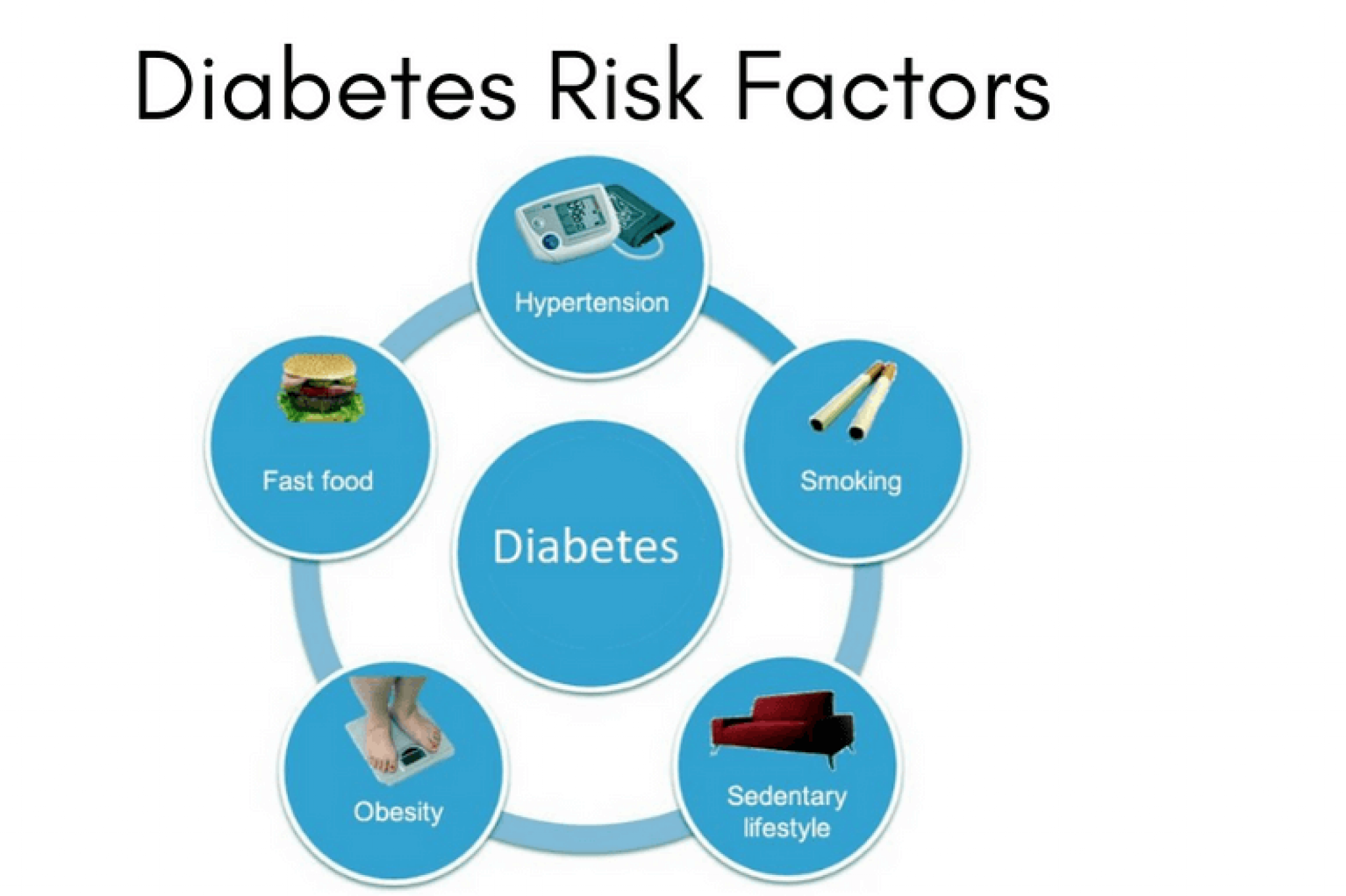
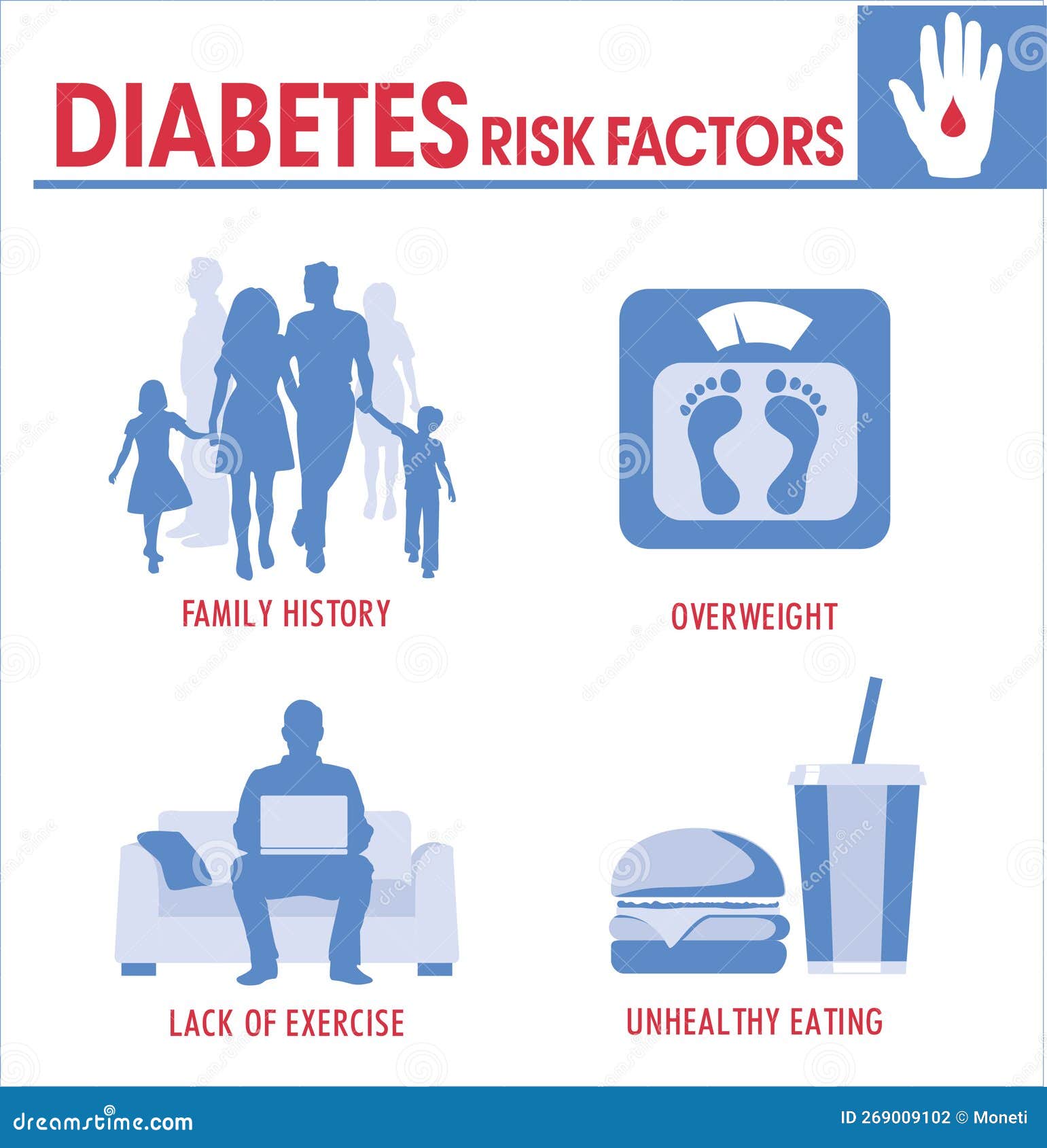
1. Overweight and Obesity Status
The accumulation of excess body fat, particularly visceral adiposity—fat stored deep within the abdominal cavity surrounding internal organs—serves as one of the most powerful catalysts for insulin resistance. Adipose tissue is not merely an inert storage depot for energy; it is a hormonally active endocrine organ.
When fat cells, particularly visceral fat cells, become enlarged, they release elevated levels of non-esterified fatty acids, inflammatory cytokines (such as tumor necrosis factor-alpha and interleukin-6), and hormones like resistin. These signaling molecules interfere with the insulin signaling cascade in skeletal muscle, the liver, and adipose tissue, blunting the cellular response to insulin.
To compensate for this peripheral resistance, the beta cells in the pancreatic islets must ramp up insulin production, hypersecreting the hormone to maintain euglycemia (normal blood glucose levels). Over time, this chronic overworking of the pancreas leads to beta-cell exhaustion and dysfunction.
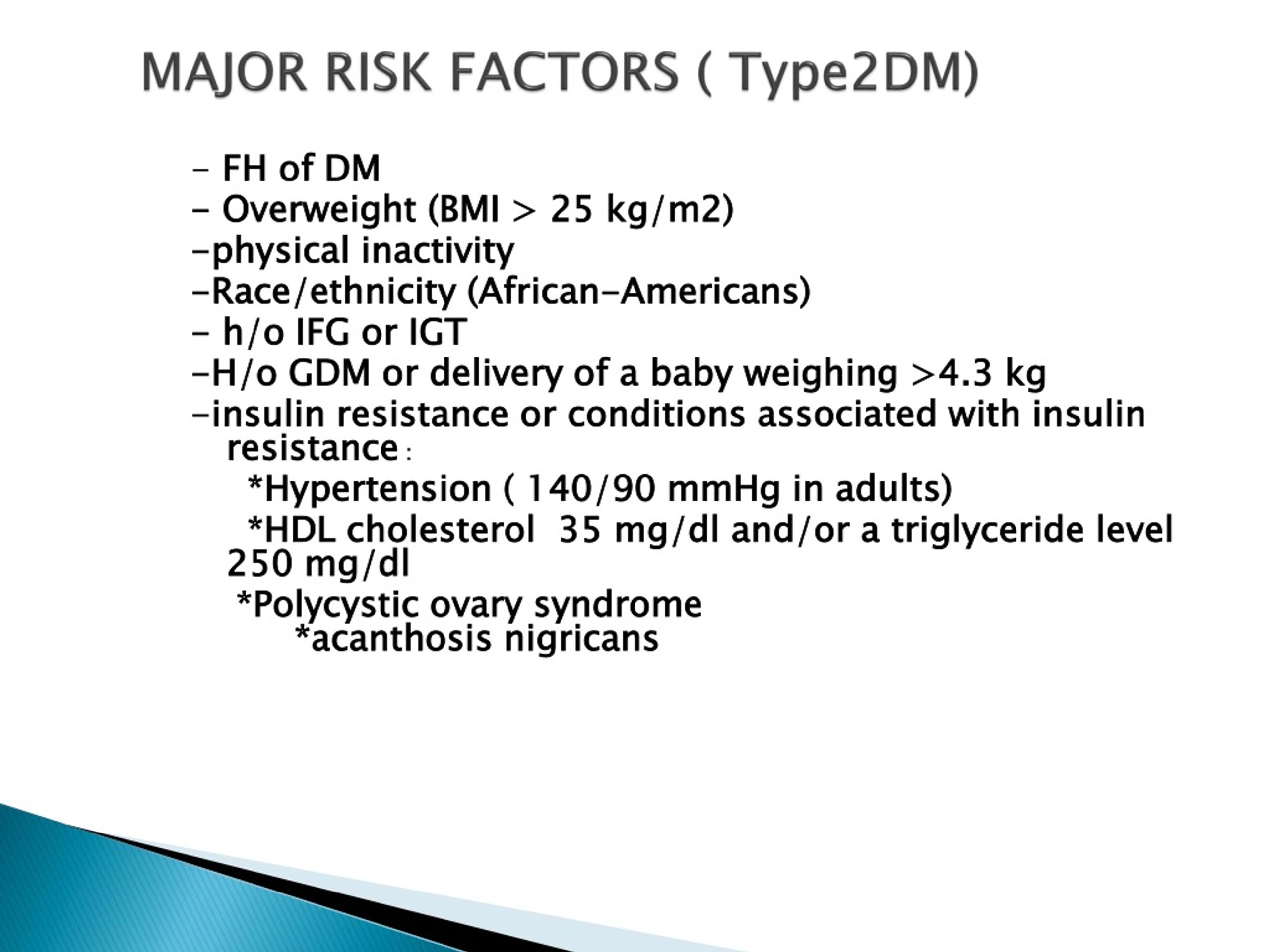
Clinical evaluation of this risk factor typically goes beyond simple scale weight, incorporating body mass index (BMI) thresholds, waist circumference measurements, and waist-to-hip ratios. A BMI of 25.0 to 29.9 kg/m² is classified as overweight, while a BMI of 30.0 kg/m² or higher indicates obesity. However, the distribution of fat is critically important: men with a waist circumference greater than 40 inches (102 cm) and non-pregnant women with a waist circumference greater than 35 inches (88 cm) face a substantially heightened risk of metabolic deterioration, regardless of their overall BMI.
2. Physical Inactivity and Sedentary Lifestyle
Regular physical activity is fundamentally intertwined with glucose homeostasis. When an individual leads a sedentary lifestyle—characterized by prolonged sitting and minimal skeletal muscle contraction—the body loses a major mechanism for glucose disposal.
Skeletal muscle is responsible for clearing the vast majority of postprandial (post-meal) glucose from the bloodstream. During physical contraction, muscle cells recruit glucose transporter type 4 (GLUT4) vesicles to the cell membrane through an insulin-independent pathway. This means that exercise can clear glucose from the blood even when insulin resistance is present.
Conversely, physical inactivity downregulates the expression of GLUT4 and reduces the capillary density within muscle tissue, diminishing the muscle's capacity to absorb glucose and utilize fatty acids. Furthermore, physical inactivity promotes weight gain and reduces high-density lipoprotein (HDL) cholesterol, compounding cardiovascular and metabolic risks.
Current public health guidelines from organizations such as the World Health Organization (WHO) recommend at least 150 to 300 minutes of moderate-intensity aerobic physical activity, or an equivalent combination of vigorous activity, per week, alongside muscle-strengthening activities on two or more days. Breaking up long periods of sitting with brief bouts of light movement can also improve acute post-meal glycemic responses.
3. Family History and Genetic Predisposition
Genetics plays a profound role in determining an individual's susceptibility to type 2 diabetes mellitus. Individuals who have a first-degree relative—such as a parent or sibling—diagnosed with T2DM face a significantly elevated risk compared to those with no family history.
Genome-wide association studies (GWAS) have identified hundreds of genetic loci associated with an increased risk of T2DM. Many of these genes regulate beta-cell development, insulin secretion, cellular insulin signaling pathways, and body fat distribution. For instance, variations in genes such as TCF7L2 have been consistently linked to impaired insulin secretion and an accelerated progression from prediabetes to overt diabetes.
However, genetic risk is rarely deterministic; it interacts dynamically with environmental factors. An individual with a strong genetic predisposition who maintains a healthy body weight, eats a nutrient-dense diet, and exercises regularly can often delay or entirely prevent the onset of the disease. Conversely, someone with low genetic risk can still develop T2DM in the presence of severe obesity and chronic physical inactivity. Recognizing a family history serves as an early warning system, prompting earlier screening and heightened vigilance regarding modifiable lifestyle factors.
4. Age and Demographic Factors
The risk of developing type 2 diabetes mellitus increases progressively with advancing age. While T2DM was once considered exclusively an adult-onset disease, rising rates of pediatric obesity have shifted diagnostic demographics; however, the vast majority of diagnoses still occur in middle-aged and older adults.
Advancing age is accompanied by natural physiological changes known as cellular senescence. Older adults commonly experience a decline in lean muscle mass (sarcopenia) and an increase in total body fat, particularly intra-abdominal fat. This body composition shift naturally promotes insulin resistance.
Furthermore, aging is associated with a progressive decline in pancreatic beta-cell function and reduced mitochondrial efficiency within cells. These age-related changes mean the body becomes less efficient at processing glucose loads over time.
In addition to chronological age, specific racial and ethnic groups experience a disproportionately higher burden of T2DM. Epidemiological data from public health institutions consistently show that individuals of non-white descent—including Black, Hispanic/Latino, Asian, Indigenous/American Indian, and Pacific Islander populations—face a higher risk of developing the condition at lower BMI thresholds compared to white populations. This disparity is driven by a complex interplay of genetic variations, cultural dietary patterns, socioeconomic factors, and systemic barriers to healthcare access.
5. History of Gestational Diabetes Mellitus or Polycystic Ovary Syndrome
Certain sex-specific endocrine conditions drastically elevate the lifetime risk of developing type 2 diabetes mellitus. Women who experienced gestational diabetes mellitus (GDM) during pregnancy carry a substantially elevated risk for subsequent T2DM.
GDM is characterized by high blood glucose levels first recognized during pregnancy, typically driven by the natural placental hormones that induce insulin resistance in the mother. While blood glucose levels usually return to normal after delivery, the metabolic stress of pregnancy unmasked an underlying vulnerability in pancreatic beta-cell reserve or peripheral insulin sensitivity. Studies indicate that up to 50% of women with a history of GDM will develop T2DM later in life, making postpartum and lifelong glycemic monitoring a critical clinical priority.
Similarly, Polycystic Ovary Syndrome (PCOS)—a common endocrine disorder affecting people assigned female at birth—is tightly linked to metabolic dysfunction. PCOS is characterized by hyperandrogenism (excess male hormones), chronic ovulatory dysfunction, and polycystic ovaries.
A core pathophysiological feature of PCOS is intrinsic insulin resistance, which occurs independently of, but is often worsened by, obesity. High circulating levels of insulin stimulate the ovaries to produce excess androgens, worsening both the reproductive and metabolic manifestations of the syndrome. Consequently, individuals with PCOS face a markedly higher risk of developing impaired glucose tolerance and type 2 diabetes mellitus throughout their life span.
6. Prediabetes and Impaired Glucose Metabolism
Prediabetes is not merely a risk factor in the traditional sense; it is an intermediate clinical state wherein blood glucose levels are higher than normal, but not yet high enough to meet the diagnostic criteria for type 2 diabetes mellitus.
It encompasses conditions known as impaired fasting glucose (IFG), impaired glucose tolerance (IGT), or an elevated glycated hemoglobin (HbA1c) level. Specifically, an HbA1c between 5.7% and 6.4%, a fasting plasma glucose of 100 to 125 mg/dL (5.6 to 6.9 mmol/L), or an oral glucose tolerance test 2-hour blood glucose reading of 140 to 199 mg/dL (7.8 to 11.0 mmol/L) indicates prediabetes.
Individuals with prediabetes are on a direct continuum toward T2DM. Pathophysiologically, prediabetes reflects a tipping point where peripheral insulin resistance has progressed to a degree that the pancreatic beta cells can no longer secrete sufficient insulin to maintain normal glucose homeostasis.
Without targeted interventions—such as structured lifestyle modification programs focusing on weight loss and physical activity, or pharmacological agents like metformin in high-risk patients—a significant percentage of individuals with prediabetes will progress to a full T2DM diagnosis within a few years. Regular screening via blood tests is essential for catching this window of opportunity.
7. Atherogenic Dyslipidemia and Hypertension
Cardiovascular health markers are deeply intertwined with metabolic health, serving as both consequences and amplifiers of insulin resistance. Atherogenic dyslipidemia—a specific lipid triad characterized by elevated serum triglycerides, low levels of high-density lipoprotein (HDL) cholesterol, and an increased proportion of small, dense low-density lipoprotein (LDL) particles—is a hallmark metabolic abnormality closely linked to T2DM.
Insulin plays a vital regulatory role in lipid metabolism, inhibiting lipolysis in adipose tissue and suppressing the liver's production of very-low-density lipoproteins (VLDL). When insulin resistance develops, this regulatory braking system fails. The liver is flooded with free fatty acids, leading to an overproduction of triglyceride-rich VLDLs.
Concurrently, high triglyceride levels interact with HDL and LDL particles via cholesterol ester transfer protein, resulting in HDL depletion and the formation of atherogenic small, dense LDL particles that easily penetrate arterial walls.
Hypertension (high blood pressure) frequently co-occurs with dyslipidemia and insulin resistance, forming the cornerstone of metabolic syndrome. Insulin resistance induces systemic vascular inflammation, increases renal sodium reabsorption, and enhances sympathetic nervous system activity, all of which elevate blood pressure.
The presence of hypertension and dyslipidemia not only signals an underlying metabolic disturbance that heightens the risk of type 2 diabetes mellitus, but also massively increases the risk of macrovascular complications, such as myocardial infarction and stroke, if left unmanaged.
Comparative Analysis of Type 2 Diabetes Risk Factors
To effectively prioritize prevention strategies, it helps to examine how these seven risk factors compare across modifiability, biological impact, and detection methods.
| Risk Factor | Primary Nature | Modifiability | Key Diagnostic / Assessment Metric | Relative Impact on T2DM Risk |
|---|---|---|---|---|
| Overweight & Obesity | Physiological / Anatomical | Modifiable | BMI $\ge 25.0$ kg/m²; Waist circumference | Very High |
| Physical Inactivity | Behavioral | Modifiable | $<150$ mins moderate activity/week | High |
| Family History | Genetic | Non-modifiable | First-degree relative with T2DM | Moderate to High |
| Age & Demographics | Demographic / Biological | Non-modifiable | Age $\ge 35$ years; High-risk ethnicity | Moderate |
| GDM / PCOS History | Endocrine / Obstetric | Partially Modifiable | Prior GDM diagnosis or PCOS status | High |
| Prediabetes Status | Metabolic | Modifiable | HbA1c 5.7%–6.4%; Fasting glucose 100–125 mg/dL | Very High (Direct Precursor) |
| Dyslipidemia & Hypertension | Vascular / Metabolic | Modifiable | Triglycerides $\ge 150$ mg/dL; BP $\ge 130/80$ mmHg | High |
Frequently Asked Questions
Can type 2 diabetes mellitus be completely prevented if risk factors are present?
While non-modifiable risk factors like genetics and age cannot be altered, lifestyle interventions can often prevent or significantly delay the onset of type 2 diabetes mellitus. Large-scale clinical studies, such as the Diabetes Prevention Program, demonstrated that intensive lifestyle modifications—achieving a 5% to 7% reduction in body weight and engaging in regular physical activity—reduced the development of T2DM by 58% in high-risk individuals with prediabetes, outperforming pharmacological interventions alone.
How often should adults be screened for prediabetes and type 2 diabetes?
Current clinical guidelines from the American Diabetes Association recommend screening all adults starting at age 35, or earlier if they have additional risk factors such as overweight/obesity combined with a family history, high-risk ethnicity, history of gestational diabetes, or hypertension. If screening results are normal, testing should be repeated at a minimum of every three years, or more frequently if risk status changes or prediabetes is detected.
What is the difference between insulin resistance and insulin deficiency?
Insulin resistance occurs when cells in skeletal muscle, fat, and the liver fail to respond effectively to normal circulating levels of insulin, requiring the pancreas to pump out higher amounts of the hormone. Insulin deficiency, by contrast, occurs when the pancreatic beta cells become exhausted or damaged over time, failing to produce adequate amounts of insulin. Type 2 diabetes begins with profound insulin resistance accompanied by compensatory hyperinsulinemia, but gradually transitions into relative insulin deficiency as beta-cell function declines.
Are thin or normal-weight individuals immune to type 2 diabetes?
No. While obesity is a major risk factor, normal-weight individuals can still develop type 2 diabetes. This phenomenon is often referred to as "metabolically obese normal weight" (MONW) or lean diabetes. It is typically driven by a combination of strong genetic predisposition, high visceral fat mass relative to total weight (often termed "skinny fat"), poor dietary quality, physical inactivity, or underlying beta-cell dysfunction.
What role does diet play in managing these risk factors?
Dietary patterns directly influence insulin sensitivity, body weight, and systemic inflammation. Diets high in ultra-processed foods, refined carbohydrates, and sugary beverages provoke rapid blood glucose spikes and promote visceral fat accumulation. Conversely, adopting a nutrient-dense dietary pattern rich in dietary fiber, whole grains, lean proteins, and healthy fats (such as the Mediterranean diet) improves glycemic control, supports sustainable weight management, and reduces cardiovascular risk markers.
Next Steps and Professional Guidance
Recognizing these seven key risk factors is the first critical step toward long-term metabolic health. If you identify with one or more of these risk factors—particularly if you have a family history, carry excess abdominal weight, or lead a sedentary life—schedule an appointment with a primary care physician or endocrinologist. Request a formal metabolic panel, including a fasting blood glucose test or an HbA1c assay, to establish your baseline glycemic status. Armed with objective data, you can collaborate with healthcare professionals to implement personalized nutritional, physical activity, and medical strategies designed to protect your metabolic future.