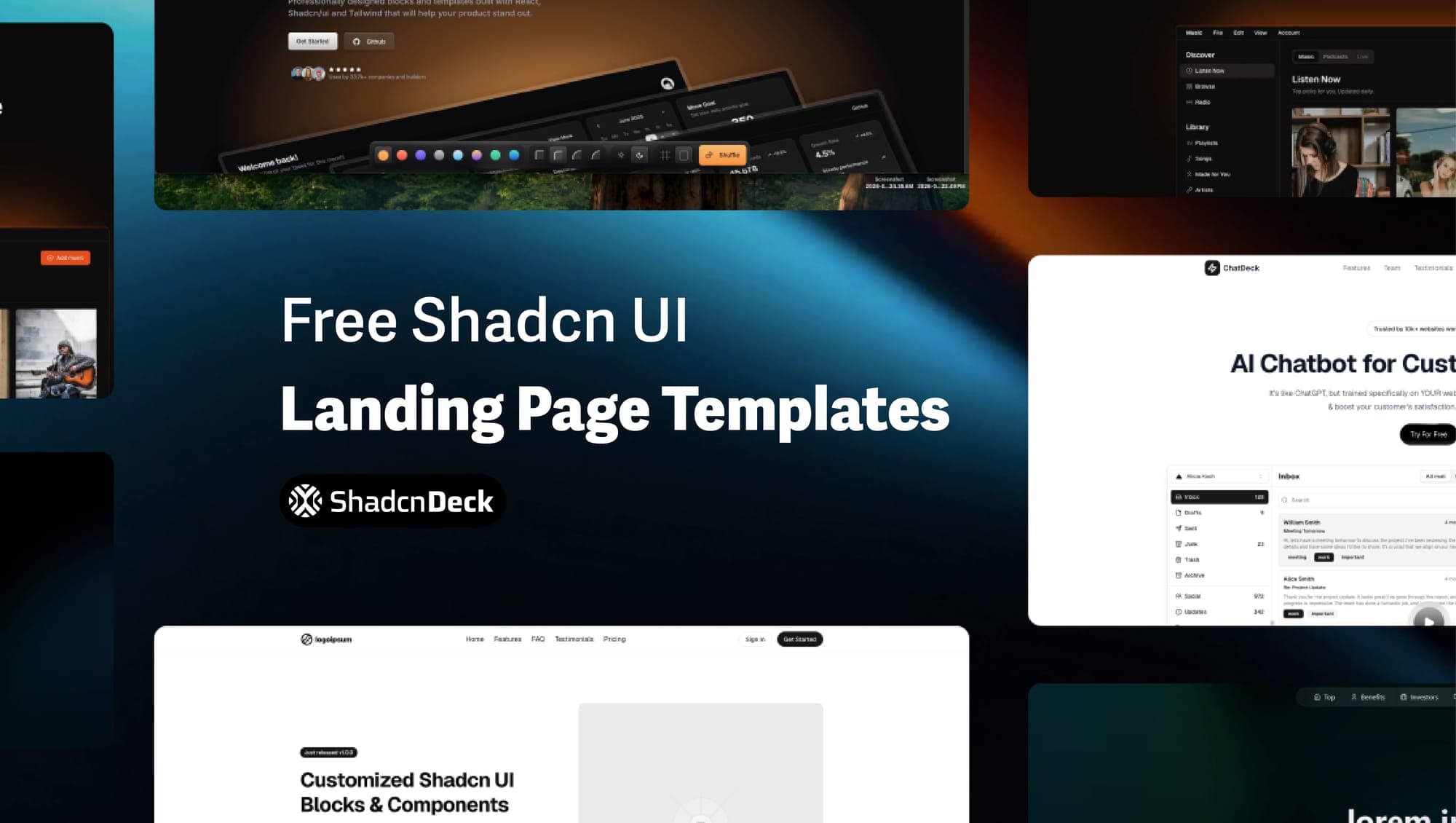
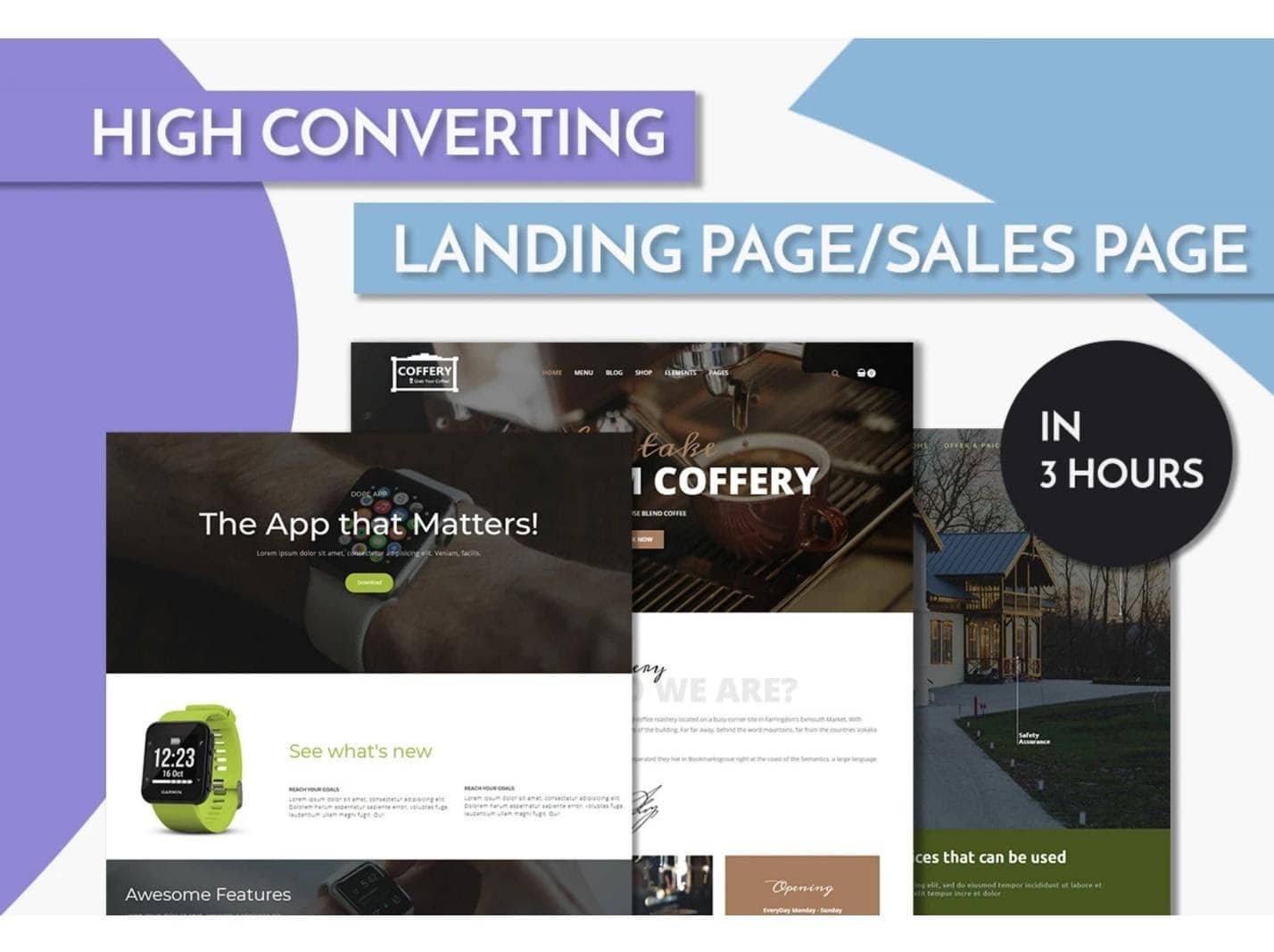
Selecting the right layout structure streamlines conversion rate optimization by matching user intent with immediate call-to-action pathways, reducing bounce rates, and eliminating friction in digital marketing funnels.
Choosing the ideal layout structure for a digital marketing campaign requires balancing visual hierarchy, user experience (UX), and conversion rate optimization (CRO) principles. In modern digital ecosystems, a landing page must instantly communicate value within the first three seconds of a visitor arriving. Whether driving software-as-a-service (SaaS) sign-ups, capturing lead generation data for high-ticket B2B consulting, or launching a physical consumer product, the underlying structural template dictates how effectively visitors absorb information and execute the desired action.
The digital marketing landscape requires frameworks that load efficiently, adapt seamlessly to diverse viewport sizes, and integrate natively with modern analytics and customer relationship management (CRM) tools. This guide examines the top seven landing page templates tailored for distinct conversion goals, analyzing their structural anatomy, optimal use cases, and underlying psychological triggers.
1. The SaaS Product Demonstration Template
Software-as-a-service providers face a unique conversion challenge: explaining intangible digital solutions quickly and compellingly. The SaaS product demonstration template focuses on showing, rather than just telling, what the software accomplishes.
Structural Anatomy and Key Elements
This template places a high-definition product video or an interactive micro-animation directly above the fold, adjacent to a benefit-driven headline. Below this primary viewing area, the layout incorporates a streamlined email submission form or a frictionless "Start Free Trial" button that minimizes required fields—typically asking only for an email address or single sign-on (SSO) authentication.
Subsequent sections utilize a three-column feature grid that translates complex technical specifications into user-centric benefits. Social proof is heavily integrated, featuring recognizable client logos, quantifiable metrics (e.g., "Reduced deployment time by 42%"), and concise customer testimonials.
Ideal Use Cases and Performance Drivers
- B2B Software Platforms: Ideal for applications requiring user onboarding or sandbox environments.
- Freemium Mobile Applications: Useful for driving direct app store downloads or web-based account creation.
- Complex Enterprise Solutions: Effective when paired with a secondary call-to-action for scheduling a live, personalized walkthrough with a sales representative.
2. The Lead Generation and E-Book Download Template
Content marketing campaigns and top-of-funnel acquisition strategies rely on exchanging high-value digital assets for user contact information. The lead generation template removes navigational distractions to maximize conversion focus.
Structural Anatomy and Key Elements
Designed with a strict single-column or split-screen focal point, this layout eliminates headers, footers, and sidebars to prevent user drop-off. The left column features a compelling mock-up of the downloadable asset—such as an industry whitepaper, research report, or comprehensive checklist—alongside bullet points detailing the exact insights inside.
The right column houses a clean, vertical form interface. Best practices for this template include limiting input fields to name and business email unless specific qualification data is strictly necessary for sales teams.
Ideal Use Cases and Performance Drivers
- B2B Lead Generation: Excellent for building targeted email lists through gated research reports.
- Webinar and Virtual Event Registrations: Simplifies the sign-up process while capturing attendee data and scheduling preferences.
- Professional Services: Perfect for offering free assessments, architectural audits, or regulatory compliance guides.
3. The E-Commerce Product Launch Template
When introducing a new physical product, limited-edition collection, or direct-to-consumer (D2C) innovation, the landing page must evoke desire while instilling purchase confidence.
Structural Anatomy and Key Elements
This template leads with immersive, high-resolution imagery or cinematic video loops showcasing the product in use. Pricing, color swatches, and size selectors are positioned prominently near an unmistakable "Add to Cart" or "Buy Now" button.
Further down the page, modular layout blocks highlight core unique selling propositions (USPs), such as material quality, sustainability certifications, or warranty guarantees. User-generated content, including Instagram embeds and unboxing reviews, establishes authenticity and trust.
Ideal Use Cases and Performance Drivers
- Crowdfunded Product Releases: Helps build early reservation lists and secure pre-order capital.
- D2C Brand Flagship Launches: Centers attention on a single hero product rather than an overwhelming catalog.
- Seasonal Promotional Campaigns: Directs paid traffic from social media advertisements straight to a high-converting transactional endpoint.
4. The Event and Webinar Registration Template
Time-sensitive events require urgency, clear scheduling details, and frictionless registration mechanics to maximize attendance rates.
Structural Anatomy and Key Elements
The hero section of an event template features a countdown timer displaying days, hours, and minutes until broadcast or doors open. Key logistical details—date, time zone, duration, and featured speakers—are presented in scannable badge formats.
Speaker bios with headshots and professional credentials build authority, while an agenda breakdown reassures attendees of the value they will receive. The registration form is anchored near both the top and bottom of the page to capture intent at multiple scrolling depths.
Ideal Use Cases and Performance Drivers
- Live Webinars and Masterclasses: Captures sign-ups and automatically triggers calendar integration links.
- Virtual Summits and Conferences: Manages multi-track schedules and speaker directories cleanly.
- In-Person Workshops and Seminars: Integrates location maps, venue details, and ticketing modules seamlessly.
5. The High-Ticket Consulting and Services Template
Selling high-value advisory, agency, or professional services requires a sophisticated approach that filters unqualified leads while nurturing high-value prospects.
Structural Anatomy and Key Elements
Instead of driving immediate transactional checkouts, this template focuses on building authority and initiating a conversation. The hero section addresses a specific pain point experienced by decision-makers, followed by a detailed breakdown of the provider's proprietary methodology or framework.
Case studies with verifiable return-on-investment (ROI) data serve as the cornerstone of the layout. The primary conversion mechanism is typically an embedded calendar booking widget—such as Calendly or HubSpot Meetings—allowing qualified prospects to schedule a discovery call directly.
Ideal Use Cases and Performance Drivers
- Agency and Enterprise Consulting: Filters out low-budget inquiries by establishing high professional positioning.
- Financial and Legal Advisory: Communicates trust, regulatory compliance, and proven track records.
- Coaching and Mastermind Programs: Outlines program curriculum, prerequisites, and application criteria.
6. The Local Business and Service-Area Template
Local service providers—such as contractors, legal practices, medical clinics, and home repair services—depend heavily on mobile responsiveness and immediate geographic relevance.
Structural Anatomy and Key Elements
The local business template prioritizes contact accessibility above the fold. A click-to-call phone number, physical address, and operating hours are immediately visible to mobile users. Trust elements such as Google review ratings, Better Business Bureau (BBB) accreditation, and localized licensing credentials are prominently displayed.
The layout features a brief service description, transparent pricing guidelines or financing options, and a simple contact form requesting project details and preferred service dates.
Ideal Use Cases and Performance Drivers
- Home Improvement and Contracting: Captures emergency repair requests or renovation estimate inquiries.
- Medical and Dental Practices: Facilitates appointment requests and insurance compatibility checks.
- Legal and Accounting Firms: Encourages confidential consultations for local clientele.
7. The Mobile-First App Download Template
With mobile traffic dominating global web usage, campaigns driving smartphone app installations require ultra-lean, rapid-loading structures.
Structural Anatomy and Key Elements
This vertical layout strips away extraneous desktop clutter. The hero section displays the application interface within a smartphone mockup, accompanied by app store badges for Apple iOS and Google Play.
Key features are highlighted using swipeable carousels or vertical accordion menus. Social proof includes star ratings, download milestones, and quotes from notable tech publications. Smart routing scripts automatically direct iOS users to the App Store and Android users to Google Play based on user-agent detection.
Ideal Use Cases and Performance Drivers
- Consumer Utility and Lifestyle Apps: Drives direct mobile conversions from social media advertising networks.
- Mobile Gaming Releases: Showcases gameplay trailers and immersive graphics to capture gamer interest.
- Fintech and Banking Applications: Emphasizes bank-grade security protocols alongside user-friendly interface previews.
Comparative Overview of Landing Page Templates
| Template Type | Primary Conversion Goal | Core Structural Element | Ideal Target Audience |
|---|---|---|---|
| SaaS Product Demo | Free trials, software sign-ups | Product video / Feature grid | B2B decision-makers, developers |
| Lead Generation | E-book/Whitepaper downloads | Split-screen form / Asset mockup | Marketers, researchers, professionals |
| E-Commerce Launch | Direct product purchases | High-res imagery / Buy CTA | Consumers, D2C shoppers |
| Event Registration | Webinar/Conference sign-ups | Countdown timer / Speaker bios | Professionals, learners, attendees |
| Consulting/Services | Discovery call bookings | Methodology breakdown / Calendar embed | Enterprise executives, founders |
| Local Business | Phone calls, service inquiries | Click-to-call / Local reviews | Local homeowners, patients, clients |
| Mobile App Download | App store installations | Smartphone mockups / Store badges | Smartphone users, mobile gamers |
Essential Best Practices for Implementing Templates in 2026
Deploying any of these templates requires adherence to technical and psychological optimization standards. Speed remains a critical ranking and conversion factor; pages must achieve sub-second load times by compressing media assets and leveraging modern content delivery networks (CDNs).
Furthermore, accessibility compliance (WCAG standards) ensures that all users, regardless of physical ability, can navigate forms, read high-contrast typography, and interact with calls to action. Continuous A/B testing of headlines, button colors, and form lengths provides empirical data to refine conversion rates over time.
Frequently Asked Questions
What is the most critical element of a high-converting landing page?
The most critical element is a clear, concise value proposition paired with a single, frictionless call-to-action above the fold. Visitors must immediately understand what value you offer and what specific action they need to take next without scrolling or deciphering confusing messaging.
How many form fields should a lead generation landing page include?
You should include only the minimum number of fields necessary to qualify the lead. For top-of-funnel assets like e-books, asking only for an email address maximizes conversion volume. For high-ticket consulting, adding targeted qualifying questions helps filter out unqualified prospects before sales engagement.
Should I include external navigation links on my landing page?
No. Standard website navigation menus should be removed entirely from dedicated landing pages. Providing outbound links introduces exit points that distract users from the primary conversion objective and significantly reduces campaign conversion rates.
How do I ensure my landing page performs well on mobile devices?
Prioritize mobile-first design by utilizing responsive layouts, compressed image formats, single-column stacking, and touch-friendly CTA buttons with adequate padding. Test page load speeds and interactive form elements across multiple device viewports before launching paid traffic.
What is the difference between a homepage and a landing page?
A homepage serves as a broad directory for an entire brand, catering to diverse user intents with multiple navigation paths. A landing page is a standalone, focused web property designed for a specific campaign, traffic source, and singular conversion goal.
Next Actions and Implementation Strategy
Begin your optimization workflow by auditing your current conversion funnel to identify where users drop off. Select the template from this guide that aligns most closely with your immediate business objective. Customize the framework with authentic social proof, concise copy, and rapid-loading media assets, then establish an A/B testing schedule to measure iterative improvements in your conversion metrics.