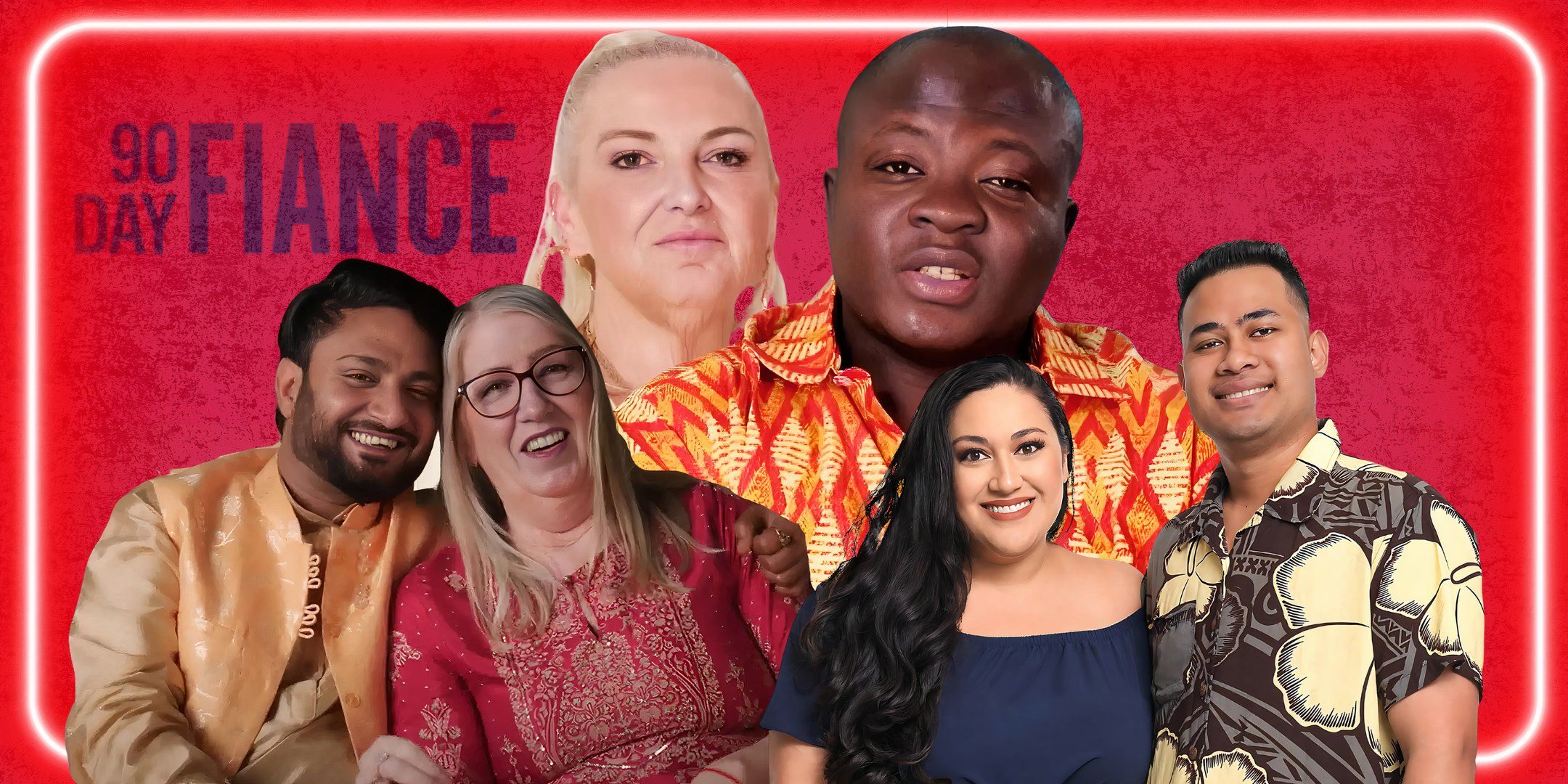
Since its inception, the 90 Day Fiancé franchise has frequently featured the Philippines as a primary location for international romance. Among the many couples, six Filipina cast members—Rosemarie Vega, Sheila Mangubat, Mary Demasu-ay, Hazel Cagalitan, Daya De Arce, and Aika Atienza—have stood out for their compelling stories, cultural representation, and varied paths following their television debuts.
The Philippines has long been a focal point for the TLC series due to the high volume of K-1 visa applications originating from the archipelago. While some stories highlight the challenges of economic disparity and cultural misunderstandings, others showcase successful long-term marriages. As of 2026, these six women represent a broad spectrum of the "90 Day" experience, ranging from social media superstardom to quiet, private lives in the United States.
1. Rosemarie "Rose" Vega (Before the 90 Days, Season 4)
Rosemarie Vega is arguably the most famous Filipina to ever appear in the franchise. Her journey began on Season 4 of 90 Day Fiancé: Before the 90 Days, where she was introduced as the partner of Ed "Big Ed" Brown. Their relationship was characterized by significant tension, largely due to Ed’s lack of cultural sensitivity and his public criticisms of Rose’s living conditions in Caloocan.
The Turning Point
Rose’s popularity skyrocketed not because of her relationship, but because of her decision to end it. In a franchise where many cast members are accused of staying in difficult relationships for a Green Card, Rose’s refusal to tolerate Ed’s behavior resonated with a global audience. Her famous line, "I like the view," and her firm "No" to Ed’s demands became viral moments that defined her season.
Life as of 2026
By 2026, Rosemarie has successfully transitioned from a reality TV participant to a powerhouse entrepreneur and digital creator. She leveraged her platform to renovate her family home, open a grocery store (Rose’s Store), and launch a career as a high-fashion model. Her YouTube channel, which chronicles her life as a single mother to her son, Prince, remains a significant source of income and inspiration. She is widely cited as the ultimate "success story" for those who prioritize self-respect over a visa.
2. Sheila Mangubat (Before the 90 Days, Season 6)
Sheila Mangubat’s story is often cited by fans as one of the most genuine and emotionally raw in the history of the show. Appearing alongside David Dangerfield, a deaf American, Sheila’s journey focused on the intersection of disability, poverty, and profound grief.
Communication and Tragedy
Unlike many couples who rely on translation apps, David and Sheila worked hard to communicate through American Sign Language (ASL) and physical cues. Their season took a tragic turn when Sheila’s mother passed away shortly after David arrived in the Philippines, due to an accident involving the dilapidated state of their family home in Cebu. The raw portrayal of Sheila’s mourning and David’s supportive role provided a level of authenticity rarely seen in modern reality television.
Post-Show Stability
As we look at their status in 2026, Sheila and David have remained one of the franchise's most beloved couples. Their story highlighted the extreme poverty in certain regions of the Philippines without sensationalizing it. Instead, it focused on David’s efforts to help Sheila rebuild her home and the couple’s steps toward a permanent life together. Sheila’s resilience and her dedication to her son, Jhonreil, continue to be central themes of her public updates.
3. Mary Demasu-ay (Before the 90 Days, Season 6)
Mary Demasu-ay appeared alongside Brandan De Nuccio in what became one of the most controversial and talked-about storylines of 2023. Their relationship was defined by extreme jealousy and a "24/7" FaceTime habit, where the two stayed on a video call even while sleeping or using the bathroom.
Challenges in Candoni
The couple’s story took place in Candoni, Negros Occidental, where Brandan moved to be with Mary. Their narrative was fraught with financial struggles, family tension, and Mary’s admission of "faking" certain situations to keep Brandan’s attention. Despite the toxic dynamics portrayed on screen, the couple eventually married and welcomed a daughter.
Public Perception and 2026 Status
By 2026, Mary’s journey has been marked by several public relations challenges, including controversies regarding medical fundraising efforts that were met with skepticism by the fanbase. However, she and Brandan remain together, documenting their rural life in the Philippines. Their story serves as a cautionary tale about the pressures of "digital-age" relationships and the complexities of moving to a remote area with limited resources.
4. Hazel Cagalitan (Before the 90 Days, Season 2; Season 8)
Hazel Cagalitan’s story evolved significantly over several seasons. Initially appearing with Tarik Myers, she was portrayed as a quiet, reserved woman from Manila looking for a better life for her son, Harlow. However, as her story progressed, she became one of the first cast members to openly discuss her bisexuality and her desire for a polyamorous relationship.
The Search for a "Third"
In Season 8 of the main series, Hazel moved to Virginia Beach to be with Tarik. The central conflict of their marriage was their shared search for a girlfriend to join their relationship, a journey that led to significant jealousy and misunderstandings. This storyline was groundbreaking for the franchise, as it moved beyond the standard "culture clash" and explored modern relationship structures within the context of a K-1 visa.
Family Reunification
As of 2026, Hazel’s primary focus has shifted toward her son. A significant portion of her journey involved the legal and logistical hurdles of bringing Harlow from the Philippines to the United States. Her story highlights the "long game" many Filipina migrants play—securing their own status first before they can realistically bring their children over to join them.
5. Daya De Arce (Season 2)
Daya De Arce is a "legacy" cast member, appearing in the very early days of the show (Season 2). Her relationship with Brett Creaser was initially met with skepticism by Brett’s family, particularly his mother, who was concerned about Daya’s intentions and her perceived "bossiness" regarding her engagement ring.
Building a Life in Washington
Daya’s story is a classic example of the K-1 visa process working as intended. While her initial episodes focused on the friction between her and Brett’s family, she eventually won them over with her work ethic and commitment to Brett and his daughter from a previous marriage. Daya and Brett eventually welcomed their own daughter, Isabella, in 2017.
Current Status in 2026
In 2026, Daya and Brett are celebrated as one of the most stable couples in the entire franchise. They have largely stepped away from the reality TV spotlight, choosing to raise their family in Washington state. Daya’s journey illustrates that while the cameras focus on drama, many Filipina cast members successfully integrate into American life and build lasting, low-drama marriages.
6. Aika Atienza (Season 5)
Aika Atienza appeared in Season 5 with Josh Batterson. Their relationship was immediate and intense, sparked by a chance meeting while Josh was on vacation. Aika moved from Quezon City to Mesa, Arizona, where she faced immediate pressure from Josh’s friends and family, who questioned the speed of their engagement.
The Vasectomy Conflict
The most significant hurdle in Aika and Josh’s relationship was their disagreement over children. Aika, who was in her mid-30s during filming, was eager to start a family, only to discover that Josh had previously undergone a vasectomy and was hesitant about the costs and risks of a reversal. This conflict provided a realistic look at the biological and financial pressures facing older couples on the show.
Life in Arizona
As of 2026, Aika and Josh remain married. They have become enthusiasts of the "outdoor lifestyle," frequently posting about their travels and adventures across the United States. While they have remained relatively quiet about the specifics of their family planning, their continued marriage (now nearly a decade long) defies the early predictions made by skeptics during their season.
Comparative Overview of Cast Journeys
The following table summarizes the key details of these six women, highlighting the diversity of their experiences within the franchise.
| Cast Member | Original Season | Partner | Current Location (2026) | Primary Theme |
|---|---|---|---|---|
| Rosemarie Vega | Before 90 Days S4 | Ed Brown | Philippines | Entrepreneurship & Independence |
| Sheila Mangubat | Before 90 Days S6 | David Dangerfield | Philippines/USA (Transitional) | Resilience & Disability Awareness |
| Mary Demasu-ay | Before 90 Days S6 | Brandan De Nuccio | Philippines | Digital Jealousy & Rural Life |
| Hazel Cagalitan | Before 90 Days S2 | Tarik Myers | United States | Bisexuality & Family Reunification |
| Daya De Arce | Season 2 | Brett Creaser | United States | Long-term Integration & Family |
| Aika Atienza | Season 5 | Josh Batterson | United States | Biological Clock & Lifestyle Vlogging |
Cultural and Economic Context
The frequency of Filipina cast members on 90 Day Fiancé is not accidental. According to the U.S. Department of State, the Philippines consistently ranks among the top countries for K-1 visa issuance. This is driven by several factors, including the widespread use of the English language in the Philippines, a culture that values hospitality and family, and the economic reality of the "OFW" (Overseas Filipino Worker) phenomenon.
The Role of "Balikbayan" Culture
Many of these women, such as Rosemarie and Mary, demonstrate the "Balikbayan" spirit—the desire to give back to one's family and community. In Rose’s case, her success was measured not by her move to the U.S. (which never happened), but by her ability to build a concrete home for her father and son. This cultural nuance is often missed by American audiences who assume the "ultimate prize" is a Green Card.
Communication Challenges
While English is an official language in the Philippines, the show often highlights the "Taglish" (Tagalog-English) hybrid and the nuances of communication. In Sheila’s case, the layer of ASL added a profound level of complexity. These stories serve as a reminder that even when a language is shared, cultural expectations regarding money, privacy, and family involvement can create significant friction.
Frequently Asked Questions
Why are there so many Filipina cast members on 90 Day Fiancé?
The Philippines has a large population of English speakers and a long history of cultural exchange with the United States. Additionally, international dating sites are popular in the Philippines, leading to a high number of genuine (and sometimes televised) relationships. The high volume of K-1 visa applications from the region provides a large pool of potential cast members for producers.
Do most of the Filipina cast members stay in the U.S.?
It is a mix. While cast members like Daya, Aika, and Hazel have successfully settled in the U.S., others like Rosemarie Vega chose to remain in the Philippines and build their careers there. Mary Demasu-ay also currently resides in the Philippines with her American husband, Brandan.
How has Rosemarie Vega made her money since the show?
Rosemarie transitioned into a full-time digital creator and model. She earns income through YouTube ad revenue, brand sponsorships on Instagram, and her physical business ventures in the Philippines, including a retail store and real estate investments.
Are David and Sheila still together in 2026?
As of 2026, David and Sheila are still together. They have worked through the logistical challenges of the visa process and the financial hurdles of rebuilding Sheila's family home. They remain one of the most supported couples by the 90 Day fanbase due to their perceived sincerity.
What happened to the son Hazel Cagalitan left behind?
Hazel's primary goal after moving to the U.S. was to bring her son, Harlow, to live with her. This process involved navigating complex custody and immigration laws. Hazel has shared updates indicating that family reunification remained her top priority throughout her time in the United States.
Moving Forward: The Legacy of Filipina Representation
The journeys of these six women have done more than just provide entertainment; they have sparked conversations about international marriage, economic privilege, and the realities of the immigrant experience. While the show often leans into drama, the long-term outcomes for women like Daya and Rosemarie suggest a high degree of agency and success, whether they choose to live in the United States or remain in the Philippines.
For viewers following these stories in 2026, the primary takeaway is the diversity of the Filipino experience. No two cast members have followed the same path, and their ability to navigate the intense scrutiny of reality television while managing complex personal lives remains a testament to their individual strength.