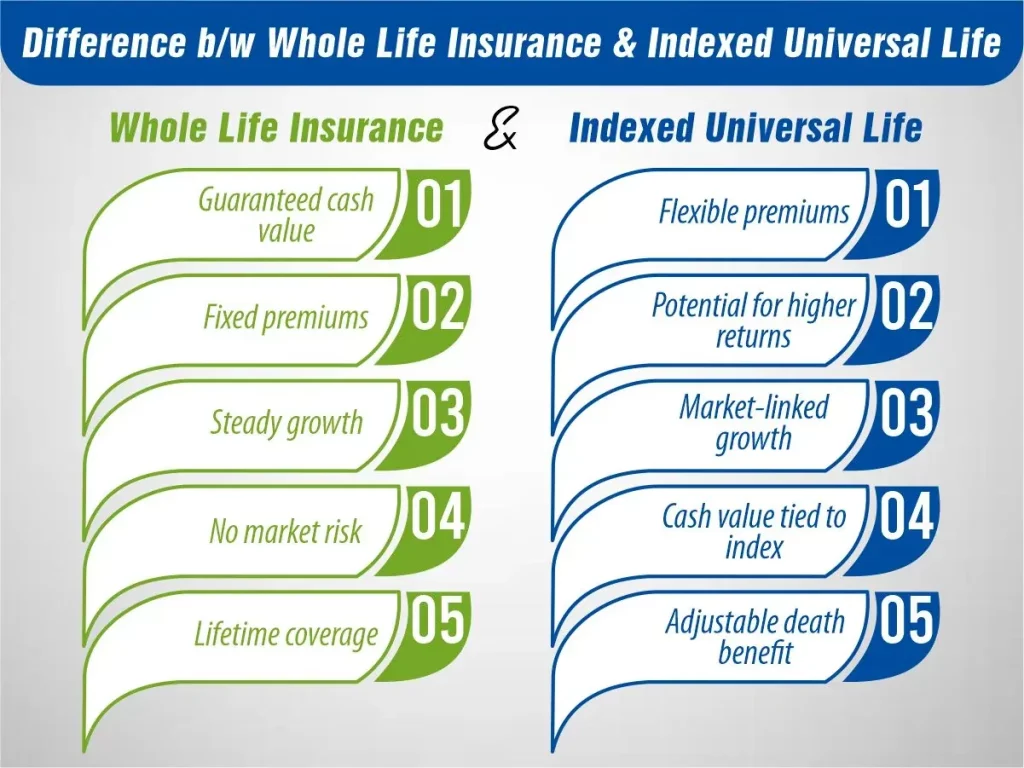
Finding the best whole life insurance policy requires comparing financial strength ratings, cash value growth guarantees, dividend history, underwriting criteria, and policy rider flexibility among top-tier mutual and stock insurers. This methodical approach ensures your permanent coverage remains secure, builds predictable wealth, and meets your long-term estate planning objectives.
Navigating the permanent life insurance market can feel overwhelming due to the sheer number of carriers, complex policy structures, and varied financial projections. Unlike term life insurance, which serves as a temporary income-replacement tool, a whole life insurance policy is a permanent contract designed to last your entire life while accumulating a cash value component. Because these policies tie up significant financial resources and involve long-term commitments, finding the best whole life insurance policy demands a rigorous, analytical approach.
Evaluating permanent coverage requires looking past flashy marketing materials and diving into the underlying financial mechanics of the insurance provider. By focusing on specific evaluation metrics, you can separate standard products from elite policies that offer superior long-term value, robust guarantees, and reliable dividend performance. Here are five effective ways to find the best whole life insurance policy for your financial portfolio.
1. Evaluate Insurer Financial Strength and Stability Ratings
The single most important factor in whole life insurance is the financial stability of the issuing company. Because whole life policies are designed to remain in force for decades—often spanning 50 years or more—the insurance carrier must have the long-term solvency to pay claims and distribute dividends well into the future.
Independent rating agencies evaluate insurance companies based on their claims-paying ability, capitalization levels, asset quality, and management competence. When shopping for coverage, you should review ratings from the industry's leading authorities:
- A.M. Best: Measures the overall financial strength and creditworthiness of insurance companies. Look for carriers with ratings of A (Excellent) or higher, with A+ and A++ representing superior financial strength.
- Standard & Poor’s (S&P): Evaluates an insurer's financial security and capacity to meet policyholder obligations. Ratings of AA- or higher indicate very strong financial security.
- Moody’s Investors Service: Assesses financial strength with a focus on risk management and balance sheet durability. Look for ratings of Aa3 or higher.
- Fitch Ratings: Provides independent credit ratings and research focusing on insurer financial stability.
Stick exclusively to insurers with long-standing histories of weathering economic downturns, market corrections, and high-inflation environments. A high financial strength rating ensures that the guarantees baked into your whole life contract will be honored decades down the road.
2. Compare Mutual Companies Versus Stock Companies
The corporate structure of the insurance carrier directly impacts your policy's long-term performance and your rights as a policyholder. Insurance companies generally operate under one of two corporate models: mutual companies or stock companies.
Mutual Companies
Mutual insurance companies are owned by their policyholders rather than outside shareholders. When you purchase a whole life policy from a mutual insurer, you become a policyowner, giving you a fractional interest in the company.
- Advantages: Mutual companies focus on the long-term interests of policyholders rather than quarterly earnings reports for Wall Street investors. They frequently distribute dividends to eligible policyholders. While dividends are never legally guaranteed, top-tier mutual insurers have uninterrupted multi-decade histories of paying dividends annually, even during major historical recessions.
- Key Players: Well-known mutual insurers include Northwestern Mutual, MassMutual, New York Life, and Guardian Life.
Stock Companies
Stock insurance companies are publicly traded corporations owned by shareholders.
- Advantages: Stock companies may offer competitive initial premium rates or aggressive non-guaranteed cash value projections. However, their primary fiduciary duty is to generate profits for shareholders, which can sometimes influence dividend distributions or policy pricing over the life of the contract.
For maximum long-term value, permanent life insurance buyers typically favor top-rated mutual companies due to their proven track record of dividend performance and alignment of interests with policyholders.
3. Analyze Cash Value Growth Guarantees and Historical Dividend Performance
Whole life insurance features two primary accumulation components: the guaranteed cash value and the non-guaranteed dividend. Understanding how these mechanisms interact is vital to selecting the right policy.
Every whole life contract includes a contractual guarantee that your cash value will grow at a minimum specified interest rate, regardless of stock market performance or economic conditions. This makes the cash value a safe, predictable asset class. However, the baseline guaranteed growth rate is often modest, designed primarily to ensure the policy reaches its endowment age (typically age 100 or 121).
To maximize your returns, you must examine the company's historical dividend scale interest rate. Dividends represent a return of premium when the insurance company experiences favorable mortality experience, lower-than-expected operating expenses, and strong investment returns.
| Evaluation Metric | What to Look For | Why It Matters |
|---|---|---|
| Guaranteed Rate | 2% to 4% minimum floor | Protects your principal against severe market downturns. |
| Current Dividend Scale | 5% to 6% historical average | Accelerates cash value growth beyond the guaranteed baseline. |
| Dividend History | 50+ consecutive years of payouts | Demonstrates management discipline and financial resilience. |
| Paid-Up Additions (PUA) Rider | High PUA flexibility | Allows you to dump extra cash directly into cash-value accumulation. |
When reviewing illustrations from different agents, ask for a historical performance report showing how the insurer's actual dividend scale over the past 20 or 30 years compares to the original projections given to policyholders at the time of purchase.
4. Customize Policy Structure Using Riders
A standard whole life insurance policy provides a fixed death benefit and steady cash accumulation, but advanced policy design requires utilizing specific riders. Riders are policy endorsements that customize your coverage to fit unique financial planning goals.
When comparing quotes, evaluate the availability and cost of the following powerful riders:
- Paid-Up Additions (PUA) Rider: This is the single most critical rider for cash-accumulation strategies. It allows you to make additional premium payments that go directly toward purchasing paid-up insurance, instantly boosting your cash value and future dividend potential.
- Waiver of Premium Rider: If you become totally disabled due to injury or illness, this rider waives your required premium payments while keeping the policy—and its cash value growth—fully active.
- Accelerated Death Benefit Rider: Allows you to access a portion of your death benefit early if you are diagnosed with a terminal illness or require qualifying chronic-care services.
- Guaranteed Purchase Option (GPO): Enables you to buy additional coverage at specified future dates without undergoing medical underwriting.
Working with an independent broker who understands advanced policy design is essential here. They can structure a policy with a high PUA blend to minimize early fee drag and maximize early-year liquidity.
5. Shop Multiple Carriers Through an Independent Broker
One of the most common mistakes consumers make is requesting a quote from a single captive insurance agent who represents only one company. Captive agents can only sell their employer's proprietary products, leaving you blind to better pricing, stronger dividend histories, or more flexible contract terms available elsewhere.
To find the best whole life insurance policy, utilize an independent insurance broker or brokerage general agency. Independent professionals have access to dozens of competing insurance carriers. They can run comparative underwriting offers across the market based on your specific health profile, age, tobacco usage, and financial objectives.
Keep in mind that underwriting guidelines vary significantly from one carrier to another. For instance, minor health conditions like controlled high blood pressure, elevated cholesterol, or a family history of specific illnesses may be rated strictly by Company A but viewed more leniently by Company B. An independent broker can perform a trial application (often called a facultative inquiry) to test the market anonymously before submitting a formal application, ensuring you secure the lowest possible premium class.
Comprehensive Comparison of Whole Life Selection Criteria
Reviewing the core pillars of whole life insurance side-by-side helps clarify what separates average policies from exceptional ones:
| Selection Criteria | Standard / Average Policy | Elite / Best Policy |
|---|---|---|
| Insurer Solvency | A.M. Best rating of A | A.M. Best rating of A+ or A++ |
| Corporate Structure | Stock company | Top-tier mutual company |
| Dividend Track Record | Inconsistent or short history | 50+ years of uninterrupted annual dividends |
| Cash Value Liquidity | Slow early-year accumulation | High early liquidity via optimized PUA riders |
| Underwriting Flexibility | Rigid guidelines; standard health ratings | Competitive underwriting tiers; lenient table ratings |
Frequently Asked Questions
What is the primary difference between whole life and term life insurance?
Term life insurance provides temporary coverage for a specific period (e.g., 10, 20, or 30 years) and pays a death benefit only if you pass away during that term. It features no cash value component. Whole life insurance is a permanent policy that provides lifelong coverage, a guaranteed death benefit, and a tax-advantaged cash value account that grows at a guaranteed rate and can earn dividends.
Are whole life insurance dividends guaranteed?
No. Insurance regulatory bodies strictly prohibit insurers from guaranteeing future dividend payments. However, top-tier mutual insurance companies have established multi-decade histories of paying dividends every single year, even through major economic crises like the Great Depression and the 2008 financial crash.
How does cash value grow inside a whole life policy?
Cash value grows through three primary channels: a portion of your guaranteed premium payment is allocated directly to the cash account, interest is credited based on the insurer's guaranteed minimum rate, and potential non-guaranteed dividends are added annually. This growth is tax-deferred, meaning you do not pay income tax on the gains while they accumulate inside the policy.
Can I withdraw money from my whole life insurance policy?
Yes. You can access your cash value by taking a policy loan or making a direct withdrawal. Policy loans do not require credit checks; the insurance company uses your cash value as collateral. However, outstanding loans accrue interest and reduce your permanent death benefit if they are not repaid before your passing.
How do I know if an independent broker is working in my best interest?
A reputable independent broker will represent multiple competing insurance carriers rather than pushing a single product. They should transparently explain their compensation structure, review your complete financial profile, and provide a detailed competitive market analysis comparing quotes across at least three to four top-rated mutual insurers.
Next Steps and Professional Guidance
Finding the best life insurance whole life policy requires balancing long-term carrier stability with precise product design. Begin by requesting formal quotes from an independent broker who specializes in permanent coverage and high-cash-value design. Verify that the recommended insurers hold superior financial strength ratings from A.M. Best and S&P, and review historical dividend performance records before signing any contract. Because whole life insurance represents a binding financial commitment with significant upfront funding costs, consider consulting a certified financial planner or fiduciary advisor to ensure the policy integrates seamlessly with your broader retirement and estate planning strategy.