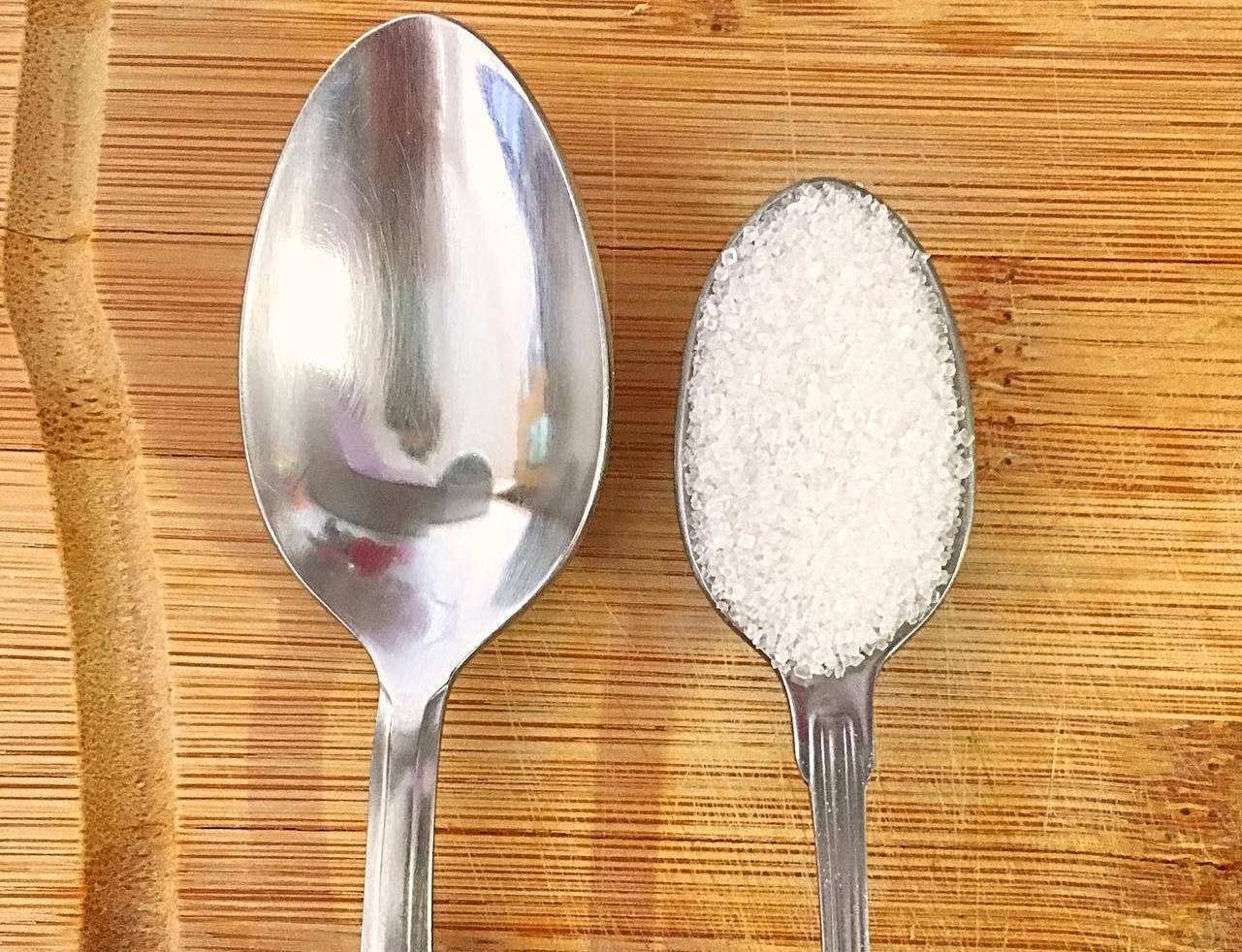
Consuming 40 grams of sugar in a single day or a single serving exceeds the recommended daily limit for added sugars for most adults. Specifically, 40 grams is equivalent to approximately 10 teaspoons of sugar, which surpasses the American Heart Association’s recommendation of 25 grams for women and nears the 36-gram limit for men.
Over time, consistently hitting or exceeding this 40-gram threshold—especially through added sugars found in processed foods and beverages—is linked to an increased risk of metabolic syndrome, type 2 diabetes, non-alcoholic fatty liver disease, and systemic inflammation. Understanding the impact of this specific quantity requires looking at how the body processes refined carbohydrates versus natural sugars, the hormonal response triggered by glucose and fructose, and the long-term systemic consequences of high-sugar diets.
Quantifying 40 Grams of Sugar: Perspective and Scale
To understand what 40 grams of sugar means for your health in 2026, one must first visualize the quantity. In the culinary and nutritional world, 4 grams of granulated sugar is equal to roughly one level teaspoon. Therefore, 40 grams of sugar equals 10 teaspoons.
When viewed as a physical pile of white crystals, 10 teaspoons may seem substantial, yet it is remarkably easy to consume unknowingly. For context, a standard 12-ounce (355 ml) can of regular soda typically contains between 38 and 42 grams of sugar. A single "healthy" flavored yogurt can contain upwards of 20 to 25 grams, and a medium-sized sweetened coffee beverage often exceeds 50 grams.
In the context of daily caloric intake, sugar provides 4 calories per gram. Consuming 40 grams of sugar adds 160 "empty" calories to your diet—calories that provide no vitamins, minerals, or fiber. For an individual on a standard 2,000-calorie diet, 40 grams of sugar represents 8% of their total daily energy intake. While this fits within the World Health Organization’s (WHO) broad "less than 10%" guideline, it leaves very little room for sugar found in other foods consumed throughout the day, likely pushing the individual into a surplus that stresses metabolic pathways.
The Distinction Between Added and Natural Sugars
When discussing the health implications of 40 grams of sugar, it is critical to distinguish between added sugars and naturally occurring sugars. This distinction is the cornerstone of modern nutritional science and public health policy.
Added Sugars
Added sugars are those infused into foods during processing or preparation. These include sucrose (table sugar), high-fructose corn syrup (HFCS), honey, agave nectar, and various syrups. The primary health concern with 40 grams of added sugar is the speed of absorption. Because these sugars are often separated from fiber, the body digests them rapidly, leading to a sharp spike in blood glucose levels.
Naturally Occurring Sugars
In contrast, 40 grams of sugar consumed via whole fruits (such as two medium apples) or dairy (lactose) comes packaged with fiber, protein, or fats. Fiber, in particular, acts as a biological "speed brake," slowing the gastric emptying process and the subsequent absorption of sugar into the bloodstream. While the molecular structure of the fructose or glucose might be the same, the metabolic context is entirely different. Consequently, 40 grams of sugar from a soda is significantly more taxing on the body than 40 grams of sugar from a bowl of raspberries and plain yogurt.
Physiological Impact: What Happens When You Ingest 40 Grams of Sugar
The human body is equipped to handle sugar, but it is not designed to handle large, concentrated boluses of refined sugar. When you consume 40 grams of added sugar—perhaps in a single sweetened beverage—a complex series of physiological events is triggered.
The Insulin Response
As sugar enters the small intestine and is absorbed into the bloodstream, blood glucose levels rise sharply. The pancreas detects this surge and releases a high dose of insulin, a hormone responsible for ushering glucose into cells for energy or storage. While this is a normal process, frequent surges caused by 40-gram doses of sugar can lead to hyperinsulinemia (persistently high insulin levels). Over time, cells may become less responsive to insulin, a condition known as insulin resistance, which is the precursor to type 2 diabetes.
Fructose and the Liver
If the 40 grams of sugar comes from sucrose or HFCS, roughly half of it is fructose. Unlike glucose, which can be used by almost every cell in the body, fructose is processed almost exclusively by the liver. When the liver is hit with a large amount of fructose at once, it converts the excess into fat through a process called de novo lipogenesis. This can lead to the accumulation of fat within the liver cells, contributing to non-alcoholic fatty liver disease (NAFLD), even in individuals who do not consume alcohol.
Dopamine and the Brain
The consumption of high amounts of sugar triggers the release of dopamine in the brain’s reward center, the nucleus accumbens. This is the same pathway involved in addictive behaviors. A 40-gram dose provides a significant "hit," which can reinforce cravings and lead to a cycle of sugar dependence. For many, this makes it difficult to maintain moderate intake levels, as the brain begins to require higher amounts of sugar to achieve the same pleasurable sensation.
Long-Term Health Consequences of Excessive Sugar Intake
Consistently consuming 40 grams or more of added sugar daily is associated with several chronic health conditions. In 2026, clinical research continues to reinforce the link between high-sugar environments and systemic dysfunction.
- Cardiovascular Disease: High sugar intake is linked to increased levels of triglycerides and "bad" LDL cholesterol, as well as higher blood pressure. These are all primary risk factors for heart disease.
- Systemic Inflammation: Refined sugars promote the production of pro-inflammatory cytokines. Chronic inflammation is now recognized as a root cause of many modern ailments, including autoimmune issues and certain cancers.
- Weight Gain and Obesity: Sugar is calorically dense but nutritionally poor. Because it does not trigger satiety hormones (like leptin) as effectively as protein or fiber, consuming 40 grams of sugar often leads to overconsumption of total calories throughout the day.
- Dental Caries: Bacteria in the mouth thrive on simple sugars. When these bacteria metabolize sugar, they produce acid that erodes tooth enamel, leading to cavities and gum disease.
Common Sources of 40 Grams of Sugar
Identifying where 40 grams of sugar hides is essential for dietary management. Many consumers are surprised to find how quickly they reach this limit.
| Food/Drink Item | Typical Serving Size | Approx. Sugar (Grams) | Percentage of 40g Limit |
|---|---|---|---|
| Regular Cola | 12 oz (355 ml) | 39g | 97.5% |
| Sweetened Iced Tea | 16 oz (473 ml) | 44g | 110% |
| Fruit-Flavored Yogurt | 6 oz (170g) | 19g | 47.5% |
| Frosted Breakfast Cereal | 1 cup (approx. 50g) | 12-18g | 30-45% |
| BBQ Sauce | 2 tablespoons | 12-16g | 30-40% |
| Granola Bar (Oats & Honey) | 2 bars | 11g | 27.5% |
| "Green" Bottled Juice | 15.2 oz | 38-45g | 95-112% |
As the table illustrates, a single beverage or a combination of a "healthy" breakfast and a snack can easily result in an intake exceeding 40 grams of sugar before lunchtime.
Managing and Reducing Sugar Intake
If 40 grams of sugar is your current baseline, reducing that number can have immediate benefits for your energy levels, skin health, and metabolic markers.
Mastering the Nutrition Label
In 2026, nutrition labels are clearer than ever, specifically listing "Added Sugars" beneath the "Total Sugars" line. When auditing your pantry, pay close attention to this distinction. A product might have 15 grams of total sugar, but if 0 grams are "added," it likely contains natural sugars from fruit or dairy, which are generally more acceptable in a balanced diet.
Strategic Food Swaps
Reducing sugar does not necessarily mean eliminating sweetness. It involves choosing sources that offer more nutritional value:
- Swap Soda for Seltzer: Transitioning from a 40-gram soda to a zero-sugar flavored sparkling water eliminates the sugar spike entirely.
- Choose Whole Fruit: An orange provides about 12 grams of sugar but includes 3 grams of fiber and a high dose of Vitamin C.
- Plain Over Flavored: Buy plain yogurt or oatmeal and add your own fresh fruit. This usually results in less than 5 grams of sugar compared to the 15-20 grams found in pre-flavored varieties.
The Power of Pairing
If you do consume a high-sugar item, pairing it with protein, fiber, or healthy fats can mitigate the glycemic impact. For example, if you eat a piece of chocolate, follow it with a handful of almonds. The fats and fiber in the nuts slow down the digestion of the sugar, preventing the drastic insulin spike that 40 grams of sugar would otherwise cause.
Expert Guidance: Navigating the 40-Gram Threshold
Medical professionals and registered dietitians often suggest that rather than obsessing over every gram, individuals should focus on nutrient density. If your diet consists of 90% whole, unprocessed foods, a 40-gram "treat" occasionally is manageable for a healthy metabolism. However, if 40 grams is a daily minimum, the cumulative damage to insulin sensitivity and liver health becomes a significant concern.
For those with pre-existing conditions such as pre-diabetes or PCOS (Polycystic Ovary Syndrome), 40 grams of added sugar is often far too high. These individuals may need to aim for a limit closer to 15-20 grams per day to maintain hormonal balance and stable blood glucose.
Frequently Asked Questions
Is 40 grams of sugar okay if it comes from fruit?
Generally, yes. 40 grams of sugar from whole fruit (like three bananas) is handled differently by the body than 40 grams of added sugar. The fiber in the fruit slows the absorption of sugar, and fruit provides essential phytonutrients and antioxidants. However, if you are monitoring blood sugar for medical reasons, you should still consult with a healthcare provider about total carbohydrate intake.
How many teaspoons is 40 grams of sugar?
40 grams of sugar is equal to 10 level teaspoons. This calculation is based on the standard measurement that 4 grams of granulated sugar equals one teaspoon.
Does 40 grams of sugar cause weight gain?
Not directly, but it contributes to it. Weight gain is the result of a caloric surplus. Because 40 grams of sugar provides 160 calories without inducing satiety, it is very easy to eat more calories than your body needs when sugar is a regular part of your diet. Additionally, high insulin levels caused by sugar intake can promote fat storage.
How long does it take for the body to process 40 grams of sugar?
A liquid dose of sugar (like a soda) can be absorbed into the bloodstream within 15 to 30 minutes, leading to a peak in blood glucose shortly thereafter. If the sugar is consumed with a meal containing fiber and protein, the processing time can extend to several hours, which is much healthier for the body.
What are the immediate symptoms of eating too much sugar?
After consuming a large amount of sugar, some people experience a "sugar rush" followed by a "sugar crash." Symptoms of the crash can include fatigue, irritability, brain fog, and renewed hunger or cravings. Some individuals may also experience headaches or skin breakouts.
Practical Recommendation
To optimize your health in 2026, aim to keep your added sugar intake well below the 40-gram mark. Start by eliminating liquid sugars—sodas, sweetened coffees, and energy drinks—as these are the most metabolically damaging forms of sugar. Replace them with water, herbal teas, or diluted fruit juices. By shifting your focus toward whole foods and reading labels diligently, you can reduce your sugar intake to a level that supports long-term metabolic health and energy stability.