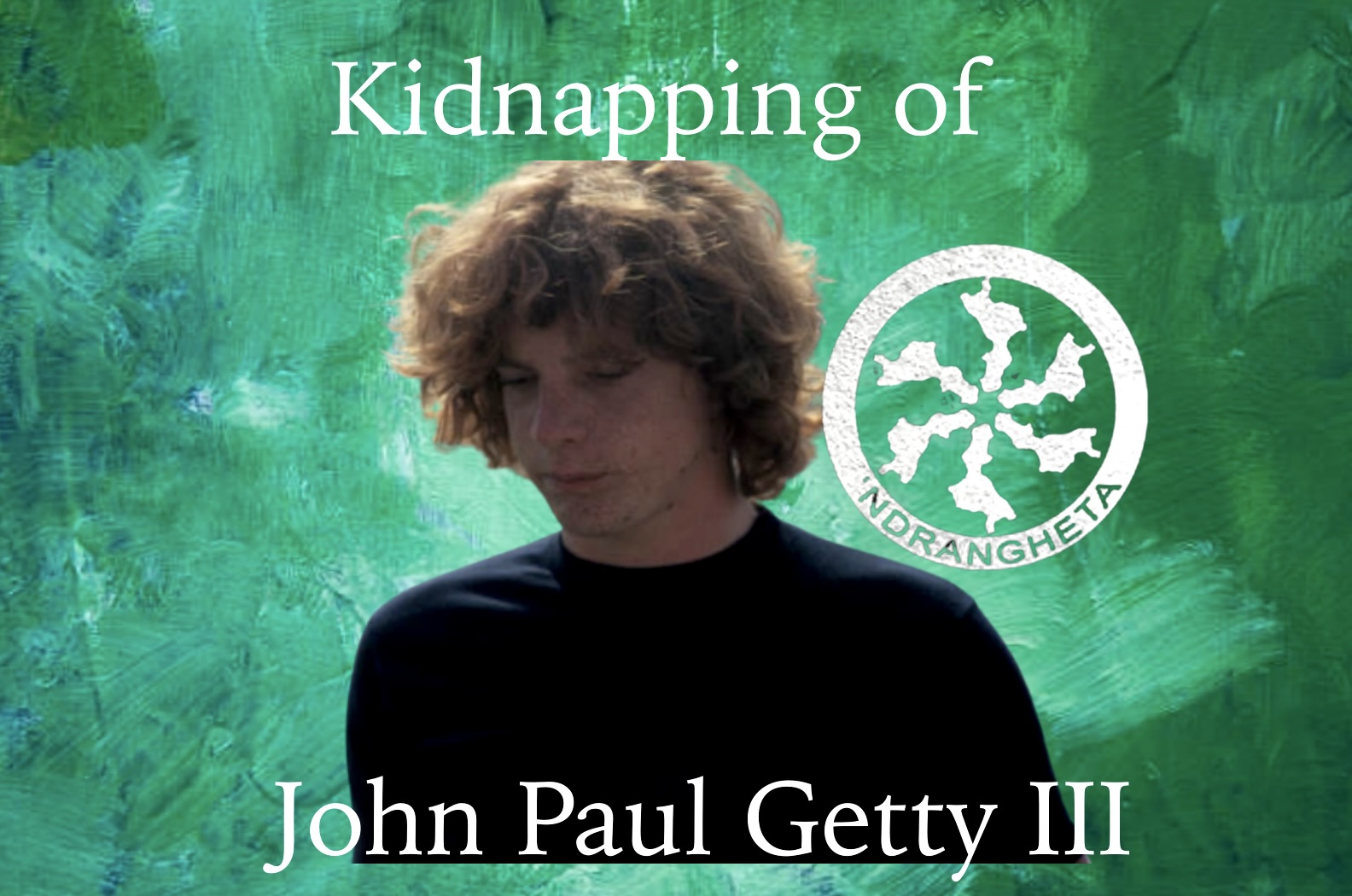
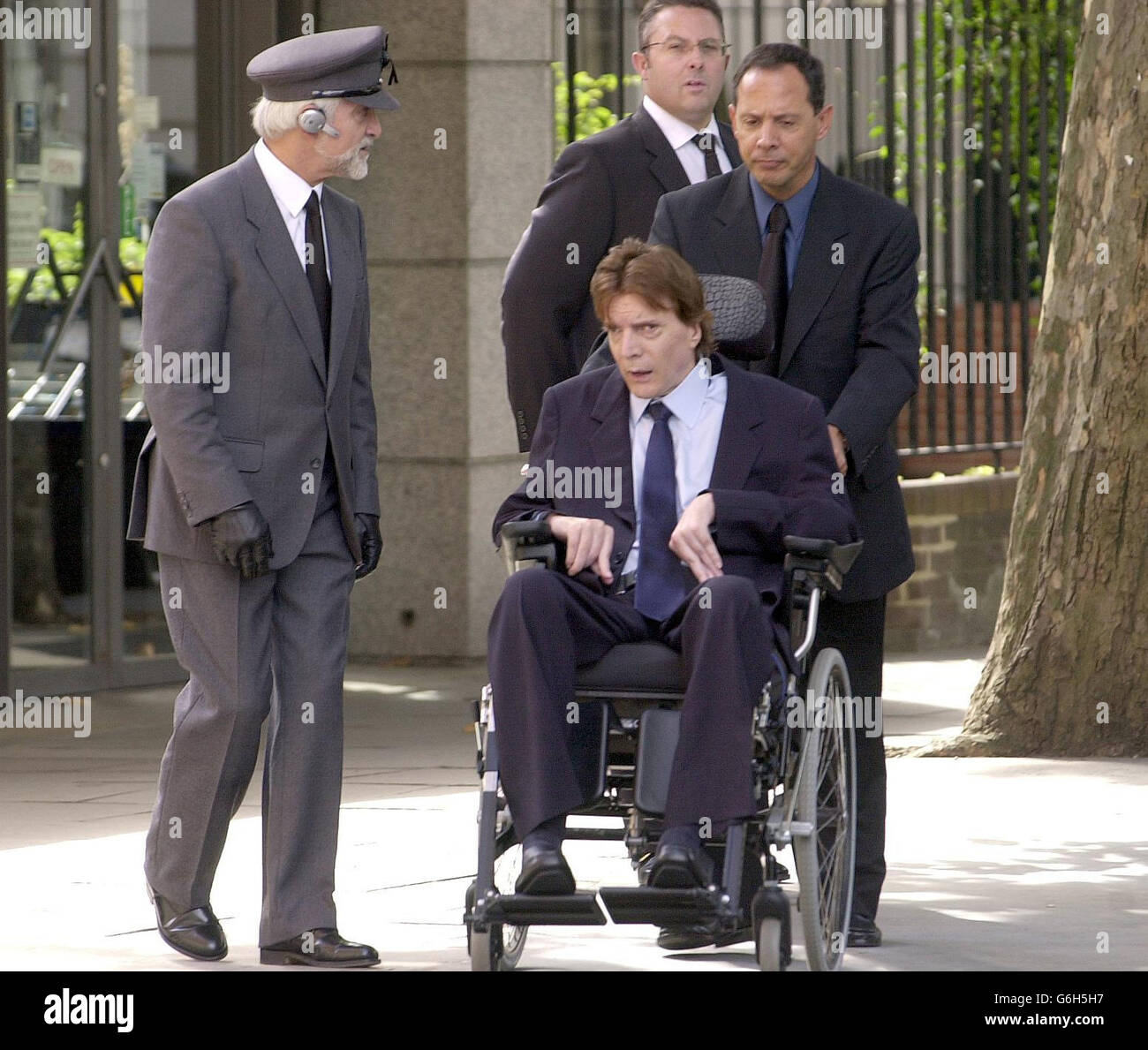
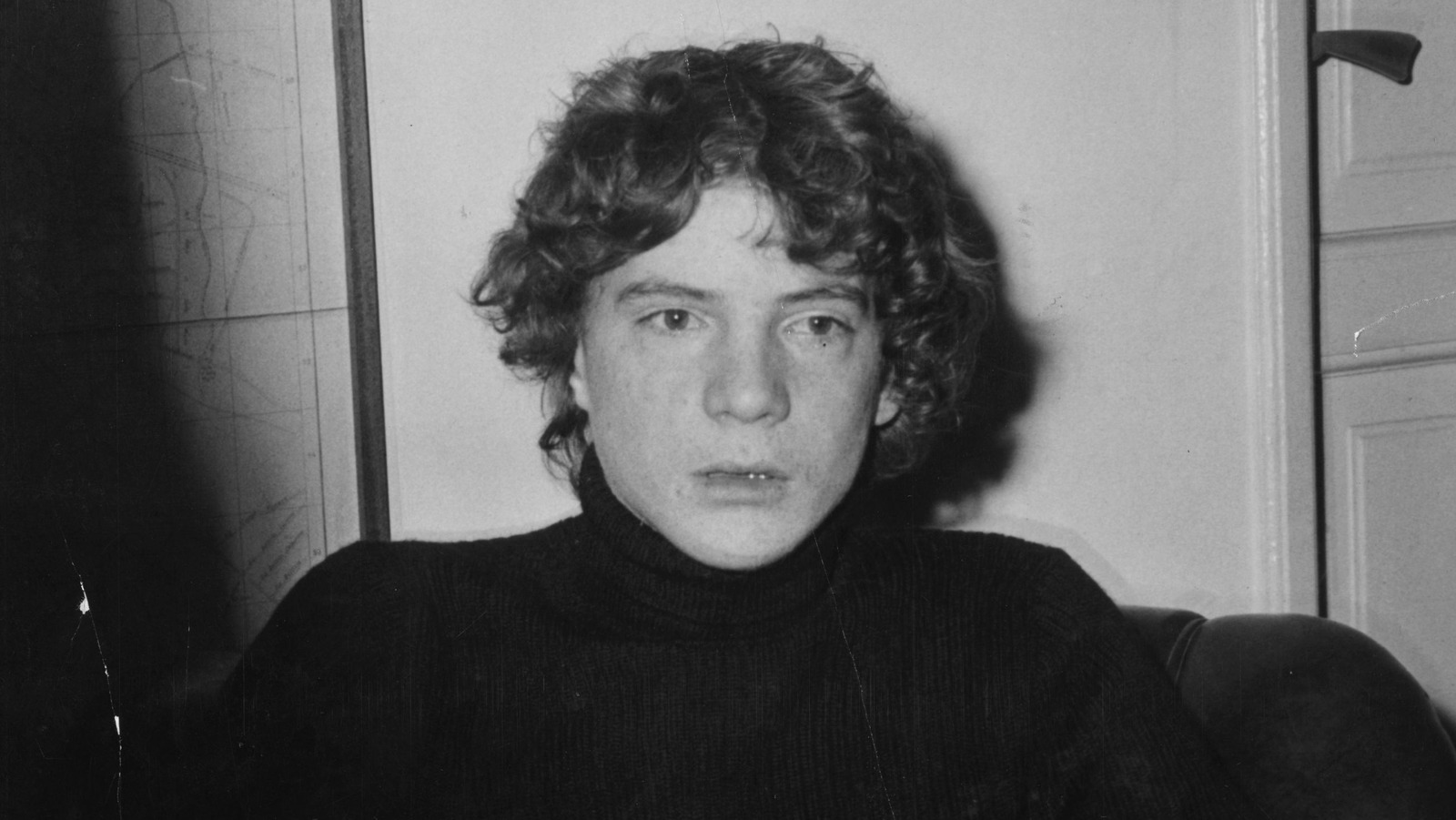
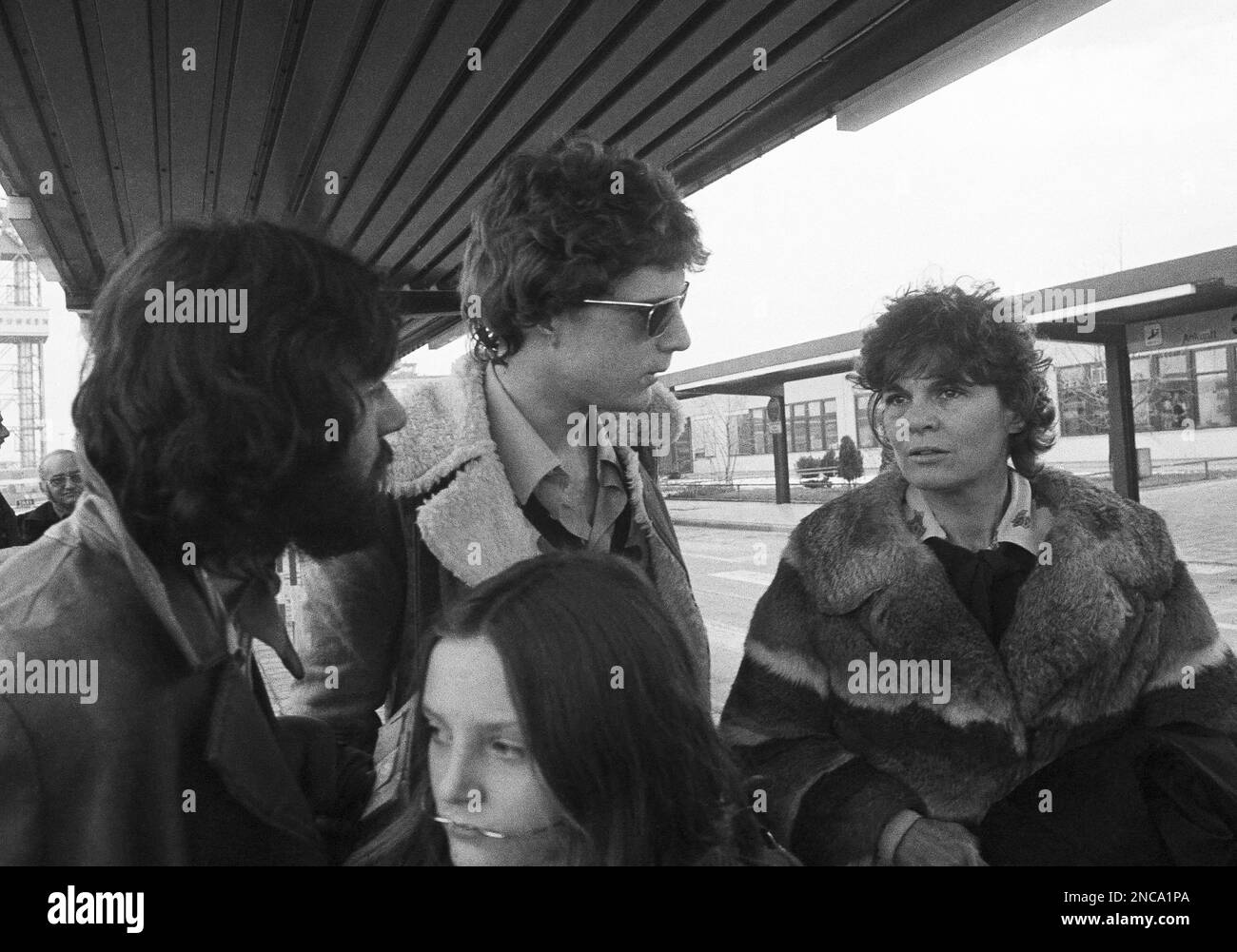
John Paul Getty III is best remembered as the central figure in one of the most notorious high-profile kidnappings of the 20th century, an event that forever altered the public perception of the billionaire Getty family and exposed the complex psychological dynamics of extreme wealth. As the grandson of oil tycoon J. Paul Getty—who was at the time one of the richest men in modern history—John Paul Getty III lived a life defined by immense privilege, profound family dysfunction, and a tragic abduction in Rome that ultimately left him with lifelong physical and neurological disabilities. Examining his life requires looking beyond the sensationalized headlines and cinematic adaptations to understand the historical reality of the Getty kidnapping, the systemic institutional responses of the era, and the enduring legacy of a family shadowed by both fortune and misfortune.
Early Life and Family Background
To understand the trajectory of John Paul Getty III, one must examine the sprawling, complex dynasty built by his grandfather, Jean Paul Getty. The patriarch founded the Getty Oil Company and amassed a fortune that made him a legendary figure of American capitalism. However, this immense wealth did not translate into a harmonious domestic environment. John Paul Getty III was born on November 4, 1956, in the United States, to John Paul Getty Jr. and his first wife, Gail Harris.
During John Paul Getty III’s formative years, his father was tasked with managing the family's Italian oil operations, leading the family to relocate to Rome. This upbringing in Europe exposed the young Getty to bohemian artistic circles, distant parenting, and a lifestyle vastly different from traditional corporate American rearing. By his early teens, John Paul Getty III was already navigating the unconventional social scenes of Rome. While he attended local schools intermittently, his environment was characterized by an acute lack of structured supervision, a dynamic exacerbated by his parents' divorce and his father’s struggles with substance abuse.
Living independently in Rome as a teenager, Getty developed a reputation as a free-spirited rebel who dabbled in the counterculture of the early 1970s. He frequented artistic haunts, associated with painters, actors, and various fringe social groups, and occasionally earned money by selling his own paintings or making jewelry. Despite bearing one of the most famous and wealthy surnames in the world, he lacked direct access to a personal trust fund that could shield him from the vulnerabilities of ordinary life. This perceived accessibility, combined with his high-profile family name, ultimately drew the attention of criminal syndicates operating in Italy during the tumultuous period known as the Years of Lead (Anni di Piombo).
The Abduction in Rome
On the night of July 10, 1973, seventeen-year-old John Paul Getty III disappeared after leaving a club in the Piazza Farnese district of Rome. He was seized by members of the 'Ndrangheta, a powerful organized crime syndicate based in Calabria, who quickly realized the immense financial leverage they had acquired. The kidnappers bundled the teenager into a car and transported him to a remote, mountainous hideout in the Aspromonte region of southern Italy, where he would be held captive in harsh conditions for months.
Initially, the abduction was met with profound skepticism by both the authorities and the victim's own family. Because John Paul Getty III had occasionally joked about staging his own kidnapping to extract money from his notoriously frugal grandfather, his mother, Gail Harris, initially received ransom demands that were dismissed as a crude hoax or the pranks of rebellious teenagers. However, as days turned into weeks without contact from the young man, the grim reality of the situation became undeniable. The kidnappers formalized their demands, requesting a ransom sum initially reported to be around $17 million in exchange for his safe return.
The handling of the kidnapping exposed deep fractures within the Getty family. J. Paul Getty Sr., residing in his lavish estate in Sutton Place, England, famously and publicly refused to pay the ransom. In statements that shocked the international press, the elder Getty argued that paying extortion money would place his other fourteen grandchildren at risk of similar kidnappings. This hardline stance left Gail Harris and John Paul Getty Jr.—who was grappling with personal tragedies and financial constraints of his own—powerless to meet the escalating demands of the captors, leaving the young captive stranded in a grueling stalemate between a ruthless criminal organization and an unyielding patriarch.
The Escalation, Mutilation, and Release
As months passed with no resolution, the kidnappers grew increasingly desperate and frustrated by the family's refusal to negotiate. To prove their seriousness and compel compliance, the criminal group executed a brutal escalation. In November 1973, an Italian newspaper received a package containing a lock of human hair, a human ear, and a chilling demand note written by John Paul Getty III himself, pleading for his life and warning that he would be returned to his family in pieces if the ransom was not paid immediately.
The receipt of the severed ear marked a turning point in the ordeal. Under mounting public pressure and intense lobbying from Gail Harris, J. Paul Getty Sr. finally agreed to negotiate a payment, though characteristically, he sought to minimize his financial loss. He ultimately agreed to pay a ransom of approximately $2.9 million—the maximum amount that was tax-deductible. The remaining portion of the sum was loaned to John Paul Getty Jr. at a standard 4 percent interest rate, a detail that highlighted the transactional nature of the family patriarch's worldview.
Following the payment, the release mechanism was set into motion. On December 15, 1973, John Paul Getty III was found alive shivering on a highway near Potenza in southern Italy, having been dumped by his captors after they confirmed receipt of the funds. Physically exhausted, traumatized, and missing part of his right ear, the teenager was immediately reunited with his family. While several low-level members of the kidnapping ring were eventually captured, tried, and convicted by Italian courts, the vast majority of the ransom money was never recovered, and the criminal masterminds largely escaped justice.
Psychological Aftermath and Long-Term Health Struggles
The physical trauma of the kidnapping was merely the beginning of a prolonged downward spiral for John Paul Getty III. The psychological impact of months of captivity, combined with the chilling realization that his own family had debated the financial cost of his life, left deep emotional scars. Upon returning to normal life, he struggled profoundly with severe post-traumatic stress disorder, depression, and the overwhelming media scrutiny that followed him wherever he went.
In an effort to cope with the trauma, Getty turned heavily to alcohol and recreational drugs. Tragically, in 1981, at the age of 24, he suffered a massive drug overdose involving a lethal combination of Valium, methadone, and alcohol. The overdose induced a severe stroke and left him profoundly disabled, paralyzed, and nearly blind, requiring round-the-clock medical care for the remainder of his life. Despite these catastrophic health challenges, he lived for several more decades, supported primarily by a trust fund established after legal battles within the family to cover his exorbitant medical expenses.
| Event / Milestone | Date / Period | Significance |
|---|---|---|
| Birth | November 4, 1956 | Born in the United States to John Paul Getty Jr. and Gail Harris. |
| Abduction | July 10, 1973 | Kidnapped in Rome by members of the 'Ndrangheta crime syndicate. |
| Mutilation & Demand | November 1973 | Captors sent a severed ear to pressure the family into paying a ransom. |
| Release | December 15, 1973 | Found alive on an Italian highway after a ransom of roughly $2.9 million was paid. |
| Overdose & Stroke | 1981 | Suffered a severe drug-induced stroke, resulting in permanent paralysis and blindness. |
| Passing | February 5, 2011 | Died at the family estate in Buckinghamshire, England, at age 54. |
Cultural Impact, Media Portrayals, and Legacy
The harrowing story of John Paul Getty III has captured the public imagination for decades, serving as a cautionary tale about the perils of extreme wealth and the complex psychology of dynastic families. The narrative has been adapted across various forms of media, most notably in Ridley Scott’s 2017 feature film All the Money in the World and the critically acclaimed television anthology series Trust, directed by Danny Boyle. These dramatic retellings brought the historic tragedy to a new generation of viewers, examining the cold pragmatism of J. Paul Getty Sr. and the harrowing ordeal endured by his grandson.
John Paul Getty III passed away on February 5, 2011, at the age of 54, at his family's Wormsley Park estate in Buckinghamshire, England. He spent his final decades confined to a wheelchair, cared for by medical professionals and his mother, Gail Harris, who remained a steadfast advocate for him throughout his life. His life remains a poignant study of how immense privilege can intersect with tragedy, leaving behind a complex legacy that continues to be examined by historians, biographers, and cultural analysts alike.
Frequently Asked Questions
Why did J. Paul Getty Sr. refuse to pay the ransom immediately?
J. Paul Getty Sr. argued that paying extortion demands would set a dangerous precedent, putting his other fourteen grandchildren at immediate risk of copycat kidnappings by criminal organizations worldwide. Furthermore, his famously austere financial philosophy dictated that he should never negotiate from a position of perceived weakness or overpay for any transaction, a mindset that extended even to the life of his own flesh and blood.
How much was the final ransom paid for John Paul Getty III?
The family ultimately paid approximately $2.9 million for his release. J. Paul Getty Sr. contributed $2.2 million, which was the maximum amount he could claim as a tax deduction. The remaining balance was provided as a loan to John Paul Getty Jr., which the patriarch insisted must be repaid with 4 percent interest.
Who was responsible for the kidnapping of John Paul Getty III?
The abduction was executed by members of the 'Ndrangheta, a prominent and violent organized crime syndicate operating out of the Calabria region in southern Italy. While Italian authorities managed to arrest and convict several lower-tier operatives involved in the guarding and logistical execution of the crime, the criminal network largely protected its core leadership, and the majority of the ransom money vanished.
What caused the permanent disabilities of John Paul Getty III?
In 1981, at the age of 24, Getty suffered a catastrophic drug overdose involving a mixture of alcohol, Valium, and methadone. The resulting medical emergency induced a severe stroke that cut off oxygen to his brain, leaving him paralyzed, unable to speak clearly, and nearly blind for the rest of his life.
Where can readers learn more about the Getty family history?
Readers seeking detailed historical accounts can explore investigative nonfiction books such as Painfully Rich: The Outrageous Fortunes and Misfortunes of the Heirs of J. Paul Getty by John Pearson, which served as the primary source material for several cinematic adaptations and offers a thorough chronicle of the family's trials.