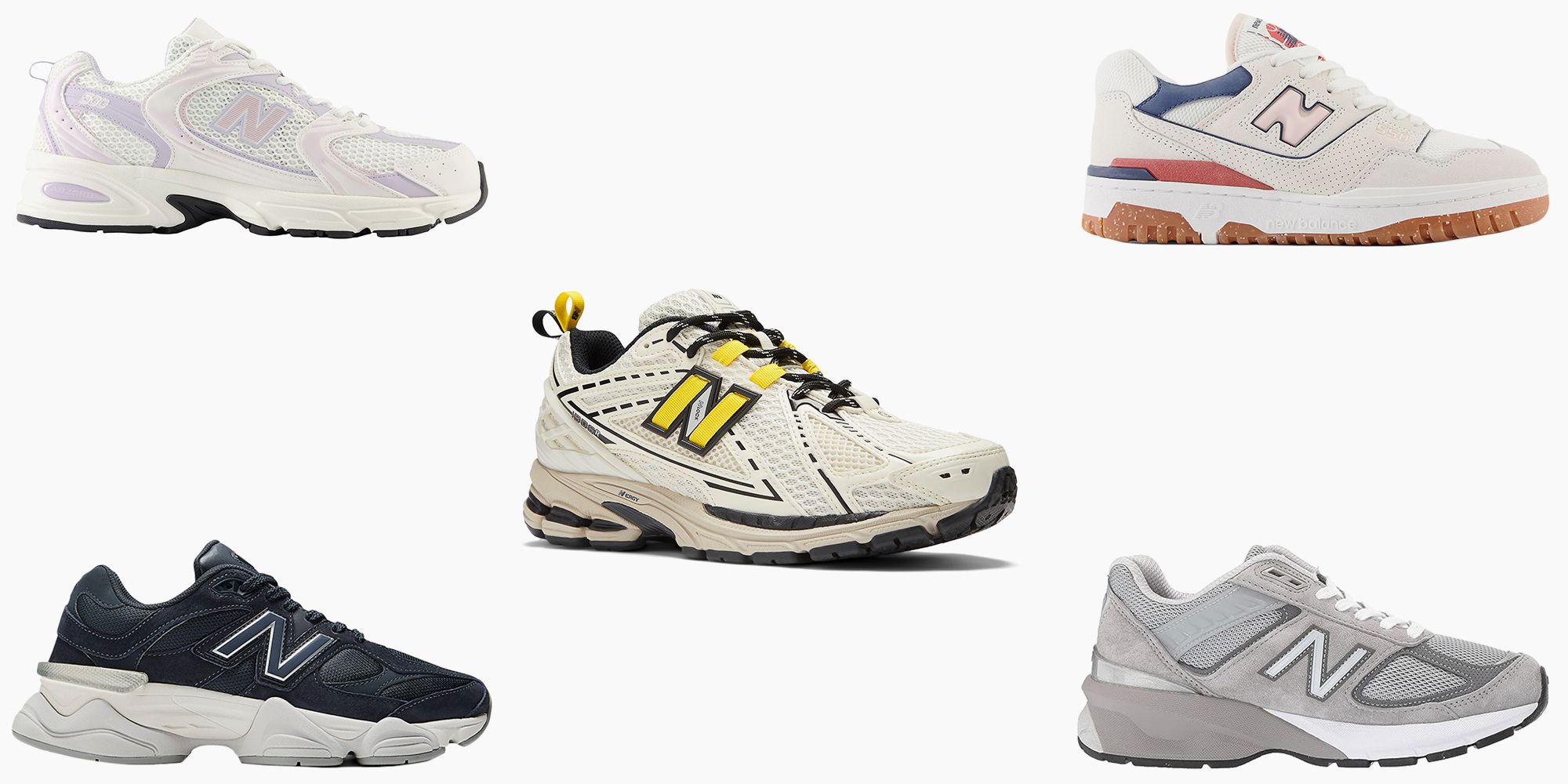
For individuals managing knee pain or chronic conditions like osteoarthritis, the New Balance Fresh Foam X 1080, Fresh Foam X More, and Fresh Foam X 860 are the premier choices in 2026. These models provide the specific combination of impact attenuation, medial stability, and rockered geometry required to reduce joint stress and improve alignment.
Knee pain is rarely an isolated issue; it is often the result of "upstream" or "downstream" biomechanical failures. When your foot strikes the ground, the force—often two to three times your body weight—must be absorbed. If your footwear lacks adequate cushioning or fails to support your specific gait, that energy travels directly into the knee joint. New Balance has spent decades refining their "Fresh Foam X" technology and "stability pillars" to address these exact concerns.
In this guide, we analyze the top three New Balance shoes designed to alleviate knee strain, explaining the technical engineering behind each model and how to choose the right one for your specific orthopedic needs.
Medical Disclaimer: While high-quality footwear can significantly reduce joint strain, chronic knee pain should be evaluated by a healthcare professional or physical therapist. The following recommendations are based on biomechanical principles and shoe specifications as of 2026.
Understanding the Relationship Between Footwear and Knee Health
Before selecting a shoe, it is essential to understand why "bad knees" require specific footwear features. The knee is a hinge joint, primarily designed for flexion and extension. However, if the foot rolls excessively inward (overpronation) or outward (supination), the lower leg bone (tibia) rotates. This rotation creates torque on the knee, leading to issues like patellofemoral pain syndrome (runner's knee) or accelerating the wear of cartilage in the medial or lateral compartments.
The Role of Impact Attenuation
The primary job of a shoe for knee pain is shock absorption. As we age or sustain injuries, the body’s natural shock absorbers—the meniscus and articular cartilage—can thin. New Balance uses a proprietary EVA-based (ethylene-vinyl acetate) compound called Fresh Foam X. By varying the density of the foam and using laser-cut hexagonal shapes on the sidewalls, they can create areas that compress easily to soak up the initial "thud" of a footstrike.
The Importance of Stack Height and Drop
In 2026, the industry continues to emphasize "stack height"—the amount of material between your foot and the ground. Higher stack heights generally offer more protection, which is vital for those with osteoarthritis. Furthermore, the "heel-to-toe drop" (the difference in height between the heel and the forefoot) dictates how forces are distributed. A moderate drop (8mm to 10mm) is often safest for knee sufferers, as it balances the load between the Achilles tendon and the knee joint.
1. New Balance Fresh Foam X 1080: The Best All-Around Choice
The Fresh Foam X 1080 remains the flagship neutral trainer for New Balance, and for good reason. It strikes a precise balance between soft cushioning and energetic responsiveness. For someone with general knee sensitivity who still wants a versatile shoe for walking, standing, or light running, the 1080 is the gold standard.
Engineering for Knee Protection
The 1080 features a significant amount of Fresh Foam X, but unlike maximalist shoes, it doesn't feel "mushy." This is crucial because a shoe that is too soft can actually create instability, forcing the muscles around the knee to work harder to maintain balance. The 1080 provides a stable platform with a slight rocker profile. This curved sole helps the foot transition smoothly from heel-to-toe, reducing the amount of force required from the quadriceps and lessening the "braking" force on the knee.
Fit and Comfort
One often-overlooked factor in knee health is toe splay. If a shoe is too narrow, the foot cannot function as a natural stabilizer. New Balance is one of the few brands that continues to offer the 1080 in multiple widths, from Narrow (2A) to Extra-Wide (4E). The Hypoknit upper provides a secure midfoot wrap without putting pressure on the top of the foot, ensuring that the foot stays centered over the cushioning.
Best For: Individuals with neutral gaits or those who wear custom orthotics and need a high-quality, cushioned daily driver.
2. New Balance Fresh Foam X More: The Maximalist Solution
For those suffering from advanced osteoarthritis or severe impact sensitivity, the Fresh Foam X More (currently in its v5 and v6 iterations in 2026) offers the highest level of protection in the New Balance lineup. This shoe is defined by its "maximalist" philosophy: more foam, more surface area, and a more aggressive rocker.
Why Maximum Cushioning Matters
The "More" model utilizes the largest volume of Fresh Foam X of any shoe in the collection. This creates a "cloud-like" feel that significantly dampens the vibration sent through the leg during walking. For patients with bone-on-bone knee conditions, this extra layer of foam acts as a secondary meniscus, absorbing the energy that the biological joint no longer can.
The Wide Platform and Rocker
Because the stack height is so high, New Balance engineers designed the "More" with an exceptionally wide base (the "outsole flare"). This prevents the foot from rolling over the edge of the foam, providing a level of inherent stability despite the shoe being technically neutral. Additionally, the rocker geometry is more pronounced here than in the 1080. By forcing the shoe to "roll" through the gait cycle, the knee doesn't have to straighten or bend as aggressively during the push-off phase, which can be a major source of pain for those with limited mobility.
Best For: Low-impact walking, recovery days, and individuals with joint degeneration who require maximum shock absorption.
3. New Balance Fresh Foam X 860: The Stability Essential
Knee pain is frequently caused by overpronation—the foot rolling inward excessively. This causes the knee to dive inward (valgus stress), which strains the Medial Collateral Ligament (MCL) and puts uneven pressure on the kneecap. The Fresh Foam X 860 is designed specifically to correct this movement.
Medial Support Technology
Unlike the 1080 or the More, the 860 features a dual-density post or a supportive medial pillar. This firmer material on the inside of the arch acts as a "speed bump" for the foot, slowing down the inward roll. By keeping the foot in a neutral alignment, the 860 ensures that the knee, hip, and ankle remain "stacked." This alignment is the single most effective way to reduce the twisting forces (torque) that lead to chronic knee inflammation.
Balancing Support and Comfort
Historically, "stability shoes" were known for being stiff and uncomfortable. However, the 2026 versions of the 860 utilize a top layer of Fresh Foam X that provides a soft step-in feel, while the structural support remains hidden beneath. This allows for a comfortable ride without sacrificing the rigid support needed to protect the knee from misalignment.
Best For: Individuals with flat feet, low arches, or those who notice their knees "cave in" while walking or running.
Technical Comparison of Top Models
To help you decide which model aligns with your biomechanical needs, the following table compares the key specifications of these three New Balance leaders as of early 2026.
| Feature | Fresh Foam X 1080 | Fresh Foam X More | Fresh Foam X 860 |
|---|---|---|---|
| Primary Goal | Balanced Cushioning | Maximal Absorption | Motion Control/Stability |
| Knee Benefit | Reduced Impact | Joint Pressure Relief | Alignment & Torque Reduction |
| Cushion Level | High | Ultra-High | Moderate-High |
| Stability Type | Neutral | Neutral (Stable Platform) | Stability (Medial Post) |
| Typical Drop | ~6mm to 8mm | ~4mm | ~10mm |
| Best Surface | Road / Treadmill | Road / Casual Walking | Road / Pavement |
| Width Options | Narrow to Extra-Wide | Standard to Extra-Wide | Standard to Extra-Wide |
How to Choose the Right Shoe for Your Knee Pain
Selecting the right shoe requires an honest assessment of your gait and the specific nature of your knee pain. Use the following criteria to guide your purchase.
Step 1: Identify Your Foot Type
You can perform the "Wet Foot Test" by stepping onto a piece of cardboard with wet feet.
- If you see a full footprint, you likely have flat feet and need the 860.
- If you see a moderate arch, the 1080 is usually the best fit.
- If you see only the heel and the ball of the foot, you have high arches (supination) and should choose the More for its extreme shock absorption.
Step 2: Location of the Pain
- Front of the knee (Patellar): This often benefits from the More or 1080, as the rocker helps reduce the workload of the quadriceps.
- Inside of the knee (Medial): This is often caused by overpronation. The 860 is the preferred choice to stop the inward collapse.
- General "Ache" after walking: This usually indicates a need for better shock absorption, making the More the primary candidate.
Step 3: Weight and Usage
Heavier individuals or those who spend 8+ hours on their feet should lean toward the Fresh Foam X More. The increased volume of foam is more resistant to "bottoming out" under sustained pressure. Conversely, if you plan on light jogging or want a shoe that feels more "nimble," the 1080 provides the best weight-to-cushion ratio.
Maintenance and Replacement: The 2026 Guidelines
Even the best shoe for bad knees will eventually lose its effectiveness. As the foam compresses over time, it loses its "rebound," meaning more of the impact force is transferred to your joints.
- Mileage Tracking: In 2026, most New Balance Fresh Foam models are rated for 300 to 500 miles. If you are using them for walking, this typically equates to 6–9 months of daily use.
- The "Squish" Test: Use your thumb to press into the side of the midsole. If the foam feels brittle or does not spring back immediately, the cellular structure has collapsed.
- Visual Alignment: Place your shoes on a flat table and look at them from behind. If the shoes are tilting inward or outward, the support structures have worn out, and continuing to wear them may exacerbate knee pain.
For those interested in the technical specifics of footwear lifespan and its impact on gait, the American Podiatric Medical Association (APMA) provides extensive resources on when to retire orthopedic-friendly footwear.
Frequently Asked Questions
Should I use orthotics with New Balance shoes for my knees?
Most New Balance performance shoes, including the 1080 and 860, feature a removable insole. This allows you to replace the standard foam with custom medical orthotics or high-quality over-the-counter inserts. If you have severe knee misalignment, combining the structural integrity of the 860 with a custom orthotic often provides the best results.
Does a higher heel-to-toe drop help or hurt bad knees?
It depends on the cause of the pain. A higher drop (like the 10mm in the 860) shifts some of the load away from the Achilles and calf toward the knee. However, for some, a lower drop (like the 4mm in the More) encourages a midfoot strike, which can reduce the "jarring" impact on the knee associated with heavy heel striking. Most physical therapists recommend a "standard" drop of 6mm-10mm for general knee issues.
Are New Balance shoes better than other brands for knee pain?
New Balance is uniquely positioned because of its history in orthopedic shoe manufacturing. Their commitment to offering various widths and their "Fresh Foam X" compound—which is specifically engineered to be non-linear (meaning it gets more supportive as more pressure is applied)—makes them a top-tier choice for clinical footwear.
Can I wear these shoes if I've had a knee replacement?
Yes. In fact, many surgeons recommend maximalist shoes like the Fresh Foam X More for post-operative patients. The rocker sole reduces the range of motion required at the knee during a normal walking stride, and the cushioning protects the prosthetic components from excessive vibration.
Is walking or running better for bad knees?
Walking is generally lower impact, but the right footwear can make light running possible for some. If you choose to run, the 1080 or More are essential to minimize the increased ground reaction forces. Always consult with your orthopedic surgeon before returning to high-impact activities.
Practical Recommendation
If you are unsure where to start, the New Balance Fresh Foam X 1080 is the most reliable entry point for the majority of people. Its balanced design addresses the needs of neutral walkers while providing enough technology to satisfy those with minor alignment issues.
However, if your pain is sharp and occurs every time your foot hits the pavement, prioritize the Fresh Foam X More. The sheer volume of cushioning is the most effective tool available in 2026 for mechanical shock absorption. For those who can see their arches collapsing in the mirror, the Fresh Foam X 860 is the necessary tool to realign the kinetic chain and stop knee pain at the source.