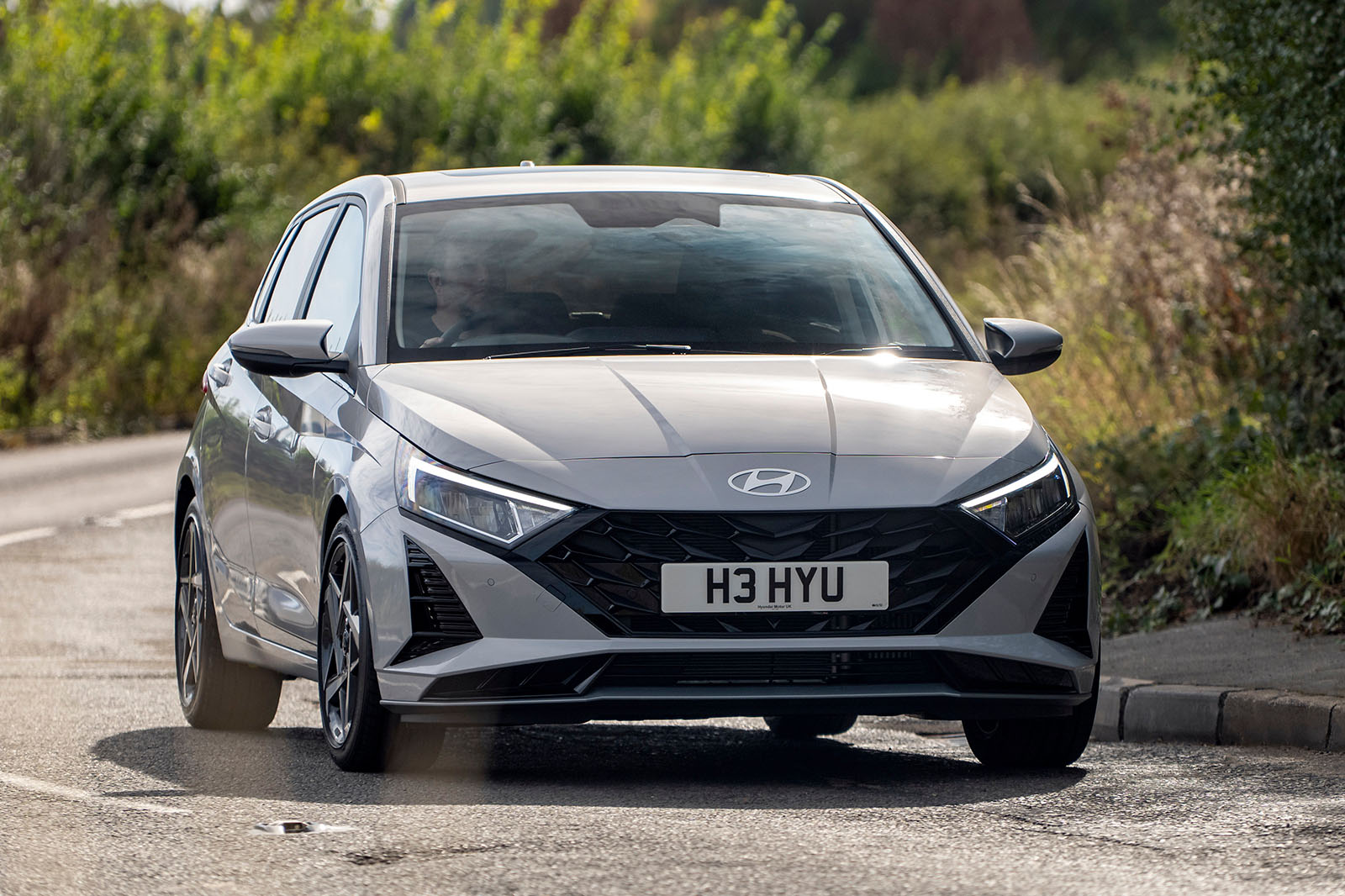
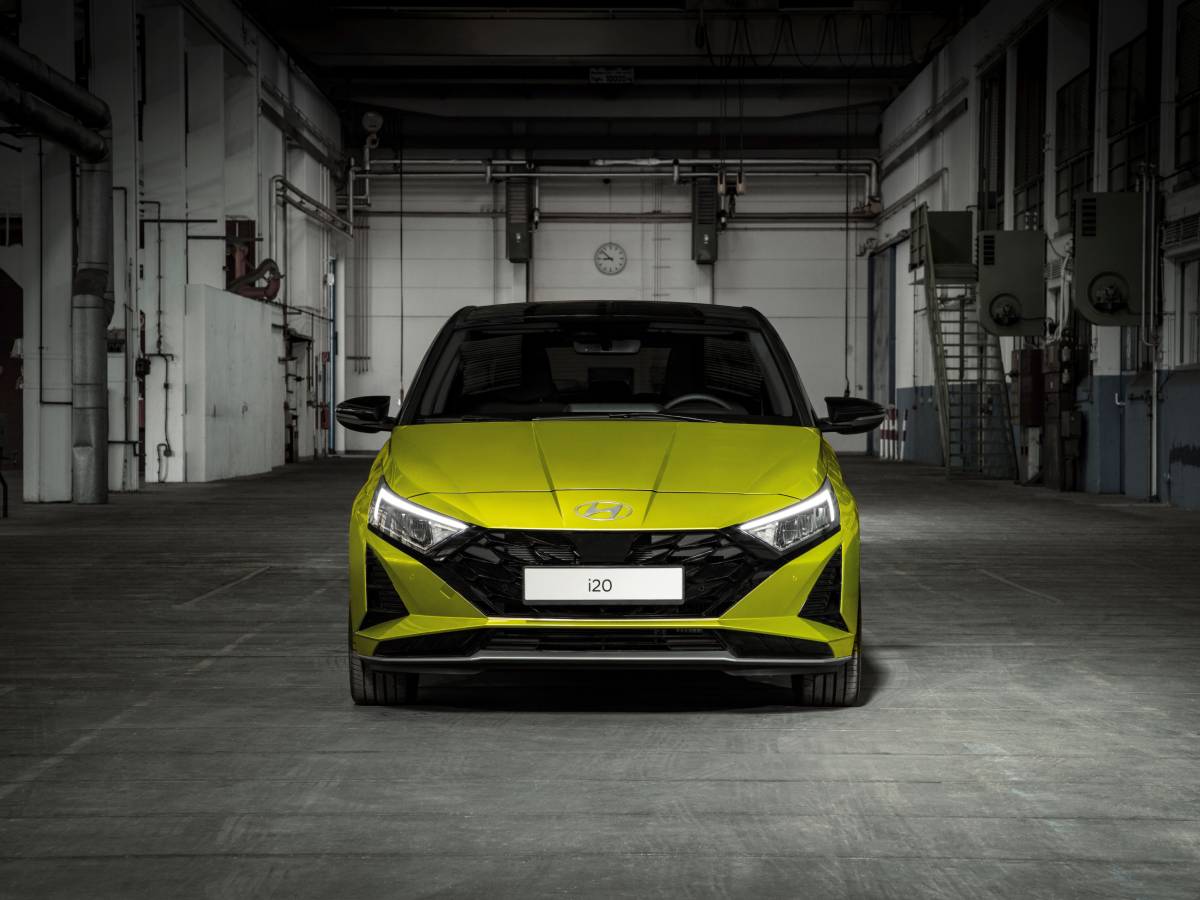
The 2024 Hyundai i20 is widely regarded as a balanced hatchback that prioritizes cabin comfort, modern technology, and fuel efficiency. Reviewers consistently praise its well-appointed interior and user-friendly infotainment system, though critics note that its driving dynamics remain more geared toward urban comfort than high-performance handling compared to some European rivals.
Understanding the 2024 Hyundai i20 Market Position
The Hyundai i20 has long occupied the competitive B-segment, sitting between the entry-level budget runabouts and the more premium-priced compact hatchbacks. By 2024, the i20 solidified its reputation as a value-driven contender that does not compromise on build quality. The model is positioned primarily for urban professionals and small families who require a reliable daily commuter that manages both city traffic and occasional highway travel with ease.
When looking at the 2024 model year specifically, the i20 serves as a refined iteration of the third-generation platform. It continues to compete against heavyweights like the Volkswagen Polo, the Ford Fiesta (in remaining markets), and the Peugeot 208. Unlike some of its competitors that lean into aggressive, stiff suspensions, the i20 focuses on a "damped" driving experience, absorbing road imperfections effectively—a feature that often emerges as the top point of praise in owner surveys and professional reviews alike.
Interior Design and Technological Features
The cabin is frequently cited by reviewers as the standout feature of the 2024 i20. Hyundai’s design language for this generation emphasizes horizontal lines and a sense of openness, making the car feel larger from the inside than its exterior dimensions suggest.
Infotainment and Connectivity
The centerpiece of the dashboard is the high-resolution touchscreen, which supports seamless smartphone integration. Reviewers have highlighted the following:
- Responsiveness: The software interface is noted for having minimal lag, a common complaint in budget-friendly segments.
- Physical Controls: Unlike many manufacturers that have moved almost all functions to touch-sensitive panels, the 2024 i20 retains physical buttons for climate control and volume. This decision is frequently lauded by automotive journalists as a superior ergonomic choice for safety and ease of use while driving.
- Digital Instrument Cluster: The customizable driver display provides clear, high-contrast information, allowing users to toggle between navigation maps, trip statistics, and safety alerts without cluttering the view.
Practicality and Ergonomics
While the i20 is a compact vehicle, the interior layout maximizes cargo space. The rear seats offer sufficient legroom for average-sized adults, though taller passengers may find the sloping roofline—a stylistic choice that gives the car its "sporty" silhouette—slightly intrusive for headroom on long journeys. The boot space is competitive for the class, often described as sufficient for a weekly grocery run or two large carry-on suitcases.
Powertrain Options and Driving Dynamics
The 2024 i20 typically features a range of efficient internal combustion engines, including small-displacement turbocharged units. The driving experience is characterized by predictability rather than excitement.
Engine Performance
Most reviewers emphasize the fuel efficiency of the 1.0-liter turbocharged T-GDi engines. These engines, often paired with a mild-hybrid system, are designed to reduce emissions and optimize fuel consumption during stop-and-go city traffic. While the horsepower figures are not meant for track use, the torque delivery is punchy enough for merging onto highways and overtaking at lower speeds.
Transmission and Handling
Buyers usually choose between a manual transmission and an automated dual-clutch transmission (DCT). The manual option is frequently praised for its light, short throw, which makes city driving less fatiguing. The DCT, while smooth at speed, has been noted by some testers to feel slightly hesitant during low-speed crawling in heavy traffic, a common characteristic of dual-clutch technology.
The steering is light, which serves the primary purpose of this vehicle: easy parking and maneuverability in tight urban environments. Those seeking "driver engagement" might find the steering feedback somewhat muted, but for the vast majority of target users, this lightness is a positive feature.
Safety and Driver Assistance Systems
Hyundai has packed the 2024 i20 with a comprehensive suite of safety features branded as "SmartSense." This commitment to safety is a significant factor in the model's positive reviews.
- Lane Following Assist (LFA): Monitors lane markings to keep the vehicle centered, which is particularly useful for fatigue reduction on long highway drives.
- Forward Collision-Avoidance Assist (FCA): Uses radar and camera sensors to detect vehicles, pedestrians, and cyclists, automatically applying the brakes if the system detects an unavoidable impact.
- Blind-Spot Collision Warning: Provides visual and audible alerts, adding a layer of security that is not always standard in this segment.
It is important to note that the availability of these systems can vary based on trim levels and specific regional specifications. Potential buyers should verify the safety package included in their specific local trim to ensure they are getting the intended driver-assistance features.
Comparative Overview
To understand how the 2024 Hyundai i20 stacks up, it is helpful to compare it against typical segment standards.
| Feature Category | 2024 Hyundai i20 Strength | Typical Segment Alternative |
|---|---|---|
| Ergonomics | Excellent (Physical buttons retained) | Often touch-heavy/distracting |
| Cabin Space | Above average for class | Variable; often tighter in rear |
| Ride Quality | Balanced; focus on comfort | Often firmer/sportier |
| Tech Interface | Intuitive and fast | Often prone to software bugs |
| Warranty | Industry-leading (varies by region) | Standard 2-3 years |
Ownership Considerations and Maintenance
One of the most frequently mentioned aspects in long-term ownership reviews is the cost of maintenance. Hyundai’s reputation for reliability is a significant selling point. The 2024 model, like its predecessors, is generally considered inexpensive to service compared to European rivals that may have more complex or proprietary components.
Common Maintenance Tips
- Software Updates: Since the vehicle relies heavily on digital interfaces, owners are encouraged to keep the infotainment software updated. Many dealers can perform these during routine service visits.
- Hybrid Battery Health: For models equipped with the mild-hybrid system, owners should ensure the vehicle is driven regularly to keep the 48V battery properly charged.
- Brake Wear: Given that the i20 is often used in city conditions, brake pads are subject to more wear than in highway-focused vehicles. Regular inspections during scheduled oil changes are recommended.
Potential Limitations and Criticisms
No car is without its drawbacks. The 2024 i20, while highly rated, is not perfect. Critics frequently point to a few areas for potential improvement:
- Interior Materials: While the layout is excellent, some areas of the dash and door panels utilize hard plastics that can feel less premium than the soft-touch surfaces found in more expensive segments.
- Engine Noise: Under hard acceleration, the three-cylinder engine note can become audible in the cabin, which some users find less refined than four-cylinder alternatives.
- Road Noise: At highway speeds, road and wind noise are present. While not excessive for a B-segment car, it is a point of differentiation from more insulated C-segment vehicles.
Frequently Asked Questions
1. Is the 2024 Hyundai i20 suitable for long highway journeys? Yes, it is perfectly capable of long-distance driving. While it is designed for city use, the inclusion of cruise control and lane-keeping assistance makes it quite comfortable for highway travel, though it will not have the same acoustic isolation as a larger executive sedan.
2. Does the 2024 i20 have a reliable infotainment system? Generally, yes. The system is widely praised for its responsiveness. Like any complex digital system, it occasionally benefits from software updates to ensure optimal connectivity with newer smartphone operating systems.
3. What is the main difference between the manual and DCT versions? The manual transmission offers more control and is simpler to maintain over the long term. The DCT provides a "no-clutch" experience that is significantly more convenient in heavy stop-and-go traffic but requires more deliberate maintenance to ensure longevity.
4. How does the 2024 model differ from the 2023 version? The 2024 i20 primarily focuses on minor software refinements and trim adjustments. There were no major structural overhauls, meaning the 2024 model remains part of the established, reliable platform introduced in the previous model year.
5. Is the mild-hybrid system worth the extra cost? In urban settings, the mild-hybrid system can improve fuel economy and provide a smoother start-stop experience. If you drive primarily in city traffic, the return on investment through fuel savings and smoother operation is generally considered worthwhile.
Recommendation
The 2024 Hyundai i20 remains one of the most balanced choices for those seeking a practical, tech-forward, and reliable compact car. If your priority is ease of ownership, intuitive technology, and city-friendly dimensions, the i20 is an excellent candidate. Before purchasing, it is recommended that you test drive both the manual and DCT versions, as the driving experience differs significantly between the two. Always verify the specific safety package included in your chosen trim, as these features are highly valuable for modern driving conditions.