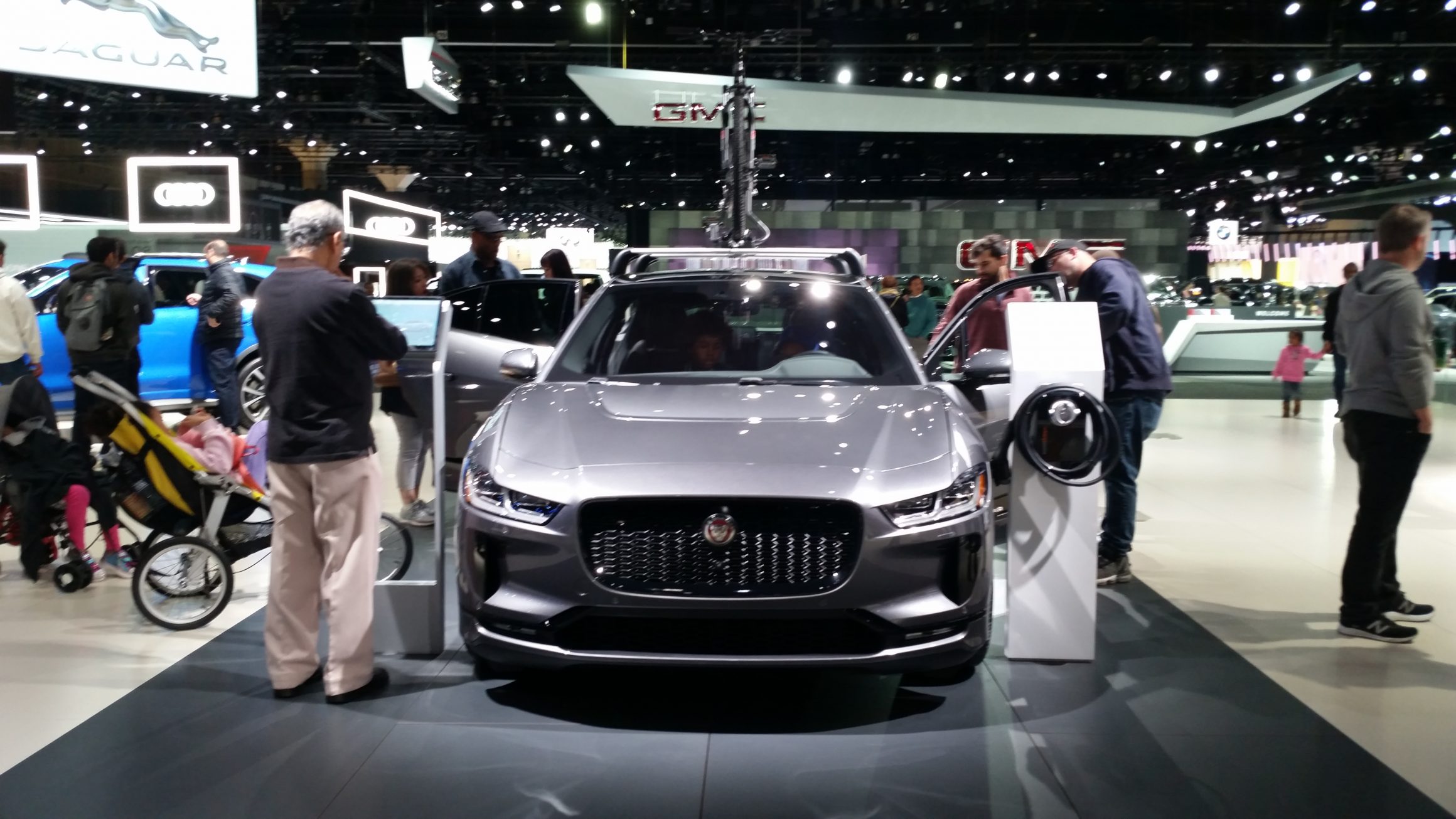
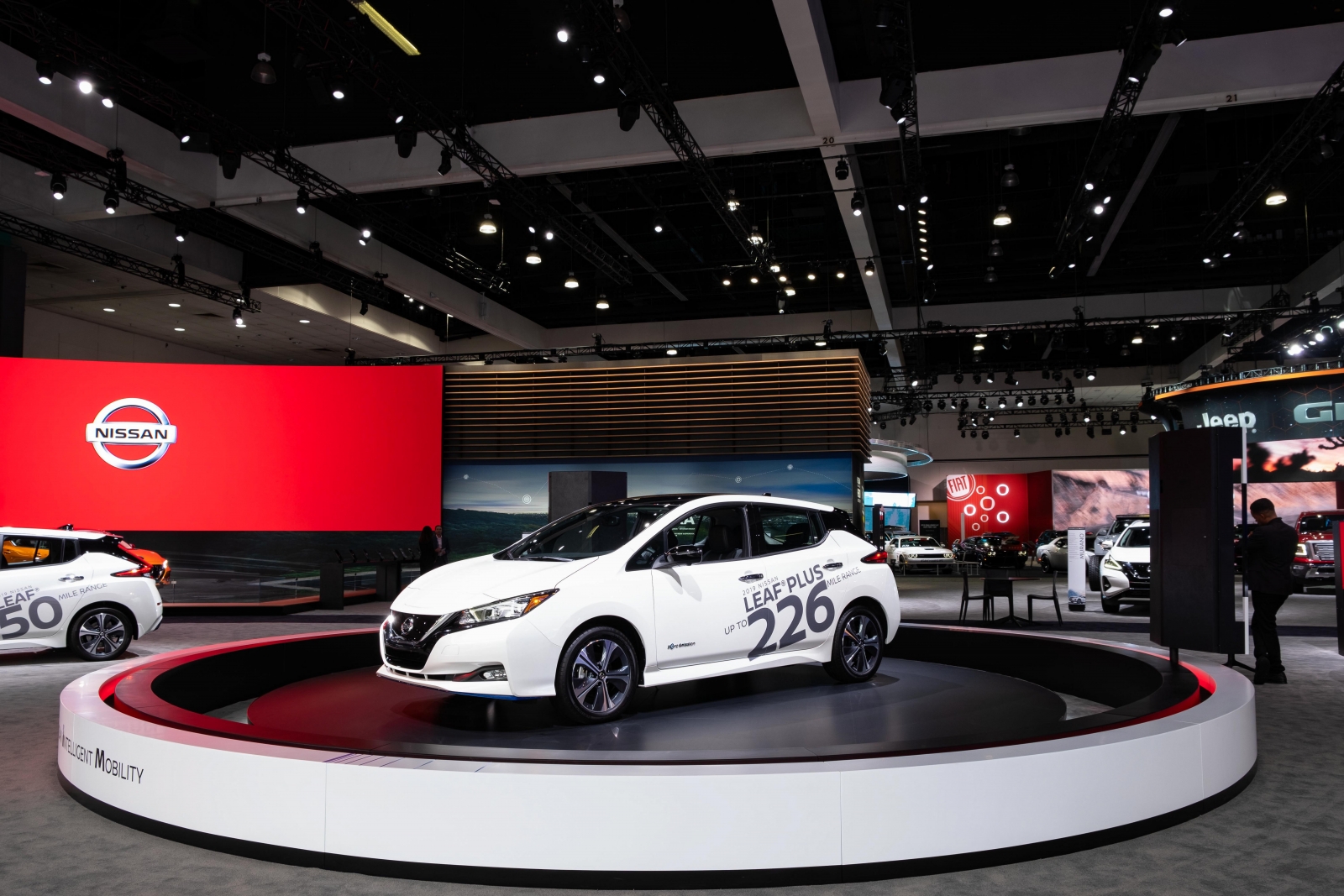
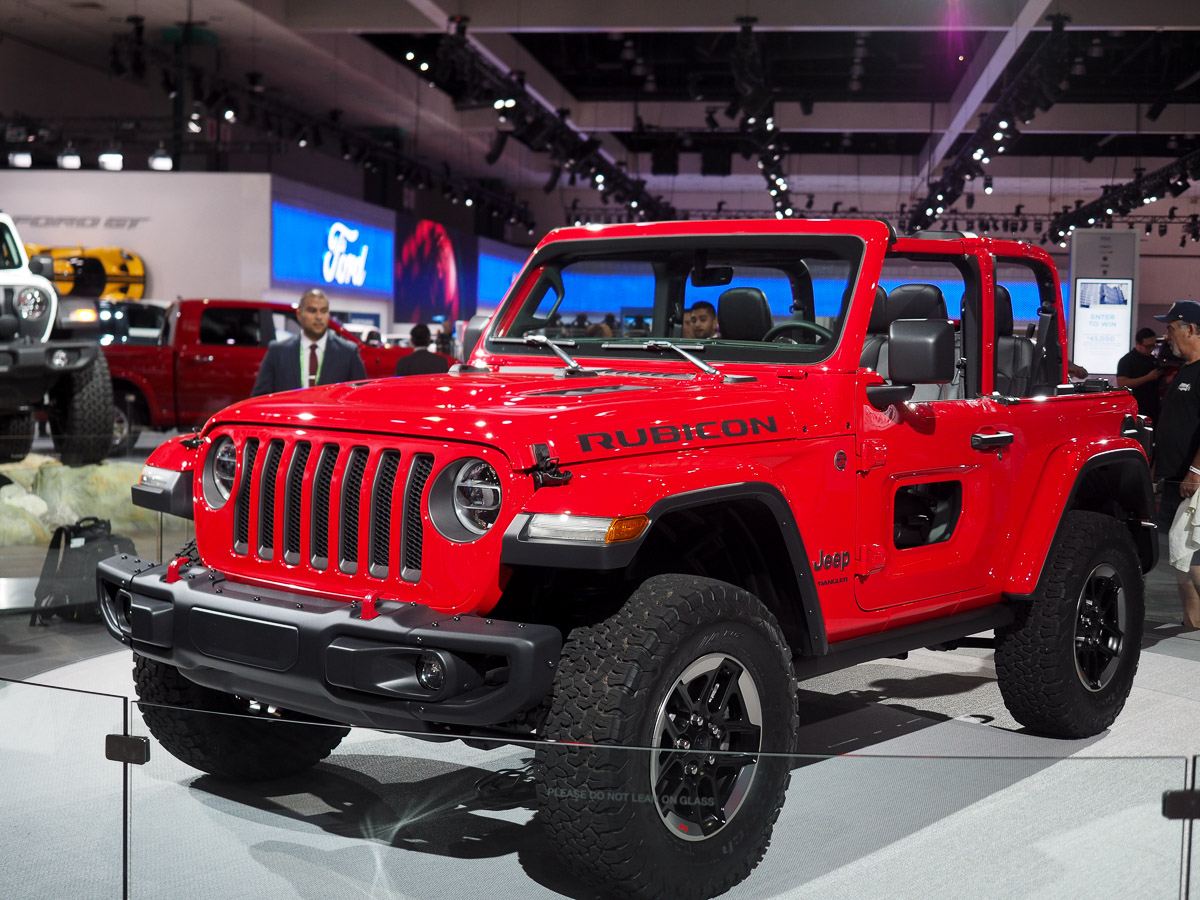
The 2019 Los Angeles Auto Show served as a critical nexus for the automotive industry, marking a period where traditional manufacturers began an aggressive pivot toward electrification while grappling with the practical limitations of charging infrastructure and consumer adoption. The event highlighted a shift from experimental prototypes to production-ready electric vehicles (EVs) and high-performance SUVs, sparking intense industry discourse regarding the future of vehicle ownership and design.
The Shift Toward Electrification: Production Reality
At the 2019 Los Angeles Auto Show, the primary narrative was no longer centered on "what could be," but rather on "what is available to buy." Unlike previous years where manufacturers showcased conceptual EVs that rarely saw the production line, the 2019 show was defined by tangible, mass-market-oriented electric vehicles.
The Ford Mustang Mach-E was arguably the most discussed debut. By applying the "Mustang" moniker to an electric crossover, Ford ignited a significant debate among enthusiasts and industry analysts. The move represented a strategic decision to leverage a high-equity brand name to accelerate EV adoption, illustrating that manufacturers were beginning to prioritize marketability over absolute adherence to traditional car segment definitions.
Simultaneously, the Porsche Taycan arrived with a focus on performance, directly challenging the notion that EVs were merely utilitarian appliances. This vehicle established the technical benchmarks for the "premium EV" segment, focusing on 800-volt charging architecture, which addressed one of the most critical debates of the time: the inconvenience of long charging durations.
Debate: Performance vs. Utility in the SUV Segment
The 2019 show also underscored an undeniable trend: the complete dominance of the SUV and crossover body style. However, this transition created a mounting debate regarding the efficiency of these vehicles, particularly when electrified.
Critics argued that replacing internal combustion engines (ICE) with massive battery packs in heavy, aerodynamically inefficient SUVs was an imperfect solution to carbon reduction. Despite these criticisms, manufacturers demonstrated that consumer preference for high seating positions and versatile cargo space was non-negotiable. The industry responded by refining hybrid-electric systems in SUVs, such as the Toyota RAV4 Prime and various plug-in hybrid (PHEV) offerings, which aimed to bridge the gap between pure electric city driving and the long-range convenience of gasoline engines.
Key Vehicles and Technological Highlights
To understand the scope of the 2019 show, one must look at the specific vehicle launches that defined the event. The following table highlights the notable models and their primary technical contributions to the 2019 landscape.
| Vehicle Model | Classification | Technical Highlight | Market Impact |
|---|---|---|---|
| Ford Mustang Mach-E | Battery Electric (BEV) | First mass-market electric Mustang | Validated the SUV form factor for EVs |
| Porsche Taycan | Battery Electric (BEV) | 800V system architecture | Set the performance standard for electric sedans |
| Toyota RAV4 Prime | Plug-in Hybrid (PHEV) | Exceptional range/performance | Demonstrated potential of high-efficiency hybrids |
| Hyundai IONIQ (Refresh) | Hybrid/PHEV/BEV | Versatile powertrain options | Provided accessible entry points for electrification |
| Karma Revero GT | Luxury Hybrid | Range-extender technology | Focused on design and luxury over mass adoption |
The Infrastructure Conflict
One of the most persistent debates occurring on the show floor involved the disparity between vehicle capability and public infrastructure. While manufacturers presented vehicles capable of rapid charging, industry analysts questioned whether the utility grid and the network of public charging stations were prepared to support the projected influx of EVs.
The "Chicken and Egg" dilemma—where consumers hesitated to buy EVs due to lack of chargers, and infrastructure providers hesitated to install chargers due to the low number of EVs—was a central theme. The 2019 show highlighted that OEMs (Original Equipment Manufacturers) were starting to form partnerships with third-party charging networks, signaling that car companies were finally accepting responsibility for the "fueling" ecosystem, not just the vehicle itself.
Design Language and Interior Evolution
Beyond the powertrain, the 2019 LA Auto Show reflected a massive transition in cabin technology. Screens began to dominate the dashboard, with physical buttons being replaced by haptic touch-sensitive interfaces. This trend sparked a debate regarding human-machine interface (HMI) safety. Automotive journalists and safety advocates raised concerns that the removal of tactile controls increased driver distraction.
Furthermore, interior material choices shifted during this period. Manufacturers began experimenting with sustainable, vegan-friendly, and recycled interior materials as a response to growing consumer interest in the environmental impact of the entire supply chain, rather than just tailpipe emissions.
The Role of Autonomy and Advanced Driver-Assistance Systems (ADAS)
While full autonomous driving remained a distant prospect, 2019 was the year ADAS became a standard consumer expectation rather than a luxury upgrade. At the show, manufacturers showcased improved versions of lane-keeping assist, adaptive cruise control, and emergency braking systems.
The debate here shifted from "will we have robotaxis?" to "how much control should the driver relinquish?" Many manufacturers struggled with the "handoff" problem—the scenario where an autonomous system fails and requires a distracted driver to regain control in seconds. This prompted a move toward more robust driver monitoring systems (DMS) using cameras to track eye movement and engagement, a precursor to the more sophisticated systems seen in vehicles today.
Sustainability and Supply Chain Transparency
A nuanced aspect of the 2019 event was the increased focus on the lifecycle assessment of vehicles. It was no longer sufficient for an EV to have zero tailpipe emissions; the industry began discussing the provenance of minerals like lithium, cobalt, and nickel required for batteries.
The debate surrounding the ethical sourcing of battery materials gained significant traction at the 2019 show, forcing many automakers to clarify their environmental, social, and governance (ESG) reporting. This period marked the beginning of a long-term commitment by major players to ensure that the transition to electric mobility did not come at an unacceptable environmental or human cost in the mining sector.
Frequently Asked Questions
1. Why was the Mustang Mach-E so controversial at the 2019 LA Auto Show?
The controversy stemmed from the use of the "Mustang" nameplate on an electric crossover. Purists felt it diluted the heritage of the iconic pony car, while industry analysts viewed it as a brilliant marketing move to position the Mach-E as an emotional, rather than purely functional, electric vehicle.
2. Did the 2019 LA Auto Show signal the end of the combustion engine?
Not immediately, but it marked the definitive beginning of the end for internal combustion as the industry's primary focus. The show demonstrated that the vast majority of R&D budgets were being diverted toward electrification, even if ICE vehicles remained the current volume leaders in sales.
3. What was the significance of the 800-volt architecture introduced in 2019?
The 800-volt system allowed for significantly faster charging times and lighter weight wiring compared to the standard 400-volt systems. It was a technological leap that enabled EVs to compete with the convenience of traditional refueling, directly addressing the primary concern of potential EV buyers.
4. How did the 2019 show address the lack of charging infrastructure?
The show highlighted a shift where automakers moved from selling only the vehicle to participating in the charging ecosystem. Manufacturers announced various partnerships and "plug-and-charge" initiatives, acknowledging that a seamless charging experience was essential for consumer trust.
5. Was fully autonomous driving a major feature in 2019?
No. By 2019, expectations for "Level 5" autonomous driving were heavily tempered. The focus shifted toward practical, incremental improvements in ADAS—technologies that assisted the driver rather than replacing them—due to the technical and regulatory challenges of full autonomy.
6. What was the impact of the shift to touchscreens?
The migration to touch-based interfaces created a significant debate regarding driver distraction. Experts argued that the removal of physical, tactile buttons required drivers to divert their eyes from the road to perform simple tasks like climate control, prompting a re-evaluation of cabin ergonomics in subsequent years.
Final Recommendation: Navigating the Historical Context
For researchers and automotive enthusiasts looking back at the 2019 Los Angeles Auto Show, it is essential to view it as the "Bridge Year." The show was not defined by a single breakthrough but by the solidification of a strategy: the industry officially bet its future on electrification while attempting to solve the legacy problems of infrastructure, battery supply chains, and user interface design.
If you are researching the evolution of specific models introduced that year, focus on the technical specifications released during the show’s press days, as these documents provide the baseline against which later production models were refined. The 2019 show serves as the primary benchmark for assessing how quickly manufacturers were able to pivot from the theoretical promises of the mid-2010s to the mass-market realities of the current day.