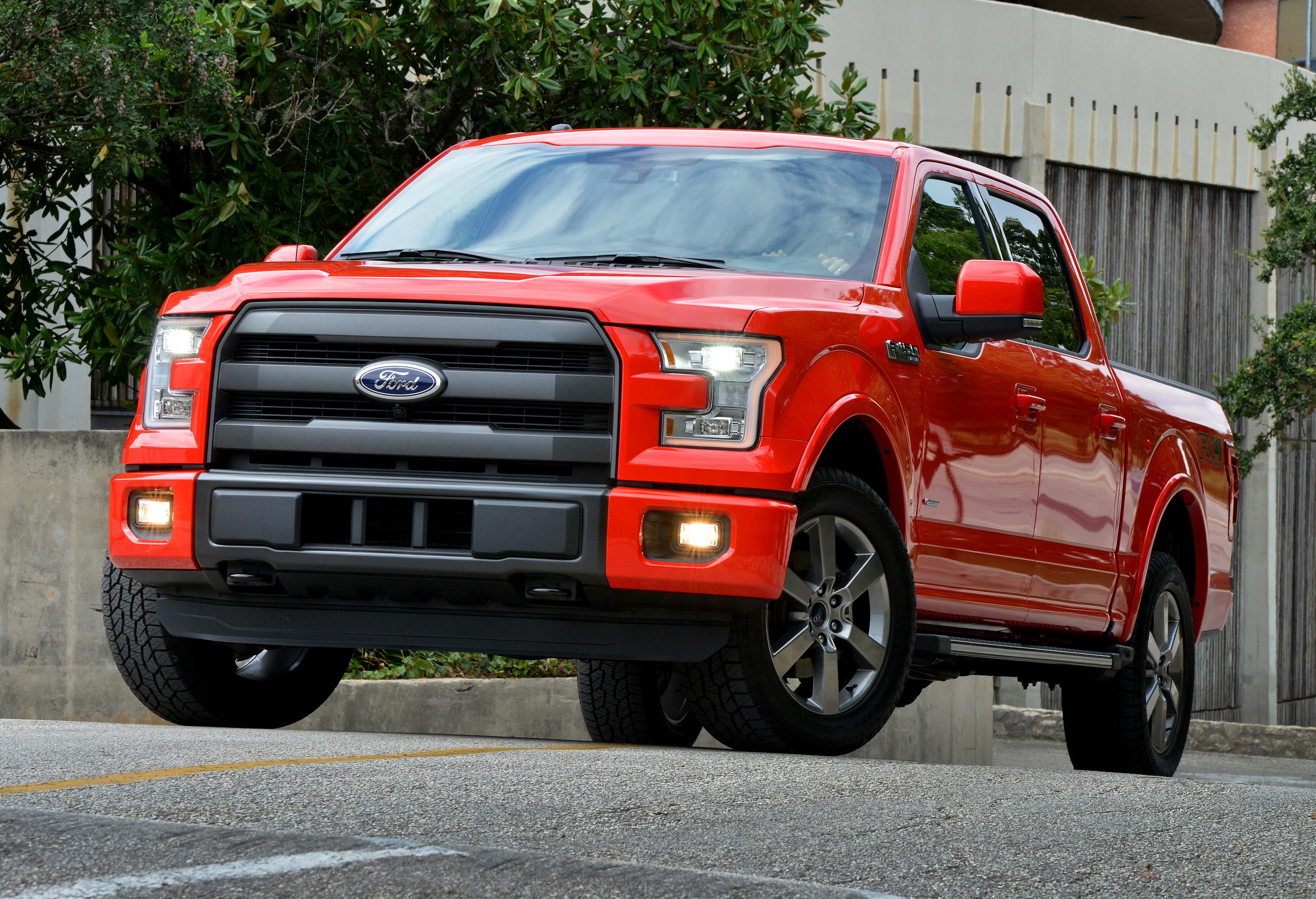
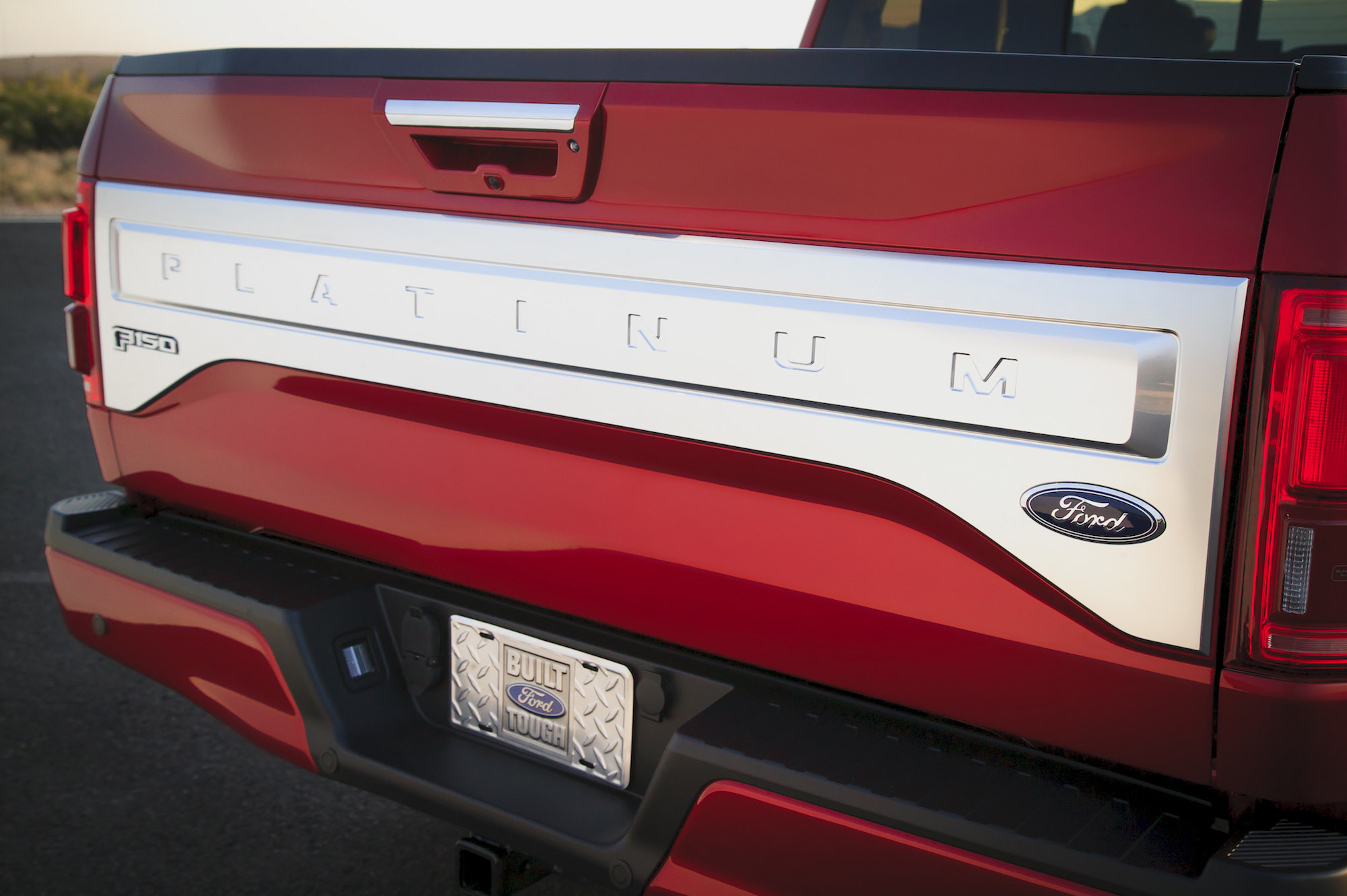
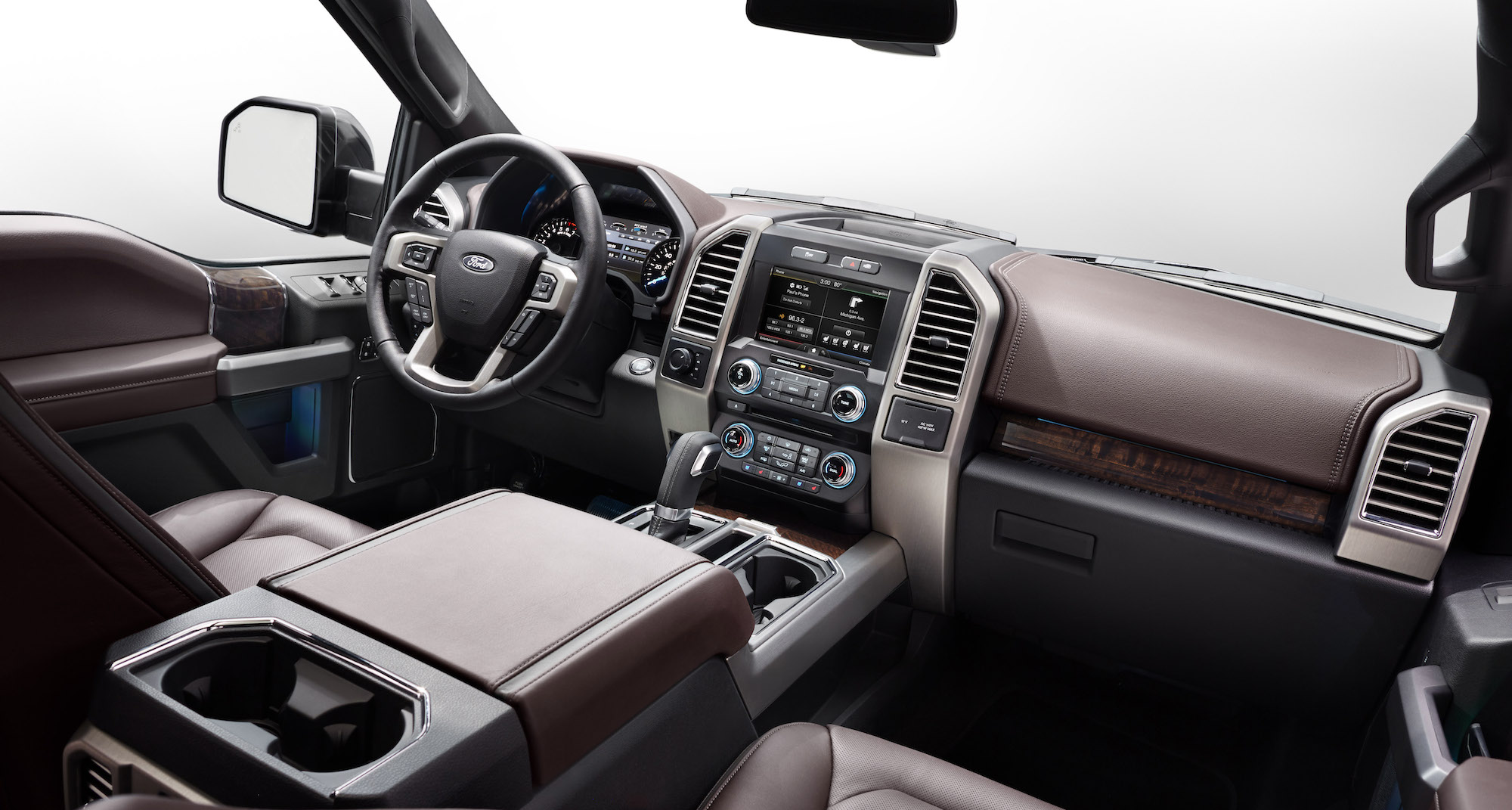
The 2015 Ford F-150 aluminum body marked a radical shift in full-size truck manufacturing, replacing traditional high-strength steel exterior panels with military-grade, high-strength aluminum alloys. This engineering overhaul dropped up to 700 pounds of vehicle weight, transforming fuel economy, payload capacity, towing dynamics, and long-term vehicle maintenance practices across the automotive industry.
The Engineering Shift: Transitioning from Steel to Aluminum
For decades, automotive manufacturers relied almost exclusively on steel for body panels, structural load-bearing components, and exterior skins. When Ford announced that its best-selling vehicle—the F-150—would transition to a high-strength aluminum body for the 2015 model year, it was a massive gamble. The primary driver behind this transition was the tightening of federal Corporate Average Fuel Economy (CAFE) standards. Heavy trucks struggle with fuel efficiency due to their mass, aerodynamic drag, and working loads.
To achieve meaningful gains in miles per gallon without drastically shrinking engine displacement or utility, engineers needed to slash dead weight. Aluminum offered a high strength-to-weight ratio compared to conventional steel. However, engineers could not simply swap steel stampings for aluminum ones. Aluminum behaves differently under stress, has distinct thermal expansion properties, and reacts chemically with other metals.
Ford utilized aerospace-grade aluminum alloys, specifically series 6000 and 5000 aluminum, chosen for their formability, corrosion resistance, and structural integrity. These alloys allowed Ford to maintain or improve crash safety performance while significantly reducing overall mass. The weight savings unlocked cascading improvements throughout the entire platform, permitting smaller, turbocharged EcoBoost engines to deliver V8-like capability with superior efficiency.
How the 2015 Ford F-150 Frame and Body Are Assembled
Constructing an aluminum-bodied truck required a complete reinvention of Ford's manufacturing plants, most notably the Rouge Complex in Dearborn, Michigan. Traditional welding techniques, such as resistance spot welding used for steel, are largely ineffective for aluminum because aluminum conducts heat too quickly and forms brittle intermetallic compounds.
To overcome this assembly hurdle, Ford implemented advanced joining methods borrowed from the aerospace industry. The 2015 F-150 utilizes high-strength structural adhesives combined with self-piercing rivets (SPRs). During assembly, pneumatic rivet guns drive specialized steel rivets through the aluminum panels and adhesive layers. The rivet flares out on the blind side, creating a mechanical lock that is exceptionally resistant to shear and fatigue forces. Flow-drill screws and laser welding were also deployed in specific structural areas.
It is a common misconception that the entire truck is made of aluminum. The chassis—the backbone of the truck—remains a fully boxed ladder frame constructed from high-strength steel. In fact, the 2015 frame increased its use of high-strength steel from 23 percent to 77 percent, making it stiffer and stronger than the previous generation while weighing up to 60 pounds less. The aluminum body is mounted directly to this high-strength steel foundation, with special isolators installed at contact points to prevent galvanic corrosion caused by direct contact between dissimilar metals.
Weight Reduction and Its Impact on Capability
Shedding between 500 and 700 pounds (depending on the cab style, bed length, and trim level) fundamentally changed how the F-150 performed on the road and on the job site. Weight reduction is the holy grail of automotive performance because every pound removed improves acceleration, braking, handling, and efficiency simultaneously.
Fuel Economy and Efficiency
By reducing dead weight, the engine does not have to work as hard to get the vehicle moving or maintain highway speeds. This weight loss allowed Ford to introduce the 2.7-liter EcoBoost V6 engine, a powerplant optimized for light-duty efficiency while delivering robust torque. Even with traditional powerplants like the 5.0-liter V8 or the 3.5-liter EcoBoost V6, fuel economy numbers rose noticeably compared to the 2014 models.
Payload and Towing Capacities
In truck engineering, every pound saved in the body can be transferred directly into payload capacity. Because the aluminum body and high-strength steel frame weighed significantly less than the outgoing steel architecture, the Gross Vehicle Weight Rating (GVWR) allocation shifted. Consequently, properly equipped 2015 F-150 models boasted class-leading maximum payload and towing ratings, outperforming several heavy-duty competitors in specific configurations.
Driving Dynamics
Lighter vehicles change direction more willingly. Drivers transitioning from older generation trucks noted that the 2015 model felt more agile, with reduced body roll in corners, sharper steering response, and shorter stopping distances. The reduction in unsprung and sprung mass allowed the suspension tuning to strike a better balance between a compliant ride and heavy-duty load management.
Galvanic Corrosion, Structural Durability, and Maintenance
One of the most intense debates surrounding the 2015 F-150 release centered on durability. Skeptics questioned how an aluminum truck would withstand daily abuse, harsh winter environments, and physical impacts.
| Feature / Attribute | Traditional Steel Body (Pre-2015) | Aluminum Body (2015+ F-150) |
|---|---|---|
| Material Composition | Mild & High-Strength Steel | Military-Grade Aluminum Alloys |
| Primary Assembly Method | Resistance Spot Welding | Structural Adhesives & Rivets |
| Corrosion Behavior | Prone to red rust when paint fails | Forms protective oxide layer |
| Galvanic Risk | Low with standard fasteners | Managed via isolation barriers |
| Repair Complexity | Standard body shop procedures | Specialized tooling & training |
Aluminum does not rust like steel. When exposed to oxygen, aluminum forms a microscopic layer of aluminum oxide that prevents further degradation. If a steel panel is scratched down to the bare metal, red iron oxide forms and spreads underneath the paint. A scratch on an aluminum body panel may expose dull metal, but it will not develop destructive red rust.
However, aluminum is vulnerable to galvanic corrosion—an electrochemical reaction that occurs when aluminum comes into direct contact with unprotected steel or other dissimilar metals in the presence of an electrolyte like road salt and moisture. Ford engineered around this by applying protective e-coat primers, using specialized sealants, and utilizing composite fasteners and isolation barriers at every junction where the aluminum body meets steel components or the frame.
Collision Repair Realities and Insurance Implications
When the 2015 F-150 hit the market, collision repair professionals faced a steep learning curve. Repairing aluminum requires specialized equipment to avoid cross-contamination that can compromise structural integrity.
- Dedicated Workspaces: Aluminum body panels must be repaired away from steel dust. If steel particles settle on raw aluminum and are later painted over, micro-corrosion can form beneath the paint surface.
- Specialized Tools: Technicians cannot use standard steel hammers, dollies, or welding torches. Aluminum requires specific pulling stations, rivet guns, and pulse-MIG welders.
- Panel Replacement vs. Repair: Because aluminum work hardens faster than steel, stretching and reshaping damaged panels is often more difficult. In many cases, Ford's repair procedures call for sectioning or complete panel replacement using structural rivets and bonding adhesives.
These specialized requirements initially caused insurance premiums to spike for the 2015 model year. Insurers factored in higher labor rates, specialized tooling requirements, and the tendency of body shops to replace entire assemblies rather than perform minor repairs. Over time, as certified aluminum repair networks expanded and technicians gained experience, repair costs stabilized closer to industry norms.
Pros and Cons of the 2015 Ford F-150 Aluminum Body
Evaluating the long-term viability of the aluminum F-150 requires balancing its engineering achievements against its practical ownership challenges.
Pros:
- Weight Savings: Up to 700 pounds lighter, improving power-to-weight ratios and handling.
- Corrosion Resistance: Immune to traditional red rust, making it highly resilient in regions that heavily salt winter roads.
- Enhanced Capability: Lighter body mass allows for higher payload and towing limits within class specifications.
- Fuel Efficiency: Contributed directly to meeting stricter fuel economy standards and lowering operating costs.
Cons:
- Higher Repair Costs: Requires specialized collision repair equipment, certified technicians, and strict workspace segregation.
- Specialized Joining: Cannot be patched or welded using standard roadside or traditional backyard mechanic methods.
- Perception and Insurance: Initial market skepticism and specialized repair procedures led to higher insurance premiums during the vehicle's early years.
- Denting Vulnerability: While aluminum resists tearing and puncturing well, certain alloys can be more prone to visible denting under sharp impacts if not properly supported by inner reinforcements.
Frequently Asked Questions
Will a magnet stick to the 2015 Ford F-150 body?
No. Standard magnets will not stick to the aluminum exterior body panels (such as the doors, fenders, hood, and tailgate) because aluminum is a non-ferrous metal. However, a magnet will stick to the steel frame underneath and certain trim components, which is a quick way to verify where steel versus aluminum is used on the truck.
Does the aluminum body make the truck less safe in a crash?
No. In official crash testing conducted by the Insurance Institute for Highway Safety (IIHS) and the National Highway Traffic Safety Administration (NHTSA), the 2015 Ford F-150 achieved top safety marks, including a 5-star overall safety rating and IIHS Top Safety Pick status. The energy-absorbing nature of the high-strength aluminum structure combined with the rigid steel frame actually improved crash energy management compared to the older steel models.
Can traditional body shops fix a dented aluminum F-150?
Not safely or properly without specific training and equipment. Traditional body shops that only work on steel often lack the dedicated tools, rivet guns, and isolated clean rooms required to prevent cross-contamination and galvanic corrosion. Owners should seek out Ford-certified aluminum repair facilities to ensure structural integrity is maintained.
Does aluminum corrode or rust like traditional steel trucks?
Aluminum does not form red iron rust. When exposed to moisture and air, it oxidizes to form a dull, protective film that halts further degradation. However, it can suffer from galvanic corrosion if it comes into direct contact with unprotected steel or other reactive metals in the presence of road salt, which is why Ford engineered rigorous isolation barriers during manufacturing.
How does the aluminum body affect resale value?
Over time, the market has accepted the aluminum F-150, recognizing its durability, fuel efficiency, and resistance to body rust. Resale values for the 2015 model remain competitive within the full-size truck segment, largely because concerns regarding structural fragility and insurance costs subsided as repair networks matured and real-world durability was proven.
Conclusion and Next Actions
The 2015 Ford F-150 aluminum body was a watershed moment for the automotive industry, proving that high-volume light-duty trucks could successfully shed hundreds of pounds without sacrificing utility or safety. If you are shopping for a used 2015 F-150 or currently own one, prioritize verifying the vehicle's accident and maintenance history through official vehicle history reports. When addressing cosmetic damage or structural repairs, ensure that any servicing is performed by a certified collision repair center equipped with dedicated aluminum tooling to protect your investment from improper repair techniques and long-term corrosion.