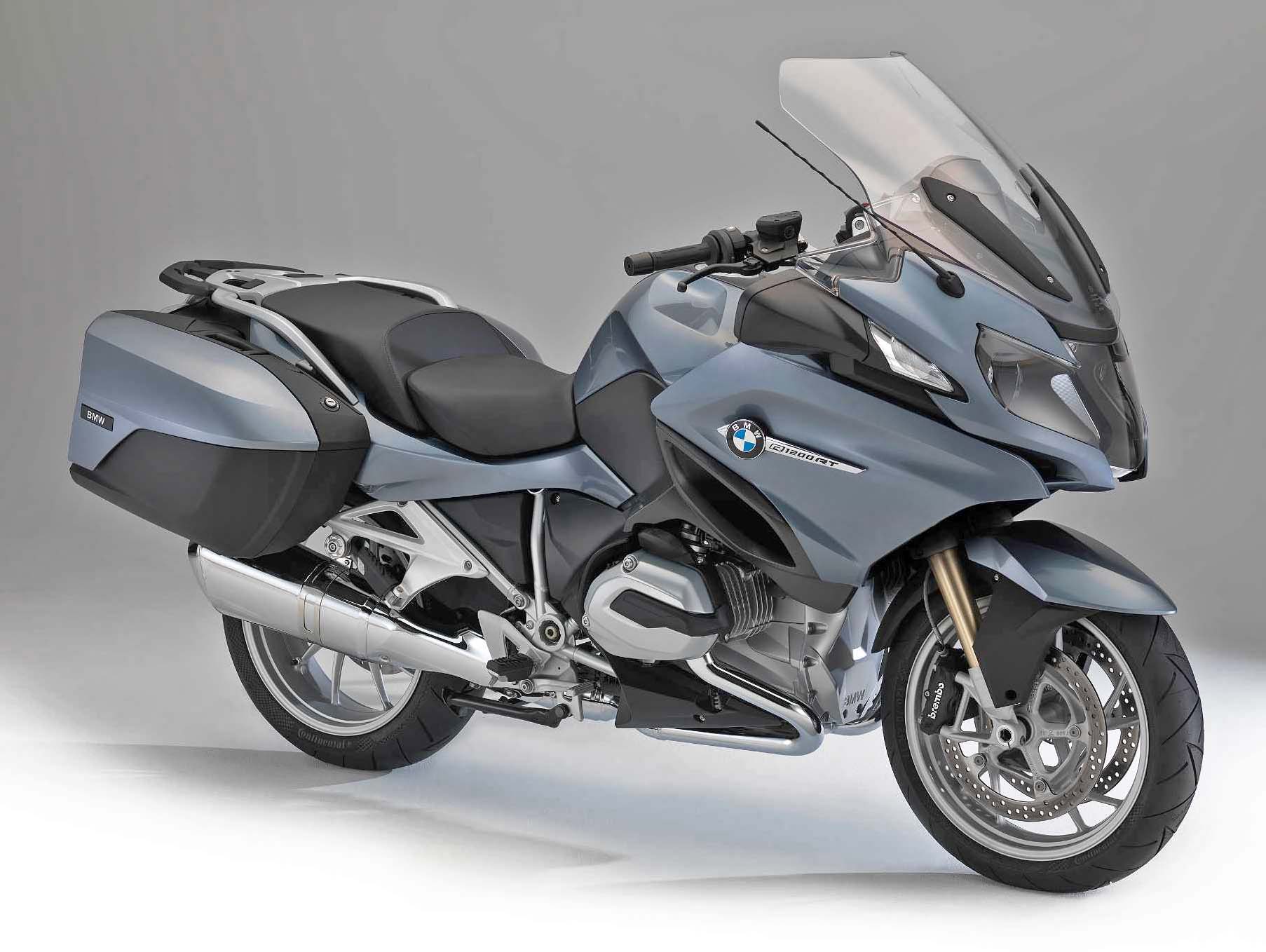
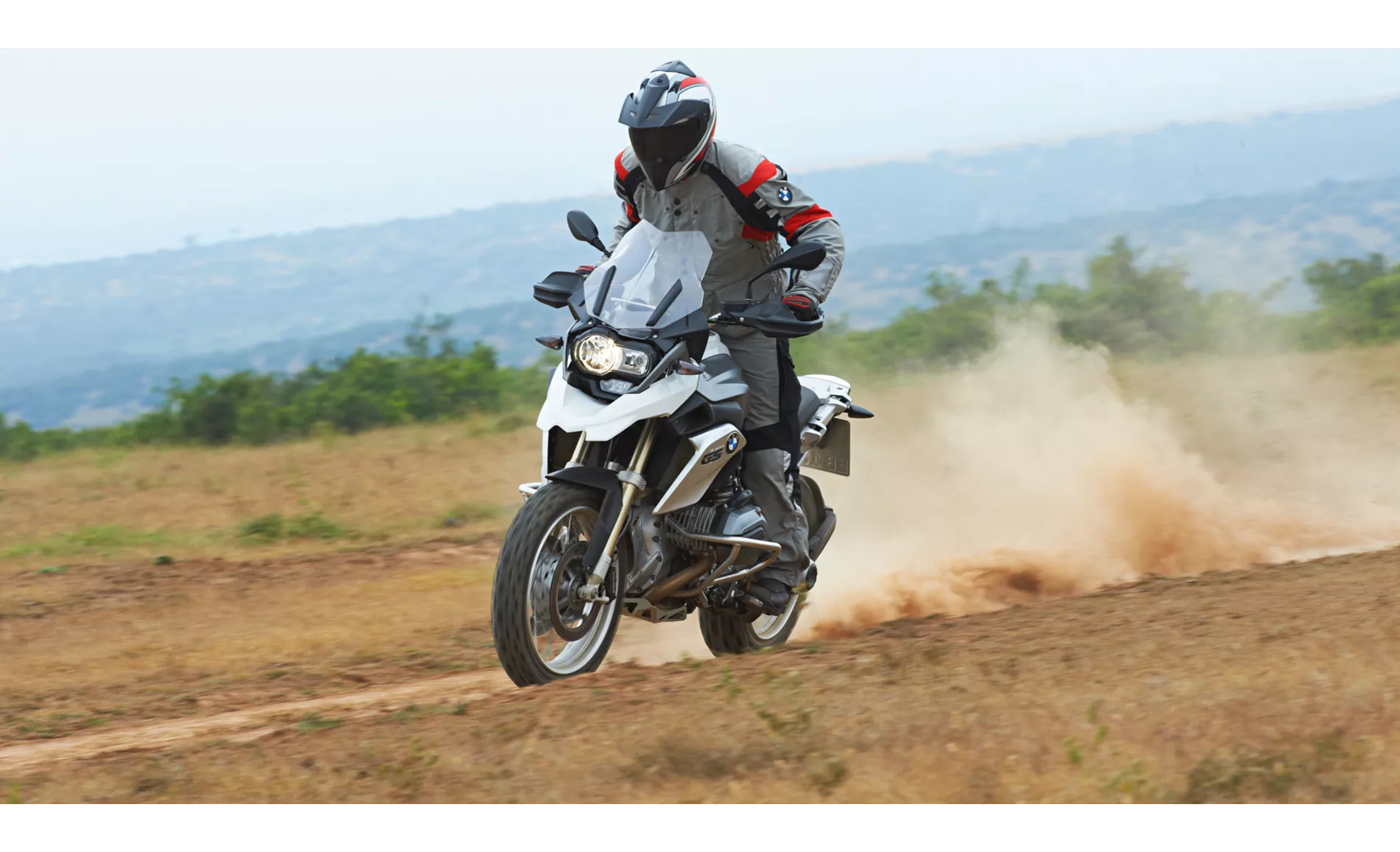
The 2014 BMW R 1200 GS delivers 125 horsepower and 92.5 lb-ft of torque from its 1,170 cc liquid-cooled boxer twin engine. Accelerating from 0 to 60 mph in 3.6 seconds with a top speed exceeding 125 mph, this iconic adventure motorcycle combines precision Telelever suspension, advanced Dynamic ESA electronics, and exceptional long-distance performance.
The K50 Era: Architecture of the Liquid-Cooled Boxer
The 2014 model year represents the second production year of the fifth-generation BMW R 1200 GS (internal factory code K50). Introduced late in 2012 for the 2013 model year, the K50 architecture marked the most radical technical transformation in the history of BMW’s flagship adventure series. Prior generations relied on air/oil cooling, but growing emissions constraints and market demands for higher output required a fundamental shift in engine design.
Known informally among enthusiasts as the "Wasserboxer" or "Waterhead," the 2014 R 1200 GS implemented a precision liquid-cooling concept. Rather than routing coolant across the entire cylinder block, BMW engineers targeted only the critical high-heat zones: the cylinder heads and valve passages. Liquid coolant accounts for approximately 35% of the total engine cooling capacity, while the remaining 65% remains air-cooled via ambient airflow across the traditional exterior cooling fins. This targeted approach allowed BMW to maintain the iconic aesthetic of the exposed boxer engine while achieving tighter thermal tolerances, higher compression, and increased output.
Beyond the cooling architecture, the K50 generation relocated the intake and exhaust flow from a horizontal orientation to a vertical flow design. Air enters directly from above through throttle bodies positioned over the intake valves, exiting through down-turned exhaust ports below. This vertical flow path increases volumetric efficiency, yielding immediate throttle response and a broader torque band throughout the rev range.
Engine and Drivetrain Specifications
At the heart of the 2014 BMW R 1200 GS is a 1,170 cc dual-overhead-camshaft (DOHC), four-stroke flat-twin engine. Featuring four valves per cylinder driven by chain-driven camshafts and balance shafts to suppress vibration, the power unit delivers smooth, predictable power across low, mid, and high engine speeds.
Bore x Stroke: 101 mm x 73 mmDisplacement: 1,170 ccCompression Ratio: 12.5:1Maximum Power Output: 125 hp (92 kW) @ 7,750 rpmMaximum Peak Torque: 92.5 lb-ft (125 Nm) @ 6,500 rpmFuel System: Electronic Intake Pipe Injection / BMS-X Engine Management
Integrated Transmission and Wet Slipper Clutch
A major engineering departure in the 2014 model was the integration of the transmission directly into the engine housing rather than utilizing a separate gearbox case as found on pre-2013 models. This compact construction dramatically shortened the engine-gearbox assembly, allowing BMW engineers to lengthen the rear swingarm for improved traction without expanding the total wheelbase of the motorcycle.
The drivetrain utilizes a constant-mesh six-speed transmission linked to a multi-plate wet clutch featuring an anti-hopping (slipper) function. The slipper clutch eliminates rear-wheel hop during aggressive downshifts under heavy braking. Drive is transferred to the rear wheel via BMW’s signature Cardan shaft drive system, which was shifted from the right side to the left side of the swingarm on the K50 platform to clear room for the right-side exhaust silencer.
Real-World Performance Dynamics
The 2014 BMW R 1200 GS balances highway touring capability, aggressive backroad agility, and off-road tractor-like tractability. The 1,170 cc boxer engine provides immediate off-idle torque, making slow-speed maneuvers, hill starts, and technical off-road riding effortless.
Acceleration and Speed Metrics
On asphalt, the 2014 R 1200 GS accelerates rapidly despite its 525 lb (238 kg) road-ready curb weight. The linear torque curve delivers strong roll-on performance in higher gears, eliminating the need for frequent downshifts when passing highway traffic.
- 0 to 60 mph (0 to 100 km/h): 3.6 seconds
- 0 to 100 mph (0 to 160 km/h): 8.2 seconds
- Standing Quarter-Mile: 11.5 seconds @ 118 mph
- Top Speed: 137 mph (220 km/h) electronically governed / drag limited
Fuel Economy and Range
Equipped with electronic intake-pipe injection and dual-spark ignition managed by the BMW BMS-X ECU, the 2014 R 1200 GS operates efficiently under varied loads.
- Average Consumption: 48–52 mpg (US) under steady highway cruising at 65 mph; 40–44 mpg under spirited riding conditions.
- Fuel Capacity: 5.3 US gallons (20 liters), including a 1.0 gallon (4.0 liter) reserve.
- Effective Touring Range: 220 to 260 miles per tankful depending on rider aggression, luggage, and ambient wind conditions.
Chassis, Suspension, and Braking Technology
BMW engineered the 2014 R 1200 GS chassis to maintain stability across high-speed autobahns while retaining precise low-speed steering control over dirt trails and loose gravel.
- CHASSIS LAYOUT
- Front Telelever Suspension
- 37mm Stanchion Tubes
- Two-Section Frame
- Engine as Load
- Paralever
- Shaft Drive
- Front Telelever Suspension
Telelever and Paralever Geometry
The chassis consists of a two-section frame comprising a main front frame and a bolt-on rear subframe, with the engine and gearbox housing functioning as stress-bearing structural elements.
- Front Suspension (BMW Telelever): Incorporates a central spring strut and a trailing arm linked to a 37 mm fork stanchion assembly. The Telelever decouples steering forces from suspension forces, effectively eliminating front-end brake dive under hard braking while maintaining steady chassis geometry. Travel is 7.5 inches (190 mm).
- Rear Suspension (BMW EVO Paralever): Features a single-sided aluminum swingarm with a central WAD (progressive damping) spring strut. The Paralever linkage neutralizes the rising and squatting forces typical of shaft-driven motorcycles during acceleration and deceleration. Travel is 7.9 inches (200 mm).
Braking System
Stopping power is delivered through an integrated high-performance Brembo brake system backed by BMW Motorrad’s switchable Partial-Integral ABS.
- Front Brakes: Dual 305 mm floating discs paired with radially mounted four-piston Brembo monobloc calipers.
- Rear Brake: Single 276 mm disc paired with a two-piston floating caliper.
- ABS Operation: The Partial-Integral system automatically applies rear brake force when the rider actuates the front brake lever. ABS can be temporarily disengaged or adjusted via riding modes for off-road operation.
Electronic Systems, Dynamic ESA, and Ride Modes
The 2014 BMW R 1200 GS offered cutting-edge electronic rider assistance systems managed through a ride-by-wire electronic throttle system (E-Gas).
Dynamic ESA (Electronic Suspension Adjustment)
Available as a factory option, Dynamic ESA continuously monitors wheel movement, vehicle attitude, acceleration, and deceleration via vertical and horizontal spring-travel sensors. The system adjusts damper valves electronically within milliseconds to match real-time surface conditions and dynamic vehicle load.
Riders can manually select baseline preload configurations:
- Single Rider
- Single Rider with Luggage
- Rider with Passenger and Luggage
Factory Riding Modes
The optional Ride Modes Pro system integrates throttle response, Automatic Stability Control (ASC / traction control), dynamic ABS calibration, and Dynamic ESA damping rates into unified preset profiles:
- Rain: Softened throttle curve, early traction control intervention, maximum ABS sensitivity, and compliant suspension damping for wet, low-grip asphalt.
- Road: Direct throttle response, balanced traction control, standard ABS, and optimized street damping for dry touring.
- Dynamic: Aggressive throttle response, delayed ASC intervention for controlled rear drift, firmer dynamic damping, and sport-focused ABS response.
- Enduro: Softened throttle response tailored for off-road traction, relaxed ASC allowing controlled wheelspin on dirt, off-road ABS calibration for loose surfaces.
- Enduro Pro (Activated via Coding Plug): Full engine response, traction control disabled at the rear wheel, ABS disabled at the rear wheel to permit rear-brake steering, firmest off-road damping profile.
2014 Model Year Updates and Factory Refinements
While the K50 generation launched in 2013, BMW implemented several notable mechanical refinements for the 2014 model year based on initial real-world feedback:
- Standard Steering Damper: Following reports of light front-end feedback under rapid acceleration over uneven tarmac on 2013 models, BMW fitted a hydraulic steering damper as standard factory equipment across all 2014 R 1200 GS builds.
- Updated Flywheel Mass Option: Late-year 2014 production models began incorporating the heavier flywheel mass originally developed for the R 1200 GS Adventure (GSA). This extra crankshaft mass smoothed out low-RPM engine operation, making low-speed technical off-road riding and slow-speed city crawling significantly less prone to stalling.
- Optional Gear Shift Assistant Pro: Introduced late in the 2014 production run, this system enabled clutchless upshifts and downshifts under load, automatically blipping the throttle on downshifts.
- Instrument Cluster Tweaks: Minor software updates improved menu navigation speed on the digital multi-controller dashboard operated via the left-handlebar Multi-Controller wheel.
2014 BMW R 1200 GS Comprehensive Specifications Table
The following table provides the complete verified technical data for the standard 2014 BMW R 1200 GS (K50).
| Feature Category | Technical Specification | Data / Value |
|---|---|---|
| Engine | Type | Air/liquid-cooled DOHC four-stroke flat-twin (boxer) |
| Displacement | 1,170 cc | |
| Bore x Stroke | 101 mm x 73 mm | |
| Max Horsepower | 125 hp (92 kW) @ 7,750 rpm | |
| Max Torque | 92.5 lb-ft (125 Nm) @ 6,500 rpm | |
| Compression Ratio | 12.5:1 | |
| Valve Train | DOHC, 4 valves per cylinder, intake 40 mm, exhaust 34 mm | |
| Drivetrain | Clutch | Multi-plate wet clutch with slipper function (anti-hopping) |
| Transmission | Constant-mesh 6-speed gearbox integrated into engine case | |
| Final Drive | Cardan shaft drive (Ratio 2.91:1) | |
| Chassis & Suspension | Frame Type | Two-section frame (front/main subframe) with load-bearing engine |
| Front Suspension | BMW Telelever, 37 mm stanchions, central spring strut | |
| Rear Suspension | BMW EVO Paralever swingarm, WAD strut, dynamic damping | |
| Front Wheel Travel | 7.5 in (190 mm) | |
| Rear Wheel Travel | 7.9 in (200 mm) | |
| Brakes & Wheels | Front Brakes | Dual 305 mm floating discs, 4-piston radial Brembo calipers |
| Rear Brake | Single 276 mm disc, 2-piston floating caliper | |
| ABS System | BMW Motorrad Integral ABS (partial-integral, switchable) | |
| Front Tire / Wheel | 120/70 R 19 (Cast aluminum or optional cross-spoke) | |
| Rear Tire / Wheel | 170/60 R 17 (Cast aluminum or optional cross-spoke) | |
| Dimensions & Capacities | Overall Length | 87.0 in (2,207 mm) |
| Overall Width | 37.5 in (953 mm) including hand guards | |
| Seat Height | Standard: 33.5 / 34.3 in (850 / 870 mm) | |
| Low Seat Option | 32.3 / 33.1 in (820 / 840 mm) | |
| Curb Weight (Wet) | 525 lbs (238 kg) with full tank | |
| Payload Capacity | 467 lbs (212 kg) | |
| Usable Tank Volume | 5.3 US gal (20.0 liters) | |
| Performance | 0–60 mph (0–100 km/h) | 3.6 seconds |
| Top Speed | > 125 mph (> 200 km/h) | |
| Fuel Consumption | ~48 mpg (4.9 L/100 km) highway average |
Maintenance Intervals, Common Issues, and Buyer Considerations
For pre-owned motorcycle buyers and current owners, maintaining the 2014 R 1200 GS involves key schedules and mechanical checks established by BMW service guidelines.
- 6,000 Miles (10,000 km): Engine Oil & Filter Change
- 12,000 Miles (20,000 km): Valve Clearance & Spark Plugs
- 12,000 Miles (20,000 km): Final Drive Fluid Change
- 2 Years: Brake Fluid Flush (Brembo Integral)
Scheduled Maintenance Highlights
- 6,000 Miles (10,000 km): Change engine oil (SAE 5W-40 API SL / JASO MA2) and oil filter. Perform visual check of brakes, lines, and tire pressures.
- 12,000 Miles (20,000 km): Inspect valve clearances (shim-under-bucket system), replace dual spark plugs, change final drive oil (75W-90 synthetic), check air filter, and calibrate synchro throttle bodies.
- Every 2 Years: Flush and bleed front and rear brake hydraulic fluid circuits.
Known Technical Checks for Pre-Owned Buyers
- Stator and Alternator Function: The stator on the early K50 models is located deep inside the engine case behind the transmission. If an alternator fails, engine removal is required to replace it. Verify battery charging voltage is steadily between 13.8V and 14.4V while running.
- Driveshaft Inspection: BMW Motorrad initiated global service actions regarding water entry into the swingarm tunnel, which can cause premature corrosion of the cardan shaft universal joints. Ensure the swingarm drain valve rubber nib has been fitted and inspect the shaft drive for binding or rotational play.
- Switchgear Assembly Reliability: Early production handlebar switchgear clusters suffered from water intrusion causing failure of starter buttons or cruise control toggles. Most were replaced under warranty, but buyers should test every handlebar switch during inspection.
- Water Pump Weep Hole: The liquid-cooling water pump sits on the front lower face of the engine. A tiny weep hole drains excess seal condensation. Moderate coolant tracking or oil residue around this port indicates an aging water pump seal requiring replacement.
- Dynamic ESA Calibration: Ensure the ESA rear preload motor transitions smoothly between single-rider, luggage, and two-up modes without throwing dynamic suspension error codes on the dash.
FAQ: 2014 BMW R 1200 GS
What is the difference between the 2013 and 2014 BMW R 1200 GS?
The primary mechanical difference is the addition of a factory-installed hydraulic steering damper on all 2014 models to enhance high-speed stability over rough surfaces. Additionally, late-2014 models received an updated heavier flywheel mass (borrowed from the Adventure model) for smoother low-speed throttle control, as well as support for the optional Gear Shift Assistant Pro system.
How much horsepower does a 2014 BMW R 1200 GS produce?
The 2014 R 1200 GS produces 125 horsepower (92 kW) at 7,750 rpm and 92.5 lb-ft (125 Nm) of torque at 6,500 rpm from its 1,170 cc liquid-cooled boxer engine.
Does the 2014 R 1200 GS require premium fuel?
Yes. BMW recommends premium unleaded fuel with an octane rating of 91 AKI (95 RON) for optimal output, knock prevention, and fuel efficiency. The BMS-X engine management system can retard ignition timing for lower-octane fuels in remote areas, but engine output will drop slightly.
What is the wet weight of the 2014 BMW R 1200 GS?
The unladen road-ready curb weight (wet) of the standard 2014 R 1200 GS is 525 lbs (238 kg) with its 5.3-gallon fuel tank filled to 90% capacity.
What is the seat height of the 2014 R 1200 GS?
The standard dual-position seat adjusts between 33.5 inches (850 mm) and 34.3 inches (870 mm). BMW also offered factory low-seat options yielding a seat height of 32.3 to 33.1 inches (820 to 840 mm), alongside a factory lowered suspension option.
Verdict and Buyer Recommendation
The 2014 BMW R 1200 GS stands as a pivotal milestone in the evolution of adventure motorcycles. By refining the initial K50 liquid-cooled architecture with a standard steering damper and smoother engine inertia, BMW created a machine that combines standard-setting highway comfort with incredible backroad pace and off-road poise. For pre-owned buyers seeking a high-performance adventure touring bike equipped with modern electronics—such as Dynamic ESA, switchable ABS, and multi-tier ride modes—the 2014 R 1200 GS delivers high capability and engineering longevity.