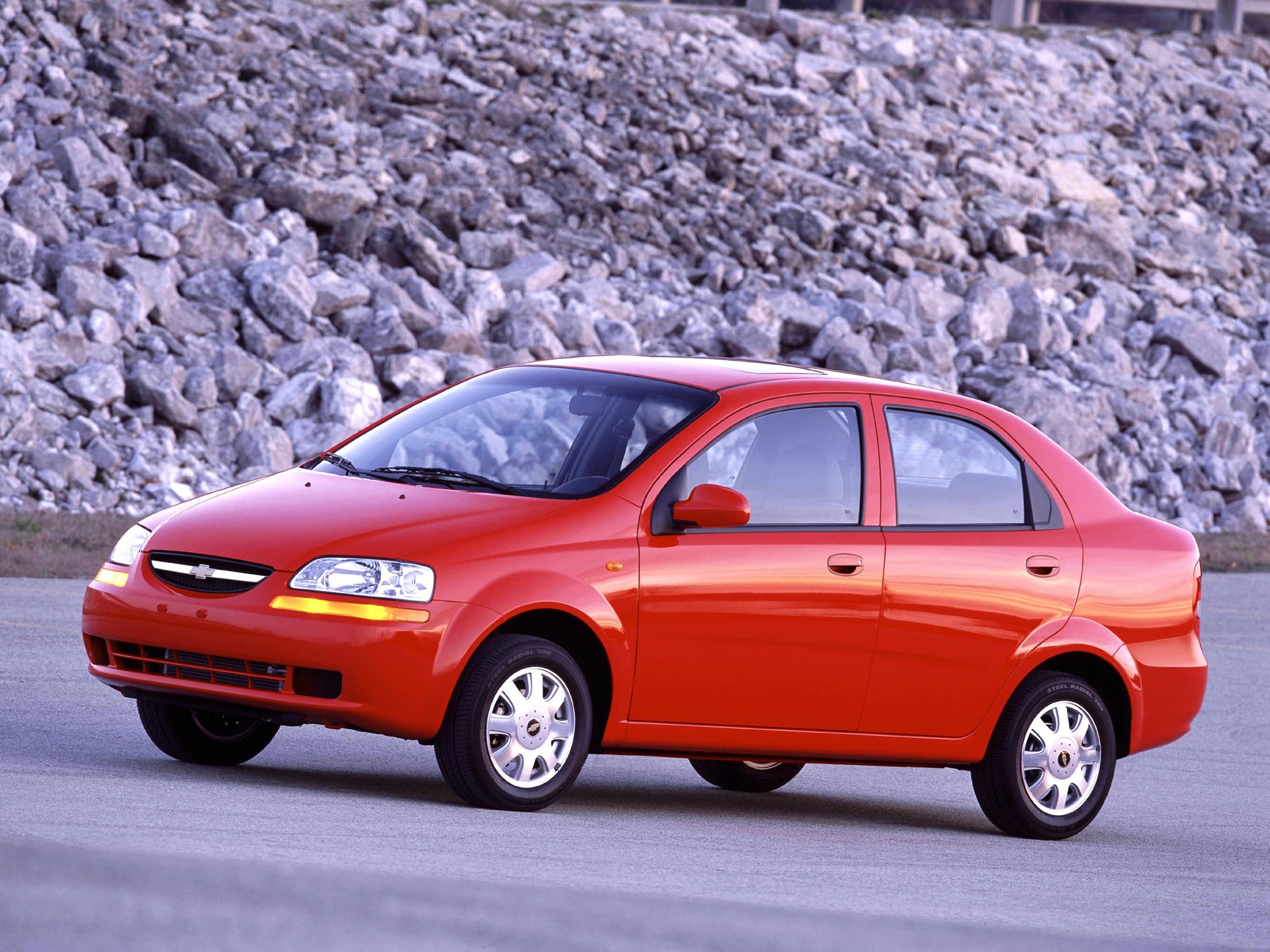
The 2006 Chevrolet Aveo sedan represents a budget-conscious entry in the subcompact market, designed to offer basic, fuel-efficient transportation. It features a 1.6-liter four-cylinder engine, a choice of manual or automatic transmissions, and a straightforward interior layout, making it a utilitarian choice for commuters and first-time drivers seeking affordability in the used vehicle segment.
Introduction to the 2006 Chevrolet Aveo Sedan
The 2006 Chevrolet Aveo sedan was positioned as an accessible, entry-level option in General Motors' lineup during the mid-2000s. Developed in collaboration with GM’s South Korean division, formerly Daewoo, the Aveo was built to compete with vehicles like the Toyota Yaris and the Hyundai Accent. By 2026, the model is primarily evaluated as a legacy vehicle, often sought after for its low cost of entry, ease of repair, and basic functional design. Understanding this vehicle requires looking past modern infotainment and safety standards to appreciate its role as a no-frills, economy-focused commuter tool.
Technical Specifications and Performance
At the heart of the 2006 Aveo is a 1.6-liter E-TEC II DOHC 16-valve four-cylinder engine. This powertrain produces approximately 103 horsepower and 107 lb-ft of torque. While these figures are modest by 2026 standards, they were adequate for the vehicle's lightweight chassis during its production year.
Engine and Powertrain Dynamics
The engine is paired with either a standard 5-speed manual transmission or an optional 4-speed automatic. The manual transmission allows drivers to extract more utility from the limited power band, particularly during highway merging or climbing inclines. The automatic transmission, while providing convenience in stop-and-go city traffic, is known for relatively sluggish response times.
Fuel economy was a major selling point for the Aveo. Owners can generally expect between 25 and 30 miles per gallon depending on driving habits and maintenance levels. However, as these vehicles age, sensor degradation—particularly in the mass airflow and oxygen sensors—can negatively impact these efficiency figures.
Chassis and Handling
The Aveo utilizes a front-wheel-drive platform with a MacPherson strut front suspension and a torsion beam rear axle. The steering is rack-and-pinion, providing a tight turning radius, which is beneficial for urban environments and parallel parking. The suspension is tuned for comfort rather than performance, meaning drivers should expect significant body roll during sharp cornering.
Trim Levels and Interior Configuration
The 2006 sedan was typically offered in three primary trim levels: the base Special Value, the LS, and the top-tier LT. This hierarchy dictated the level of convenience features provided to the owner.
- Special Value: This was the entry-point, often stripping away features like air conditioning, an upgraded sound system, or power accessories. It was designed purely for maximum affordability.
- LS: This trim added common amenities that most drivers consider necessary, such as air conditioning, an AM/FM stereo with CD player, and floor mats.
- LT: The LT trim offered the most refinement, including power windows, power door locks, remote keyless entry, and an upgraded interior upholstery package. Some LT models included cruise control and alloy wheels.
The interior design is characterized by hard plastics and a functional, upright dashboard. While not luxurious, the ergonomics are straightforward. The high roofline provides generous headroom for both front and rear passengers, an advantage of the Aveo’s tall-body design relative to other subcompacts of the era.
Reliability and Common Maintenance Concerns
As of 2026, the 2006 Chevrolet Aveo is a high-mileage candidate. Potential buyers or current owners must be aware of specific failure points that are characteristic of this platform.
The Timing Belt Criticality
The most significant maintenance requirement for the 1.6-liter engine is the timing belt. Unlike engines that use a chain, the Aveo requires periodic timing belt replacement—typically recommended every 60,000 miles. Failure to perform this maintenance can lead to a snapped belt, which usually results in catastrophic engine damage due to the interference design of the cylinder head. This is the single most important factor in the longevity of any 2006 Aveo.
Electrical and Cooling Issues
Over two decades of operation, electrical gremlins are common. This includes issues with the window regulator motors and the central locking system. Additionally, the cooling system, including the thermostat housing and radiator hoses, is prone to plastic fatigue and subsequent coolant leaks. Monitoring the temperature gauge is essential for preventing the overheating that can warp the cylinder head.
Comparative Market Position
When weighing the 2006 Aveo against its peers from the same era, the value proposition is distinct.
| Feature | 2006 Chevrolet Aveo | 2006 Toyota Yaris | 2006 Hyundai Accent |
|---|---|---|---|
| Engine | 1.6L I4 | 1.5L I4 | 1.6L I4 |
| Horsepower | 103 hp | 106 hp | 110 hp |
| Primary Strength | Interior Space | Reliability/Resale | Comfort/Features |
| Primary Weakness | Timing Belt Sensitivity | Higher Market Price | Interior Wear |
The Toyota Yaris of the same year generally commands a higher price in the secondary market due to its reputation for long-term powertrain durability. However, the Aveo remains more affordable to purchase, making it a viable candidate for those who intend to perform their own maintenance or who need a low-cost vehicle for short-distance commuting.
Practical Guidance for Owners and Buyers
If you are considering the purchase or maintenance of a 2006 Chevrolet Aveo in 2026, adhere to the following professional recommendations:
- Verify the Timing Belt: If you are purchasing the vehicle, do not accept a verbal "it was done." Unless there is a documented receipt for the timing belt service, assume it needs replacement immediately to prevent catastrophic engine failure.
- Inspect for Rust: Subcompacts from this era are susceptible to rocker panel and wheel well corrosion. Inspect the underside thoroughly, as severe structural rust may render the vehicle unsafe or prohibitively expensive to repair.
- Check the Cooling System: Replace the plastic thermostat housing if it shows signs of leaking. Using a high-quality, manufacturer-specified coolant is vital for preventing electrolysis within the radiator.
- Audio Upgrades: Since the factory audio system is dated, many owners choose to install a modern single-DIN head unit with Bluetooth connectivity. This is a relatively simple task given the accessible dash design.
Frequently Asked Questions
Is the 2006 Chevrolet Aveo considered a reliable car?
The Aveo is reliable if, and only if, the maintenance schedule is strictly followed. Its engine longevity is highly dependent on timing belt intervals and cooling system integrity. Without these, reliability scores drop significantly.
What is the major failure point to look out for?
The timing belt is the primary concern. Because it is an interference engine, a broken timing belt will cause the pistons to collide with the valves, effectively destroying the engine. Always prioritize this service item.
Can I still find parts for a 2006 model in 2026?
Yes. Due to the high production volume of the Aveo platform and its global presence, aftermarket parts remain widely available through major auto parts retailers and online distribution centers.
How does the fuel economy hold up today?
In 2026, the fuel economy remains competitive for a non-hybrid vehicle. While modern cars are more efficient, the Aveo’s light weight allows it to maintain decent efficiency, provided the engine timing and air intake systems are in good working order.
What should I look for during a pre-purchase inspection?
Focus on the engine oil condition, signs of coolant leaks (white residue), transmission fluid smell (burnt odor), and the integrity of the suspension bushings. A test drive should reveal any shifting delays in the automatic transmission.
Final Recommendation
The 2006 Chevrolet Aveo sedan is a pragmatic choice for drivers who prioritize low acquisition costs and basic utility over modern safety tech or performance. To maximize your ownership experience, treat the vehicle as a project-oriented commuter: immediately address the timing belt, keep the cooling system refreshed, and maintain the fluids diligently. If you are comfortable performing minor mechanical tasks, this vehicle offers reliable, low-cost transportation that remains functional well into the current year.