To install a solar panel system capable of producing 2,000 kWh per month in 2026, you can expect a gross cost between $34,500 and $48,000 before incentives. After applying the 30% Federal Investment Tax Credit (ITC), the net cost typically drops to a range of $24,150 to $33,600, depending on equipment quality and regional labor rates.
Understanding the Scale: 2,000 kWh Monthly Production
When evaluating "2,000 kWh solar panel cost," it is vital to distinguish between kilowatts (kW), which measure the system's capacity, and kilowatt-hours (kWh), which measure the actual energy produced over time. A home requiring 2,000 kWh of electricity per month is significantly above the national average—which hovers around 900 kWh—indicating a large residence, heavy air conditioning usage, or multiple electric vehicle (EV) charging requirements.
To generate 2,000 kWh in a single month, you generally need a solar array with a DC capacity of 14 kW to 18 kW. The specific size depends heavily on your geographic location and the amount of "peak sun hours" your roof receives. For instance, a 14 kW system in Arizona might produce the same 2,000 kWh that requires an 18 kW system in Massachusetts.
As of 2026, solar technology has reached a point of high efficiency, with N-type TOPCon and HJT (Heterojunction Technology) panels becoming the industry standard. These panels offer better temperature coefficients and lower degradation rates, meaning you can achieve that 2,000 kWh target with a smaller physical footprint than was possible a decade ago.
Calculating System Size Requirements
Before discussing price, we must determine exactly how much hardware is needed to reach the 2,000 kWh monthly threshold. This calculation relies on the "Production Ratio," which compares the system’s expected annual output to its nameplate capacity.
The Math of Solar Production
To find the required system size, we use the following formula: Monthly Target (2,000 kWh) × 12 months / (Peak Sun Hours per Day × 365 days) = Required kW Capacity.
- High-Sun Regions (e.g., California, Texas, Florida): With an average of 5.5 peak sun hours, a 14.5 kW system is usually sufficient to meet the 2,000 kWh monthly goal.
- Moderate-Sun Regions (e.g., Mid-Atlantic, Midwest): With roughly 4.2 peak sun hours, you would likely need a 17.5 kW to 19 kW system.
- Low-Sun Regions (e.g., Pacific Northwest, Northeast): In areas with 3.5 peak sun hours, the system might need to be as large as 22 kW to ensure 2,000 kWh is produced even during shorter winter days.
In 2026, most residential panels range from 420W to 480W. For a 15 kW system, you would need approximately 32 to 36 panels. Occupying roughly 600 to 750 square feet of roof space, this is a substantial installation that requires a structurally sound roof and, frequently, a main electrical panel upgrade to handle the increased current.
Detailed Cost Breakdown for 2026
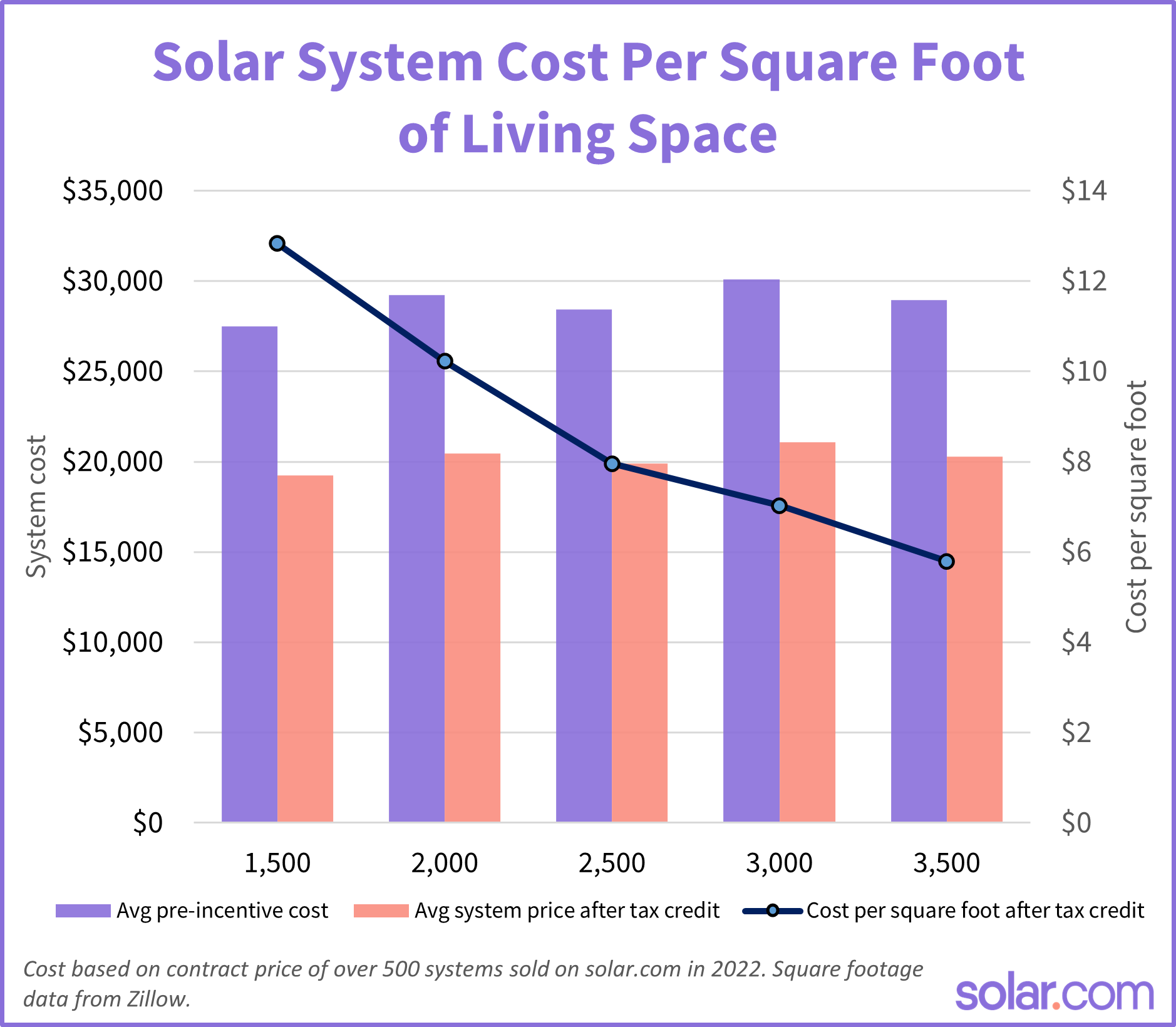
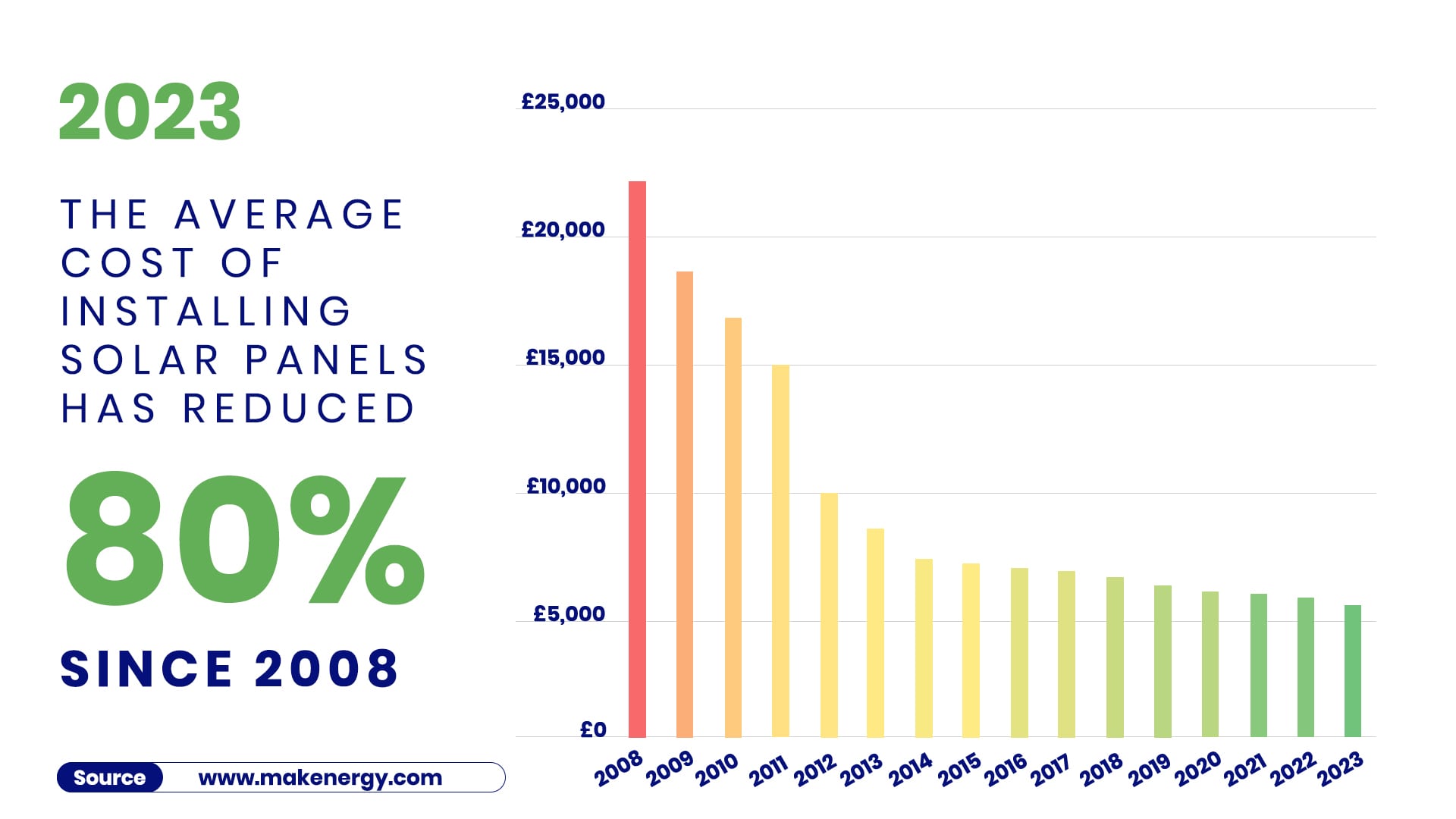
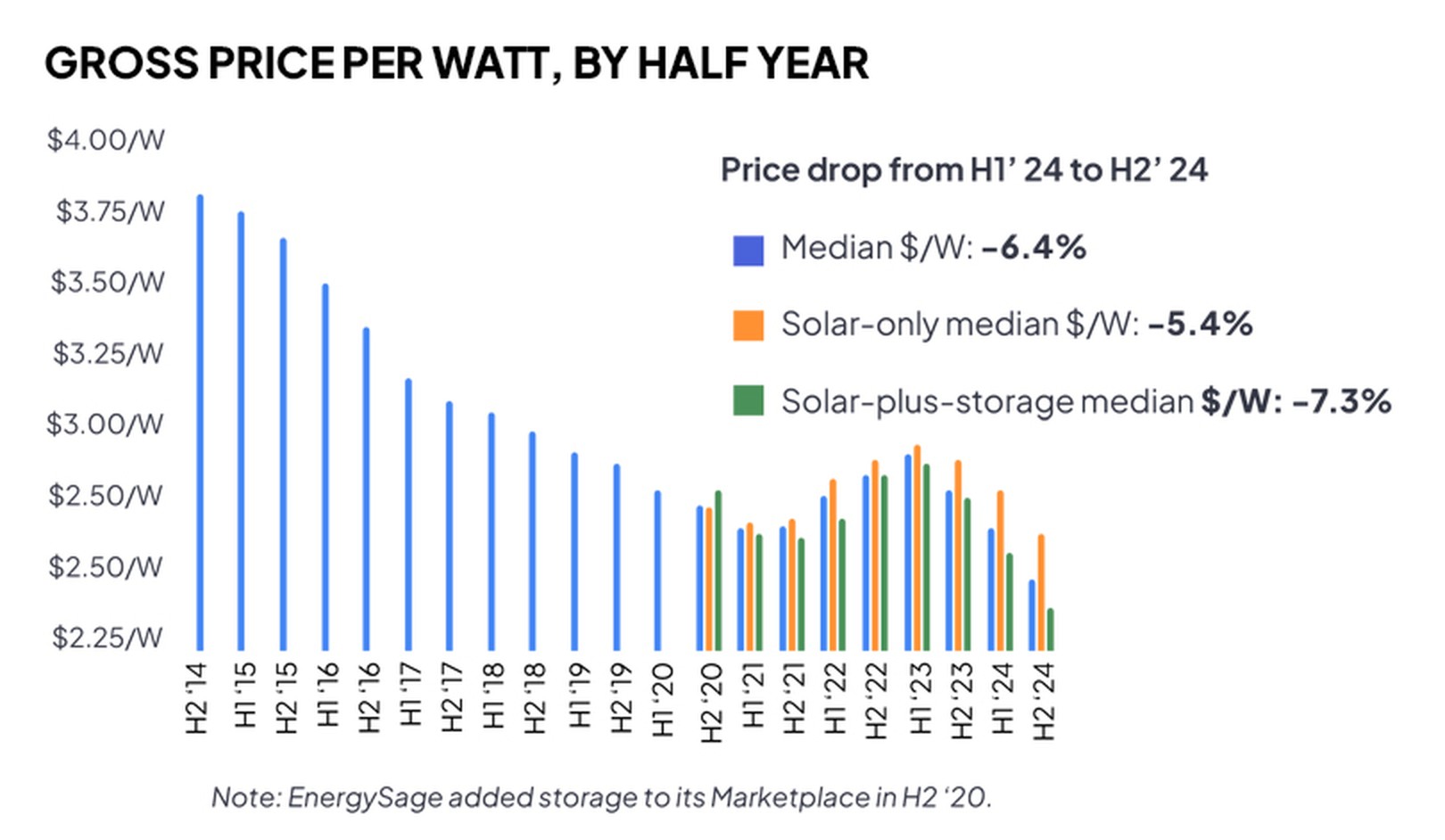
The cost of solar is typically quoted in "dollars per watt" ($/W). In 2026, the national average for a turnkey residential installation—including equipment, labor, permitting, and interconnection—ranges from $2.30 to $3.00 per watt.
Equipment Costs
Hardware accounts for approximately 40% to 50% of the total bill.
- Solar Panels: High-efficiency modules (20%+ efficiency) now cost less on a per-watt basis due to global manufacturing scales, but premium brands like Maxeon or REC still command a 15-20% markup due to their 40-year warranties and superior degradation profiles.
- Inverters: For a system this size, you will likely choose between Microinverters (e.g., Enphase IQ9 series) or a String Inverter with Power Optimizers (e.g., SolarEdge). Microinverters are generally more expensive but offer better performance on complex roofs with shading issues.
- Racking and Mounting: The hardware that secures panels to your roof must be rated for local wind speeds and snow loads.
Soft Costs: Labor, Permitting, and Overhead
Soft costs remain the most significant barrier to lower pricing in the United States.
- Labor: Installing 35+ panels is a multi-day job for a crew of four. This includes the solar technicians and a licensed journeyman electrician.
- Permitting and Inspection: Fees vary by jurisdiction, but for a large 15 kW+ system, some utilities require additional "Impact Studies" to ensure the local grid can handle the outflow of power.
- Operational Overhead: This includes the installer's marketing, sales commissions, and long-term service warranties.
| Component | Estimated Cost (15 kW System) | Percentage of Total |
|---|---|---|
| Solar Modules (Panels) | $10,500 - $13,500 | 30% |
| Inverters & Power Electronics | $5,250 - $6,750 | 15% |
| Racking & Balance of System | $3,500 - $4,500 | 10% |
| Installation Labor | $5,250 - $7,000 | 15% |
| Permitting, Engineering, Admin | $3,500 - $5,000 | 10% |
| Marketing & Installer Margin | $7,000 - $10,000 | 20% |
| Total Gross Cost | $35,000 - $46,750 | 100% |
The Impact of Incentives and Tax Credits
The most critical factor in your final "what to expect" price is the Federal Investment Tax Credit (ITC). Under the provisions of the Inflation Reduction Act, as of 2026, homeowners are eligible for a 30% tax credit on the total cost of the system.
Federal Tax Credit (ITC)
This is a dollar-for-dollar reduction in your federal income tax liability. For a $40,000 system, the credit is worth $12,000, bringing your effective cost down to $28,000. It is important to note that this is not a refund; you must have sufficient tax liability to utilize the credit, though it can be "carried forward" to future years if you cannot use it all at once.
State and Local Incentives
Depending on your location, you may find additional ways to lower the cost:
- SRECs (Solar Renewable Energy Certificates): In states like New Jersey or Pennsylvania, you earn certificates for every 1,000 kWh (1 MWh) your system produces. A 2,000 kWh/month system would generate 24 SRECs per year, which can be sold for significant annual income.
- State Rebates: Some states offer upfront cash rebates, though these have become rarer as solar has reached "grid parity."
- Property Tax Exemptions: Many states prevent your property taxes from increasing even though the solar installation adds value to your home.
Battery Storage: Is it Necessary?
When aiming for 2,000 kWh of monthly production, many homeowners also consider battery storage (e.g., Tesla Powerwall 3 or Enphase IQ Battery 5P). In 2026, the decision to add a battery is often driven by "Net Metering" policies rather than just backup power needs.
Many utilities have transitioned to Net Billing (Net Metering 3.0), where they pay you very little for the excess energy you send to the grid during the day but charge you high rates for energy you pull at night. If you produce 2,000 kWh a month but use most of it in the evening, a battery allows you to store your own "cheap" solar energy for later use.
Adding 20 kWh to 30 kWh of storage (sufficient for a high-usage home) will add $15,000 to $25,000 to the gross project cost. However, batteries are also eligible for the 30% federal tax credit, making them more financially viable in 2026 than in previous years.
Long-Term ROI and Payback Period
A system producing 2,000 kWh per month replaces a massive utility bill. If your local utility rate is $0.20 per kWh, you are saving $400 per month or $4,800 per year.
- Gross Cost: $40,000
- Net Cost (After 30% ITC): $28,000
- Annual Savings: $4,800
- Payback Period: Approximately 5.8 years
Given that modern solar panels are warrantied for 25 to 40 years, once the system is paid off in year six, you will have roughly 20 to 30 years of nearly free electricity. Even when accounting for slight panel degradation (typically 0.25% to 0.5% per year), the financial returns usually far outperform traditional market investments.
Common Pitfalls and Technical Considerations
When planning a system of this magnitude, several technical hurdles can impact the final cost:
- Main Electrical Panel Upgrades (MPU): A 15 kW+ system generates significant amperage. If your home still has a 100-amp or older 200-amp panel, you may need a "busbar upgrade" or a total panel replacement to 400-amp service. This can add $2,500 to $5,000 to the budget.
- Roof Condition: Do not install a 40-year solar system on a roof with only 5 years of life left. Replacing the roof simultaneously with solar is common, and in some specific legal interpretations (consult a tax professional), the portion of the roof directly supporting the solar array may occasionally qualify for certain financing benefits, though generally not the ITC.
- Shading and Orientation: A 2,000 kWh goal assumes optimal conditions. If your roof faces North or is shaded by large trees, you may need to increase the system size by 20-30% to hit the same production target, significantly increasing the cost.
- Interconnection Limits: Some rural electric cooperatives or older grid sectors have "saturation limits." They may limit the size of residential systems to 10 kW or 15 kW regardless of your needs. Always verify your utility's maximum allowable system size before signing a contract.
FAQ
Is 2,000 kWh per month a lot for a residential solar system? Yes, it is well above the average. A 2,000 kWh monthly usage usually indicates a home larger than 3,500 square feet, multiple electric vehicles, or heavy-duty equipment like pool heaters and multiple HVAC units. The resulting solar system (14-18 kW) will require significant roof space.
How many panels do I need to get 2,000 kWh? Using standard 2026 high-efficiency panels (approx. 450W), you will need between 32 and 40 panels. The exact number depends on your local climate and how many hours of direct sunlight your roof receives daily.
Does the 30% tax credit apply to the entire cost? Yes, the federal ITC applies to the total "turnkey" cost of the project. This includes the panels, inverters, wiring, racking, labor, and even the cost of the permit. If you add a battery at the same time, the battery cost is also eligible for the 30% credit.
Will a 2,000 kWh system work during a power outage? Only if you include battery storage or a specialized "sunlight backup" inverter (like the Enphase IQ8 or newer series). Standard grid-tied solar systems automatically shut down during an outage to prevent "islanding," which could injure utility workers repairing the lines.
How long does it take to install a system this size? The physical installation usually takes 2 to 3 days for a system of this scale. However, the entire process—including site assessment, engineering designs, city permitting, and utility interconnection—usually takes 2 to 4 months.
Final Recommendation
To accurately budget for a 2,000 kWh monthly production goal in 2026, begin by obtaining a shade analysis and a structural roof report. Because a 15 kW+ system is a major capital improvement, prioritize installers who offer 25-year comprehensive labor warranties and use "Tier 1" equipment. If you live in a state with high peak-hour electricity rates, prioritize the addition of at least 10-15 kWh of battery storage to maximize your self-consumption and protect your ROI against future utility rate changes.