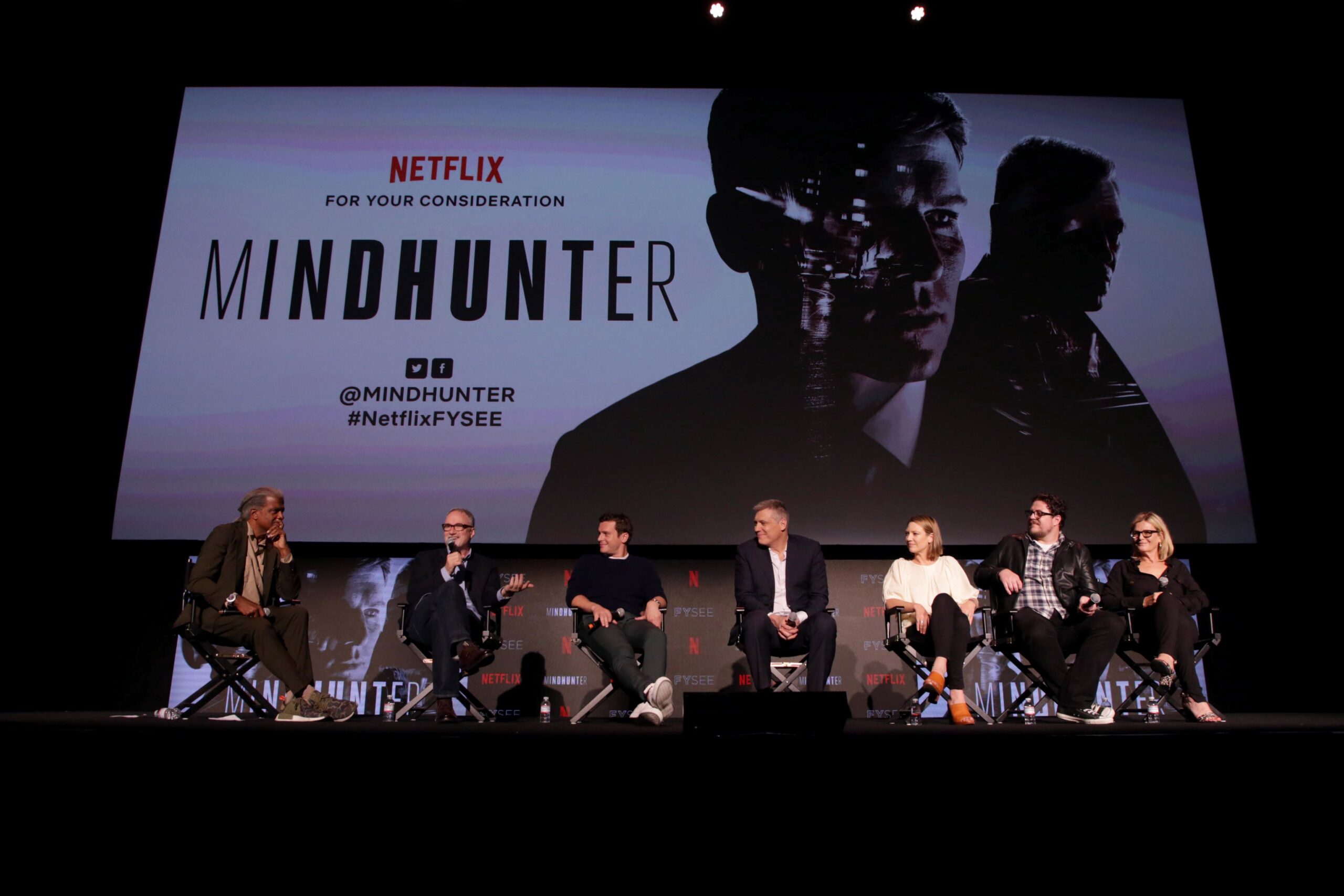
Netflix released the second season of the psychological crime thriller Mindhunter on August 16, 2019, bringing back FBI agents Holden Ford and Bill Tench alongside psychologist Wendy Carr to profile notorious killers like Charles Manson and the Atlanta child murderer.
Understanding the release details of Mindhunter Season 2 requires looking closely at how Netflix rolled out the episodes, the creative forces behind the production, and the historical context of the real-world criminal profiling units that inspired the series. Created by Joe Penhall and executive produced by David Fincher and Charlize Theron, the show adapted its narrative from the 1995 true-crime book Mindhunter: Inside the FBI's Elite Serial Crime Unit by John E. Douglas and Mark Olshaker. For fans tracking the release, production timeline, and structural format of the second installment, navigating the specifics reveals why the show remains a high-water mark for prestige streaming television.
Production Timeline and the Three-Year Gap Between Seasons
The journey from the premiere of Mindhunter Season 1 in October 2017 to the arrival of Season 2 in August 2019 involved an unusually long hiatus for a streaming drama. This extended timeline was primarily driven by the meticulous perfectionism of executive producer and primary director David Fincher.
Fincher’s demanding visual style, complex set designs, and insistence on precise takes require extensive pre-production and post-production phases. Unlike network television series operating on strict annual schedules, streaming platforms like Netflix often grant auteur directors the creative runway necessary to realize complex cinematic visions. However, this flexibility means viewers must frequently endure multi-year waits between installments.
During the gap, the cast and crew underwent renegotiations, and the writers' room, initially led by Joe Penhall, transitioned under the showrunner guidance of Courtenay Miles and David Fincher himself. Fincher directed the first three episodes of Season 2, establishing the visual tone and narrative momentum, while Andrew Dominik and Carl Franklin directed subsequent blocks of episodes to maintain stylistic cohesion.
Episode Structure and Release Format
True to Netflix’s signature distribution model, all nine episodes of Mindhunter Season 2 dropped simultaneously on August 16, 2019, at 12:01 AM Pacific Time. This binge-watching architecture allowed audiences to consume the serialized narrative arc in a single sitting or over a compressed weekend, contrasting sharply with traditional weekly broadcast models.
The second season reduced its episode count from ten to nine, tightening the narrative focus around specific historical investigations.
| Episode Number | Primary Focus / Case Study | Key Historical Figures Depicted |
|---|---|---|
| Episode 1–3 | Atlanta Child Murders Setup & Unit Dynamics | Wayne Williams (background), Clayton Hughes |
| Episode 4–5 | Institutional Bureaucracy & BTK Killer Teases | Dennis Rader (Ad-Hominem Vignettes) |
| Episode 6–7 | Face-to-Face Interviews with Notorious Inmates | Charles Manson, David Berkowitz (Son of Sam) |
| Episode 8–9 | Climax of the Atlanta Investigation & Fallout | Local Community Leaders, FBI Administration |
This structural layout allowed the show to balance its procedural interviews with the bureaucratic pressures facing the FBI's Behavioral Science Unit.
Narrative Arc: Moving from Theory to Real-World Application
While the first season focused heavily on the theoretical foundations of criminal profiling and the novelty of interviewing incarcerated serial killers like Ed Kemper, Season 2 forced the characters to apply these theories to active, high-stakes investigations.
The primary narrative thrust centers on the Atlanta child murders of 1979–1981. Agents Holden Ford (Jonathan Groff) and Bill Tench (Holt McCallany) are dispatched to assist local law enforcement and civil rights activists who are frustrated by institutional neglect and racial tensions. This storyline grounded the psychological abstraction of Season 1 in a messy, politically charged reality, illustrating the limitations and controversies inherent in applying behavioral profiles to real-world suspects.
Simultaneously, Dr. Wendy Carr (Anna Torv) navigates the personal and professional hazards of academic detachment versus field reality, confronting institutional sexism within the FBI and the academic sphere. Subplots involving Bill Tench’s adopted son, Brian, and his psychological entanglement in a local murder introduce domestic dread that mirrors the professional horrors explored by the bureau. Furthermore, recurring cold-open vignettes tracking the BTK Killer (Dennis Rader) in Kansas maintain a disquieting reminder of crimes remaining outside the immediate reach of the unit.
Cast and Character Continuity
The creative success of Mindhunter relies heavily on its principal cast, all of whom returned for the second season to anchor the psychological realism of the series:
- Jonathan Groff as Holden Ford: Portrays the obsessive, empathetic, and increasingly unstable young agent whose vulnerability to psychopaths deepens.
- Holt McCallany as Bill Tench: Embodies the pragmatic, weary veteran investigator struggling to balance departmental politics with a fracturing family life.
- Anna Torv as Dr. Wendy Carr: Provides the academic rigor, analytical scrutiny, and emotional anchor for the burgeoning profiling unit.
- Cameron Britton as Ed Kemper: Returns in a memorable guest appearance, cementing his status as the foundational informant for the FBI's research.
- Damon Herriman as Charles Manson: Delivers a chillingly precise portrayal of the cult leader, filmed during the same period Herriman played Manson in Quentin Tarantino’s Once Upon a Time in Hollywood.
Critical Reception and Cultural Impact
Upon its release, Mindhunter Season 2 received widespread critical acclaim, holding a high approval rating on aggregate review platforms like Rotten Tomatoes and Metacritic. Critics praised the season's atmospheric dread, exceptional lead performances, and refusal to romanticize or sensationalize violence.
The decision to focus on the Atlanta child murders drew praise for handling a sensitive, tragic historical event with solemnity, though some critics and viewers noted that the resolution of the case in the narrative reflects the historical frustrations and controversies surrounding the actual investigation. The show's commitment to slow-burn pacing, naturalistic dialogue, and muted color palettes set a benchmark for psychological thrillers in the streaming era.
Status of Season 3 and Beyond
Following the release of Season 2, questions immediately arose regarding the timeline and confirmation of a third season. In late 2019 and early 2020, reports emerged that Netflix had released the actors from their contracts as executive producer David Fincher pivoted to other projects, including his feature film Mank and the animated anthology series Love, Death & Robots.
In subsequent interviews, Fincher clarified that while a third season was initially outlined—with plans to move the narrative into the 1980s and explore the rise of profiling during the advent of the FBI's nationwide jurisdiction—the high production costs relative to the viewership size made the series difficult to sustain. Consequently, Netflix and Fincher mutually agreed to put the series on indefinite hold. As of 2026, Mindhunter remains officially parked, with no active production underway, leaving Season 2 as the final chapter of the acclaimed psychological drama.
Frequently Asked Questions
Is Mindhunter Season 2 based on a true story?
Yes, the series adapts real-world events, interviews, and investigative techniques documented by former FBI agents John E. Douglas and Robert Ressler. While characters like Holden Ford and Bill Tench are fictionalized amalgamations based on real agents, many of the incarcerated subjects—such as Charles Manson, David Berkowitz, and Wayne Williams—are drawn directly from American criminal history.
Why did it take nearly two years for Season 2 to release?
The lengthy gap between seasons was primarily driven by executive producer David Fincher's rigorous directorial style, extensive pre-production requirements, and complex post-production editing processes. Additionally, the scripts underwent significant revisions and rewrites during the transition of showrunners between the first and second seasons.
Will there ever be a Season 3 of Mindhunter?
As of 2026, Netflix has no plans to produce a third season. David Fincher stated in interviews that the show's demanding production budget did not align with its targeted viewership metrics, leading the creative team and network to release the cast from their contracts and leave the series on indefinite hiatus.
Where can I watch Mindhunter Season 2?
All episodes of Mindhunter Season 2 remain available for streaming exclusively on Netflix worldwide, subject to regional licensing agreements and subscription tier requirements maintained by the platform.
How many episodes are in Season 2?
Season 2 consists of nine episodes, compared to the ten-episode structure of the first season. Each episode runs approximately 50 to 60 minutes and was released simultaneously on the platform.
Summary Recommendation
For viewers exploring Mindhunter Season 2 for the first time or revisiting its meticulous narrative structure, approach the series as an extended cinematic canvas rather than a fast-paced procedural. Viewers should prepare for an unflinching look at institutional bureaucracy, systemic failures, and the psychological toll of criminal investigation. While a third season remains unlikely, the two existing seasons offer a self-contained, highly polished exploration of the birth of modern FBI profiling.