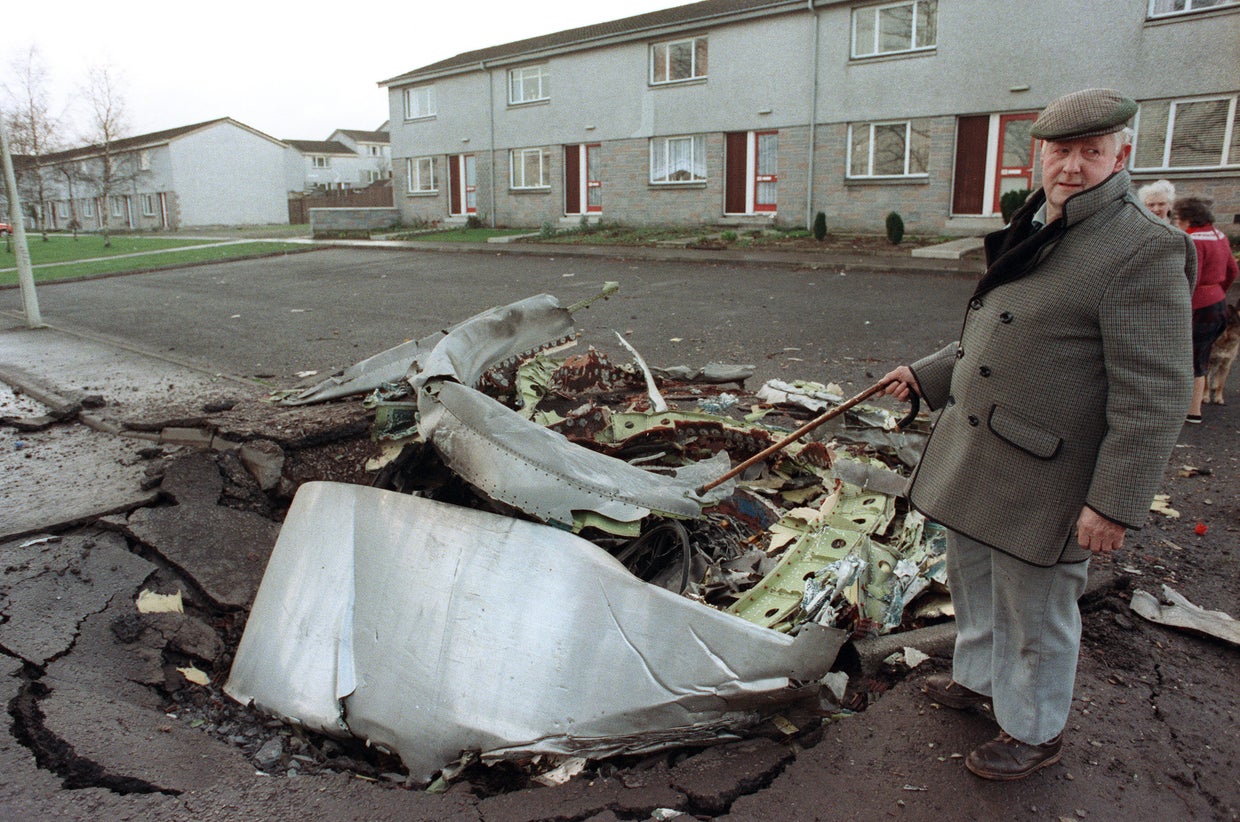
The widespread rumor regarding "103 Pan Am bodies in cockpit" refers to persistent urban legends and misinterpretations surrounding the Lockerbie bombing of Pan Am Flight 103 in December 1988, clarifying that the entire flight deck with its crew separated early in the sequence and fell independently, rather than 103 bodies being found crammed into the cockpit.
The Historical Context of Pan Am Flight 103
On December 21, 1988, Pan Am Flight 103, a Boeing 747-121 named Clipper Maid of the Seas, was operating a scheduled transatlantic flight from Frankfurt to Detroit via London and New York. While cruising at 31,000 feet over Lockerbie, Scotland, a plastic explosive concealed within a cassette player detonated in the forward cargo hold. The catastrophic structural failure that followed resulted in the deaths of all 259 passengers and crew onboard, along with 11 residents on the ground.
The disaster remains one of the deadliest terrorist attacks in aviation history. In the immediate aftermath and subsequent decades, the sheer scale of the tragedy gave rise to numerous conspiracy theories, misstatements by media outlets, and distorted accounts regarding how the aircraft disintegrated and where victims were recovered. Among these, rumors about the cockpit configuration and the location of the deceased have persisted online, requiring careful examination of official accident reports issued by the UK Air Accidents Investigation Branch (AAIB).
Mechanics of the Breakup and Flight Deck Separation
To understand the origin of rumors regarding bodies in the cockpit, one must examine the aerodynamic and structural dynamics of the bombing sequence as documented by the AAIB. The explosion in cargo bay container container AVE 4041 PZN initiated a rapid, progressive structural collapse of the forward fuselage.
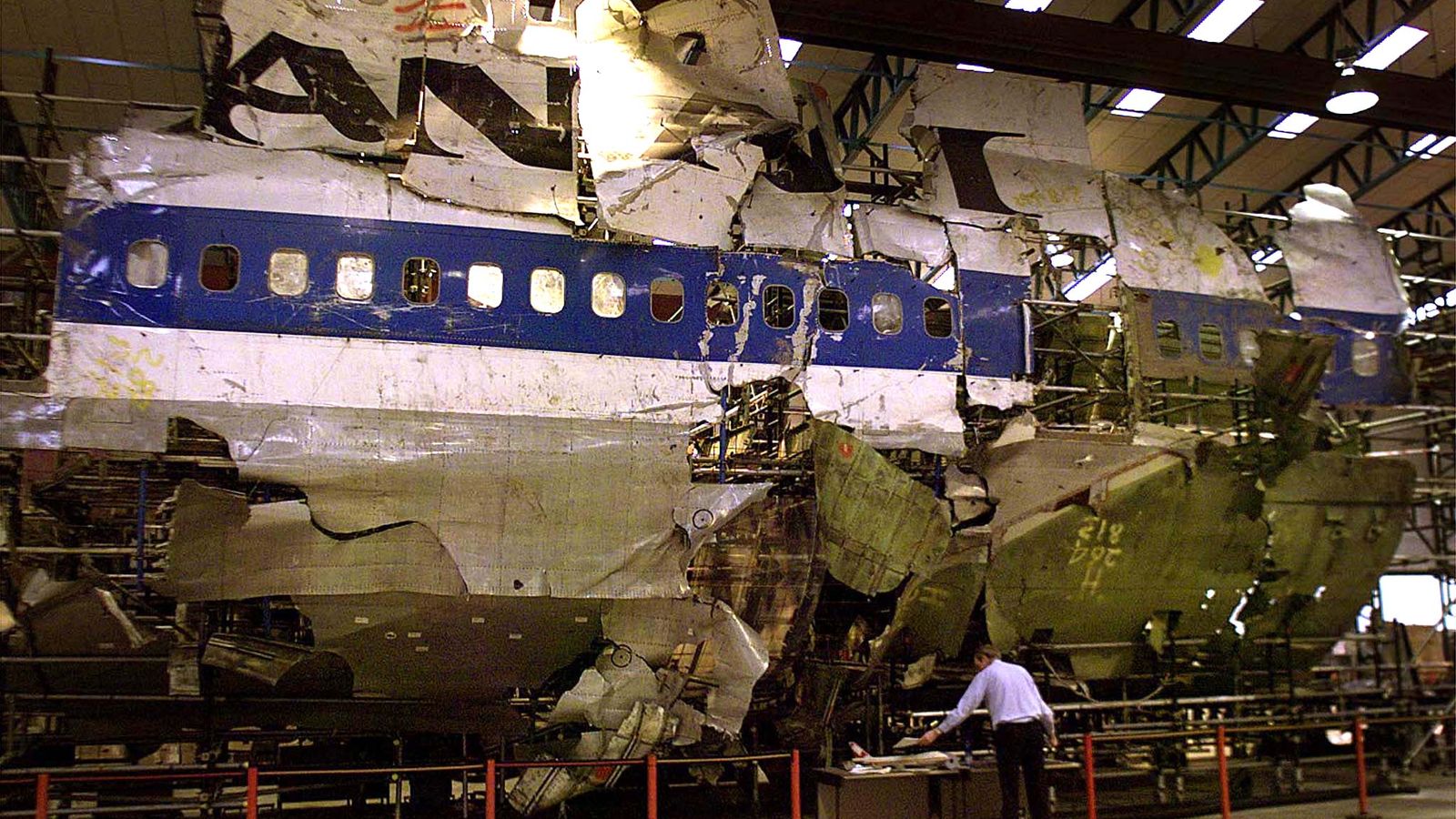
Within milliseconds of the detonation, the explosive force punched a hole in the fuselage skin and weakened the surrounding frames. As aerodynamic forces rushed into the compromised forward section, the entire forward fuselage—including the flight deck (cockpit)—separated from the main cabin structure while the aircraft was still at high altitude.
Sequence of Structural Failure
- The Explosion: The detonator and primary charge in the luggage container fired at 19:02:50 UTC, destroying adjacent structure and severing vital control cables running along the starboard side.
- Fuselage Peeling: High-pressure air inside the cabin combined with external aerodynamic drag caused the skin of the forward fuselage to peel backward in a "zip" effect.
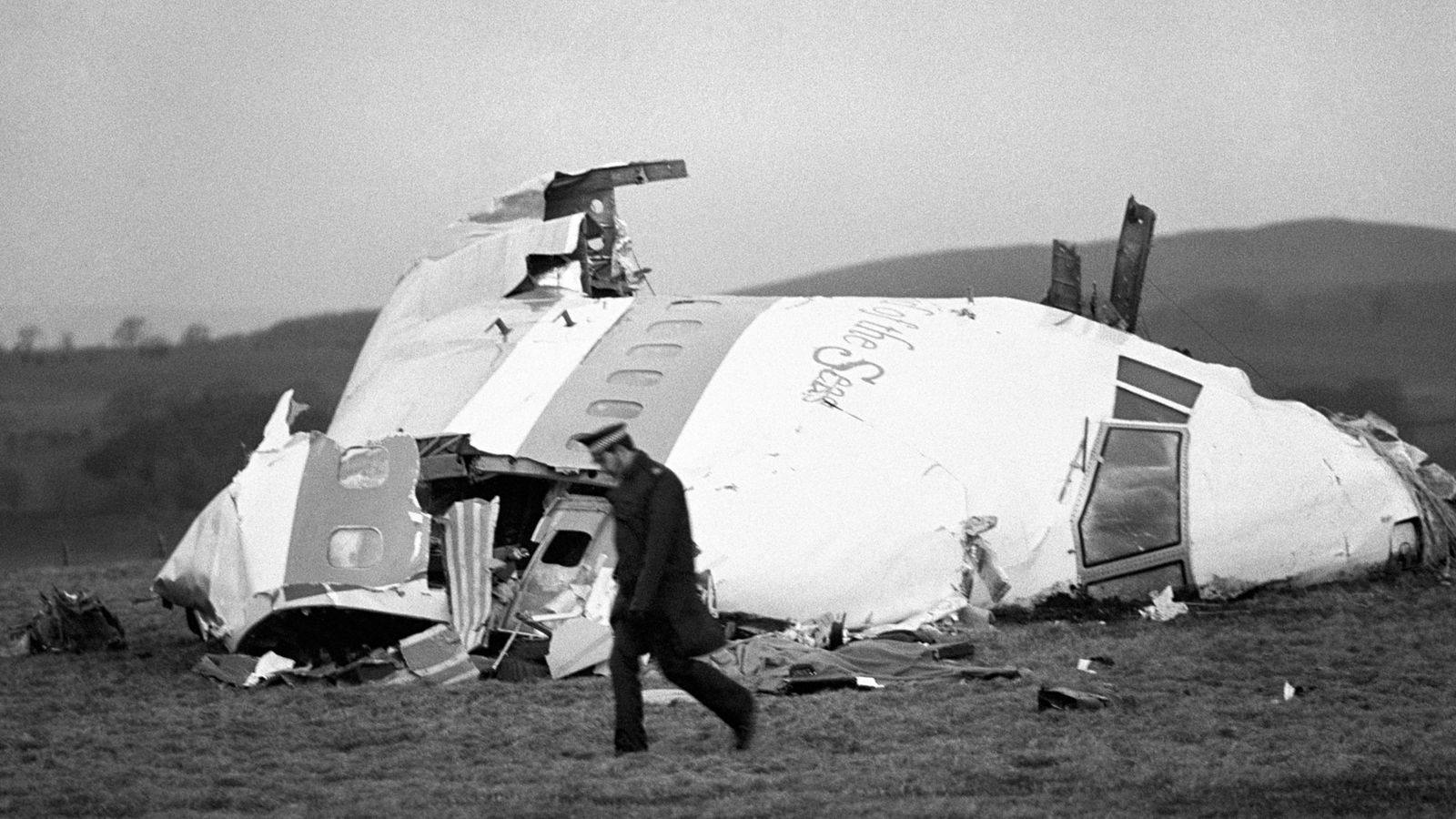
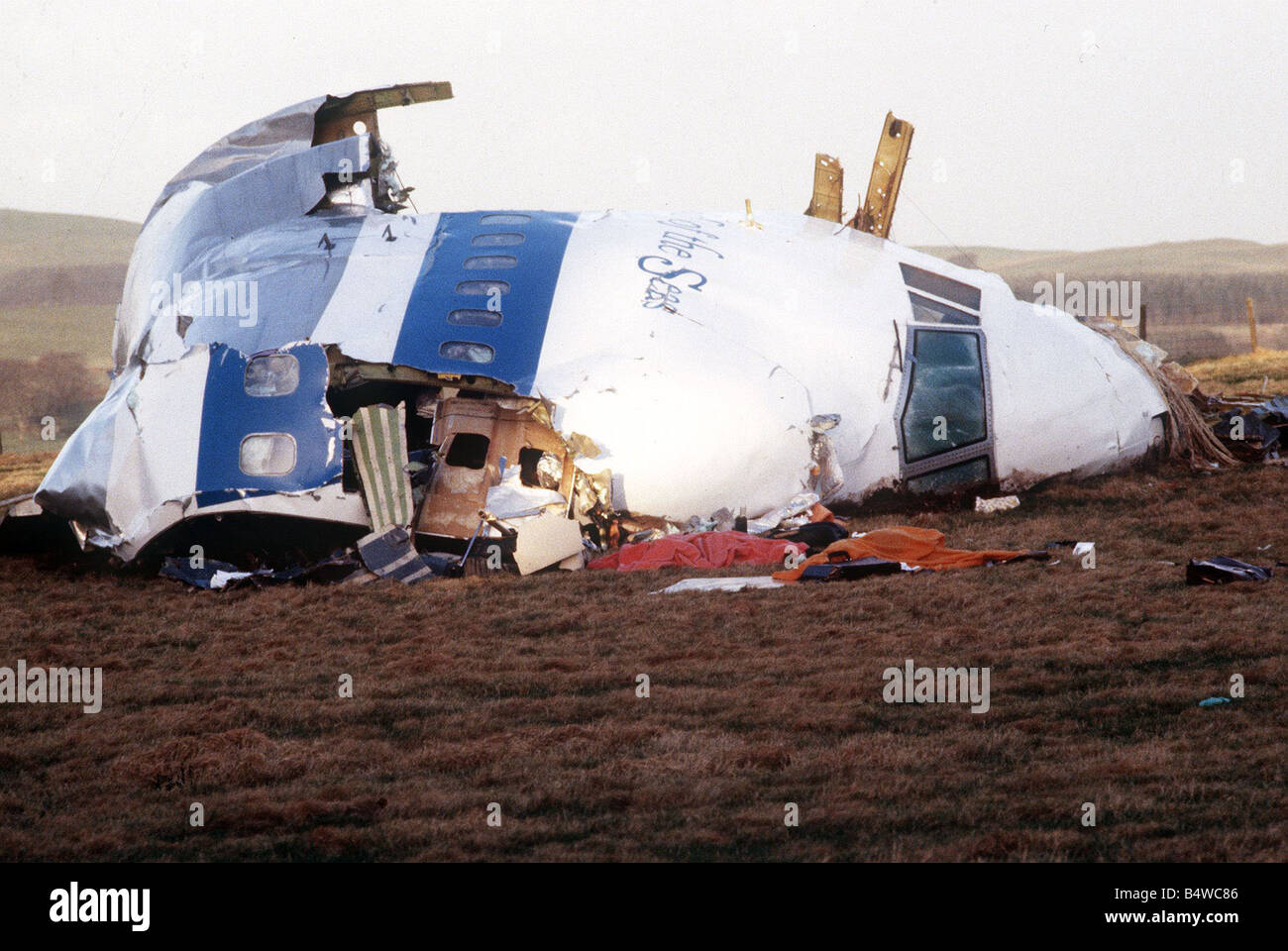
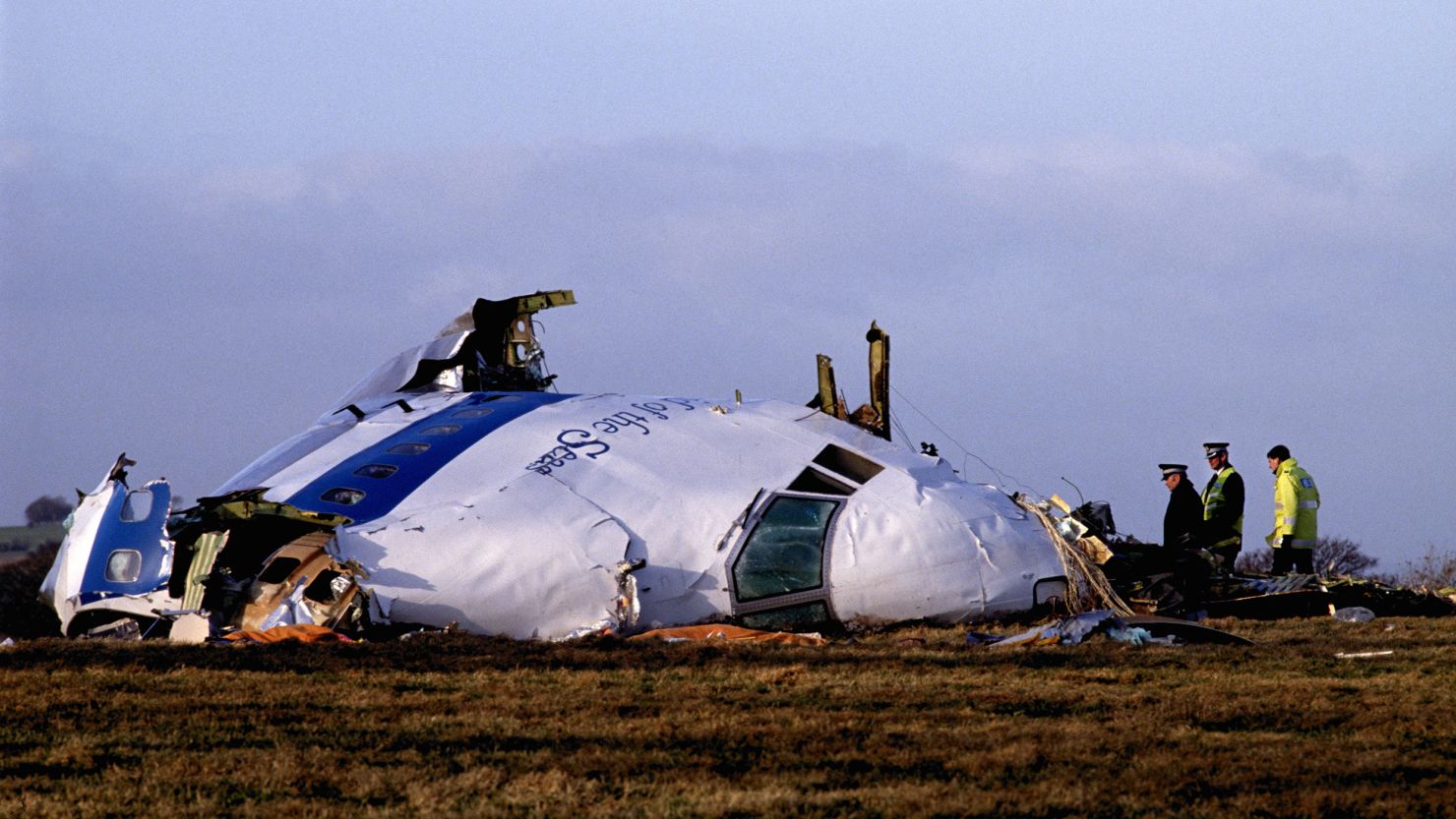
- Cockpit Separation: The nose section, encompassing station numbers 300 through 700 and including the flight deck seating Captain James MacQuarrie, First Officer Raymond Wagner, and Flight Engineer Jerry Avritt, sheared off cleanly from the rest of the passenger cabin.
- Independent Descent: Because the flight deck separated early in the disintegration sequence, it fell along a separate ballistic trajectory from the main fuselage body, impacting the ground in a residential street (Park Place) in Lockerbie.
Analyzing the 103 Pan Am Bodies in Cockpit Rumor
The persistent claim that "103 bodies were found in the cockpit" represents a profound mathematical and spatial impossibility that conflates distinct elements of the disaster. A Boeing 747-121 flight deck is designed to accommodate a standard flight crew of three, with perhaps a jumpseat for an observer or relief crew member.
The total passenger and crew complement of Pan Am Flight 103 was 259 people. Claiming that 103 bodies—or nearly half the aircraft's occupants—were recovered from the cockpit ignores both the physical dimensions of a 747 flight deck and the forensic evidence compiled by disaster victim identification (DVI) teams.
Sources of Confusion and Misinterpretation
- Misreading Accident Reports: Official AAIB diagrams meticulously mapped where major aircraft components landed. The separation of the nose section close to residential areas drew intense media focus, leading casual observers to confuse the entire aircraft's casualty count with the specific debris field of the cockpit.
- Tabloid Sensationalism: In the weeks following the disaster, unverified accounts and speculative reporting occasionally jumbled rescue descriptions, creating sensationalized myths that circulated before the final official reports were published.
- Mathematical Impossibility: The volume of a Boeing 747 cockpit is roughly equivalent to a small office. Packing dozens of human bodies into that space is physically impossible, particularly given that the occupants were strapped into seats distributed throughout the main cabin and upper deck.
Forensic Evidence and Recovery Operations
The recovery operation following the bombing of Pan Am Flight 103 was one of the most exhaustive forensic investigations ever conducted. Teams from the Dumfries and Galloway Constabulary, the Royal Air Force, and specialized forensic pathologists worked across a 845-square-mile swath of southern Scotland to locate and identify every victim.
Forensic analysis established that the majority of passengers remained strapped into their seats as the main fuselage section fell from 31,000 feet to the ground at Lockerbie. The impact velocity and forces involved meant that victims suffered extreme deceleration injuries. The cockpit crew, meanwhile, perished rapidly due to explosive decompression, rapid structural breakup, and the subsequent high-altitude fall of the severed flight deck.
Key Aspects of the Forensic Investigation
- Positioning of Remains: Victims were recovered across a wide debris trail extending southeast from Lockerbie toward the English border, corresponding to the drift of lighter materials and falling cabin sections.
- Medical Examiner Findings: Post-mortem examinations conducted by teams led by Professor Anthony Busuttil detailed the exact nature of injuries sustained by the flight crew versus the cabin passengers, confirming distinct physical environments during the final descent.
- Identification Process: Every single victim was formally identified through dental records, fingerprints, DNA profiling, and personal effects, leaving no ambiguity regarding where and how individuals perished.
Comparison of Aircraft Disintegration Dynamics
To clarify how debris and bodies are distributed during catastrophic in-flight breakups, the following table compares the physical realities of the Pan Am Flight 103 incident with common misconceptions.
| Feature / Aspect | Reality (AAIB Findings) | Common Myth / Misconception |
|---|---|---|
| Cockpit Occupancy | 3 flight crew members (Pilot, Copilot, Flight Engineer). | Claim that 103 bodies were crammed into the flight deck. |
| Fuselage Separation | Forward fuselage/nose sheared off independently early in the sequence. | Belief that the entire aircraft remained intact until ground impact. |
| Debris Distribution | Scattered across an 845-square-mile corridor due to high-altitude winds. | Assumption that all wreckage and victims fell in a single concentrated pile. |
| Passenger Locations | Distributed throughout the main cabin, many strapped to seats during descent. | Idea that passengers migrated or were forced into the forward compartments. |
Frequently Asked Questions
What actually happened to the cockpit of Pan Am Flight 103?
The cockpit separated from the main fuselage within seconds of the bomb detonation in the forward cargo hold. Because the structural integrity of the nose section was compromised by the blast and subsequent aerodynamic forces, it sheared off and fell along an independent ballistic trajectory, crashing into Park Place in Lockerbie.
How many people were on Pan Am Flight 103?
There were 259 people on board the aircraft—243 passengers and 16 crew members. Additionally, 11 residents of Lockerbie were killed on the ground when large sections of the aircraft and fuel struck the town, bringing the total death toll to 270.
Where did the rumor about bodies in the cockpit originate?
The rumor appears to stem from a misinterpretation of early, speculative media reports combined with a confusion between the total number of victims (270) or flight numbers (103) and the physical capacity of the Boeing 747 flight deck. Over time, internet repetition transformed these distorted fragments into a persistent urban legend.
Did the flight crew survive the initial explosion?
Evidence indicates that the explosive decompression and rapid destruction of the flight deck caused incapacitation almost instantaneously. The separation of the cockpit occurred so rapidly that the flight crew had no time to issue a distress call.
Where can official information about the disaster be accessed?
Official findings, technical diagrams, and safety recommendations are documented in the official Air Accidents Investigation Branch (AAIB) report published by the UK Department of Transport, as well as records maintained by aviation safety archives and historical institutions.
Conclusion and Recommendations for Researchers
When investigating historical aviation disasters such as the bombing of Pan Am Flight 103, researchers and writers must rely strictly on primary government accident reports rather than unverified internet forums or sensationalized summaries. Verifying structural mechanics through official AAIB documentation ensures that tragic historical events are represented accurately, respecting the memory of the victims and the rigorous work of aviation safety investigators. Always cross-reference casualty statistics and debris distribution maps with official forensic findings before drawing conclusions about in-flight structural breakups.