A 10-year life insurance plan typically refers to a 10-year term life policy or a specialized 10-year short-term permanent contract, though true cash out values apply almost exclusively to permanent policies like whole or universal life. While term insurance generally has no cash value to cash out, policyholders facing a 10-year milestone with permanent coverage can access accumulated cash through surrenders, partial withdrawals, or policy loans, each carrying distinct financial, tax, and coverage implications.
When policyholders encounter the phrase "10 year life insurance plan cash out," their primary objective is usually to understand how, when, and under what conditions they can extract money from a policy that has reached or approached a decade-long benchmark. Navigating this process requires careful distinction between term and permanent products, a firm grasp of tax consequences, and a realistic evaluation of how cashing out affects remaining protection.
Term Life vs. Permanent Insurance: The 10-Year Distinction
The ability to cash out a life insurance plan depends entirely on the structural classification of the policy. Conflating term life insurance with permanent life insurance is the most common pitfall for policyholders seeking liquidity.
10-Year Term Life Insurance Policies
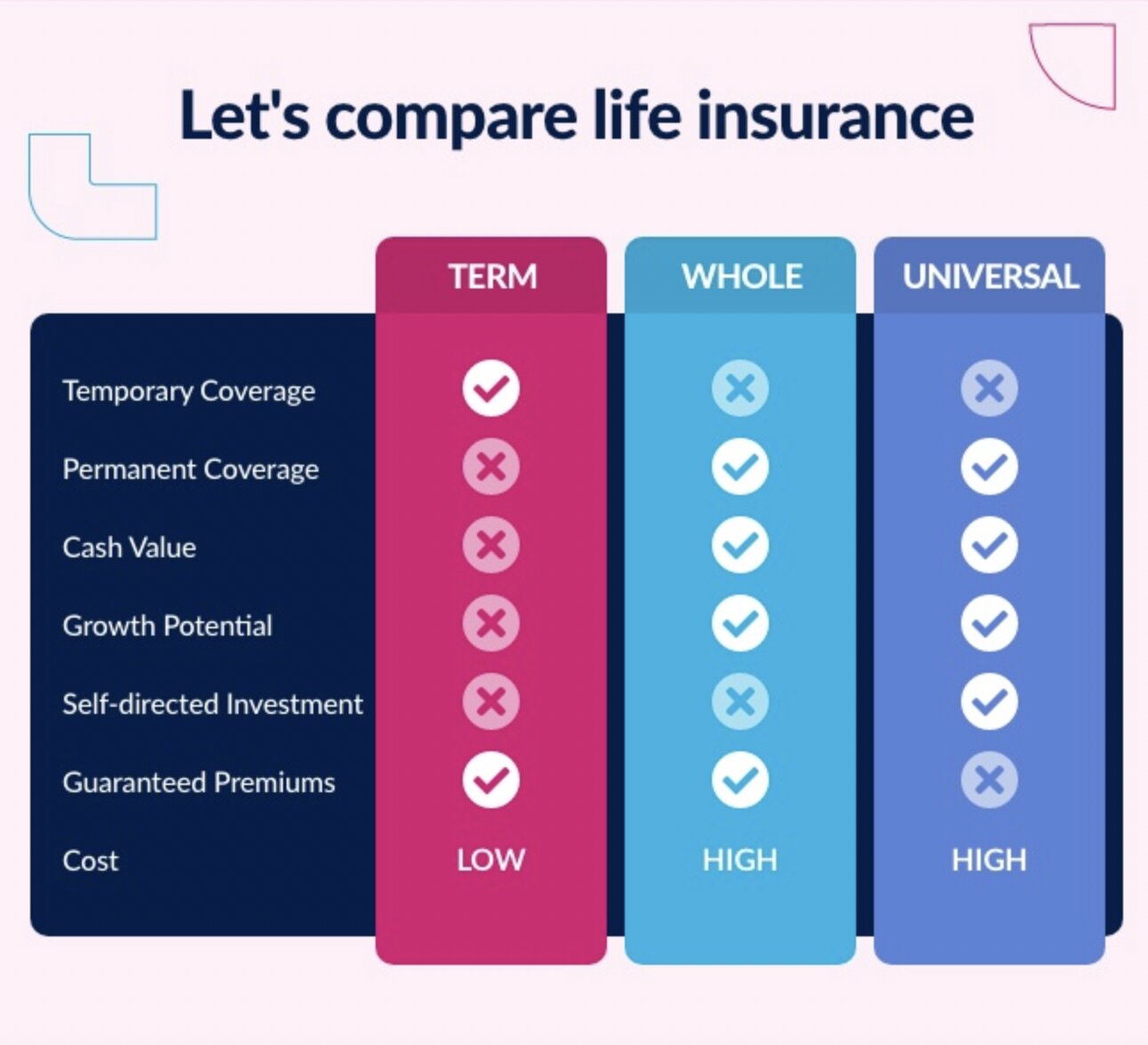
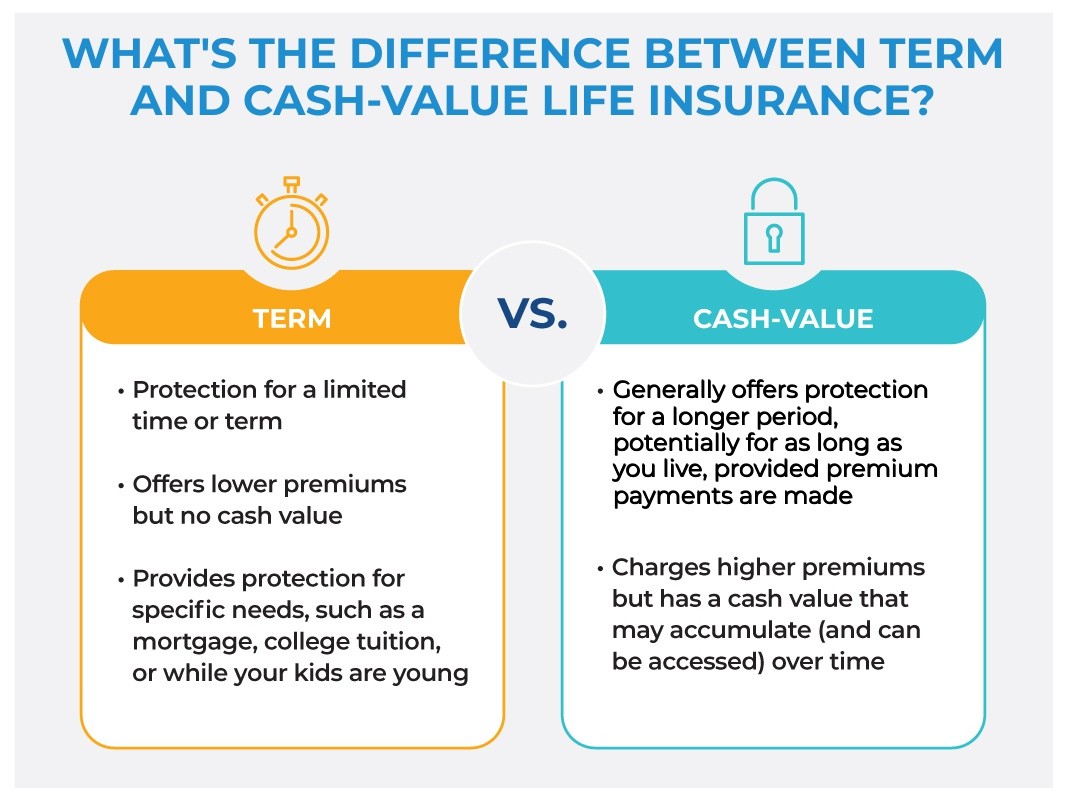
A 10-year term policy provides pure death benefit protection for a fixed decade. It is designed to be cost-effective, covering temporary financial liabilities such as a mortgage, young children's education years, or income replacement during peak earning phases.
- Cash Value Status: Term policies do not build cash value. They operate much like auto or homeowners insurance—you pay a premium for risk protection, and if you outlive the 10-year term, the policy expires with no residual financial value.
- Cash Out Reality: There is no cash out option for a standard 10-year term policy. Surrendering a term policy before its expiration yields nothing unless the policy includes a rare and expensive Return of Premium (ROP) rider, which refunds a portion or all of the base premiums paid after the full 10 years are completed.
10-Year Permanent Life Insurance (Whole or Universal Life)
Permanent insurance policies, such as whole life or universal life, feature a cash value component alongside the death benefit. A portion of each premium payment is directed into a tax-advantaged account that grows over time according to guaranteed rates or market performance.
- The 10-Year Mark: While whole life policies are designed to last a lifetime, some specialized products or limited-pay contracts are structured around a 10-year funding schedule (often called 10-pay life). After 10 years of accelerated premium payments, the policy is fully paid up, meaning no further out-of-pocket premiums are required while cash value continues to grow.
- Cash Out Reality: Policyholders holding permanent plans with accumulated cash value can access these funds via full surrender, partial withdrawals, or policy loans once the cash value threshold has been met.
Methods of Accessing Cash Value After 10 Years
If your policy is a permanent contract that has built cash value over a 10-year period, you have multiple pathways to tap into those funds. Each method alters your future coverage and financial standing differently.
1. Full Policy Surrender
Surrendering a policy means completely terminating the contract in exchange for its accumulated net cash surrender value.
- How It Works: You notify the insurance carrier in writing that you wish to cancel the policy. The insurer calculates the gross cash value, subtracts any outstanding policy loans, unpaid interest, and applicable surrender charges, and pays you the remaining balance.
- Impact: Your life insurance coverage terminates immediately. You will no longer have a death benefit, meaning your beneficiaries will receive nothing upon your death. Surrender charges are also highest during the early years of a policy, though after 10 years, these fees typically decline significantly or disappear entirely.
2. Partial Withdrawals
Many universal life and some whole life policies allow you to withdraw a portion of your cash value without terminating the contract.
- How It Works: You request a specific dollar amount from your accumulated cash value. The insurer disburses the funds directly to you.
- Impact: Withdrawals typically reduce your total cash value and can reduce the policy's death benefit dollar-for-dollar. Depending on the product structure, excessive withdrawals can cause the policy to lapse if the remaining cash value becomes insufficient to cover monthly administrative and mortality costs.
3. Policy Loans
Instead of withdrawing funds directly, policyholders can borrow against their cash value using the policy as collateral.
- How It Works: The insurance company lends you money from its general account, charging a fixed or variable interest rate. The cash value remains inside the policy, continuing to earn dividends or interest (though often at a reduced rate on the borrowed portion).
- Impact: You are not legally required to repay a policy loan during your lifetime, but unpaid loan balances and accrued interest are subtracted from the death benefit when you pass away, or from the cash surrender value if you later surrender the policy. If the total loan balance exceeds the cash value, the policy will lapse, potentially triggering a massive tax liability.
Tax Implications of Cashing Out Life Insurance
Accessing money from a life insurance policy is governed by specific tax regulations enforced by tax authorities such as the Internal Revenue Service (IRS). Understanding these rules prevents unexpected tax bills.
The Cost Basis Principle
The cash value of a permanent life insurance policy consists of two parts: your cost basis (the total sum of premiums you have paid into the policy) and the accumulated growth (interest, dividends, or investment gains).
- Return of Premium: Withdrawals and surrenders are treated on a "first-in, first-out" (FIFO) basis. This means the money you withdraw first is considered a return of your own after-tax premium payments (cost basis) and is completely tax-free.
- Taxable Gains: Once your withdrawals exceed your total cost basis, any additional money taken out is considered earnings and is subject to ordinary income tax rates.
Tax Treatment of Policy Loans
Policy loans are generally not taxable as income, regardless of how much growth has accumulated inside the policy. Because the funds are classified as a loan secured by collateral, the IRS does not view them as a distribution. However, if the policy lapses or is surrendered while an outstanding loan exceeds the cost basis, the entire outstanding loan balance can be treated as a taxable distribution in a single tax year.
| Method of Accessing Cash | Impact on Death Benefit | Tax Treatment | Requires Repayment? |
|---|---|---|---|
| Full Surrender | Eliminates coverage entirely | Gains above cost basis are taxed as ordinary income | No |
| Partial Withdrawal | Typically reduces death benefit | Tax-free up to cost basis; gains taxed as income | No |
| Policy Loan | Reduced by outstanding loan + interest | Tax-free unless the policy lapses | Optional (reduces payout if unpaid) |
Evaluating the Pros and Cons of Cashing Out
Before initiating a cash out transaction on a 10-year-old policy, weigh the immediate financial relief against the long-term loss of protection and potential compounding growth.
Advantages
- Emergency Liquidity: Provides immediate access to cash during financial hardships, medical crises, or unexpected business needs without credit checks or bank loan approvals.
- Debt Consolidation: Allows policyholders to replace high-interest consumer debt with self-funded policy loans that often feature lower interest rates.
- Realizing Value from Unneeded Coverage: If your dependents are financially independent after 10 years and you no longer require a death benefit, surrendering an unneeded policy monetizes an otherwise dormant asset.
Disadvantages
- Loss of Insurance Protection: Cashing out or surrendering leaves you uninsured, exposing your family or estate to financial vulnerability if you pass away later in life.
- Reduced Legacy: Withdrawals and loans permanently diminish the financial inheritance left to your designated beneficiaries.
- Potential Fees and Taxes: Early surrender charges (if applicable) and income taxes on gains can significantly reduce the net cash payout you actually receive.
Step-by-Step Process to Cash Out Your Policy
If you have verified that your policy is a permanent plan with accessible cash value and have decided to proceed, follow a structured process to ensure accuracy and avoid administrative delays.
- Review Your Policy Contract: Locate your original policy document or log into your online insurer portal to examine the current "Cash Surrender Value" and verify whether any surrender penalty periods extend past the 10-year mark.
- Request an In-Force Illustration: Contact your insurance carrier's customer service department and request a detailed ledger showing how a full surrender, partial withdrawal, or loan will impact your cash value, future premiums, and death benefit.
- Consult a Financial or Tax Professional: Speak with a certified public accountant (CPA) or financial advisor to calculate your exact cost basis and determine the precise tax liability associated with the transaction.
- Submit Formal Surrender or Withdrawal Forms: Complete the insurer’s specific distribution paperwork. Most companies require a signature guarantee or notary public stamp to prevent fraudulent withdrawals.
- Monitor Disbursement: Allow anywhere from several business days to a few weeks for the insurance company to process the paperwork, deduct any outstanding fees or loans, and issue payment via direct deposit or check.
Alternatives to Cashing Out
If you need funds but want to avoid sacrificing your life insurance coverage, several alternatives can provide financial relief while keeping your policy active.
- Reduced Paid-Up Option: You can use your accumulated cash value to purchase a smaller, paid-up permanent policy with no future premium payments required. This preserves a smaller death benefit while eliminating ongoing costs.
- Extended Term Insurance: You can use the cash value to convert your permanent policy into a term life policy for a specified number of years, maintaining the maximum death benefit for as long as the cash value sustains it.
- External Commercial Loans: Instead of borrowing against your policy, consider a traditional bank loan or home equity line of credit (HELOC) if maintaining your full life insurance death benefit is a high priority.
Frequently Asked Questions
Can I cash out a 10-year term life insurance policy?
No. Standard 10-year term life insurance policies do not build cash value. They provide pure protection for a decade and expire with zero residual cash value unless your policy contains a specialized Return of Premium rider.
Are life insurance policy loans required to be paid back?
No. You are never legally forced to repay a policy loan out of pocket. However, any outstanding loan balance plus accumulated interest will be permanently deducted from the death benefit when you die, or from the cash value if the policy is surrendered.
How long does it take to receive cash from a life insurance surrender?
Once the insurance carrier receives your completed and properly notarized surrender paperwork, processing and disbursement typically take between 5 to 10 business days, depending on the company's internal verification procedures.
Will I owe taxes when I cash out my permanent life insurance policy?
You only owe income tax on the portion of the cash out that exceeds your cost basis (the total amount of premiums you paid into the policy). Withdrawals and surrenders up to your total cost basis are considered a return of your own money and are tax-free.
What happens to my cash value if I miss a premium payment after 10 years?
If your policy has accumulated sufficient cash value, many permanent policies feature an "automatic premium loan" provision. This feature uses your cash value to pay overdue premiums automatically, preventing the policy from lapsing as long as adequate funds remain.
Next Actions
If you are currently evaluating a 10-year life insurance plan cash out, start by requesting an official in-force ledger directly from your insurance carrier to confirm your exact cash surrender value and cost basis. Review these figures with a qualified tax professional or financial planner to map out the most tax-efficient method for accessing your funds while protecting your long-term financial security.