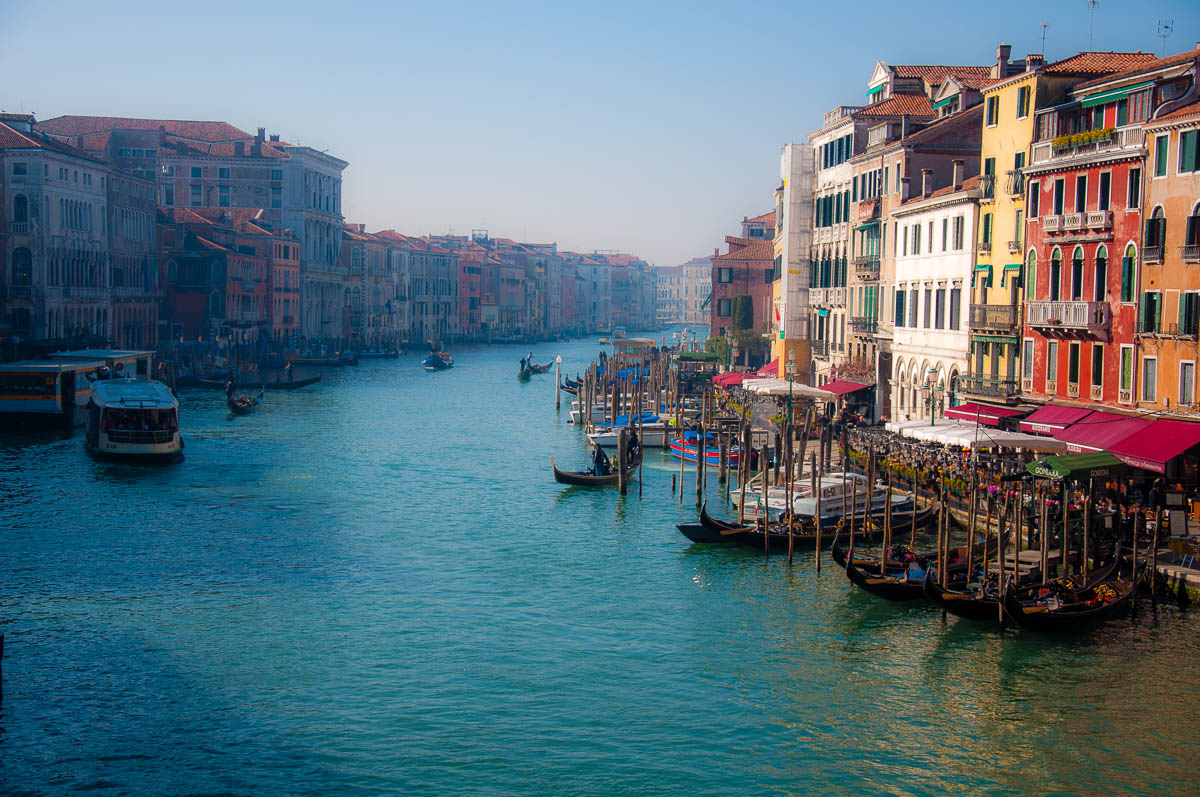
Navigating Venice requires a nuanced understanding of its unique geography, seasonal entry requirements, and local logistical norms. By preparing for the city’s specific transit systems, managing your entry fee registration in advance, and timing your excursions to avoid peak congestion, you can ensure a smooth, efficient, and enjoyable experience in the historic lagoon city.
1. Manage the Venice Access Fee (Contributo di Accesso)
Since 2024, Venice has implemented a mandatory access fee for day-trippers on specific high-traffic days. If you are not staying overnight in the city, you must check the official Venice Access Fee portal to determine if your date of arrival requires a reservation and payment. Even if you are exempt—for example, if you are staying in a hotel within the municipality—you may still be required to register online to generate a QR code exemption. Failing to hold the correct documentation can result in administrative fines. Always carry your QR code in a digital or printed format, as municipal officers perform spot checks at major transit hubs like Santa Lucia station and Piazzale Roma.
2. Master the Vaporetto System
The vaporetto (water bus) is the backbone of Venetian public transit. Operated by ACTV, these boats connect the islands and the mainland. For a seamless visit in 2026, purchase your tickets via the official "AVM Venezia" app or at the automated ticket kiosks located at every major dock. Avoid buying single tickets if you plan to move frequently, as they are expensive; instead, opt for 24-hour, 48-hour, or 7-day travel passes. Remember that you must validate your card by tapping it against the electronic reader before boarding every single time. Failure to validate creates a "traveling without a ticket" scenario, which carries significant on-the-spot penalties.
3. Understand the Geography of "Sestieri"
Venice is divided into six administrative districts known as sestieri: Cannaregio, Castello, Dorsoduro, San Marco, San Polo, and Santa Croce. Each has a distinct personality. San Marco is the most tourist-dense, while Cannaregio and Castello offer a more authentic, residential atmosphere. When navigating, rely on local signage—yellow signs on building walls often point toward "San Marco," "Rialto," or "Ferrovia" (the train station). However, be aware that GPS accuracy can fluctuate significantly in the narrow alleys (calli) due to the height of the buildings and the reflective nature of the water, so carrying a paper map is a recommended backup.
4. Prioritize Off-Peak Timing for Landmarks
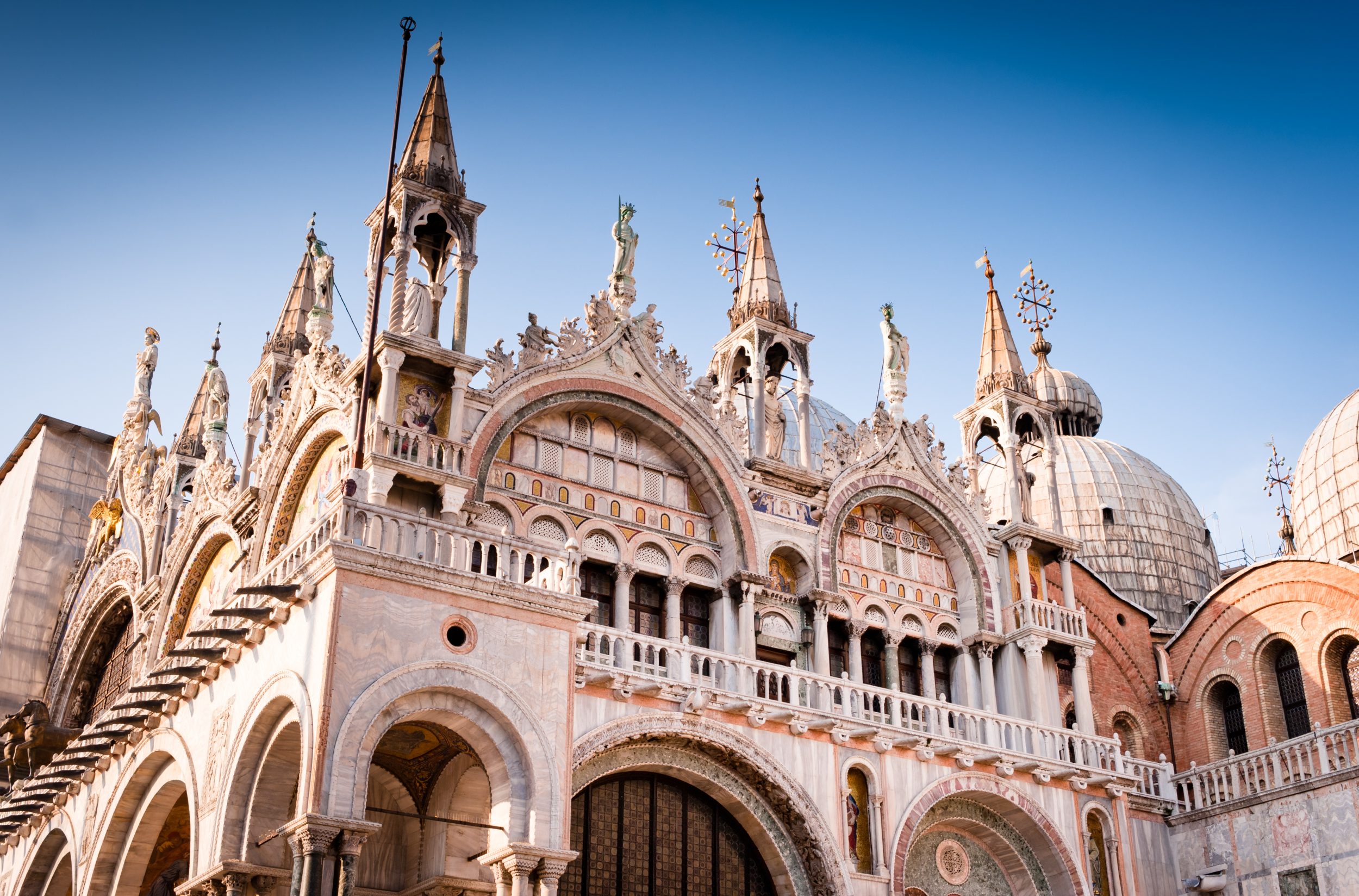
The primary landmarks, specifically St. Mark’s Basilica and the Doge’s Palace, experience intense foot traffic between 10:00 AM and 3:00 PM when day-trip cruise passengers are ashore. To secure a seamless visit, aim to be at these sites immediately upon opening or in the late afternoon. Booking "Skip-the-Line" tickets through official portals is essential during the high season (April through October). If you arrive without a reservation, be prepared for multi-hour wait times. Visiting during the shoulder seasons—late autumn or early spring—also significantly reduces the density of crowds.
5. Pack Light and Manage Luggage Logistics
Venice is a city of over 400 bridges, most of which have steep stone steps. Navigating the city with heavy, large suitcases is physically demanding and disruptive to local foot traffic. If your accommodation is located deep in the historic center, pack in a single carry-on bag or a durable backpack. If you must travel with heavy luggage, utilize the "porterage" services available at the train station or book a mototaxi (private water taxi) that can drop you closer to your hotel’s dock. Avoid bringing wheeled luggage if possible, as the constant vibration and impact can damage wheels on the uneven Istrian stone pavements.
6. Dine Strategically to Avoid Tourist Traps
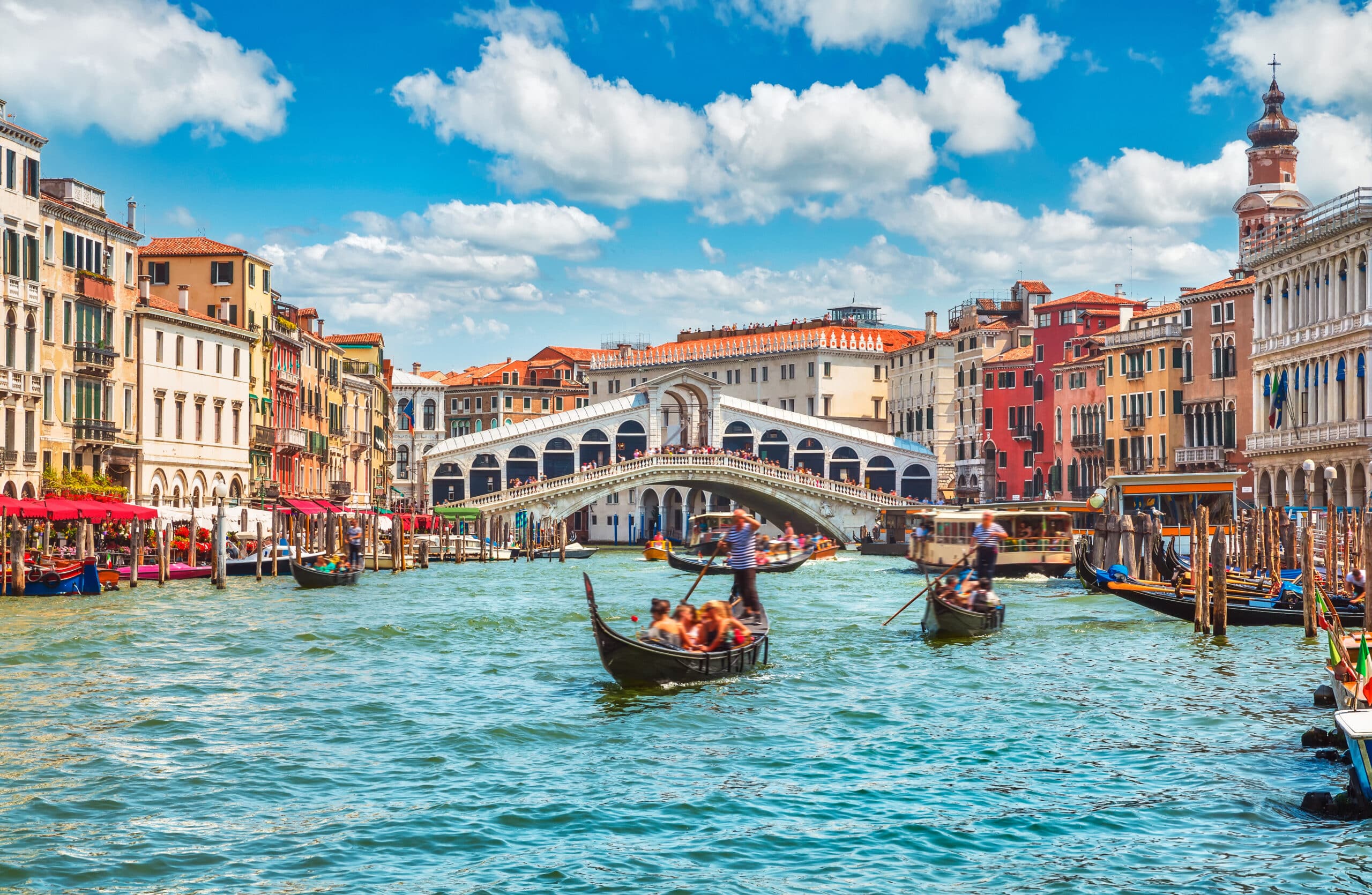
Venice has a reputation for expensive, low-quality tourist menus. To eat like a local, seek out bacari—small, traditional wine bars that serve cicchetti (small Venetian snacks similar to tapas). These are cost-effective, authentic, and allow for a quick, high-quality bite while standing. When looking for a full dinner, walk at least three or four blocks away from major squares like San Marco or the Rialto Bridge. Restaurants that display multi-language picture menus on sidewalk easels are generally best avoided. Check local reviews from 2026 to verify current quality, and always ask for the coperto (cover charge) policy to avoid surprises on your bill.
7. Respect the "Acqua Alta" Preparations
Acqua alta (high water) is a natural phenomenon caused by tidal shifts, most common between October and March. In the event of high tide, the city deploys elevated walkways (passerelle). If you are visiting during these months, check the "Centro Maree" website or app for real-time tide forecasts. If the forecast suggests a high tide exceeding 110cm, consider wearing waterproof footwear. While the city’s flood barrier system (MOSE) has reduced the frequency of extreme flooding, minor street-level inundation remains a seasonal reality that requires minor adjustments to your walking routes.
8. Observe Local Etiquette and Regulations
Venice is a living city, not just an open-air museum. Residents work, commute, and attend school here. Be mindful of "slow travel" etiquette: do not stop in the middle of narrow bridges or alleyways to take photos, as this blocks the flow of local pedestrians. Consumption of food while sitting on the steps of churches or bridges is officially prohibited and can result in fines. Maintain a quiet demeanor when passing through residential neighborhoods at night. By respecting the local rhythm, you prevent friction with residents and contribute to a more sustainable tourism model.
9. Utilize the Water Taxi Only When Necessary
Private water taxis offer a glamorous and efficient way to travel, but they are expensive. A single trip can cost anywhere from €80 to €150 or more, depending on the distance, the number of passengers, and the amount of luggage. They are most useful when you have large amounts of luggage or need to reach a hotel with a private dock that is inaccessible by public vaporetto. Always confirm the price with the driver before stepping into the boat to avoid disagreements regarding luggage surcharges or night-time fees.
10. Stay Connected and Hydrated
Venice’s layout is a labyrinth, and while getting lost is part of the experience, it can be draining. Keep your smartphone charged, as you will likely rely on it for transit apps, restaurant bookings, and navigation. Venice has a vast network of historic public drinking fountains (nasoni) that provide cold, clean, drinkable water for free. Instead of purchasing single-use plastic bottles, carry a reusable bottle and refill it throughout the day. This is not only environmentally responsible but also saves money throughout your stay.
Comparison of Transit Options
| Mode | Best Used For | Typical Cost |
|---|---|---|
| Vaporetto | General city transit | €9.50 (single) / €25+ (day pass) |
| Water Taxi | Direct, private, luggage-heavy travel | €80–€150+ per trip |
| Traghetto | Crossing the Grand Canal on foot | €2.00 per crossing |
| Walking | Exploring narrow alleys and districts | Free |
Frequently Asked Questions
Is it necessary to buy tickets for St. Mark's Basilica in advance? Yes. As of 2026, the Basilica implements mandatory timed-entry booking for almost all visitors. Attempting to enter without a booking usually results in being turned away or waiting in a queue that can exceed two hours.
Can I use a credit card for all transport? Yes, most ACTV water buses and ticket machines accept contactless credit cards and mobile payments. However, keeping a small amount of cash is recommended for traghetti (the small gondolas used to cross the Grand Canal), as these operators often prefer cash.
What is the best way to travel from Marco Polo Airport to the city? The most efficient method is the Alilaguna water bus, which provides a direct link between the airport dock and major points in the city. Alternatively, the ACTV bus (Line 5) or the ATVO express bus will take you to Piazzale Roma, where you can connect to the water bus network.
Are there restricted areas in Venice where tourists are not allowed? Venice is largely open, but you must respect "Private" signs on residential docks and entrances. Additionally, many churches charge a small entry fee and have strict dress codes, requiring shoulders and knees to be covered.
How do I handle trash in Venice? Venice has strict waste collection rules. Do not leave trash on the ground or benches. Use the marked public waste bins, which are often found near major ferry docks. If you are staying in an apartment, follow the specific recycling schedule provided by your host.
Recommendation for your next steps: Start by confirming your travel dates against the Venice Access Fee calendar. Once your dates are set, prioritize booking your accommodation and any "skip-the-line" museum tickets at least four weeks in advance to ensure availability.