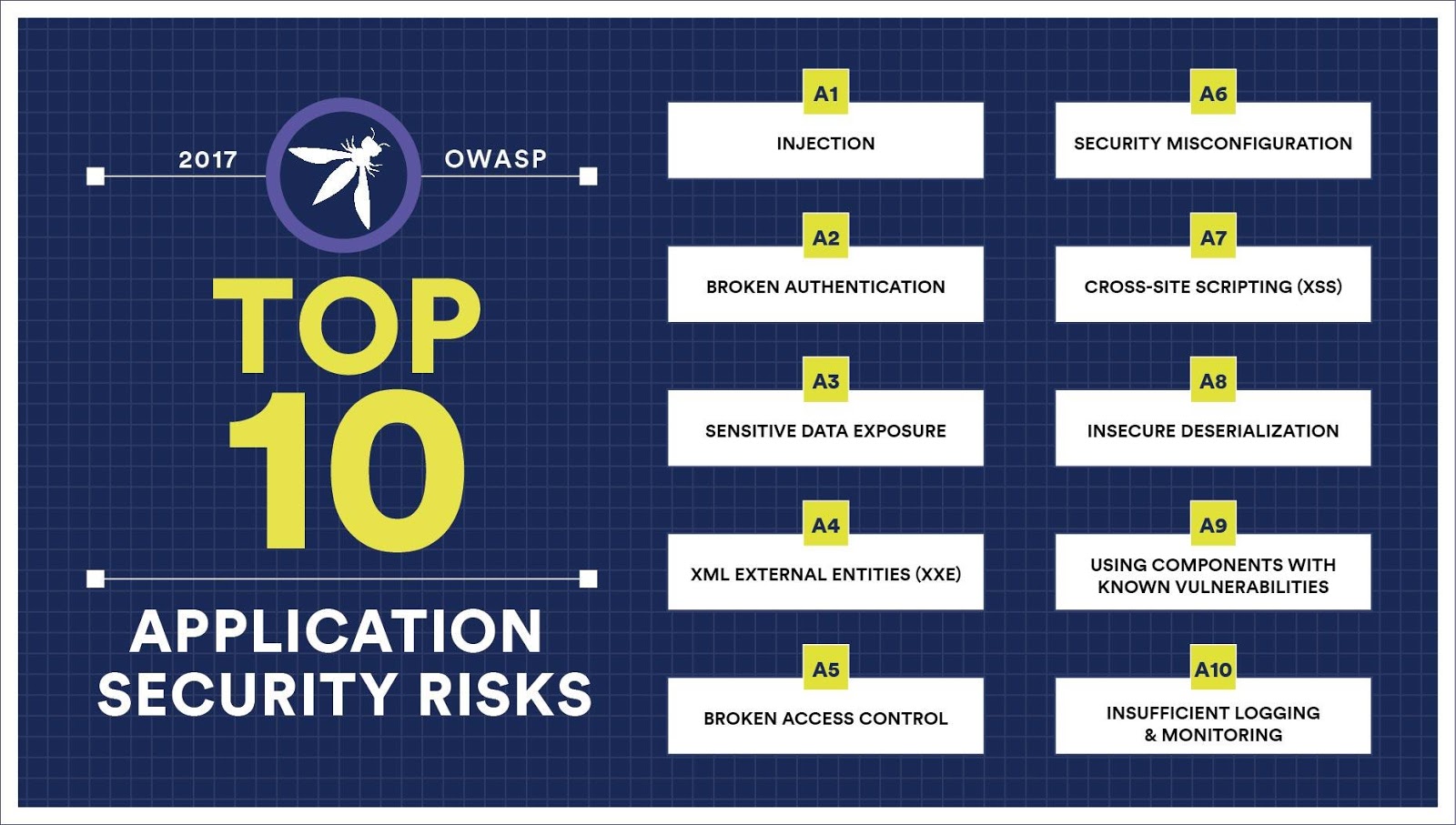
The 10 critical focus areas in cloud security v4.0 provide a structured, modernized framework for identifying, mitigating, and managing enterprise risk across complex multi-cloud and hybrid environments. This taxonomy helps security architects, compliance officers, and cloud engineers prioritize resource allocation, address sophisticated threat vectors, and implement zero-trust principles across modern infrastructure.
Navigating modern cloud security requires shifting away from perimeter-defensive postures toward dynamic, identity-centric architectures. As organizations scale their digital transformations, the attack surface expands to include serverless functions, containerized microservices, third-party application programming interfaces (APIs), and complex software supply chains.
This guide examines the core structural pillars of cloud security v4.0, breaking down each focus area to explain why it matters, how it operates in practice, and what technical steps organizations must take to achieve robust operational resilience.
Understanding the Evolution of Cloud Security Frameworks
Cloud security has evolved through distinct generations. Early cloud adoption focused primarily on infrastructure-as-a-service (IaaS) hardening, basic access control lists, and perimeter firewalls. Version 4.0 frameworks represent a mature philosophy built on the recognition that the cloud perimeter is ubiquitous and ephemeral.
The primary driver behind version 4.0 architectures is the convergence of automation, distributed workloads, and decentralized development teams. When developers can spin up storage buckets, databases, and compute clusters with a few lines of code, traditional security review boards become bottlenecks. Consequently, modern security frameworks integrate tightly with CI/CD (Continuous Integration/Continuous Deployment) pipelines, treating security as code.
Furthermore, regulatory compliance mandates have grown stricter globally, imposing heavy financial penalties for data exposure. Security leaders can no longer rely on manual audits. Version 4.0 emphasizes continuous compliance monitoring, automated remediation, and cryptographic data protection throughout the entire lifecycle of enterprise assets.
The 10 Critical Focus Areas in Cloud Security v4.0
The framework is structured into ten distinct yet interconnected domains. Each domain addresses a specific vector of modern cloud risk, ranging from foundational identity management to advanced threat intelligence.
1. Identity, Credential, and Access Management (ICAM)
Identity has become the new security perimeter. In modern cloud environments, network boundaries are porous, meaning that securing user accounts, service principals, and machine identities is paramount.
- Principle of Least Privilege (PoLP): Ensuring that human users and non-human identities (such as service accounts and workloads) possess only the exact permissions necessary to perform their functions.
- Multi-Factor Authentication (MFA): Mandatory implementation of phishing-resistant MFA for all administrative and standard user accounts.
- Identity Federation: Centralizing identity governance through protocols like OpenID Connect (OIDC) and Security Assertion Markup Language (SAML) to eliminate fragmented local accounts across different cloud service providers (CSPs).
2. Workload and Container Security
Modern applications are rarely monolithic blocks of code; they are built from containers, orchestration platforms like Kubernetes, and serverless functions. Securing these workloads requires deep inspection throughout their lifecycle.
- Image Scanning: Analyzing container images for known vulnerabilities, misconfigurations, and embedded secrets before deployment into production clusters.
- Runtime Protection: Monitoring container behavior in real time to detect anomalous process executions, unexpected network connections, and unauthorized file system modifications.
- Micro-Segmentation: Isolating workloads using network policies to prevent lateral movement if a single container or service is compromised.
3. Data Protection and Cryptography
Data is the primary target of modern cyberattacks. Version 4.0 frameworks demand comprehensive strategies for data discovery, classification, and cryptographic protection across all states of data lifecycle.
- Encryption at Rest and in Transit: Utilizing robust cryptographic algorithms (such as AES-256 for storage and TLS 1.3 for communications) enforced consistently via automated policy engines.
- Key Management Systems (KMS): Implementing centralized key lifecycle management, hardware security modules (HSMs), and customer-managed keys (CMKs) to maintain organizational sovereignty over encryption keys.
- Data Loss Prevention (DLP): Deploying continuous scanning tools to identify and block unauthorized exfiltration or exposure of sensitive data, such as personally identifiable information (PII) and intellectual property.
4. Infrastructure as Code (IaC) and DevSecOps Integration
Security must shift left, moving from a retroactive gatekeeper phase to an active component of the software development lifecycle (SDLC).
- Static Code Analysis: Scanning infrastructure configuration files (such as Terraform, AWS CloudFormation, and Kubernetes manifests) for security flaws before deployment.
- Security Guardrails: Embedding automated policy-as-code tools (e.g., Open Policy Agent) into CI/CD pipelines to block non-compliant resources from ever reaching production environments.
- Developer Training: Equipping software engineers with contextual feedback loops so they understand how to write secure code without slowing down feature delivery.
5. Network Security and Micro-Perimeters
Traditional network security relied on trusted internal corporate networks and untrusted external internets. Cloud environments require a zero-trust network architecture (ZTNA) model.
- Virtual Private Cloud (VPC) Design: Structuring cloud environments into tightly controlled public, private, and isolated subnets.
- Web Application Firewalls (WAF) and API Gateways: Inspecting incoming web traffic for malicious payloads, SQL injection, cross-site scripting, and distributed denial-of-service (DDoS) attacks.
- Encrypted Overlay Networks: Ensuring all inter-service communication within and across cloud regions is encrypted by default.
6. Security Operations, Logging, and Visibility
You cannot secure what you cannot see. Comprehensive telemetry and real-time monitoring are essential for detecting sophisticated threat actors who bypass initial preventative controls.
- Centralized Logging: Aggregating audit logs, cloud trail logs, and host-level telemetry into a centralized Security Information and Event Management (SIEM) or Extended Detection and Response (XDR) platform.
- Cloud Security Posture Management (CSPM): Continuously evaluating cloud configurations against regulatory frameworks and internal baselines to detect drift and misconfigurations.
- Automated Incident Response: Utilizing orchestration and automated response (SOAR) playbooks to isolate compromised instances, revoke compromised credentials, and snapshot forensic evidence instantly.
7. Governance, Risk, and Compliance (GRC)
Cloud environments introduce complex shared responsibility models where the boundary between provider and customer obligations must be clearly understood and audited.
- Shared Responsibility Mapping: Explicitly defining security controls managed by the CSP versus those managed by the enterprise.
- Continuous Compliance Monitoring: Automating compliance checks against standards such as ISO/IEC 27001, SOC 2, HIPAA, and PCI-DSS to reduce audit fatigue.
- Third-Party Risk Management: Assessing the security posture of software-as-a-service (SaaS) vendors, managed service providers, and open-source library dependencies.
8. Vulnerability and Patch Management
Attackers constantly scan public-facing cloud assets for unpatched vulnerabilities. Version 4.0 requires an aggressive, continuous approach to vulnerability identification and remediation.
- Asset Discovery: Maintaining an exhaustive, real-time inventory of all cloud resources, including shadow IT and ephemeral development environments.
- Risk-Based Prioritization: Utilizing contextual threat intelligence to prioritize vulnerability remediation based on exploitability, asset value, and network exposure.
- Immutable Infrastructure: Patching vulnerabilities by replacing compromised or outdated virtual machine instances and containers with freshly built, patched images rather than applying in-place updates.
9. Application Security and API Governance
Modern enterprise applications rely heavily on APIs to communicate with internal microservices and external partners. These interfaces represent prime targets for malicious actors.
- API Discovery and Inventory: Cataloging all internal and external APIs, including shadow or undocumented endpoints.
- Authentication and Authorization Validation: Ensuring every API endpoint rigorously validates caller identity and authorization scopes to prevent broken object-level authorization (BOLA) vulnerabilities.
- Input Validation and Sanitization: Protecting backend systems from injection attacks by strictly validating all incoming request payloads against rigorous schemas.
10. Threat Intelligence and Simulation
Proactive defense requires understanding how real-world threat actors operate, leveraging offensive security techniques to validate defensive postures.
- Cloud Threat Intelligence: Integrating global threat feeds into detection systems to identify indicators of compromise (IoCs) specific to cloud attack vectors.
- Breach and Attack Simulation (BAS): Running automated attack scenarios against cloud environments to test the efficacy of monitoring tools and defensive controls.
- Red Teaming: Engaging specialized security professionals to conduct simulated, multi-stage attacks against cloud infrastructure to uncover complex blind spots.
Comparative Analysis of Cloud Security Focus Areas
To effectively prioritize initiatives, security leaders can evaluate these focus areas based on implementation complexity, operational impact, and risk reduction potential.
| Focus Area | Primary Domain | Implementation Complexity | Risk Reduction Impact |
|---|---|---|---|
| Identity, Credential, and Access Management | Access & Identity | High | Critical |
| Workload and Container Security | Infrastructure | Medium-High | High |
| Data Protection and Cryptography | Data Security | Medium | Critical |
| IaC and DevSecOps Integration | Development | High | High |
| Network Security and Micro-Perimeters | Network | Medium | Medium-High |
| Security Operations and Logging | Visibility | High | Critical |
| Governance, Risk, and Compliance | Management | Medium | Medium |
| Vulnerability and Patch Management | Operations | Low-Medium | High |
| Application Security and API Governance | Development | Medium-High | High |
| Threat Intelligence and Simulation | Offensive Sec | High | Medium |
Implementation Challenges and Common Pitfalls
Adopting the 10 critical focus areas in cloud security v4.0 is rarely a frictionless process. Organizations frequently encounter organizational, technical, and operational obstacles.
Organizational Silos
Security teams often operate in isolation from development and operations groups. When security mandates are imposed without developer context, friction ensues, leading to shadow IT and bypassed controls. Successful version 4.0 adoption requires embedding security champions within engineering squads to foster a collaborative security culture.
Alert Fatigue
Automated security tools frequently generate massive volumes of alerts, many of which are false positives or low-severity issues. Security operations centers (SOCs) can quickly become overwhelmed, missing critical indicators of compromise. Organizations must fine-tune detection rules and leverage contextual enrichment to filter out noise.
Skill Gaps
The rapid evolution of cloud-native technologies has outpaced the availability of trained security professionals. Architecting secure serverless applications, Kubernetes clusters, and multi-cloud IAM policies requires specialized expertise that is often scarce in traditional IT departments.
Frequently Asked Questions
What is the primary objective of cloud security v4.0 frameworks?
The primary objective is to establish a modern, scalable, and automated security posture designed for multi-cloud, containerized, and identity-driven architectures. It moves organizations away from static perimeter defenses toward continuous validation and zero-trust principles.
How does cloud security v4.0 differ from traditional network security?
Traditional network security focuses on protecting a defined corporate perimeter using firewalls and internal network segmentation. Cloud security v4.0 assumes the perimeter is non-existent, focusing instead on cryptographic data protection, strict identity verification, and runtime workload security.
Are these 10 focus areas mandatory for all cloud-hosted organizations?
While not a rigid legal mandate, these ten focus areas represent industry consensus standards established by frameworks such as NIST, CIS, and CSA. Implementing them is essential for meeting compliance requirements and defending against modern cyber threats.
How should an enterprise prioritize these 10 areas during an initial rollout?
Organizations should begin by establishing rigorous Identity, Credential, and Access Management (ICAM) alongside foundational Security Operations and Logging visibility. You cannot secure workloads or data effectively until you know who has access to them and possess the visibility to monitor their activities.
What role does automation play in cloud security v4.0?
Automation is foundational to version 4.0 frameworks. Because cloud environments change rapidly via code and automated scaling, manual security reviews are insufficient. Automated policy-as-code, continuous compliance scanning, and automated incident response are required to maintain security at scale.
Conclusion and Next Actions
Implementing the 10 critical focus areas in cloud security v4.0 requires a strategic, phased approach rather than an overnight overhaul. Security leaders should begin by conducting a comprehensive maturity assessment across all ten domains to identify glaring gaps and unmitigated risks.
Once baseline gaps are identified, organizations should establish a cross-functional task force comprising security architects, cloud engineers, and compliance officers. Focus initial efforts on strengthening identity controls and establishing robust cloud visibility. From there, progressively integrate security guardrails into development pipelines and expand cryptographic protections. By systematically addressing each focus area, enterprises can build a resilient, agile cloud foundation capable of safely supporting digital innovation in 2026 and beyond.