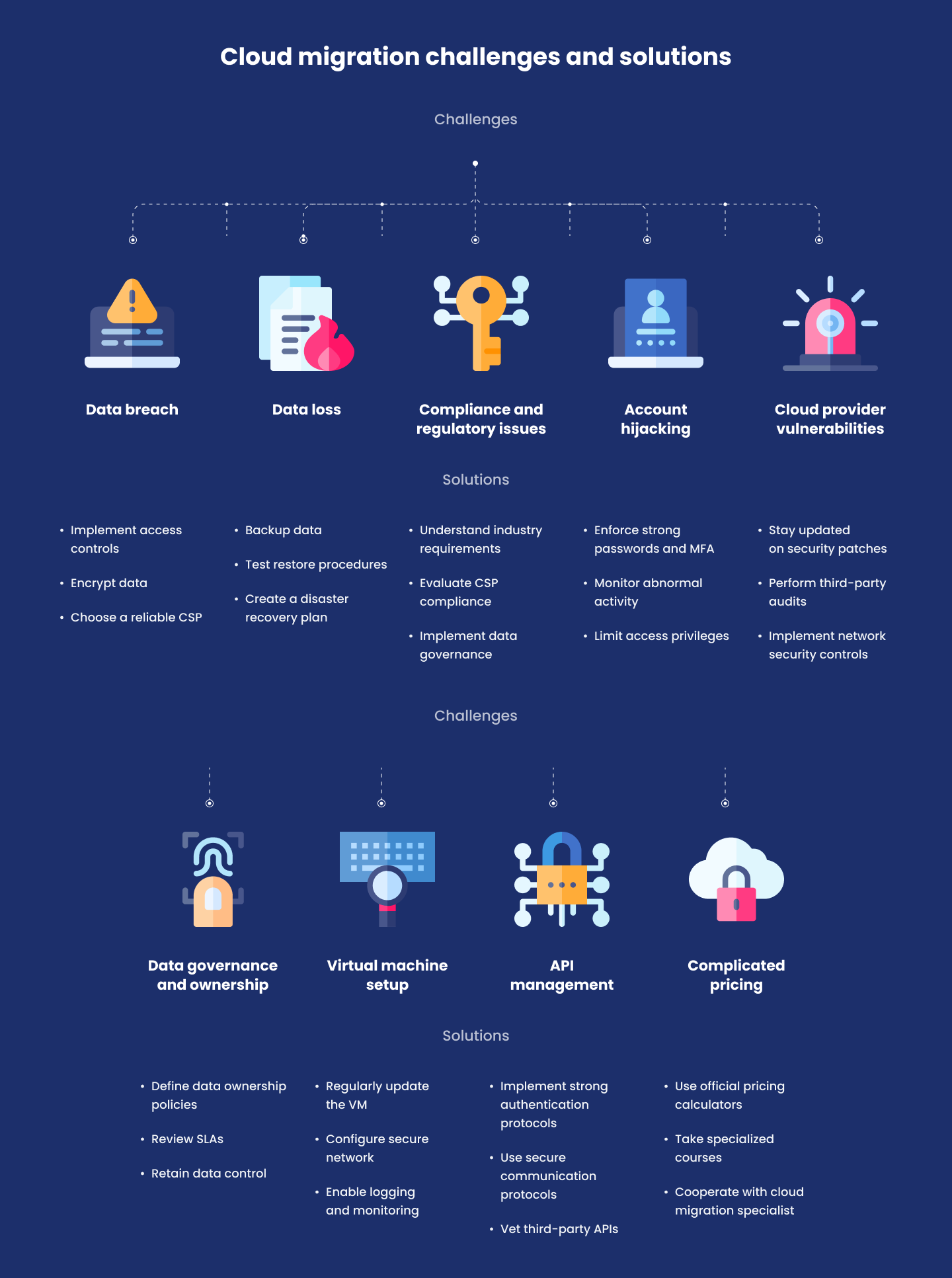
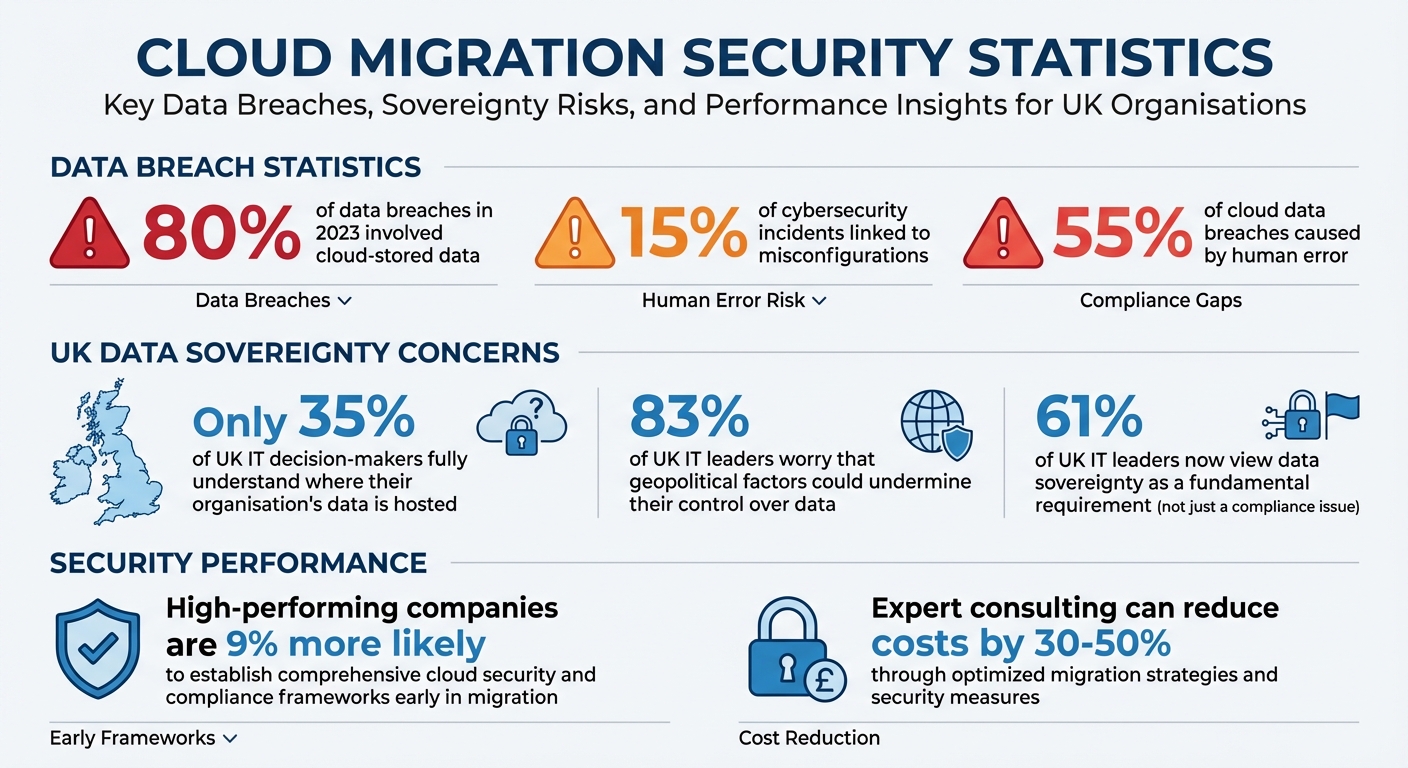
Navigating cloud migration security requires understanding architectural integrity, data protection frameworks, and compliance guidelines, often prompting students to look for structured study materials and course overviews. Academic resource platforms like Course Hero frequently feature study guides, flashcards, lecture notes, and practice exams uploaded by peers for specialized short-term tech training units, such as a hypothetical or specific "Week 4" module on cloud migration security. This overview examines how these supplemental study platforms support learners mastering cloud infrastructure protection, data governance, identity access management, and vulnerability mitigation during data center transitions.
Understanding the Scope of Cloud Migration Security Curriculums
Cloud migration security focuses on protecting data, applications, and IT infrastructure during the complex process of moving workloads from on-premises environments to public, private, or hybrid cloud platforms. A typical multi-week curriculum on this subject breaks down technical phases into distinct milestones. By week four, syllabi generally transition away from initial assessment frameworks and strategy formulation, diving instead into advanced operational security, continuous monitoring, and compliance enforcement.
Students encountering "Week 4" materials on platforms like Course Hero are typically dealing with critical hardening techniques. These often include securing application programming interfaces (APIs), implementing zero-trust network architectures, configuring identity and access management (IAM) policies, and setting up automated incident response mechanisms. Because these concepts require both theoretical comprehension and practical execution, study notes and peer-contributed documents often focus on real-world configurations across major cloud service providers (CSPs) such as Amazon Web Services (AWS), Microsoft Azure, and Google Cloud Platform (GCP).
Structure and Types of Course Hero Content for Tech Modules
When searching for academic or professional training support on open document-sharing platforms, users generally encounter several distinct asset formats. Understanding what these resources contain helps learners evaluate their accuracy and applicability to their specific course requirements.
- Lecture Transcripts and Notes: Detailed summaries of instructor-led presentations covering cloud security posture management (CSPM) and cloud workload protection platforms (CWPP).
- Practice Quizzes and Exam Prep: Multiple-choice questions and scenario-based problems designed to test knowledge of shared responsibility models, encryption standards, and network segmentation.
- Study Guides and Outlines: Condensed overviews of core security frameworks, including the Center for Internet Security (CIS) benchmarks and National Institute of Standards and Technology (NIST) guidelines.
- Case Study Analyses: Breakdowns of historical cloud misconfiguration incidents, illustrating how improper access controls or unencrypted storage buckets lead to data breaches.
Key Technical Themes Typically Covered in Week 4
While specific syllabi vary by institution or professional certification program, a week four module on cloud security usually addresses advanced defensive mechanisms. The following table highlights the primary technical domains commonly explored in these study materials, along with their core objectives and associated cloud security considerations.
| Technical Domain | Core Objective | Key Security Considerations |
|---|---|---|
| Identity and Access Management (IAM) | Enforcing the principle of least privilege across cloud environments. | Multi-factor authentication (MFA), role-based access control (RBAC), and temporary credential rotation. |
| Data Encryption & Key Management | Protecting data both at rest and in transit across networks. | Customer-managed encryption keys (CMEK), Transport Layer Security (TLS) configurations, and key lifecycle policies. |
| Network Security & Segmentation | Isolating sensitive workloads from public-facing components. | Virtual Private Cloud (VPC) peering, security groups, network access control lists (NACLs), and micro-segmentation. |
| Compliance & Governance | Ensuring adherence to regulatory frameworks and internal policies. | Automated auditing tools, continuous compliance monitoring, and posture management dashboards. |
Evaluating the Utility and Limitations of Peer-Shared Study Aids
Utilizing peer-uploaded study documents requires a discerning approach. While platforms like Course Hero offer valuable alternative perspectives, definitions, and practice questions that can reinforce classroom learning, they also carry inherent limitations that students must navigate carefully.
Advantages of Supplemental Study Outlines
Collaborative summaries often distill dense technical documentation into digestible points, making complex security protocols easier to review before exams. They provide insight into how other students interpret challenging concepts such as cryptographic key management hierarchies or shared responsibility boundaries between CSPs and client organizations. Additionally, practice questions found on these platforms help simulate test-taking environments, sharpening analytical skills for scenario-based security challenges.
Risks and Verification Challenges
Because documents are uploaded by individual users, the content may contain outdated information, typographical errors, or incomplete explanations of complex architectural patterns. Cloud security standards evolve rapidly, and a study guide referencing legacy configuration practices can introduce vulnerabilities if applied in a practical setting. Learners must cross-reference notes with official vendor documentation, such as the AWS Well-Architected Framework or Azure Security Center guidelines, to ensure technical accuracy.
Strategies for Effective Study and Skill Application
To maximize the value of course materials related to cloud migration security, learners should adopt a multi-faceted study approach that goes beyond passive reading.
- Correlate Notes with Official Standards: Match the terminology found in student study guides directly with official documentation from cloud providers or regulatory bodies like GDPR and HIPAA.
- Focus on Practical Architecture: Use conceptual outlines to map out secure network topologies on paper or in a sandbox environment, ensuring a clear grasp of how firewalls, subnets, and gateways interact.
- Prioritize Scenario-Based Learning: Focus heavily on troubleshooting guides and case studies that explain why specific security controls fail during migration phases.
- Engage in Active Recall: Treat peer-created flashcards and quizzes as baseline tests, supplementing them with hands-on lab exercises to reinforce operational competence.
Frequently Asked Questions
What specific topics are typically covered in a week four cloud migration security module?
Week four modules generally shift focus toward operational defense, covering identity and access management (IAM), data encryption at rest and in transit, network micro-segmentation, and automated compliance auditing within cloud environments.
Are peer-shared notes sufficient for passing professional cloud security exams?
No. While study guides and flashcards on document-sharing platforms provide helpful supplementary review, they should be used alongside official vendor training, hands-on labs, and authoritative documentation from providers like AWS, Azure, or GCP.
How can I verify the accuracy of study materials found online?
Always cross-reference definitions, configuration steps, and security frameworks with official source material, such as NIST cybersecurity publications, CIS benchmarks, or the security documentation provided directly by your cloud service provider.
Why is identity and access management emphasized so heavily in cloud security courses?
Improper access controls and misconfigured permissions remain among the leading causes of data exposure in cloud environments. Enforcing strict IAM policies is foundational to preventing unauthorized access during and after migration.
How does the shared responsibility model impact cloud migration security?
The shared responsibility model dictates that while the cloud provider secures the underlying infrastructure (security of the cloud), the customer remains responsible for securing their data, operating systems, network configurations, and IAM policies (security in the cloud).
Next Actions for Learners
To build a robust understanding of cloud migration security, begin by reviewing your primary syllabus alongside official cloud provider architecture whitepapers. Use community-shared outlines strictly as a supplementary check for your notes, and prioritize hands-on practice in secure sandbox environments to bridge the gap between theoretical security concepts and real-world deployment challenges.