A loan against the cash value of your life insurance policy allows you to borrow money from your insurance provider using the accumulated savings in your permanent policy as collateral. These loans are generally tax-free, require no credit check, and offer flexible repayment terms, provided the policy remains active and the loan balance does not exceed the total cash value.
Understanding Life Insurance Cash Value
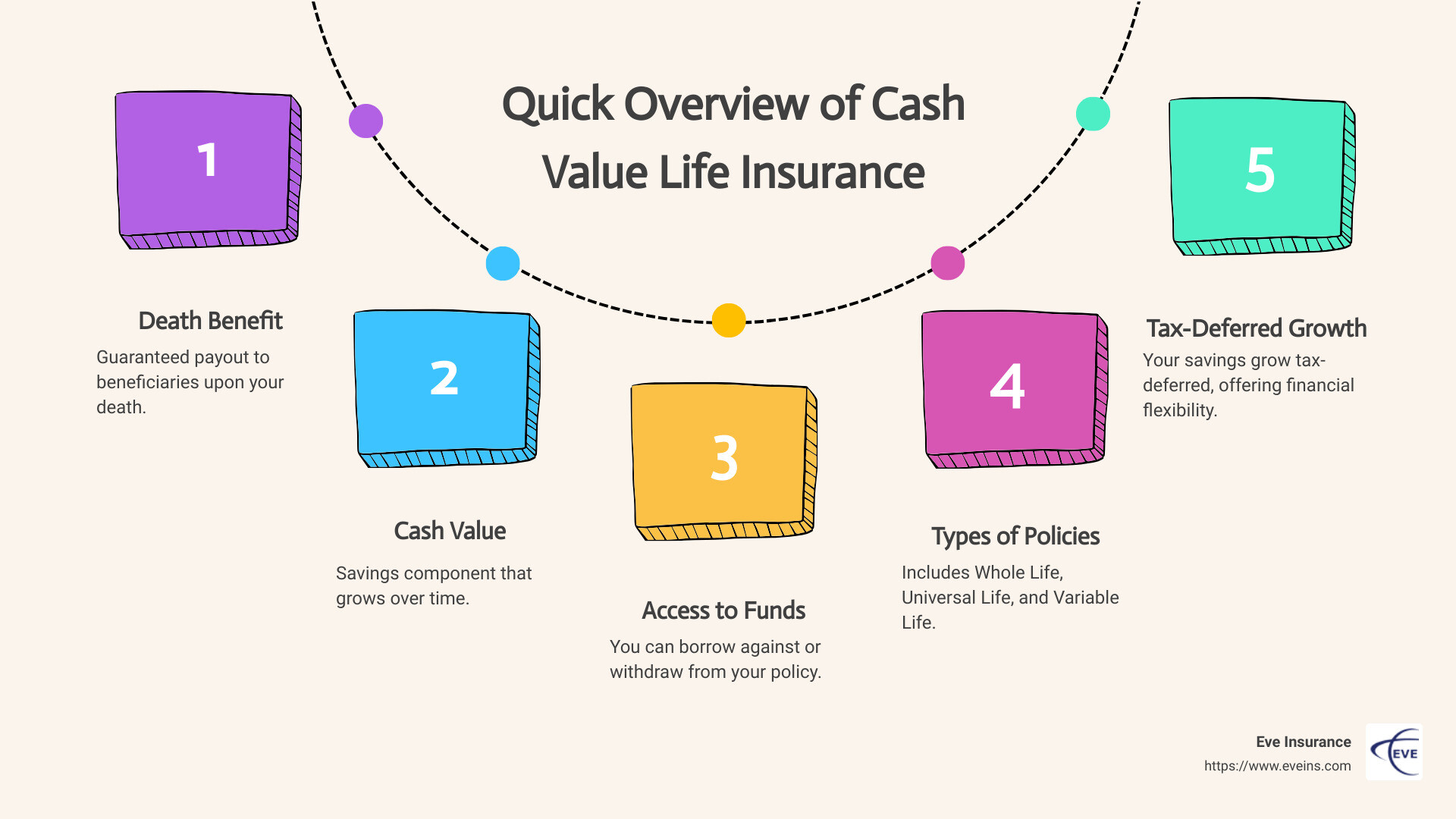
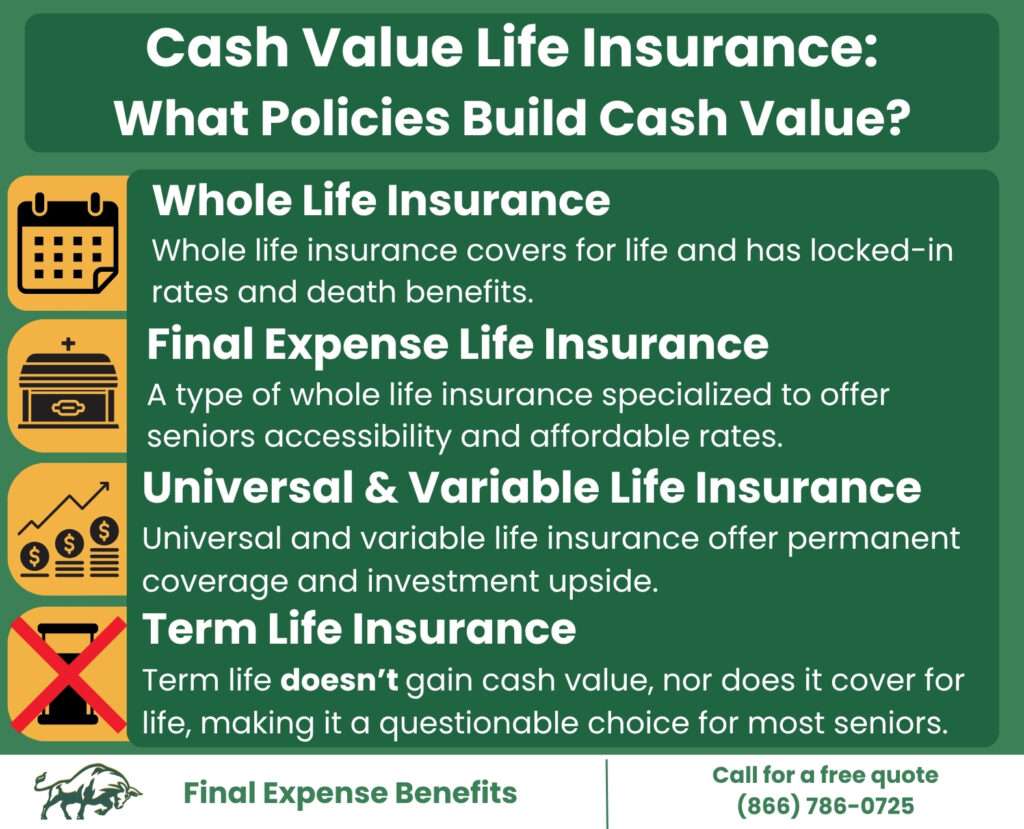
To understand how a policy loan works, one must first distinguish between different types of life insurance. Unlike term life insurance, which only provides a death benefit for a specific period, permanent life insurance—such as whole life or universal life—includes a savings component known as cash value.
When you pay premiums on a permanent policy, a portion goes toward the cost of insurance and administrative fees, while the remainder is channeled into the cash value account. Over time, this account grows on a tax-deferred basis. By 2026, most modern permanent policies are structured to provide more transparency regarding these growth rates, though the core mechanism remains the same: the cash value belongs to the policyholder during their lifetime, while the death benefit is reserved for beneficiaries.
The cash value is not merely a "savings account" inside the policy; it represents the equity you have built. If you were to cancel (surrender) the policy, the insurance company would pay you this amount, minus any surrender charges. However, borrowing against it allows you to access liquidity without terminating the coverage that protects your heirs.
How Life Insurance Loans Work in 2026
A common misconception is that you are "withdrawing" your own money when you take a policy loan. In reality, you are borrowing money from the insurance company's general fund, and they are using your policy’s cash value as collateral. Because the insurer already holds the collateral, the process is streamlined and carries lower risk for the lender.
In 2026, the digital integration of insurance platforms has made accessing these funds faster than ever. Most carriers allow policyholders to request a loan through a secure portal, with funds often deposited via ACH within 48 to 72 hours.
The most significant technical nuance of these loans is how they interact with dividends. Many mutual insurance companies use a direct recognition or non-direct recognition model:
- Non-Direct Recognition: The company continues to pay dividends on your full cash value, even the portion you have borrowed.
- Direct Recognition: The company adjusts the dividend rate on the portion of the cash value used as collateral, often matching it closer to the interest rate you are paying on the loan.
Eligibility and Minimum Requirements
Before you can secure a loan, your policy must meet specific criteria. Not every permanent policy is eligible for a loan at any given time.
- Policy Type: Only permanent policies (Whole Life, Universal Life, Variable Universal Life) accumulate cash value. Term insurance is ineligible.
- Accumulation Period: Most policies require a "vesting" period. It typically takes three to ten years of premium payments before the cash value is substantial enough to warrant a loan.
- Minimum Loan Amounts: Most insurers set a minimum threshold, often $500 or $1,000, to cover the administrative costs of processing the loan.
- Maximum Loan Limits: Generally, you can borrow up to 90% or 95% of the net cash surrender value. Insurers rarely allow you to borrow 100% because the accruing interest could quickly cause the loan balance to exceed the policy's value, leading to a policy lapse.
The Financial Mechanics: Interest and Repayment
While policy loans are marketed as "borrowing from yourself," they are not free. The insurance company charges interest on the outstanding balance.
Interest Rates
In 2026, interest rates for policy loans are typically competitive compared to unsecured personal loans or credit cards. Rates can be fixed (set at the time the policy was issued) or variable (tied to a financial index like the Moody’s Corporate Bond Yield). Variable rates are more common in universal life policies, while many older whole life policies maintain fixed rates between 5% and 8%.
Repayment Flexibility
One of the most attractive features of a life insurance loan is that there is no mandatory repayment schedule. You are not required to make monthly payments of principal or interest. If you choose not to pay the interest, the insurer simply adds that amount to the total loan balance.
However, this flexibility is a double-edged sword. If the loan balance (principal plus accrued interest) eventually grows larger than the total cash value of the policy, the policy will lapse. A lapsed policy is a major financial setback because it terminates the death benefit and may trigger a significant tax bill.
Step-by-Step Guide to Taking a Policy Loan
If you have determined that your policy has sufficient value, follow these steps to secure the funds:
- Request an In-Force Illustration: Before taking a loan, ask your agent for an "in-force illustration." This document projects how the loan will affect your cash value growth and death benefit over the next 10 to 20 years.
- Verify the Loan Terms: Confirm the current interest rate and whether it is fixed or variable. Determine if your company uses direct or non-direct recognition for dividends.
- Complete the Application: In 2026, this is usually a one-page digital form. Since there is no credit check, you do not need to provide proof of income or employment.
- Receive Funds: Choose between a direct deposit or a physical check.
- Monitor the Policy: Once the loan is active, review your annual policy statements carefully to ensure the interest accumulation isn't eroding your equity faster than anticipated.
Advantages of Borrowing from Your Policy
Policy loans offer several benefits that traditional bank loans cannot match:
- Privacy and Credit Protection: Because the loan is secured by your own policy, there is no credit inquiry. Furthermore, if you fail to repay the loan, it is not reported to credit bureaus as a default.
- Tax-Free Access: Under Internal Revenue Code Section 72, loan proceeds are generally not considered taxable income, as long as the policy remains in force.
- Lower Interest Rates: Compared to credit cards or "payday" loans, the interest on a life insurance loan is usually much lower.
- Speed: You can often access the money within a few business days without the lengthy underwriting process required for a Home Equity Line of Credit (HELOC).
Risks and Potential Pitfalls
Borrowing against your life insurance is not without hazard. Failure to manage the loan can have long-term consequences.
Reduction of the Death Benefit
The most immediate impact of a policy loan is that the outstanding balance is deducted from the death benefit if you pass away. If you have a $500,000 policy and a $50,000 loan, your beneficiaries will only receive $450,000. This can be problematic if the insurance was intended to cover specific needs like a mortgage or tuition.
Tax Consequences of Lapses
If a policy with an outstanding loan lapses or is surrendered, the IRS treats the loan amount as a "constructive distribution." If the loan amount plus the remaining cash value exceeds the total premiums you paid (your cost basis), the excess is taxed as ordinary income. For policies held for decades, this tax bill can be staggering.
Modified Endowment Contract (MEC) Status
If you have funded your policy too aggressively, it may be classified as a Modified Endowment Contract (MEC). For MECs, loans are taxed on a "last-in, first-out" (LIFO) basis, meaning the loan proceeds may be taxable as income, and if you are under age 59½, you may face a 10% federal tax penalty.
Comparison Table: Policy Loans vs. Other Credit Options
| Feature | Life Insurance Loan | Personal Bank Loan | Credit Card | HELOC |
|---|---|---|---|---|
| Credit Check | No | Yes | Yes | Yes |
| Interest Rate | Moderate (5%–8%) | High (10%–20%) | Very High (18%–30%) | Moderate (6%–9%) |
| Repayment | Flexible/Optional | Fixed Monthly | Fixed Minimum | Monthly |
| Tax Status | Tax-free (usually) | N/A | N/A | Interest may be deductible |
| Collateral | Policy Cash Value | Unsecured | Unsecured | Home Equity |
| Impact on Credit | None | High impact | High impact | High impact |
Strategic Alternatives to Policy Loans
If the risks of a policy loan seem too high, consider these alternatives:
- Policy Withdrawal: Some policies (like Universal Life) allow for partial withdrawals. Unlike a loan, a withdrawal reduces the cash value directly and does not accrue interest. However, withdrawals are only tax-free up to your cost basis.
- Collateral Assignment: You can use your life insurance policy as collateral for a loan from a traditional bank. This is often called a cash value collateral loan. Banks may offer lower interest rates than the insurance company, but they will require a credit check and strict repayment terms.
- Surrendering the Policy: If you no longer need the death benefit, you can surrender the policy entirely for its cash value. This terminates the coverage and may trigger taxes on gains above the cost basis.
FAQs
Do I have to pay back a life insurance loan?
Technically, no. You are not legally obligated to make payments. However, the interest will continue to compound and be added to the loan balance. If you do not pay it back, the balance is deducted from the death benefit when you die, or it could cause the policy to lapse if it exceeds the cash value.
Will a life insurance loan affect my credit score?
No. Insurance companies do not report policy loans to credit bureaus like Equifax, Experian, or TransUnion. Since the loan is fully collateralized by the policy's cash value, the insurer has no need to pursue your credit if you stop making payments.
How much can I borrow from my policy?
Most insurers allow you to borrow up to 90% of the cash surrender value. They keep a small buffer (usually 10%) to ensure that the interest accruing over the first year doesn't immediately cause the loan to exceed the available cash value.
Is the interest on a life insurance loan tax-deductible?
Generally, no. For individuals, interest paid on a life insurance loan is considered personal interest and is not tax-deductible. There are limited exceptions for business-owned life insurance, but these are subject to strict IRS regulations.
What happens if I die before the loan is repaid?
If you pass away with an outstanding loan, the insurance company will deduct the total loan balance (principal plus accrued interest) from the death benefit. The remaining balance is then paid out to your beneficiaries.
Final Recommendation
Taking a loan against the cash value of your life insurance policy is a powerful financial tool when used judiciously. It provides "be your own banker" flexibility and tax-advantaged liquidity. However, it requires diligent oversight. To protect your long-term financial health, always request a current policy illustration to see the projected impact on your death benefit and cash value. If you intend to use the funds for a short-term need and have a clear repayment plan, a policy loan is often superior to high-interest consumer debt. If you cannot guarantee repayment, consider a partial withdrawal or a different credit vehicle to avoid the risk of a policy lapse and the associated tax liabilities.