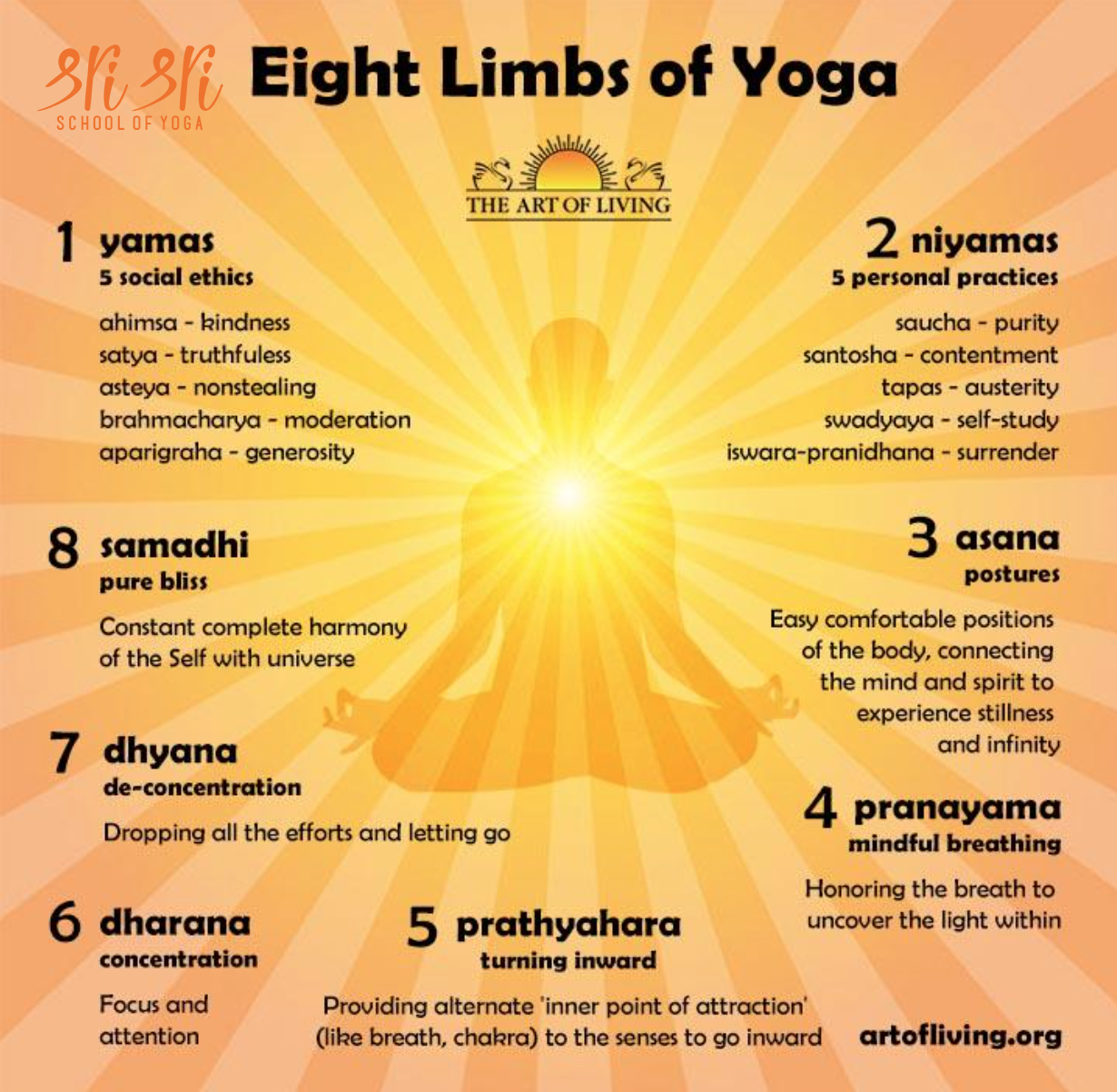
Asanas represent the physical postures central to modern yoga, functioning as a system of bodily alignment and steady stillness intended to prepare the practitioner for deeper states of meditation. Rooted in classical philosophy yet adapted for contemporary wellness, asanas serve as a bridge between the physical body and the refined awareness necessary for the holistic practice of yoga.
The Linguistic and Philosophical Roots of Asana
The term "asana" originates from the Sanskrit root ās, meaning "to sit" or "to be present." Historically, in the context of the Yoga Sutras of Patanjali—the foundational text of classical yoga—asana was defined primarily as sthira sukham asanam, or a posture that is both steady and comfortable. In this classical framework, the objective was not physical fitness or aesthetic athleticism, but the cultivation of a stable physical platform that allowed a practitioner to sit in meditation for extended periods without being distracted by bodily discomfort or restlessness.
For centuries, the concept remained largely meditative. It was not until the late 19th and early 20th centuries that the practice evolved into the dynamic, flow-oriented sequences recognized globally today. This evolution integrated various influences, including traditional Indian wrestling exercises, British gymnastics, and Hatha yoga traditions. Understanding this history is crucial because it differentiates the modern emphasis on "doing" (active movement) from the ancient emphasis on "being" (static meditation).
The Contextual Function of Asanas in Yoga
In the modern yoga landscape, asanas are often the primary gateway for students. They serve a triple function: mechanical, physiological, and psychological.
Mechanical Alignment
At a basic level, asanas act as a method of structural maintenance. They are designed to lengthen tightened muscles, stabilize joints, and improve spinal integrity. By systematically stressing and stretching tissues in a controlled environment, practitioners address the "hunched" posture often associated with sedentary modern lifestyles.
Physiological Regulation
Beyond the musculoskeletal system, asanas are theorized to influence the autonomic nervous system. The deliberate regulation of breath (pranayama) synchronized with movement helps shift the body from a sympathetic state (fight or flight) to a parasympathetic state (rest and digest). This is why many practitioners report a decrease in cortisol levels and improved cardiovascular markers after consistent practice.
Psychological Integration
The psychological context of asana is perhaps the most significant. Because a pose requires concentration on alignment, breath, and sensation, it acts as a form of "moving meditation." When a student maintains a challenging pose, they are forced to observe their internal reactions—frustration, ambition, or boredom—without necessarily acting on them. This observational skill is a direct application of mindfulness, which remains the ultimate goal of yoga practice.
The Hierarchy of Postures
Not all asanas serve the same purpose. Within a standard yoga sequence, postures are categorized based on their energetic and structural effects. A balanced practice typically follows a specific, logical progression to ensure safety and physiological efficiency.
| Category | Typical Effect | Purpose in Practice |
|---|---|---|
| Standing Poses | Grounding and Strengthening | Build heat, stamina, and stability |
| Forward Bends | Calming and Introspective | Stretch hamstrings and soothe the nervous system |
| Backbends | Energizing and Uplifting | Open the chest and combat spinal compression |
| Twists | Cleansing and Mobility | Improve spinal rotation and aid digestion |
| Inversions | Revitalizing and Focus | Shift perspective and improve blood circulation |
| Restorative | Deep Recovery | Induce complete physical and mental relaxation |
Safety, Alignment, and Technical Requirements
The physical practice of asana is governed by the principles of anatomical safety. Because "steady and comfortable" is the gold standard, forcing the body into a shape that induces pain is antithetical to the practice.
Technical proficiency requires an understanding of neutral spine, scapular stability, and joint stacking. For instance, in a weight-bearing pose like Adho Mukha Svanasana (Downward-Facing Dog), the emphasis is on the extension of the spine rather than the heels touching the floor. Misinterpreting the "look" of a pose for the "function" of a pose is a common mistake that leads to repetitive strain injuries. Practitioners should focus on the internal experience of the muscles engaging and the breath remaining fluid. If the breath becomes ragged or held, the intensity is likely exceeding the body's current capacity.
Common Misconceptions
A frequent point of confusion is the belief that yoga asana is a form of aerobic exercise. While intense Vinyasa or Ashtanga classes can elevate the heart rate, asanas are fundamentally anaerobic. They rely on isometric contraction and eccentric loading. Expecting asanas to replace cardiovascular training—like running or cycling—is a common error in expectations. Yoga complements these activities by addressing flexibility and balance, but it does not serve as a direct metabolic equivalent.
Another misconception is that proficiency in asana equals spiritual progress. In the context of yoga philosophy, the physical practice is only one of eight limbs described in the Yoga Sutras. Mastery of a complex, advanced posture does not necessarily indicate mastery over the mind. One can perform a perfect headstand while harboring a turbulent, distracted state of mind, which, in the classical view, defeats the purpose of the discipline.
Essential Guidance for Practitioners
For those integrating asanas into their 2026 wellness routine, prioritize consistency over intensity. Practicing twenty minutes daily is objectively more effective for neuromuscular adaptation than practicing for two hours once a week.
- Warm-up: Always begin with joint rotations and light movement to lubricate the synovial fluid in the joints.
- Breath Linkage: Treat the inhalation as an opportunity to expand and the exhalation as an opportunity to deepen or ground. If you lose your breath, pull back.
- Equipment: Use props such as blocks, straps, or folded blankets to bring the floor "up" to your body. Using props is not a sign of weakness; it is a sign of intelligent practice.
- Recovery: Never skip the final relaxation pose (Savasana). It is during this time of stillness that the body integrates the structural work performed during the active asanas.
Frequently Asked Questions
Does yoga asana require me to be flexible before I start? No. This is a primary misconception. Yoga asana is the process of developing flexibility, not the requirement for entry. You do not need to be flexible to start; you start to become more flexible.
How long should I hold each asana during practice? The duration depends on the goal. For strength, holding poses for 5 to 10 slow breaths is common. For deep, connective tissue release (as in Yin Yoga), holds may last 3 to 5 minutes. Listen to the body's feedback rather than a timer.
Can asanas help with chronic back pain? Many asanas are effective for back pain, particularly those focusing on core stability and spinal elongation. However, if you have a diagnosed spinal condition or disc injury, you must consult a medical professional before beginning, as certain poses—especially aggressive twists or deep backbends—can exacerbate existing injuries.
What is the difference between Hatha and Vinyasa? Hatha generally refers to a style where poses are held longer with more focus on foundational alignment. Vinyasa is a style where movement is linked continuously with the breath, creating a fluid, rhythmic experience that generates more heat.
Do I need to practice asanas every day? Consistency is key, but the body requires rest. Practicing vigorous asanas seven days a week can lead to overtraining. Aim for four to five active days and incorporate rest or restorative days to allow for tissue repair and nervous system recovery.
Final Recommendation
To effectively incorporate asanas into your life, start by identifying your primary goal—whether it is stress reduction, flexibility, or strength. Select a style of yoga that aligns with that goal and commit to a sustainable schedule. Remember that the "success" of your practice is measured by the quality of your focus and the steadiness of your breath, not by the depth of your stretch or the complexity of your posture.