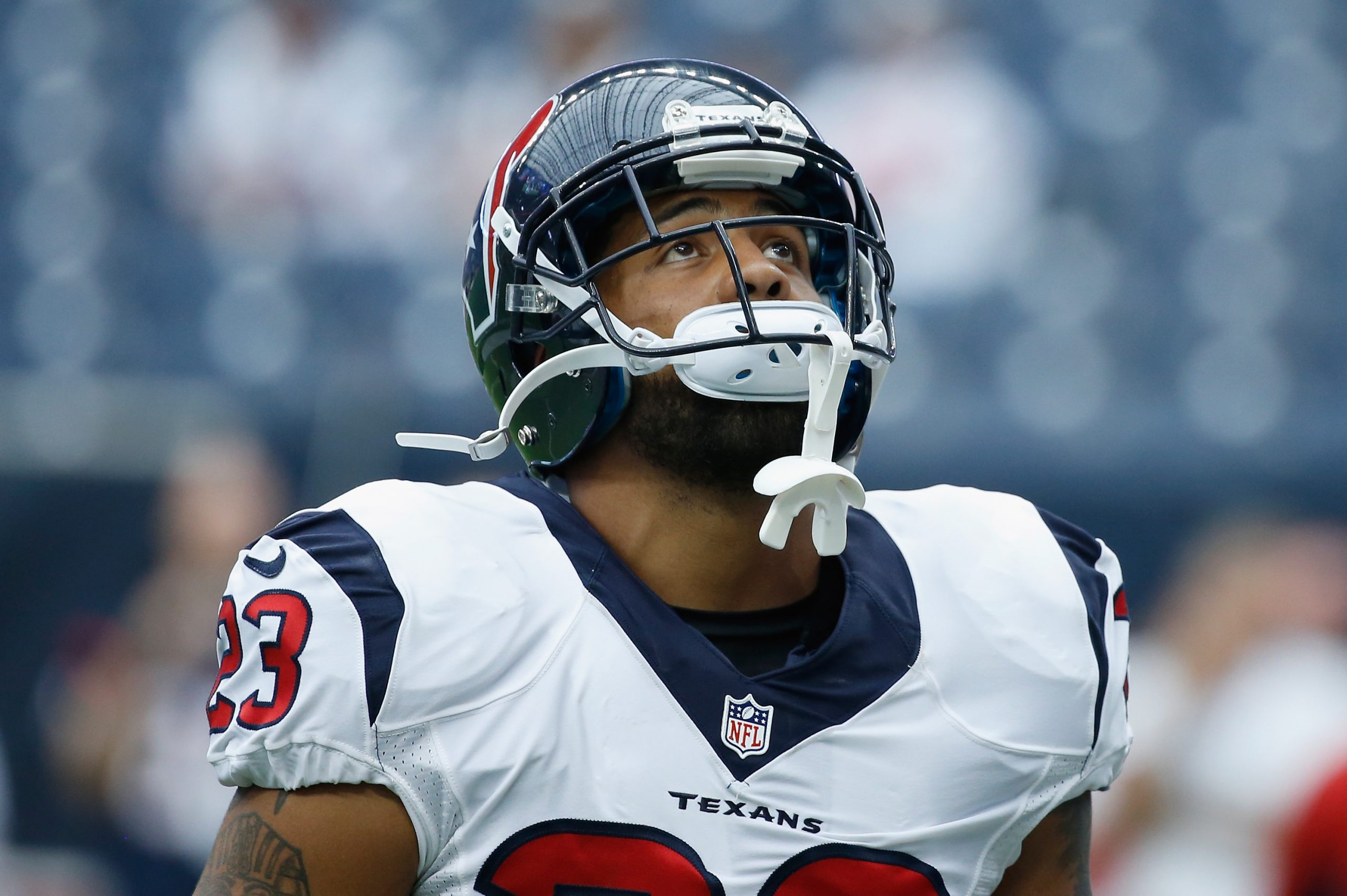
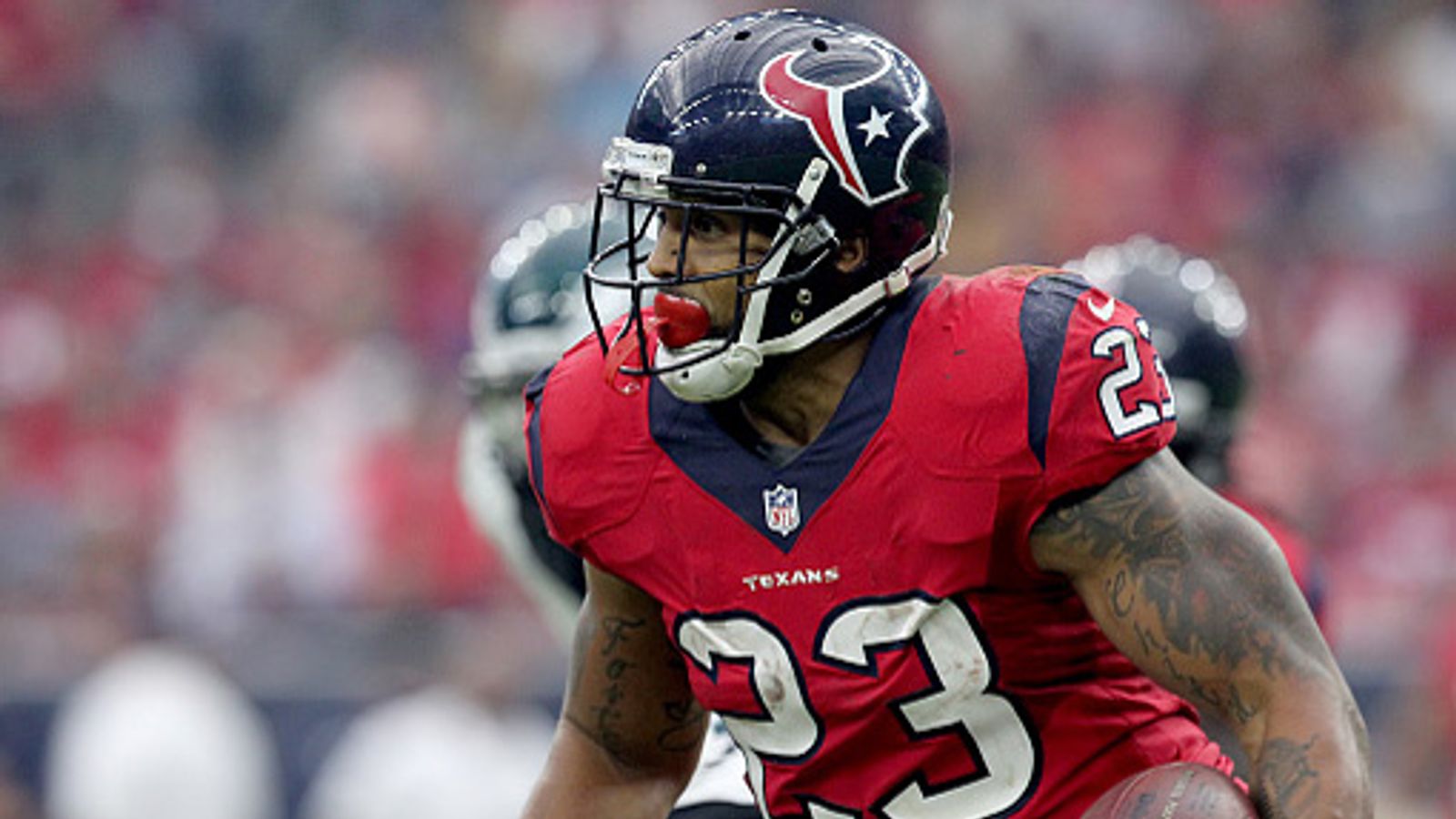
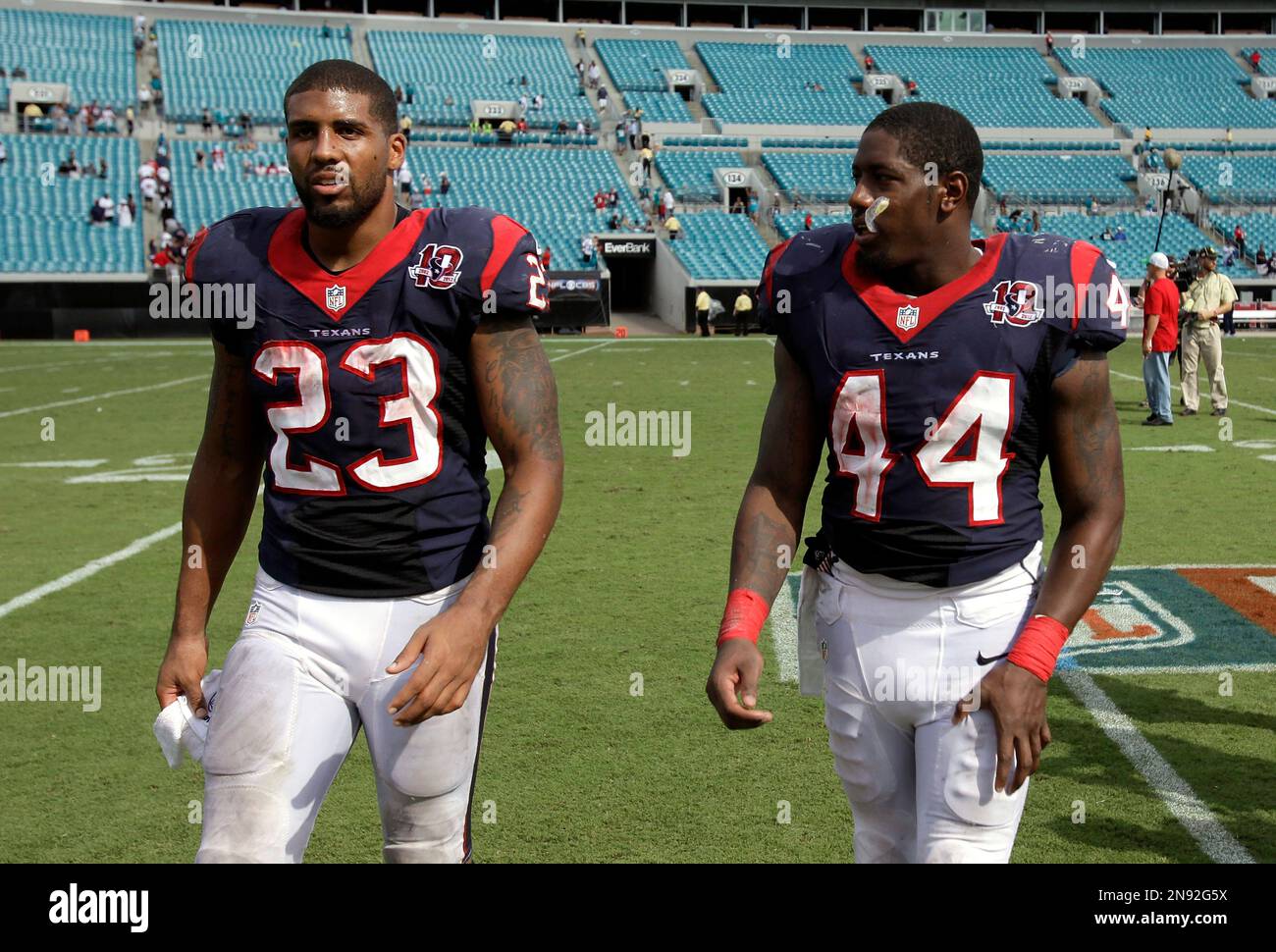
Arian Foster’s family background and upbringing heavily shaped his intellectual, philosophical, and athletic journey, tracing back to a household rooted in sports, academic curiosity, and unconventional perspectives in Albuquerque, New Mexico.
The narrative surrounding former NFL star Arian Foster often focuses on his remarkable career as an undrafted free agent out of the University of Tennessee who rose to become an elite running back with the Houston Texans. Yet, understanding Foster requires examining the foundational environment from which he emerged. His family background, parental influences, and sibling dynamics provided a unique crucible that fostered not only his athletic talents but also his distinct intellectual independence, literary inclinations, and vocal critique of institutional sports structures.
Parental Roots and Early Environmental Influences
Arian Foster was born on August 24, 1986, in Albuquerque, New Mexico, to parents who instilled diverse values in their children. His mother, Bernadette Foster, and his father, Carl Foster, provided an environment that blended athletic discipline with cultural and intellectual exposure.
Carl Foster, an accomplished former college basketball player at New Mexico State University, introduced athletic conditioning and competitive drive to his children at an early age. However, the household was far from a traditional sports-centric environment. The family dynamic was defined by a mix of athletic pursuits and an emphasis on reading, critical thinking, and questioning established norms. This duality became a defining characteristic of Foster’s later public persona, where he frequently contrasted the hyper-conformist culture of professional football with philosophical introspection and poetic expression.
The family's relocation during Foster's youth—moving from New Mexico to San Diego, California—exposed him to different cultural environments. This transition during his formative years required adaptability, helping him navigate diverse social circles while maintaining a strong internal anchor rooted in his immediate family's expectations.
Sibling Dynamics and Shared Athletic Ambitions
Family dynamics within the Foster household played a critical role in shaping Arian’s competitive nature. Growing up with brothers who were also deeply engaged in sports created an environment of constant athletic evaluation and mutual support.
His brother, Abdul Foster, also pursued a football career, playing college football at the University of Miami and briefly spending time in the professional ranks. Having siblings operating within the same high-stakes athletic ecosystem meant that competition was not confined to school grounds or organized leagues; it was a daily household occurrence. This sibling rivalry drove physical development, mental toughness, and resilience, traits that later enabled Foster to endure the grueling physical demands of the National Football League.
Beyond sports, the sibling dynamic was characterized by shared intellectual exploration. Unlike the stereotypical jock persona often projected onto elite running backs, Foster and his brothers engaged in discussions encompassing philosophy, literature, and social issues, nurtured by the permissive and inquiring atmosphere established by their parents.
Academic Pursuits and the University of Tennessee Era
While athletics provided a pathway to national visibility, the academic and cultural environment of Foster's family background placed significant value on higher education and personal expression. When it came time to choose a college, Foster committed to the University of Tennessee, where he majored in philosophy—an unusual choice for a premier collegiate football prospect.
This academic focus was a direct reflection of his upbringing, which encouraged looking beyond immediate circumstances to examine broader societal structures. During his time in Knoxville, Foster faced the intense pressures of Southeastern Conference (SEC) football under head coaches Phillip Fulmer and later Lane Kiffin. The friction he occasionally experienced with the collegiate sports apparatus mirrored the independent spirit fostered in his youth.
His college statistics were impressive—rushing for over 2,900 yards during his career with the Volunteers—yet his public commentary often signaled a mind detached from the single-minded corporate culture of modern athletics. This detachment can be traced back to a family upbringing that valued individuality over blind compliance.
Transition to Professional Life and Family Support Systems
In 2009, Foster went undrafted in the NFL Draft, a professional setback that tested his resilience. During this critical juncture, his family network provided the psychological and emotional backing necessary to sustain his pursuit of a professional career.
Signing with the Houston Texans as an undrafted free agent, Foster labored on the practice squad before breaking out during the 2010 NFL season, where he led the league in rushing yards and established himself as one of the premier offensive weapons in the game. Throughout his rise, the foundational support of his relatives remained a stabilizing force amidst the sudden influx of fame, wealth, and media scrutiny.
As Foster established himself as a four-time Pro Bowler and first-team All-Pro, his personal life and family responsibilities expanded. He became a father, bringing a new generation into the lineage and shifting his perspective from being the son shaped by a unique upbringing to the patriarch guiding his own children through life's complexities.
| Family Member / Influence | Role and Background | Impact on Arian Foster |
|---|---|---|
| Carl Foster | Father, former college basketball player at New Mexico State | Introduced athletic discipline, competitive drive, and sports fundamentals. |
| Bernadette Foster | Mother | Cultivated emotional resilience and a supportive home environment. |
| Abdul Foster | Brother, former college football player at Miami | Shared high-level athletic competition and mutual athletic aspirations. |
| University of Tennessee | Collegiate environment (Philosophy major) | Provided an intellectual outlet that aligned with his family's emphasis on critical thinking. |
Philosophical Independence and Public Persona
The culmination of Foster’s family background and dynamics is most visible in his post-football identity. Known for his candid discussions about the brutality of football, the economics of collegiate athletics, and his eventual pivot to creative writing, music, and podcasting, Foster represents a departure from the conventional mold of retired athletes.
His willingness to openly discuss mental health, existential philosophy, and social justice issues stems directly from a childhood where questioning authority and exploring alternative viewpoints were not discouraged. While many professional athletes adopt media-trained personas to protect their marketability, Foster’s upbringing encouraged authenticity and intellectual exploration, making him one of the most distinctive voices of his generation of professional athletes.
Frequently Asked Questions
Where was Arian Foster raised?
Arian Foster was born in Albuquerque, New Mexico, and later spent a significant portion of his youth growing up in San Diego, California, where he experienced diverse cultural and social environments that influenced his worldview.
What role did sports play in Arian Foster's family?
Sports were a central component of household life, largely driven by his father, Carl Foster, who played college basketball at New Mexico State. Arian and his brothers were immersed in competitive sports from an early age, which prepared them for collegiate and professional athletic careers.
Did Arian Foster's family influence his intellectual interests?
Yes. Beyond athletic training, the Foster household encouraged reading, critical thinking, and philosophical inquiry. This environment directly influenced Arian's decision to major in philosophy at the University of Tennessee and shaped his independent public persona.
How did his family support his professional career?
When Foster went undrafted in 2009 and faced initial uncertainty in the NFL, his family provided the emotional and psychological support system necessary for him to persevere through the practice squad and eventually achieve stardom with the Houston Texans.
What is Arian Foster's perspective on the sports industry?
Influenced by an upbringing that valued questioning authority, Foster has been an outspoken critic of the business models of collegiate and professional sports, frequently advocating for player compensation and player welfare long before it became mainstream discourse.
Conclusion and Next Actions
Examining Arian Foster’s family background and dynamics reveals that his success and subsequent transition into intellectual and creative pursuits were not accidental. They were the product of a household that balanced rigorous athletic expectations with deep intellectual curiosity. For researchers, sports historians, and fans seeking to understand modern athletes beyond their box scores, studying early familial roots provides essential context into how personal identity withstands the pressures of elite sports. To explore this topic further, examine his autobiographical essays, interviews regarding collegiate sports reform, and his creative output following his retirement from the NFL.