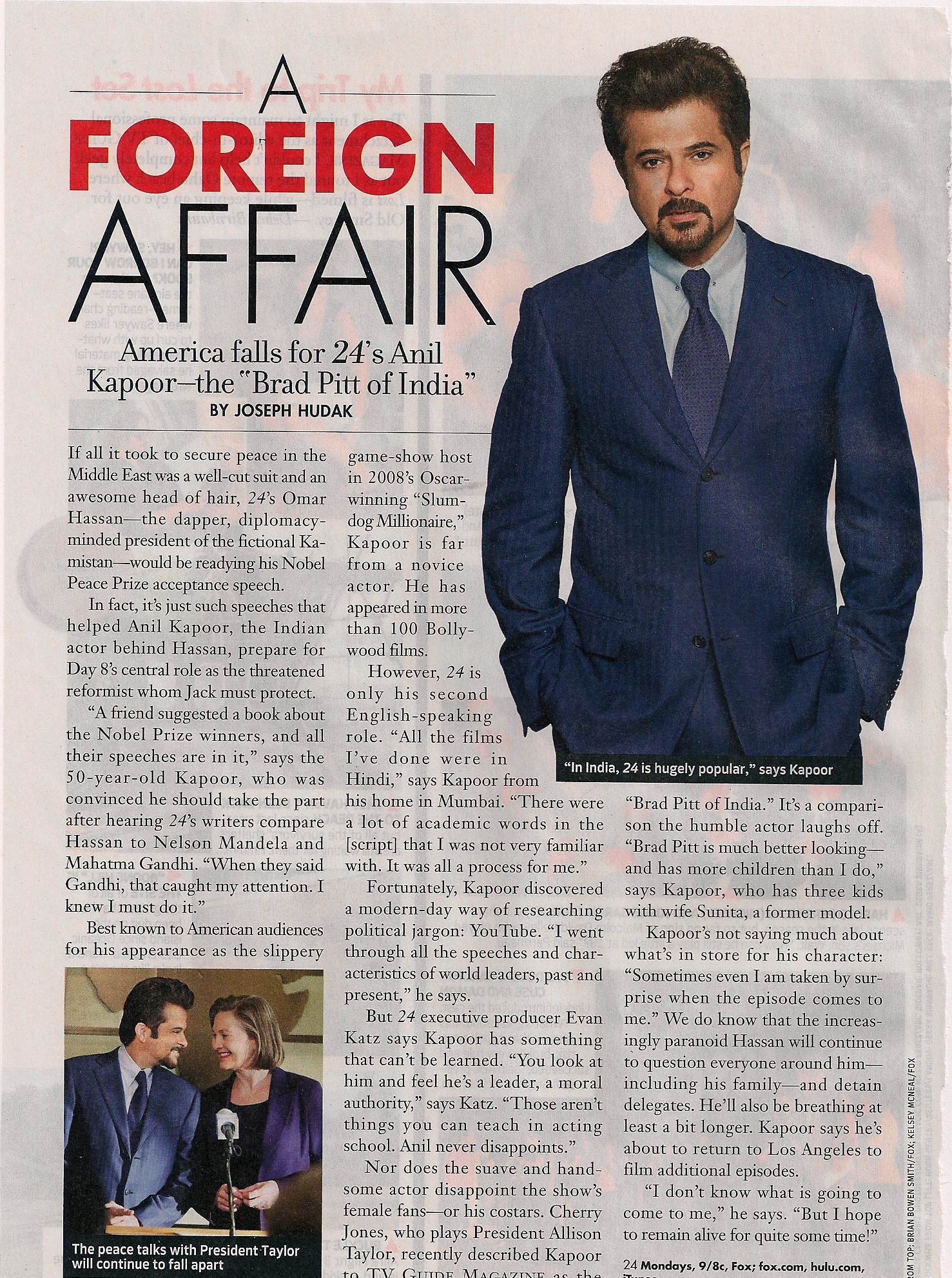
Anil Kapoor is one of Indian cinema’s most enduring stars, boasting a career that spans over four decades across Hindi films, international cinema, and television. Renowned for his boundless energy, dramatic range, and distinctive dialogue delivery, Kapoor transitioned from 1980s Bollywood stardom to acclaim in global productions like Slumdog Millionaire.
Early Life and the Crucible of Chembur (1956–1982)
Anil Kapoor was born on December 24, 1956, in Chembur, Mumbai, into a family deeply intertwined with the Hindi film industry. His father, Surinder Kapoor, was a film producer, while his mother, Nirmal Kapoor, managed the household. Despite his father's presence in the industry, the family experienced financial instability during Kapoor's formative years. The young Kapoor grew up in modest surroundings, attending Our Lady of Perpetual Succour High School in Chembur before enrolling at St. Xavier's College, Mumbai.
Kapoor's passion for acting emerged early. However, his entry into mainstream Hindi cinema was far from instant. His academic trajectory at St. Xavier's was cut short due to attendance shortages, forcing him to focus entirely on breaking into the film industry. Unlike contemporary star children who received lavish star launches, Kapoor spent his late teens and early twenties auditioning for minor roles, attending acting workshops, and studying method performance.
Key Timeline: Early Career Milestones
- 1979: Uncredited debut in "Hamara Tumhara"
- 1980: Lead role in Telugu cinema ("Vamsa Vruksham")
- 1983: Breakout Hindi lead in "Woh 7 Din"
- 1984: Commercial recognition in Yash Chopra's "Mashaal"
His first film appearance was a small role in the 1979 feature Hamara Tumhara, directed by Umesh Mehra. Recognizing that Hindi cinema offered immediate hurdles, Kapoor sought opportunities in regional projects. In 1980, he landed a lead role in the Telugu film Vamsa Vruksham, directed by the veteran filmmaker Bapu. This project provided him with valuable experience in leading a film set and managing demanding shooting schedules. Returning to Mumbai, he secured a role in Kahan Kahan Se Guzar Gaya (shot in the early 1980s and released later), demonstrating a raw, naturalistic style that contrasted with the theatrical traditions of Hindi cinema at the time.
The Breakthrough Era: From Woh 7 Din to Mr. India (1983–1987)
The trajectory of Kapoor’s career shifted in 1983 with Bapu’s Woh 7 Din, an official remake of the Tamil film Antha 7 Naatkal. Kapoor played Prem Pratap, an aspiring, unsophisticated classical musician struggling in Mumbai. His earnest portrayal of innocence, combined with comic timing and emotional vulnerability, resonated strongly with audiences and critics. The film proved that Kapoor could carry a feature film on his shoulders without relying on conventional action-hero tropes.
- Woh 7 Din (1983)
- Mashaal (1984) - Filmfare Best Supporting Actor
- Meri Jung (1985) - Establishment as Dramatic Lead
- Mr. India (1987) - Mainstream Stardom & Pop-Culture Icon Status
The year 1984 brought critical validation through Yash Chopra’s action drama Mashaal. Starring alongside legend Dilip Kumar, Kapoor played Raja, a troubled street youth transformed by circumstance. His intense performance alongside Kumar earned him his first major industry honor: the Filmfare Award for Best Supporting Actor. The industry quickly identified Kapoor as a dynamic actor capable of holding his own opposite veteran performers.
By 1985, Kapoor had established himself as a reliable box-office draw. Subhash Ghai cast him in Meri Jung (1985), an intense courtroom drama where Kapoor played an uncompromising lawyer seeking justice against a corrupt legal system. The film was a major commercial hit, showcasing his powerful monologues and intense screen presence.
This momentum culminated in 1987 with Shekhar Kapur’s landmark sci-fi superhero film, Mr. India.
- Mr. India featured Kapoor as Arun Verma, a kind-hearted orphan caretaker who discovers an invisibility device invented by his late scientist father.
- Co-starring Sridevi and Amrish Puri (as Mogambo), the film became a monumental cultural phenomenon.
- Kapoor managed to anchor a VFX-heavy, high-concept narrative with warmth and humor, solidifying his position at the top of Indian cinema.
Peak Commercial and Critical Dominance (1988–2001)
The late 1980s and 1990s marked an era where Anil Kapoor became synonymous with commercial viability and critical acclaim. In 1988, he starred in N. Chandra’s action thriller Tezaab, playing Munna, an idealist turned cynical street thug. The film’s runaway success transformed Kapoor into an archetype for urban angst and popular street culture. His performance won him his first Filmfare Award for Best Actor, while his signature dance moves and catchphrases entered popular culture.
- Tezaab (1988) - Won Filmfare Award for Best Actor
- Parinda (1989) - Gritty Neo-Noir Performance
- Beta (1992) - Won Filmfare Award for Best Actor
- Virasat (1997) - Won Filmfare Critics Award
- Pukar (2000) - Won National Film Award for Best Actor
In 1989, Kapoor demonstrated his dramatic versatility by starring in two radically different hit films: Subhash Ghai’s populist action drama Ram Lakhan and Vidhu Vinod Chopra’s gritty neo-noir Parinda. In Ram Lakhan, he played the energetic, flamboyant police officer Lakhan, co-creating an iconic cinematic persona alongside Jackie Shroff. Conversely, in Parinda, Kapoor offered a subdued, tragic performance as Karan, an innocent man drawn into Mumbai's underworld. Parinda won multiple National Film Awards and is widely regarded as a milestone in Indian crime cinema.
Throughout the 1990s, Kapoor consistently refreshed his film choices to avoid typecasting:
- Romantic Dramas: He starred in Yash Chopra’s Lamhe (1991), playing an older man navigating complex emotional choices across two generations. Though ahead of its time for Indian audiences upon release, the film grew into a revered classic.
- Family Dramas: In Indra Kumar's Beta (1992), Kapoor delivered a powerful performance as a devoted son trapped by his stepmother's schemes, earning his second Filmfare Award for Best Actor.
- Period Romance: He led Vidhu Vinod Chopra’s 1942: A Love Story (1994), set against the backdrop of the Indian independence movement.
- Rural Realism: In Priyadarshan’s Virasat (1997), an adaptation of the Tamil film Thevar Magan, Kapoor played a Western-educated son forced to take over his family's feudal estate. His transformation earned him the Filmfare Critics Award for Best Actor.
The turn of the millennium brought further accolades. In 2000, Kapoor starred in Rajkumar Santoshi’s political action thriller Pukar, portraying Major Jaidev Rajvansh, a court-martialed army officer uncovering a military conspiracy. For this performance, Kapoor received the National Film Award for Best Actor, the highest acting honor in Indian cinema. He followed this in 2001 with S. Shankar’s Nayak: The Real Hero, playing a TV journalist who becomes Chief Minister for a single day. Nayak remains a widely watched political drama on Indian television.
International Crossover and Production Innovations (2008–2016)
While maintaining a consistent presence in Indian cinema with hits like the ensemble comedy No Entry (2005) and Welcome (2007), Kapoor expanded his artistic scope globally in the late 2000s.
In 2008, director Danny Boyle cast Kapoor as Prem Kumar, the cunning game show host in Slumdog Millionaire. The film achieved massive worldwide critical acclaim, winning eight Academy Awards. As part of the ensemble cast, Kapoor shared the Screen Actors Guild Award for Outstanding Performance by a Cast in a Motion Picture, introducing him to international audiences and Western casting agents.
- Slumdog Millionaire (2008) - SAG Award for Best Ensemble Cast
- 24: Season 8 (2010) - Plays President Omar Hassan (Fox)
- M:I - Ghost Protocol (2011) - Plays Brij Nath alongside Tom Cruise
- 24: India (2013–2016) - Adapts and Stars in Indian Television Series
Following Slumdog Millionaire, Kapoor secured prominent roles in American television and film:
- 24 (Season 8, 2010): Kapoor played President Omar Hassan of the fictional Islamic Republic of Kamistan. His multi-episode arc was praised for bringing emotional nuance to a high-stakes political thriller.
- Mission: Impossible – Ghost Protocol (2011): Kapoor played Brij Nath, an eccentric Indian telecommunications tycoon, starring alongside Tom Cruise.
Recognizing the potential for serialized television in India, Kapoor acquired the rights to adapt 24 for Indian audiences through his production arm, Anil Kapoor Film Company. Broadcasting from 2013 to 2016, the Indian adaptation featured Kapoor as Jai Singh Rathod (the counterpart to Jack Bauer). The show brought international production standards, non-linear storytelling, and high-budget action choreography to Indian network television, paving the way for the Indian streaming era.
The Modern Era and Career Revitalization (2017–2026)
Rather than shifting into semi-retirement or minor character roles, Anil Kapoor reinvented his career screen identity during his late fifties and sixties. He actively sought out collaborations with contemporary directors, taking on complex father figures, grey-shaded characters, and meta-roles that challenged his public image.
In 2015, Zoya Akhtar’s Dil Dhadakne Do saw Kapoor portray Kamal Mehra, a self-made, domineering billionaire patriarch navigating a crumbling marriage and family business. The performance won him the Filmfare Award for Best Supporting Actor.
In 2020, Kapoor starred in Vikramaditya Motwane’s experimental black comedy thriller AK vs AK, streaming globally on Netflix. Playing a satirical, fictionalized version of himself opposite director Anurag Kashyap, Kapoor delivered a self-deprecating performance that blurred the lines between reality and fiction.
Recent Cinematic Reinventions:
- Dil Dhadakne Do (2015): Egotistical Patriarch (Filmfare Best Supporting Actor)
- AK vs AK (2020): Experimental Self-Satire Thriller
- Jugjugg Yeeyo (2022): Comedic Domestic Drama
- The Night Manager (2023): Antagonist / Arms Dealer Shailendra Rungta
- Animal (2023): Flawed Industrialist Father (Filmfare Best Supporting Actor)
His modern output remains remarkably diverse:
- Jugjugg Jeeyo (2022): Played Bheem Saini, a middle-aged man seeking a divorce alongside his son, balancing broad comedic beats with domestic conflict.
- The Night Manager (2023): Starred in the official Indian series adaptation of the BBC spy drama, stepping into the antagonist role of Shailendra "Shelly" Rungta, an arms dealer. Kapoor brought suave menace to the role, demonstrating his adaptability to modern long-form streaming formats.
- Animal (2023): Directed by Sandeep Reddy Vanga, Kapoor played Balbir Singh, a emotionally distant industrial mogul whose strained relationship with his son triggers extreme narrative conflict. The film was a massive global box office success, earning Kapoor another Filmfare Award for Best Supporting Actor.
- Fighter (2024): Portrayed Group Captain Rakesh "Rocky" Jai Singh in Siddharth Anand's aerial action spectacle, anchoring the film’s military chain of command with gravitas.
As of 2026, Kapoor continues to maintain an active schedule across mainstream features, independent collaborations, and television ventures, standing out for his physical fitness and disciplined work ethic.
Filmography Matrix & Key Milestones
The following table summarizes key performances across Anil Kapoor's career, highlighting the diversity of genres, character types, and honors received:
| Year | Film / Project Title | Character Name | Genre / Format | Major Awards / Industry Impact |
|---|---|---|---|---|
| 1983 | Woh 7 Din | Prem Pratap Patialawale | Romantic Drama | Breakout lead performance in Hindi cinema |
| 1984 | Mashaal | Raja | Crime Drama | Won: Filmfare Award for Best Supporting Actor |
| 1987 | Mr. India | Arun Verma | Sci-Fi / Superhero | Cult classic; major box office hit |
| 1988 | Tezaab | Mahesh "Munna" Deshmukh | Action / Drama | Won: Filmfare Award for Best Actor |
| 1989 | Parinda | Karan | Neo-Noir Crime | Selected as India's official entry for the Oscars |
| 1992 | Beta | Raju | Family Drama | Won: Filmfare Award for Best Actor |
| 1997 | Virasat | Shakti Thakur | Drama / Realism | Won: Filmfare Critics Award for Best Actor |
| 2000 | Pukar | Major Jaidev Rajvansh | Political Thriller | Won: National Film Award for Best Actor |
| 2001 | Nayak: The Real Hero | Shivaji Rao | Political Drama | Iconic television run; political cult status |
| 2008 | Slumdog Millionaire | Prem Kumar | International Drama | Won: SAG Award for Outstanding Cast Ensemble |
| 2010 | 24 (US Series) | President Omar Hassan | Broadcast Television | Major crossover role on American network TV |
| 2013 | 24 (Indian Series) | Jai Singh Rathod | Action Thriller Series | Produced and starred; introduced prestige TV to India |
| 2015 | Dil Dhadakne Do | Kamal Mehra | Comedy Drama | Won: Filmfare Award for Best Supporting Actor |
| 2020 | AK vs AK | Anil Kapoor (Fictionalized) | Meta Black Comedy | Critical acclaim on global streaming platforms |
| 2023 | The Night Manager | Shailendra "Shelly" Rungta | Crime Thriller Series | Acclaimed streaming lead role |
| 2023 | Animal | Balbir Singh | Psychological Action | Won: Filmfare Award for Best Supporting Actor |
The Anil Kapoor Acting Style: Technical Mastery & Energy
For film scholars and casual cinephiles alike, Anil Kapoor’s longevity offers a compelling case study in star survival and craft evolution. Unlike stars who rely on a singular screen image, Kapoor’s technique blends intense physical commitment with vocal control and rhythmic movement.
Elements of Kapoor's Craft:
- Vocal Dynamics: Distinct cadence, projection, and expressive pitch control
- Physicality & Rhythm: High-energy body language, signature dance moves
- Dramatic Adaptability: Smooth shifts between broad comedy and intense melodrama
- Professional Discipline: Strict physical regimen and detail-oriented rehearsal habits
Vocal Modulation and Dialogue Delivery
Kapoor developed a signature vocal delivery early in his career, characterized by rapid cadence, distinct pauses, and dynamic projection. In high-stakes dramatic scenes (such as Meri Jung or Nayak), he uses rhythmic vocal escalations to build tension. Conversely, in low-key dramas like Virasat, he tempers his voice to convey fatigue, deference, or quiet authority.
Physical Comedy vs. Dramatic Gravity
Few actors in Hindi cinema have bridged the gap between broad slapstick comedy and intense drama as fluidly as Kapoor. His work in ensemble comedies like No Entry, Welcome, and Biwi No.1 features exaggerated physical movements, wide facial expressions, and fast-paced comedic timing. Yet, in projects like Parinda or Pukar, he discards these flourishes in favor of stillness, internal monologue, and micro-expressions.
Work Ethic and Professional Longevity
Industry directors frequently highlight Kapoor’s preparation habits. He is known for attending table reads, meticulously studying scripts, and maintaining a strict physical fitness regimen. This discipline has enabled him to perform demanding action sequences well into his sixties and avoid the physical limitations that often restrict aging lead actors.
Frequently Asked Questions
What was Anil Kapoor's debut movie?
Anil Kapoor made his uncredited acting debut in the 1979 Hindi film Hamara Tumhara. His first leading role came in the 1980 Telugu film Vamsa Vruksham, directed by Bapu. His breakthrough leading role in Hindi cinema was as Prem Pratap in the 1983 film Woh 7 Din.
How many National Film Awards has Anil Kapoor won?
Anil Kapoor has won two National Film Awards:
- Best Actor for Pukar (2000), where he played Major Jaidev Rajvansh.
- Special Jury Award as a producer for the critically acclaimed film Gandhi, My Father (2007).
What international projects has Anil Kapoor starred in?
Kapoor’s key international projects include:
- Slumdog Millionaire (2008) – Directed by Danny Boyle, where he played host Prem Kumar.
- 24 (Season 8, 2010) – Playing President Omar Hassan on the Fox television series.
- Mission: Impossible – Ghost Protocol (2011) – Directed by Brad Bird, playing Indian communications tycoon Brij Nath opposite Tom Cruise.
How is Anil Kapoor related to the larger Kapoor film family?
While Anil Kapoor shares a surname with the famous Prithviraj Kapoor film dynasty (which includes Raj Kapoor, Rishi Kapoor, and Ranbir Kapoor), his family represents a distinct lineage in Indian cinema. Anil's father, Surinder Kapoor, was a film producer who was a distant cousin of Prithviraj Kapoor, but they operated as independent family branches in the industry. Anil's brothers are producer Boney Kapoor and actor Sanjay Kapoor, and his daughter is actress Sonam Kapoor.
What are Anil Kapoor's most famous movies from the 1980s?
His defining 1980s films include Mashaal (1984), Meri Jung (1985), Karma (1986), Mr. India (1987), Tezaab (1988), Ram Lakhan (1989), and Parinda (1989). These films established his stardom and cultural influence across India.
Recommended Next Steps for Cinephiles
To fully appreciate Anil Kapoor's evolution as an actor, film enthusiasts should structure their viewing across four distinct phases of his career:
- The Early Dramatic Phase (1983–1989): Start with Woh 7 Din, Mashaal, and Parinda to observe his transition from a promising newcomer to a serious dramatic actor.
- The Commercial Stardom Phase (1987–2001): Watch Mr. India, Tezaab, Virasat, Pukar, and Nayak to understand how he balanced mainstream box-office appeal with critical acclaim.
- The Global and Crossover Phase (2008–2016): Pair Slumdog Millionaire with Season 8 of 24 and Season 1 of the Indian 24 series to see how he adapted his craft to international production formats.
- The Modern Character Era (2015–Present): Conclude with Dil Dhadakne Do, AK vs AK, The Night Manager, and Animal to study how an iconic star successfully transitions into versatile middle-aged and patriarch roles.
For a deeper dive into Indian film history, explore original interviews, director commentaries on Parinda and Mr. India, and production notes from his international projects.