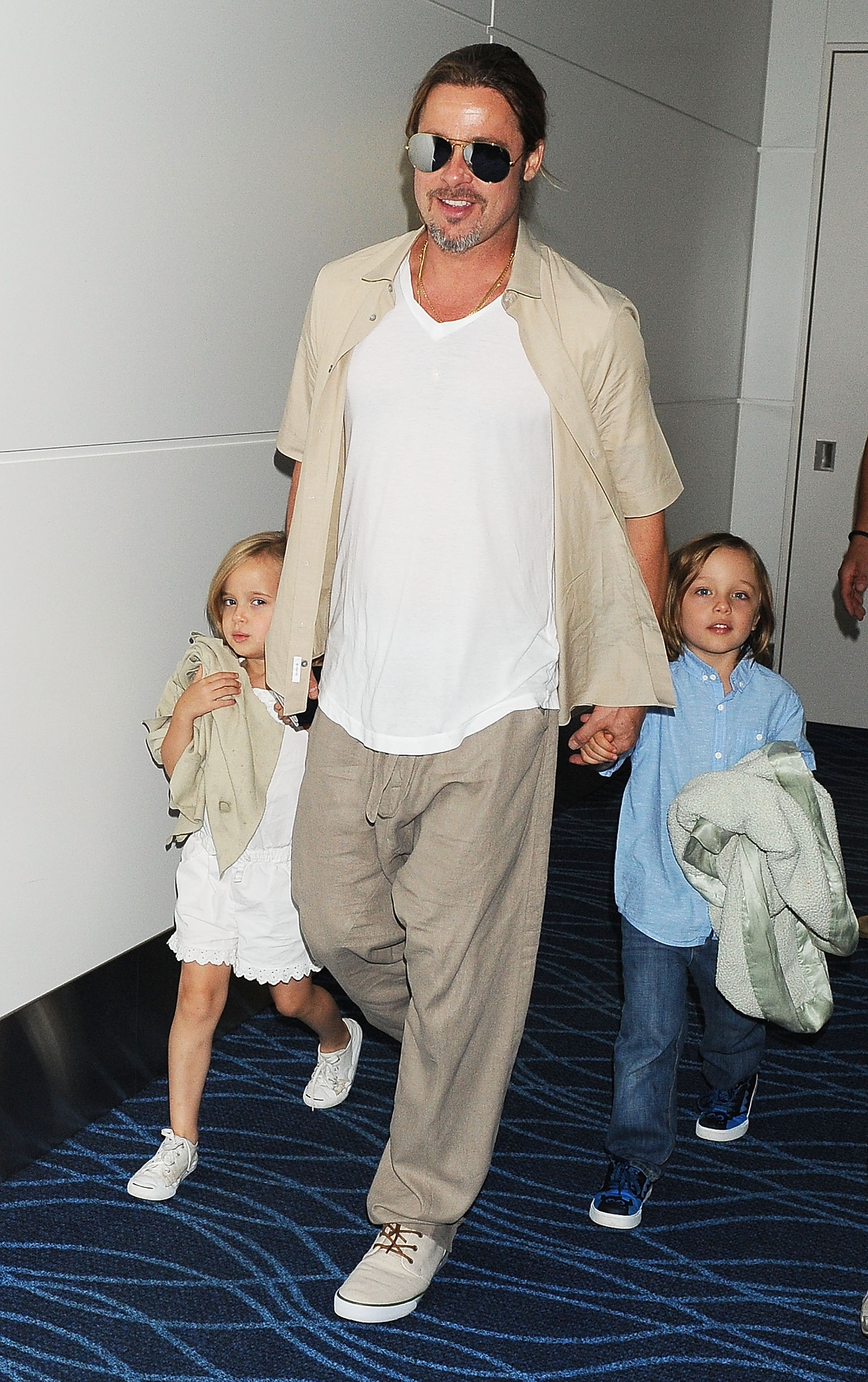
Growing up under the relentless glare of the global media spotlight presents unprecedented challenges, a reality vividly demonstrated by the children of Hollywood icons Angelina Jolie and Brad Pitt. As members of one of the world's most recognizable families, Maddox, Pax, Zahara, Shiloh, Vivienne, and Knox have spent their lives caught between the ordinary milestones of youth and the extraordinary pressures of public fascination. This intense scrutiny encompasses everything from red carpet appearances and international relocations to legal battles and personal autonomy, shaping how these young individuals carve out their identities away from, and sometimes directly within, the public eye.
Understanding the dynamic of celebrity offspring navigating public scrutiny requires examining the intersection of entertainment media, privacy law, and evolving family structures. This article explores the systemic challenges faced by the Jolie-Pitt children, the psychological impact of growing up in the digital age, legal precedents regarding child privacy in media, and the strategies families use to preserve normalcy amid constant attention.
The Genesis of High-Profile Media Attention
The exposure of Angelina Jolie and Brad Pitt's children began practically at birth. Dubbed "Brangelina" by the tabloid press, the couple’s union and subsequent family expansion through a combination of adoption and biological children made them perennial headliners. Every adoption announcement, birth announcement, and family outing was met with a feeding frenzy from paparazzi, international magazines, and early digital entertainment platforms.
Unlike children of previous generations of actors who might have experienced intermittent media interest, the Jolie-Pitt children grew up during the advent of high-speed digital journalism, smartphone photography, and social media virality. This technological shift meant that images of them walking down a street or boarding a flight were instantly syndicated globally, stripping away the transitional phases of childhood anonymity.
The Mechanics of Paparazzi Culture and Entertainment Journalism
The market demand for photographs and details regarding celebrity children creates a lucrative economy for freelance photographers, often referred to as paparazzi. This industry relies on long-range telephoto lenses, stakeouts outside residences and schools, and insider tips. For high-profile families, this intrusion transforms routine daily activities into logistical security operations.
- Constant Surveillance: Regular outings require security details to manage crowds and deter unauthorized photography.
- Digital Permanence: Images and speculative headlines captured during childhood remain permanently accessible online, influencing how peers and future institutions perceive them.
- Speculative Narratives: Tabloids frequently project adult relationship dynamics, psychological states, and behavioral assumptions onto minors based on fleeting photographic evidence.
Legal Frameworks and Privacy Protections
Navigating public scrutiny involves understanding the legal boundaries surrounding the privacy of minors, particularly in the United States and California, where the family has historically maintained primary residences. While public figures forfeit a certain degree of privacy regarding their professional lives, laws governing the privacy and harassment of minors provide specific, albeit limited, protections.
California law, for instance, includes legislation aimed at curbing aggressive paparazzi behavior near schools and children's recreational areas. However, these laws primarily address physical safety and harassment rather than the publication of images taken in public spaces. Consequently, the legal burden often falls on parents to implement private schooling, secure compounds, and legal injunctions where applicable to shield their children.
Comparison of Privacy Protections for Celebrity Children
| Jurisdiction / Mechanism | Scope of Protection | Limitations and Challenges |
|---|---|---|
| California Anti-Paparazzi Laws | Penalizes harassment, reckless driving, and photographing minors without consent near schools or therapeutic facilities. | Does not prevent the publication or digital distribution of photographs taken in general public spaces. |
| International Press Codes | Various European nations have stricter privacy standards and press self-regulation codes regarding the publication of celebrity children's faces. | Easily bypassed by digital-first publications operating across international borders. |
| Private Institutions & Estates | Gated communities, private security, and non-disclosure agreements (NDAs) enforced among staff and contractors. | High financial cost; cannot completely eliminate exposure during public travel or community outings. |
The Impact of Family Transitions and Legal Proceedings
Public scrutiny intensified significantly following the separation of Angelina Jolie and Brad Pitt in 2016. What began as a high-profile divorce evolved into a prolonged series of legal disputes involving custody arrangements, shared assets, and business ventures, such as the Château Miraval winery.
Because both parents are global superstars, the legal filings, custody evaluations, and allegations frequently leaked to the entertainment press. For the children, this meant that personal family disputes were analyzed by legal commentators, television programs, and social media users worldwide.
Psychological Ramifications of Public Family Strife
Growing up amidst public conflict can exacerbate the normal challenges of adolescent identity formation. Psychologists specializing in developmental impacts note several key areas of concern for children in hyper-visible environments:
- Loss of Confidentiality: Personal disagreements and emotional struggles are subjected to public debate, inhibiting natural conflict resolution.
- Trust Deficit: The presence of opportunistic media leaks or acquaintances selling stories can foster a guarded approach to friendships and social relationships.
- Identity Commodification: There is a constant pressure to conform to or actively rebel against public expectations and parental legacies.
Individual Paths and Autonomy in Adulthood
As the older children reach legal adulthood, their engagement with the public eye shifts from passive subjects of parental protection to active agents of their own personal and professional lives. Each sibling has navigated this transition differently, utilizing education, artistic pursuits, and selective public engagement.
Maddox and Pax, the eldest siblings, have pursued higher education and behind-the-scenes roles in the film industry, occasionally working on production sets with their mother. Zahara attended Spoke College, participating in traditional campus life and student organizations. Shiloh, Vivienne, and Knox have similarly navigated theater arts, dance, and educational milestones while managing the persistent attention of entertainment journalists.
This divergence demonstrates that while public scrutiny remains a constant background factor, the children actively exercise autonomy in determining their public footprint. Choosing specific academic environments or artistic disciplines allows them to define themselves by their capabilities rather than their lineage.
Frequently Asked Questions
How do Angelina Jolie and Brad Pitt protect their children from the media?
The parents utilize a combination of private security, home-schooling or private education, legal counsel to manage unauthorized photography, and maintaining residences equipped with high-level privacy infrastructure. They also encourage their children to pursue interests away from the central Hollywood spotlight.
Are the Jolie-Pitt children involved in the entertainment industry?
While some of the children have expressed interest in behind-the-scenes film production, voice acting, or theater arts, their involvement is selective and generally focused on education and personal skill development rather than pursuing traditional child-actor careers.
What legal protections exist for celebrity children against paparazzi?
Protection varies by region. In California, specific laws prohibit paparazzi from harassing minors or staking out schools and medical facilities. However, general freedom of the press laws in the United States make it difficult to completely prevent the publication of photographs taken in public spaces.
How has the parents' divorce affected the children's public exposure?
The separation and subsequent legal proceedings significantly increased media attention, as tabloids and legal analysts scrutinized every filing, custody update, and family dynamic, placing additional pressure on the siblings.
How do celebrity children manage social media and public identity?
Most high-profile families enforce strict digital privacy protocols during childhood. As the children reach adulthood, they individually navigate social media, often opting for private accounts, pseudonyms, or maintaining a deliberate absence from mainstream digital platforms to preserve personal boundaries.
Practical Recommendations for Families Facing Extreme Public Scrutiny
For families or individuals unexpectedly thrust into the public eye, managing constant scrutiny requires proactive operational and psychological strategies:
- Establish Digital Boundaries: Limit the presence of minors on public social media platforms and request that media outlets respect privacy guidelines regarding imagery of children.
- Prioritize Normalcy and Routine: Maintain stable educational environments, consistent home routines, and private recreational spaces where children can develop social skills free from performance pressures.
- Engage Specialized Legal Counsel: Work with attorneys well-versed in privacy law, harassment injunctions, and media compliance to address unauthorized intrusions swiftly.
- Provide Psychological Support: Offer access to confidential mental health professionals who understand the unique pressures of public visibility and identity development.