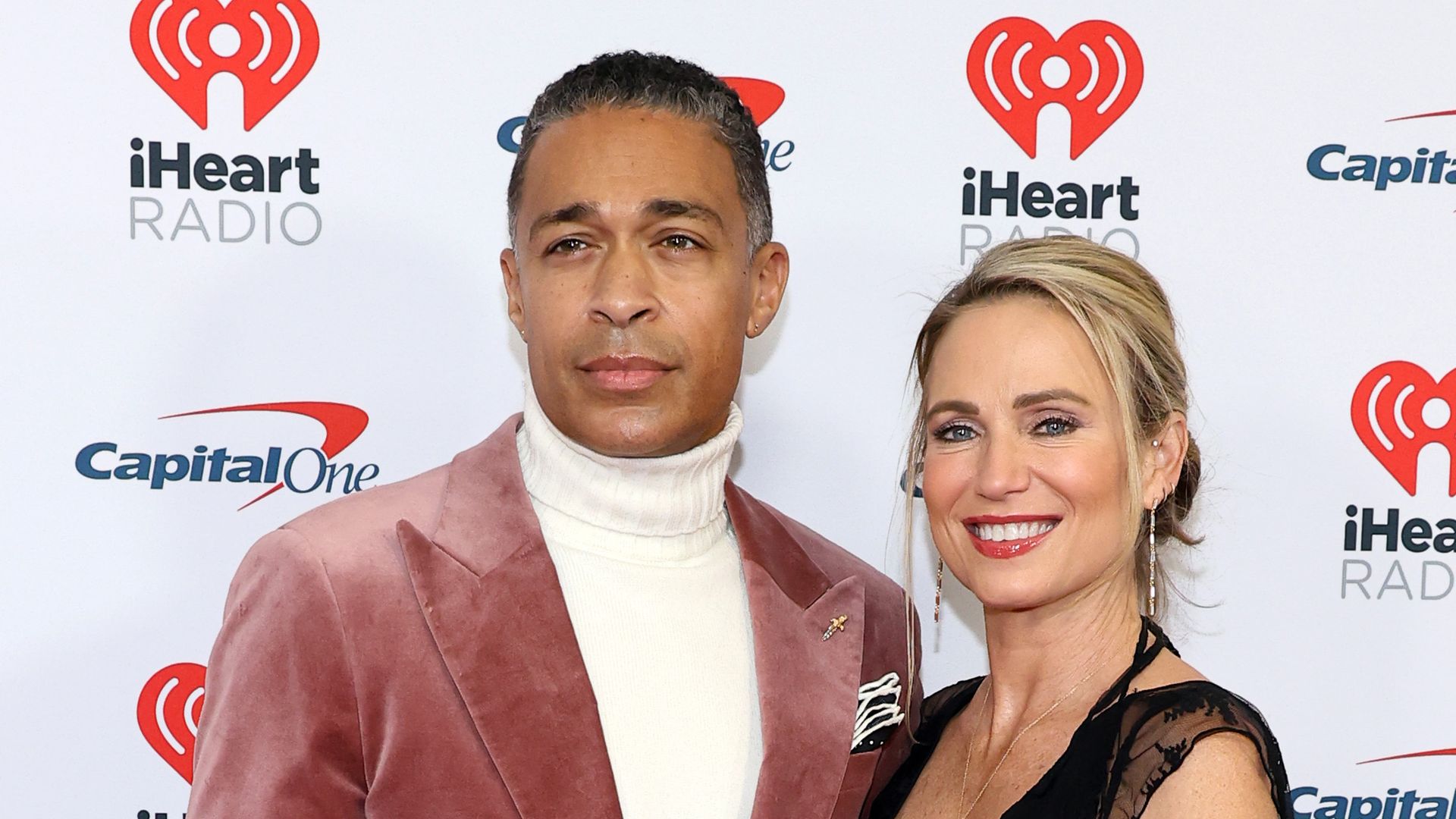
Amy Robach’s involvement in the podcasting space, particularly regarding iHeartRadio, centers on her collaborative audio projects with her partner and co-host T.J. Holmes. Following their high-profile departures from mainstream network television, the duo launched independent and network-backed audio programming, engaging audiences through personal narratives, cultural discussions, and interviews distributed via major podcast networks, including platforms associated with iHeartMedia's vast syndication ecosystem.
Introduction to Amy Robach and Modern Podcast Media
The evolution of broadcast media over the past decade has fundamentally altered how public figures transition from traditional television newsrooms to digital audio landscapes. When prominent anchors and journalists step away from morning network television, they frequently seek out digital audio platforms that offer creative autonomy, direct audience engagement, and flexible monetization models. For Amy Robach, a veteran broadcast journalist known for her long tenure on network news and morning programs, moving into the podcasting sphere represented a strategic pivot.
Navigating this digital transition involves understanding the mechanics of modern podcast production, distribution networks, and digital advertising models. Unlike structured television broadcasts governed by strict time limits and network standards, podcasts provide an expansive format where hosts can explore nuanced topics, conduct extended interviews, and cultivate intimate listener communities. For platforms like iHeartRadio—which operates one of the largest podcast publishing networks globally—partnering with recognizable media personalities allows them to capture established audiences while expanding their lifestyle, culture, and interview-based programming catalogs.
Career Background and Transition to Independent Audio
Before exploring podcasting ventures, Amy Robach established a multi-decade career in broadcast journalism, reporting on major national and international news events, natural disasters, political campaigns, and human-interest stories. Her career trajectory included high-profile roles at major networks, where she anchored morning broadcasts and contributed to evening news programming. These decades of experience honed her interviewing skills, her ability to deliver breaking news under pressure, and her camera presence, all of which translate directly into audio and video podcast formats.
The transition from a daily morning television schedule to self-directed digital media production requires a distinct operational shift. In television, hosts operate within a massive institutional infrastructure supported by producers, researchers, stylists, and technical crews. In the independent and network-affiliated podcasting model, hosts often take on a more hands-in-the-clay approach to content curation, narrative pacing, and brand development. This shift allows media professionals to control their editorial voice entirely, choosing topics that resonate with their personal experiences and current cultural conversations without being filtered exclusively through traditional network mandates.
The Partnership and Collaborative Podcast Ventures
A defining aspect of Amy Robach’s recent audio work is her ongoing collaboration with T.J. Holmes. Following shifts in their professional lives, the pair launched shared digital media projects designed to chronicle their perspectives, address public misconceptions, and explore broad lifestyle and cultural themes. Their joint audio ventures are structured to lean heavily into conversational unscripted dialogue, inviting listeners into a transparent format where they unpack personal anecdotes, relationship dynamics, and current events.
This collaborative approach capitalizes on the "parasocial" nature of audio and video podcasting, where listeners develop a sense of familiarity and connection with the hosts. By positioning themselves as open books, Robach and Holmes use their shared platform to maintain relevancy and foster a dedicated subscriber base. Their programs typically feature a mix of co-hosted commentary, listener Q&A sessions, and occasional guest interviews, creating a varied listening experience that keeps audience retention high across multiple weekly episodes.
Distribution, Monetization, and the iHeartRadio Ecosystem
Understanding how podcasts reach audiences requires a brief look at the commercial architecture of digital audio. iHeartRadio functions both as a direct consumer listening app and as a massive syndication network that distributes content across Apple Podcasts, Spotify, Amazon Music, and other RSS-compatible players. When creators produce content within or alongside major audio networks, they benefit from established advertising sales teams, dynamic ad insertion technology, and cross-promotional marketing across traditional terrestrial radio stations.
| Feature / Aspect | Traditional Network TV | Modern Independent/Network Podcasting |
|---|---|---|
| Production Infrastructure | Large institutional crews, rigid schedules | Lean production teams, flexible recording schedules |
| Editorial Control | Subject to network executives and corporate standards | High degree of creative autonomy for hosts |
| Monetization Model | Commercial breaks tied to Nielsen ratings | Dynamic ad insertion, sponsorships, patron models |
| Audience Engagement | Broadcast-to-viewer, limited direct interaction | Direct community feedback, social media integration |
Monetization in this space relies heavily on host-read advertisements, programmatic mid-rolls, and brand partnerships. For personalities with established public profiles, brands are often eager to secure ad placements because the hosts carry built-in trust and high listener attention spans. The synergy between high-profile talent and extensive distribution networks ensures that programs can quickly scale their listener numbers, attract national brand sponsors, and secure prominent placement on podcast charts.
Production Workflow and Technical Requirements
Producing a professional-grade podcast requires more than simply talking into a microphone. Modern listeners expect high audio fidelity, seamless editing, and consistent publishing schedules. For hosts transitioning from television, adapting to studio recording environments involves mastering specialized equipment, digital audio workstations (DAWs), and remote recording protocols when guests or co-hosts are not in the same physical room.
The workflow typically follows several distinct phases:
- Pre-Production: Researching topics, outlining talking points, coordinating schedules, and preparing discussion segments or interview questions.
- Recording: Capturing multi-track audio using high-end condenser or dynamic microphones, audio interfaces, and backup recorders to prevent data loss.
- Post-Production: Editing out pauses, clipping errors, or unwanted noise, followed by mixing and mastering to ensure broadcast-standard volume levels and clarity.
- Distribution: Exporting the final audio file, embedding metadata, writing show notes, and uploading the episode to a hosting provider that pushes the RSS feed to platforms like iHeartRadio.
Common Listener Questions and Misconceptions
As with many public figures who undergo career transitions, audiences often search for specific clarifications regarding where, when, and how to access their preferred content. Addressing these common inquiries helps clarify the scope of their digital footprint.
Where can listeners find Amy Robach’s podcasts?
Listeners can access audio programs featuring Amy Robach across major podcast streaming platforms, including the iHeartRadio app, Apple Podcasts, and Spotify. Episodes are typically released on a weekly schedule, accompanying video elements often published on dedicated YouTube channels.
Are Amy Robach and T.J. Holmes still producing independent content?
Yes, their collaborative audio projects continue to evolve as they expand their digital media presence, blending personal commentary with broader cultural discussions.
How do listeners interact with the show?
Most modern podcasts encourage audience participation through social media channels, dedicated email addresses for listener questions, and review sections on major podcast directories, allowing hosts to address fan feedback in subsequent episodes.
Troubleshooting Audio Access and Playback Issues
For listeners attempting to stream or download episodes through various digital aggregators, technical hurdles occasionally arise. Resolving these common issues ensures uninterrupted access to media content.
- Playback Stalling or Buffering: If an episode fails to load, check the active internet or mobile data connection. Clearing the app cache or restarting the iHeartRadio application frequently resolves streaming bottlenecks.
- Missing Episode Updates: Ensure that the podcast subscription is set to automatic downloads and that the application is updated to the latest software version to prevent RSS feed synchronization errors.
- Audio Distortion: If sound quality fluctuates, verify that device equalization settings or Bluetooth audio profiles are configured correctly, as third-party audio enhancers can occasionally distort voice tracks.
Conclusion and Next Actions
Amy Robach’s presence in the digital audio space illustrates the ongoing migration of traditional journalists into flexible, creator-driven podcasting formats. By leveraging major distribution networks like iHeartRadio alongside independent digital strategies, media personalities can maintain direct connections with their audiences on their own terms. Listeners interested in following these projects can subscribe directly through the iHeartRadio app or preferred podcast aggregators to receive automated notifications when new episodes are released.