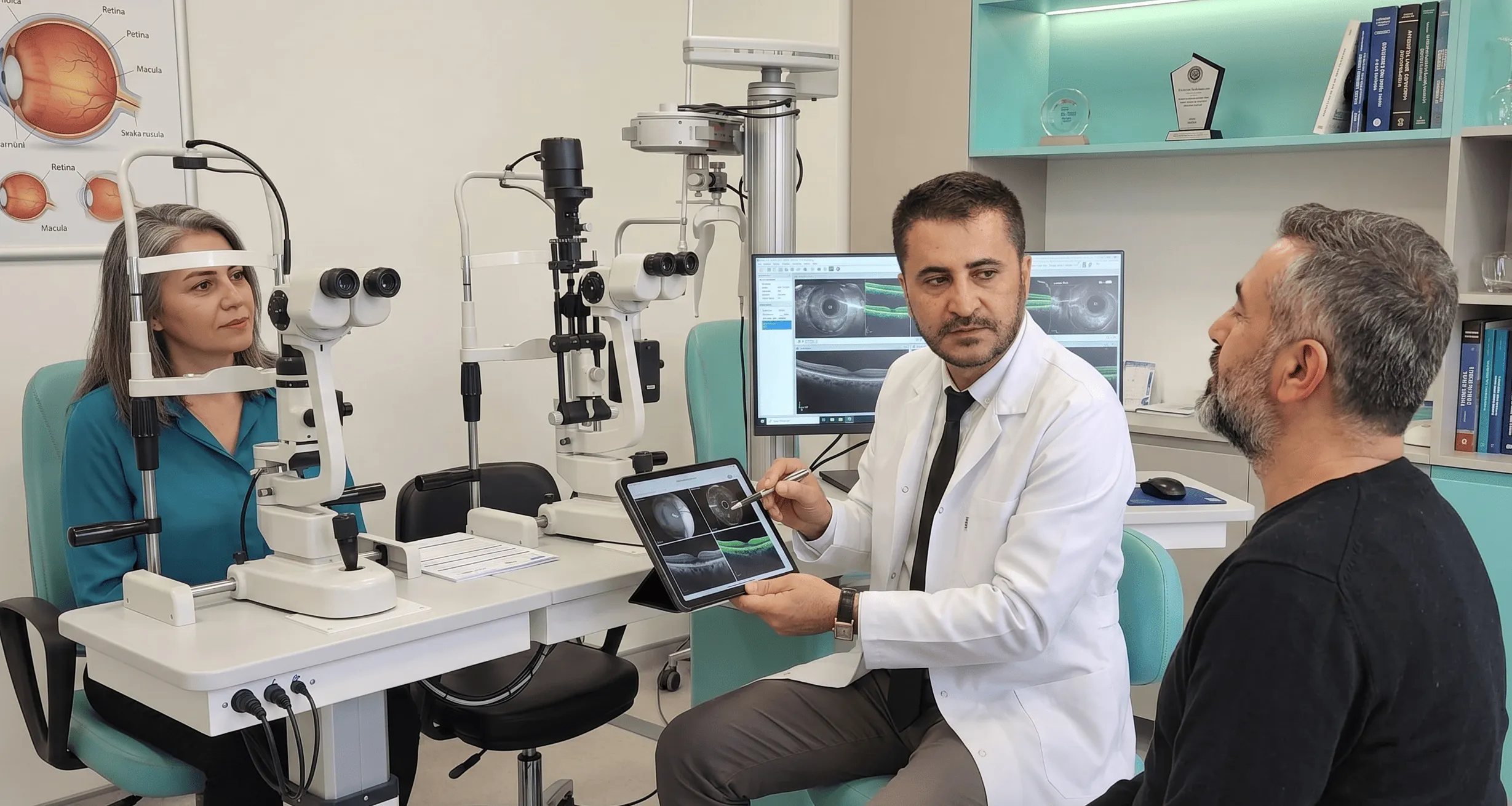
The most common alternative terms for an eye doctor are optometrist and ophthalmologist. While both are eye care professionals, an optometrist (OD) provides primary vision care and eye health services, whereas an ophthalmologist (MD or DO) is a medical doctor who performs surgeries and treats complex medical eye conditions.
When you notice a blur in your vision or experience discomfort in your eyes, your first instinct is likely to search for an "eye doctor." However, the field of vision care is divided into several distinct roles, each with varying levels of education, clinical scope, and surgical authority. Understanding these alternative terms is not just a matter of semantics; it is essential for ensuring you receive the appropriate level of care for your specific symptoms. In 2026, the integration of advanced diagnostic technology and expanded scope-of-practice laws has made the distinction between these roles more nuanced than ever before.
The Two Primary Alternative Terms: Optometrist vs. Ophthalmologist
The vast majority of people seeking an eye doctor are looking for either an optometrist or an ophthalmologist. These are the two primary providers of eye care, yet their training and daily responsibilities differ significantly.
The Optometrist (Doctor of Optometry)
An optometrist is the primary care provider for your eyes. In the United States and many other regions, an optometrist earns a Doctor of Optometry (OD) degree after completing four years of professional optometry school, preceded by an undergraduate degree.
Optometrists are responsible for performing comprehensive eye exams, diagnosing vision conditions like nearsightedness (myopia) and farsightedness (hyperopia), and prescribing corrective lenses. However, their role in 2026 extends far beyond simple refraction. They are trained to diagnose and manage various ocular diseases, such as glaucoma, macular degeneration, and diabetic retinopathy. In many jurisdictions, the scope of practice for optometrists has expanded to include minor surgical procedures, such as foreign body removal and certain laser treatments, depending on local regulations.
The Ophthalmologist (MD or DO)
An ophthalmologist is a medical or osteopathic doctor who specializes in eye and vision care. Their education is more extensive, involving four years of medical school, a one-year internship, and at least three years of hospital-based residency in ophthalmology.
The defining characteristic of an ophthalmologist is their ability to perform complex surgery. While they also provide vision tests and prescribe glasses, they are the specialists called upon for cataract surgery, LASIK, retinal detachment repair, and corneal transplants. If you have a severe eye injury or a progressive disease that requires invasive intervention, the ophthalmologist is the appropriate professional.
Specialized Sub-Specialty Terms
Beyond the general titles, you may encounter alternative terms that describe specialists who focus on specific parts of the eye or particular patient demographics. These professionals are almost always ophthalmologists who have completed one or two additional years of training known as a "fellowship."
Retinologist (Retina Specialist)
A retinologist focuses exclusively on the vitreous body and the retina—the light-sensitive tissue at the back of the eye. They are the experts in managing conditions like retinal detachment, age-related macular degeneration (AMD), and complications from diabetes. Because the retina is essentially an extension of the brain, the procedures performed by a retinologist are incredibly delicate and require high-magnification microsurgery.
Neuro-ophthalmologist
This professional bridges the gap between the eye and the brain. A neuro-ophthalmologist treats vision problems that are related to the nervous system rather than the eye's physical structure. This includes issues with the optic nerve, brain tumors that press on visual pathways, and strokes that affect sight. Patients are often referred to a neuro-ophthalmologist when they experience unexplained vision loss or double vision that cannot be corrected with lenses.
Pediatric Ophthalmologist
Children’s eyes develop rapidly, and their vision needs are distinct from adults. A pediatric ophthalmologist specializes in treating conditions like strabismus (misaligned eyes) and amblyopia (lazy eye) in infants and children. They are also trained to handle the behavioral aspects of examining young patients who may not be able to articulate what they are seeing.
Cornea and External Disease Specialist
These specialists focus on the front of the eye, including the cornea, conjunctiva, and eyelids. They treat severe dry eye, corneal infections, and perform corneal transplants. If you are seeking specialized refractive surgery, such as advanced versions of LASIK or PRK available in 2026, you will likely work with a cornea specialist.
Historical and Archaic Terms: The "Oculist"
If you are reading older literature or historical records, you might encounter the term oculist. This is an archaic term for an eye doctor that was widely used in the 19th and early 20th centuries.
Historically, an "oculist" referred to a physician who specialized in the eye, effectively serving as the precursor to the modern ophthalmologist. As medical science evolved and the distinctions between refractive vision care and surgical eye medicine became more defined, the term fell out of professional favor. Today, using the term "oculist" is rare and typically identifies the speaker as being unfamiliar with modern clinical designations.
The Role of the Optician: Why They Are Not "Doctors"
It is common for the public to use the term "eye doctor" when referring to an optician, but this is technically incorrect. An optician is a technician trained to design, verify, and fit eyeglass lenses and frames, contact lenses, and other devices to correct eyesight.
Opticians use prescriptions provided by optometrists or ophthalmologists but do not perform eye exams or diagnose diseases. They are essential members of the eye care team, ensuring that the medical orders for vision correction are executed with precision. In many states, opticians must be licensed, but their training usually involves an associate's degree or a two-year apprenticeship rather than a doctorate.
Regional and International Variations
The terminology for eye care providers can shift significantly depending on where you are in the world. Understanding these regional differences is vital for travelers or those moving abroad.
- United Kingdom and Commonwealth: In the UK, the term ophthalmic optician was historically common, though it has largely been replaced by "optometrist." In these regions, an ophthalmologist is often referred to as a consultant if they hold a senior hospital position.
- Europe: In many European countries, the distinction between optometry and ophthalmology is narrower in practice, but the titles remain distinct. The term oculista is still used in Italy and Spain, carrying a meaning closer to the modern ophthalmologist.
Comparison of Eye Care Professionals (2026 Standards)
The following table summarizes the key differences between the most common alternative terms for eye doctors as of 2026.
| Professional Title | Credentials | Education Post-Undergrad | Performs Surgery? | Primary Focus |
|---|---|---|---|---|
| Optometrist | OD | 4 Years | Minor (varies by state) | Vision testing, disease diagnosis, primary care |
| Ophthalmologist | MD or DO | 8+ Years (Inc. Residency) | Yes (Major) | Surgical intervention, complex disease management |
| Optician | LDO/ABO | 0-2 Years | No | Fitting and dispensing corrective lenses |
| Retinologist | MD/DO + Fellowship | 9-10 Years | Yes | Retinal diseases and vitreous surgery |
| Pediatric Specialist | MD/DO + Fellowship | 9-10 Years | Yes | Childhood eye development and alignment |
When to See Which Professional
Choosing the right professional depends on your specific needs. While there is overlap, certain situations demand the expertise of one over the other.
- Routine Exams and New Glasses: Start with an optometrist. They are the gatekeepers of eye health and can provide the necessary prescriptions for daily vision.
- Sudden Vision Loss or Pain: While an optometrist can diagnose the cause, an ophthalmologist is often required if the cause is a detached retina or acute glaucoma requiring immediate surgery.
- Chronic Conditions like Diabetes: Both professionals play a role. An optometrist may handle annual screenings, but a retina specialist (ophthalmologist) will likely take over if diabetic retinopathy begins to threaten your sight.
- Cataracts: If your vision is clouded by cataracts, you will eventually need to see an ophthalmologist for surgical removal and lens replacement.
Frequently Asked Questions
Is an optometrist a "real" doctor?
Yes, an optometrist is a Doctor of Optometry. While they are not medical doctors (MDs), they are highly trained healthcare professionals who must pass national boards and maintain licensure to practice. They are considered doctors in the same way that dentists (DDS) or podiatrists (DPM) are recognized as doctors within their specific fields.
Why does my eye doctor's office have both an optometrist and an ophthalmologist?
This is known as an integrated or co-management practice. It allows the office to provide a full spectrum of care. The optometrist handles routine exams and stable disease management, while the ophthalmologist focuses on surgical cases. This model is becoming the standard in 2026 to improve patient efficiency and care quality. For more information on how these practices operate, you can visit the American Academy of Ophthalmology.
Can an optometrist prescribe medicine?
Yes. In 2026, optometrists in all 50 U.S. states have the authority to prescribe medications to treat various eye conditions, including antibiotics for infections, antihistamines for allergies, and medications for glaucoma. However, the specific classes of drugs they can prescribe can vary slightly by state law.
What is the term for a doctor who does LASIK?
A doctor who performs LASIK is a refractive surgeon, which is a sub-specialty of ophthalmology. While many general ophthalmologists perform LASIK, some choose to specialize exclusively in corneal and refractive procedures. Information on refractive surgery standards is maintained by the American Society of Cataract and Refractive Surgery.
How often should I see an eye doctor?
The American Optometric Association generally recommends that adults have a comprehensive eye exam at least every two years. However, if you are over 60, have diabetes, or have a family history of eye disease, an annual exam is usually necessary.
Are eye doctors covered by medical insurance or vision insurance?
This depends on the "alternative term" and the reason for the visit. Vision insurance typically covers routine exams and corrective lenses provided by an optometrist. Medical insurance (like Blue Cross or Medicare) typically covers visits to an ophthalmologist for medical issues like infections, injuries, or chronic diseases.
Practical Recommendation
If you are unsure which "eye doctor" you need, the best course of action is to schedule a comprehensive eye exam with an optometrist. They are trained to identify a wide range of issues and can act as the primary coordinator for your care. If they detect a condition that requires surgery or highly specialized medical treatment, they will provide a referral to the appropriate ophthalmologist or sub-specialist. In 2026, eye care is a collaborative field, and starting with a primary care optometrist ensures that you receive a thorough baseline evaluation before moving toward more invasive or specialized interventions.