In 2026, many service-based businesses find that "all-in-one" platforms—combining booking, payments, and CRM—fail to deliver long-term value because they suffer from feature dilution and severe vendor lock-in. While they offer initial simplicity and lower upfront costs, these platforms often lack the specialized depth required for scaling, leading to higher hidden costs in transaction fees, lost leads, and technical debt.
The Allure of the Unified Stack vs. The Reality of Feature Dilution
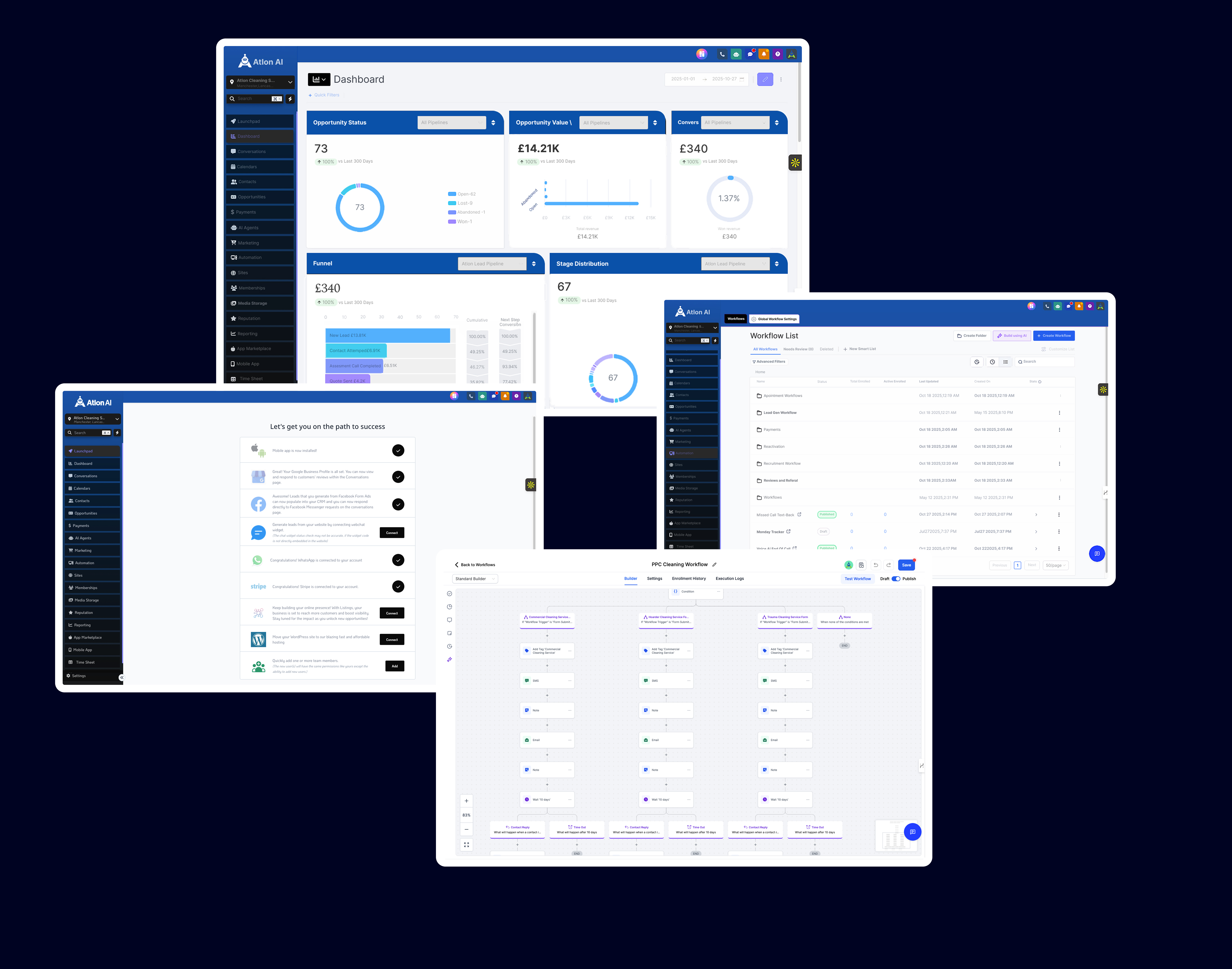
The sales pitch for an all-in-one (AIO) solution is undeniably attractive. For a single monthly subscription, a business owner is promised a "seamless" ecosystem where a customer can book an appointment, pay for the service, and be automatically entered into a customer relationship management (CRM) database. On paper, this eliminates the need to manage multiple passwords, reduces the complexity of software integrations, and provides a single point of contact for customer support.
However, by 2026, the software landscape has matured to a point where the "jack of all trades, master of none" syndrome is more visible than ever. Software development is a resource-intensive endeavor. When a company attempts to build a world-class booking engine, a secure and flexible payment gateway, and a robust CRM simultaneously, their research and development (R&D) budget is stretched thin across three distinct disciplines.
In contrast, specialized (or "best-of-breed") companies focus their entire multi-million dollar R&D budgets on a single pillar. A dedicated payment processor focuses solely on security, international compliance, and lower transaction rates. A dedicated CRM focuses on advanced automation, lead scoring, and deep data analytics. When an AIO platform tries to compete, it often produces "shallow" versions of these tools—a CRM that is little more than a digital Rolodex, or a payment system with rigid, expensive pricing structures.
The Economic Mirage: Understanding Total Cost of Ownership (TCO)
Many businesses choose all-in-one platforms to save money on subscription fees. However, a narrow focus on the monthly "SaaS fee" ignores the much larger impact of the Total Cost of Ownership. The true cost of software includes transaction fees, employee efficiency, and the "opportunity cost" of lost revenue.
The Hidden Tax of Integrated Payments
AIO platforms frequently partner with a single payment processor and "white-label" the service. Because the AIO provider needs to take a cut of the processing to subsidize their low subscription costs, they often charge a flat percentage (e.g., 2.9% + $0.30) that is significantly higher than what a business could negotiate directly with a dedicated processor like Stripe or Adyen. For a business doing $1 million in annual revenue, a 0.5% difference in processing fees results in $5,000 of lost profit every year—often more than the entire cost of a specialized software stack.
The Cost of Poor CRM Automation
A shallow CRM within an AIO suite rarely provides the sophisticated automation needed to nurture leads effectively. If a specialized CRM can increase lead conversion by just 2% through better follow-up sequences and behavior-based triggers, that platform pays for itself many times over. The "free" or "included" CRM in an AIO package often lacks these capabilities, making it an expensive "saving" in the long run.
The "Golden Cage" of Vendor Lock-In
One of the most significant risks of an all-in-one solution is vendor lock-in. When your booking data, financial records, and customer history are all stored in a proprietary, unified database, leaving that provider becomes an operational nightmare.
In 2026, data portability is a critical business asset. Most AIO platforms make it easy to import data but notoriously difficult to export it in a format that another specialized tool can use. If the platform increases its prices, suffers from frequent downtime, or fails to update its features, the business is "trapped." Moving to a new system would require migrating three different core business functions at once, which often results in data loss, broken workflows, and significant downtime.
By using a modular stack—connecting a specialized booking tool to a specialized CRM via APIs (Application Programming Interfaces)—a business maintains its "optionality." If the booking tool becomes obsolete, the business can swap it out for a newer, better version without disrupting the CRM or the payment history.
Technical Debt and the Integration Paradox
Ironically, all-in-one systems often claim to "eliminate the need for integrations," but they frequently create more work in the long run. As a business grows, it inevitably needs to connect to other tools, such as accounting software (e.g., QuickBooks or Xero), marketing platforms, or specialized industry tools.
Many AIO platforms are "closed ecosystems." They are designed to keep you within their own walls and often lack robust API support for outside developers. This creates a "data silo" where information is trapped. To get that data into an accounting system or a mailing list, staff are often forced into manual data entry—the very thing the software was supposed to prevent.
In the current 2026 software environment, the rise of "No-Code" and "Low-Code" integration platforms like Make or Zapier has largely solved the complexity of connecting specialized apps. Setting up a "Best-of-Breed" stack is no longer a task reserved for high-level IT consultants; it is now accessible to small business owners, negating the primary advantage of the all-in-one model.
Comparison: All-in-One vs. Best-of-Breed (2026 Standard)
| Feature | All-in-One Platforms | Best-of-Breed Stack (Modular) |
|---|---|---|
| Feature Depth | Shallow/Generic (Jack of all trades) | Deep/Specialized (Industry leaders) |
| Payment Rates | Often fixed and higher (bundled) | Negotiable, interchange-plus options |
| Data Control | Low (Proprietary silos) | High (Standardized API access) |
| Migration Risk | High (Moving one means moving all) | Low (Swap components individually) |
| Innovation | Slower (R&D split 3 ways) | Rapid (Dedicated focus) |
| Setup Speed | Very Fast (Out-of-the-box) | Moderate (Requires initial mapping) |
The Limits of Generic Booking Logic
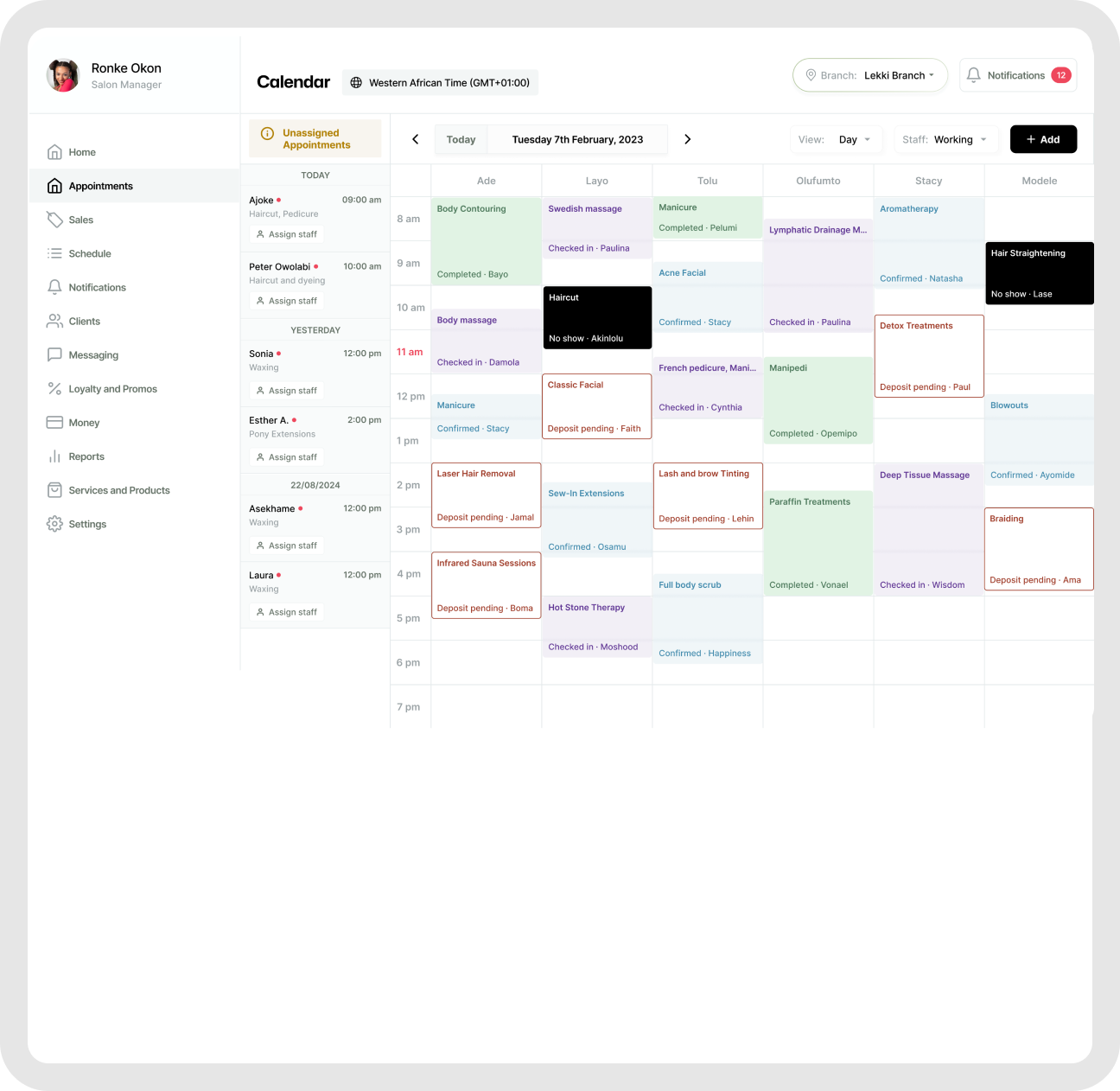
Service industries are not monolithic. A hair salon has different booking requirements than a law firm, a medical clinic, or a specialized consultancy. All-in-one platforms typically offer a generic "scheduling" feature that works for the lowest common denominator.
When a business requires complex logic—such as staggered appointments, multi-resource booking (requiring both a room and a specific staff member), or sophisticated deposit requirements—the AIO platform's booking engine often hits a wall. Businesses then find themselves changing their internal workflows to fit the software's limitations, rather than the software supporting the business's unique needs. This "process friction" reduces employee morale and can frustrate customers who expect a modern, tailored booking experience.
Security and Compliance Risks
Centralizing all business data into a single platform creates a "single point of failure." In terms of cybersecurity, an AIO platform is a high-value target. If the platform's security is breached, the attacker gains access to customer contact info (CRM), their appointment history (Booking), and potentially sensitive financial data or payment tokens (Payments).
Furthermore, regulatory compliance (such as GDPR, CCPA, or PCI-DSS for payments) is a moving target. Specialized payment processors dedicate hundreds of staff members to ensuring they meet every local and international regulation. Smaller AIO providers often struggle to keep up with these shifting legal landscapes, potentially exposing the business owner to liability risks that they might not even be aware of until an audit occurs.
FAQ
Is an all-in-one platform ever the right choice?
Yes, for very small businesses or solopreneurs who are just starting out. In the "MVP" (Minimum Viable Product) stage of a business, the priority is often speed and simplicity over optimization. If you have fewer than 50 customers and very low transaction volume, the convenience of an AIO platform may outweigh the higher percentage fees and lack of depth.
How do I know if I’ve outgrown my all-in-one software?
The clearest signs are manual data entry and "workarounds." If your staff is manually copying data from your booking system into a spreadsheet because the CRM doesn't provide the reports you need, or if you are turning away specific types of bookings because the software "can't handle that logic," it is time to move to a specialized stack.
Isn't it more expensive to pay for three different subscriptions?
While the sum of three specialized subscriptions (e.g., Calendly + HubSpot + Stripe) might be higher than one AIO subscription, the return on investment (ROI) is usually higher. Increased lead conversion from a better CRM and lower transaction fees from a dedicated payment processor almost always offset the $50–$100 difference in monthly software fees.
How difficult is it to integrate specialized tools in 2026?
Integration has never been easier. Most modern "Best-of-Breed" tools feature "Native Integrations," meaning they have built-in connectors for other popular tools. For everything else, API-first design and automation platforms allow you to create custom workflows without writing a single line of code.
Does using multiple tools hurt the customer experience?
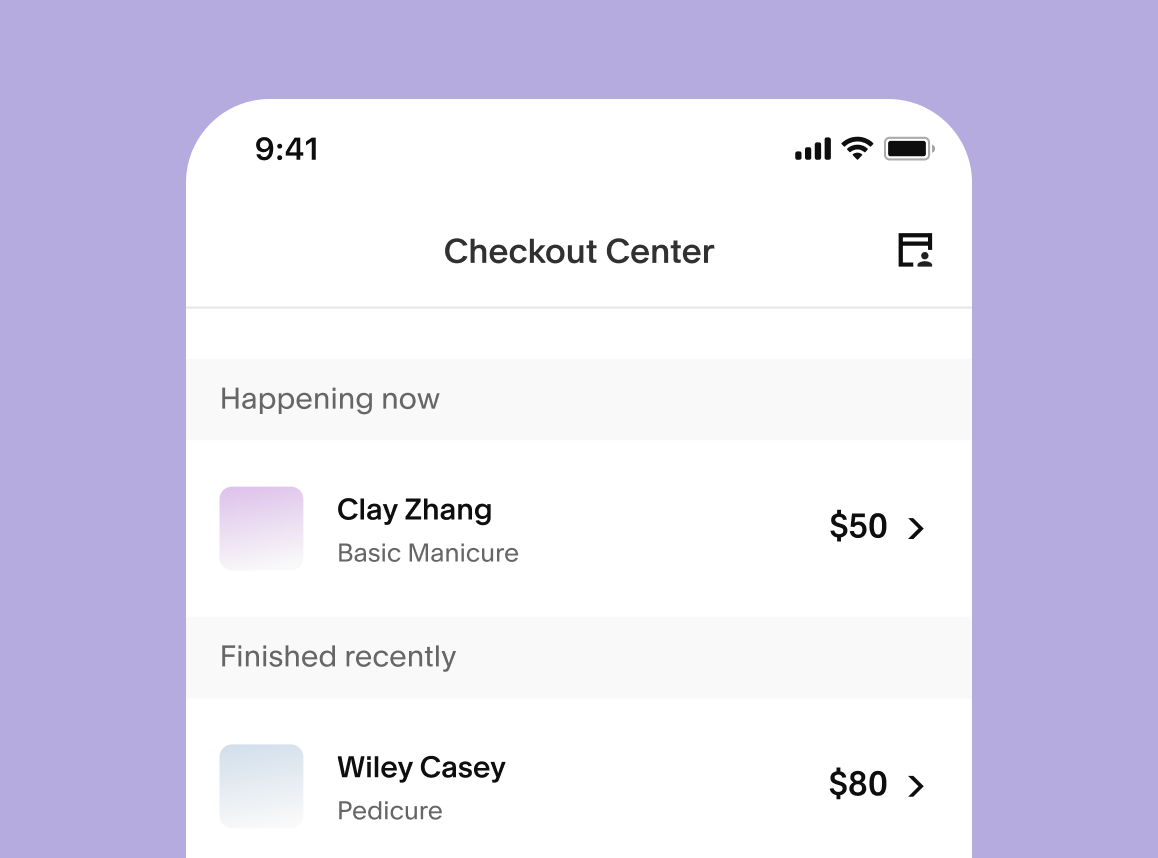
Actually, it usually improves it. Customers today expect "Best-in-Class" interfaces. They want the sleekest booking experience and the fastest, most secure checkout (like Apple Pay or one-click payments). Specialized tools provide these polished experiences, whereas AIO platforms often provide clunky, dated interfaces that can lead to cart abandonment or booking drops.
Strategic Recommendation
For businesses planning to grow in 2026, the recommended path is the Modular Stack. Start by selecting a primary "source of truth"—usually a robust CRM. From there, select a payment processor that offers competitive rates and a booking engine that matches your specific industry workflow.
Ensure that every tool you choose has a "Public API" or a documented integration with your CRM. This architecture protects your data, keeps your costs transparent, and allows your technology to evolve at the same pace as your business. Do not sacrifice the long-term health and flexibility of your business for the short-term convenience of a single login.