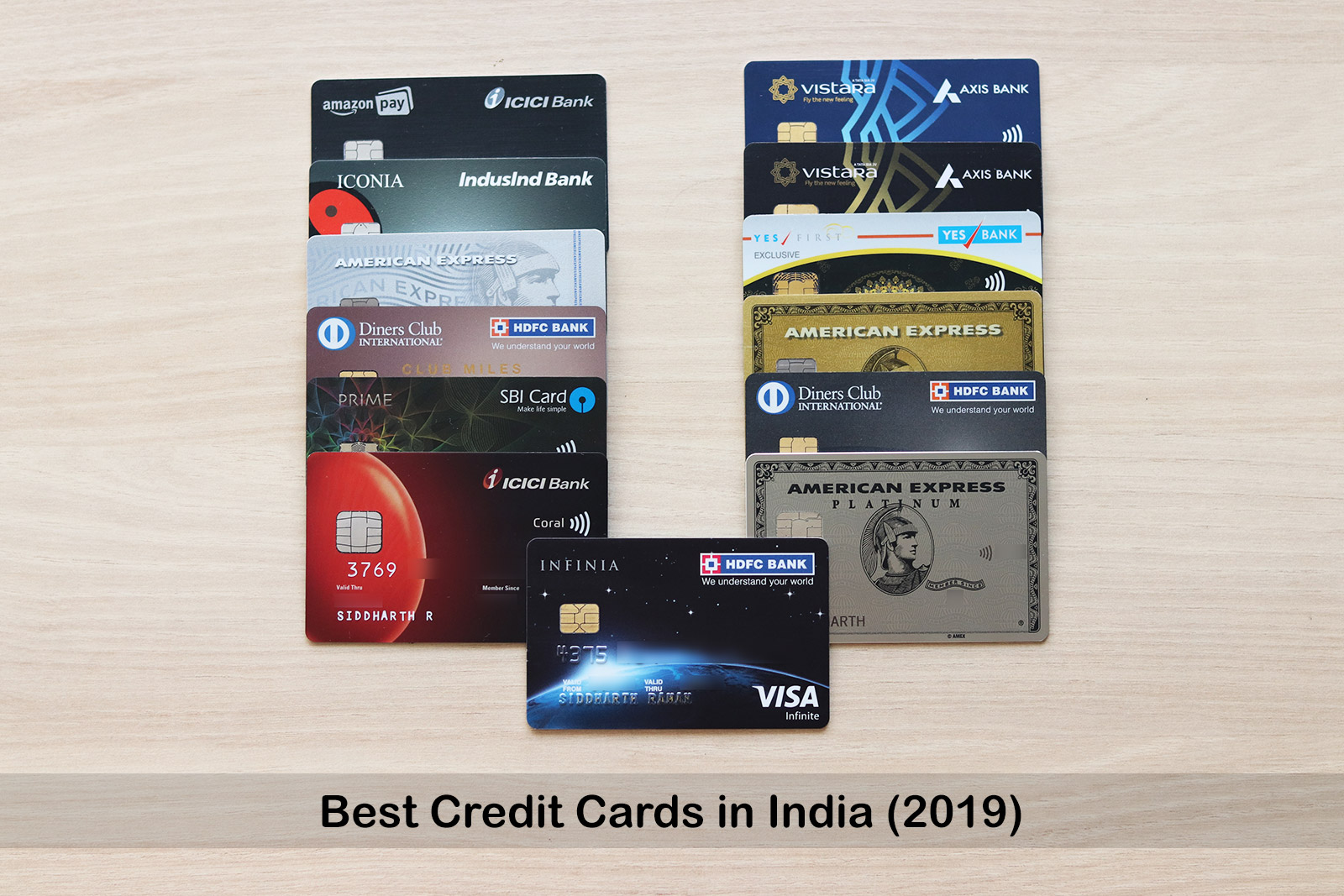
To find the best credit card offer in 2026, you must compare three primary factors: the rewards structure (cash back vs. points), the introductory APR period for purchases or balance transfers, and the annual fee relative to the card’s total benefit value. The optimal choice depends on whether you prioritize long-term savings through low interest or maximizing return on your monthly spending.
Selecting a credit card has evolved into a sophisticated financial decision. In 2026, the market is saturated with various incentives ranging from massive sign-up bonuses to high-tech security features and flexible repayment options. However, beneath the marketing gloss, every credit card offer is built upon a standard set of financial mechanics regulated by the Consumer Financial Protection Bureau (CFPB). Understanding how these mechanics interact is essential for determining which offer provides the highest net value for your specific financial profile.
The Core Framework of Modern Credit Card Offers
Before comparing specific cards, you must understand the "Schumer Box," the standardized table required by law that discloses a card’s rates and fees. Every offer is defined by its Annual Percentage Rate (APR), which in 2026 remains sensitive to Federal Reserve benchmarks. Most cards offer a variable APR, meaning your interest rate can fluctuate based on the Prime Rate.
Interest Rates and Promotional Periods
The most aggressive offers often feature 0% Introductory APRs. These are typically split into two categories: 0% on new purchases and 0% on balance transfers. A purchase offer allows you to buy a high-ticket item and pay it off over 12 to 21 months without interest. A balance transfer offer allows you to move high-interest debt from an old card to a new one, usually for a fee (typically 3% to 5% of the transferred amount). When comparing these, the length of the promotional period is usually more important than the standard APR that kicks in afterward, provided you have a plan to pay off the balance before the "cliff" date.
Annual Fees vs. Statement Credits
Many premium cards in 2026 carry annual fees ranging from $95 to $695. While a "no-fee" card seems like the safer choice, premium cards often provide "statement credits" for travel, dining, or streaming services that can effectively zero out the fee. For example, if a card has a $250 annual fee but provides $240 in annual Uber or dining credits that you would have spent anyway, the "effective" annual fee is only $10. Comparing offers requires looking past the sticker price to the net cost.
Categorizing the Major Credit Card Segments
To simplify the comparison process, credit cards are generally grouped into categories based on their primary utility. Each category serves a different financial goal, and the "best" card in one category might be the worst in another.
Cash Back Credit Cards
Cash back cards are the most straightforward tools for the average consumer. They return a percentage of every dollar spent back to the cardholder, usually as a statement credit or a deposit into a bank account.
- Flat-Rate Cards: These offer a consistent percentage (typically 1.5% to 2%) on every purchase. They are best for individuals who want simplicity and don't want to track spending categories.
- Tiered Rewards: These offer higher percentages (3% to 6%) on specific categories like groceries, gas, or streaming services, and 1% on everything else. These are superior if a large portion of your budget falls into those specific "bonus" categories.
- Rotating Categories: These require you to "activate" a new 5% category every quarter. While they offer the highest potential return, they require the most effort to manage.
Travel and Travel Points Cards
Travel cards are designed for those who spend significantly on flights, hotels, and transit. Instead of cash, they earn "points" or "miles." The value of these points is not fixed; they are often worth significantly more when transferred to airline or hotel partners than when redeemed for cash.
- General Travel Cards: These earn points that can be used across multiple airlines and hotel chains. They offer the most flexibility.
- Co-branded Cards: These are tied to a specific airline (e.g., Delta, United) or hotel (e.g., Marriott, Hilton). They are best for "brand loyalists" who value perks like free checked bags, priority boarding, or elite status levels more than point flexibility.
Balance Transfer and Low-Interest Cards
These cards are utility tools for debt management. They rarely offer significant rewards or "bells and whistles." Instead, they prioritize the longest possible 0% APR window. When comparing these, the "transfer fee" is the critical metric. A card with an 18-month 0% window and a 3% fee is generally a better offer than a 21-month window with a 5% fee, depending on how quickly you can settle the debt.
Business Credit Cards
Designed for small business owners and freelancers, these cards offer rewards on business-centric categories like office supplies, telecommunications, and digital advertising. Crucially, they often have much higher credit limits and help build a business credit profile that is separate from the owner’s personal credit, though most still require a personal guarantee.
How to Compare Card Value Using "Net Effective Value"
To truly compare all credit card offers, you should use a formula called Net Effective Value (NEV). This goes beyond the sign-up bonus to look at the first-year versus second-year value.
| Card Archetype | Sign-up Bonus Value | Annual Fee | Estimated Rewards (Year 1) | Net Effective Value (Year 1) |
|---|---|---|---|---|
| Premium Travel | $750 (75k points) | $550 | $300 | $500 |
| Mid-Tier Travel | $600 (60k points) | $95 | $150 | $655 |
| Flat-Rate Cash Back | $200 | $0 | $400 | $600 |
| Tiered Cash Back | $200 | $0 | $550 | $750 |
| Balance Transfer | $0 | $0 | $0 | (Interest Saved) |
Note: Estimates based on $2,500 monthly spend and average 2026 market valuations. Individual results vary based on spending habits.
The table reveals that a "Mid-Tier Travel" card can often provide more first-year value than a "Premium" card because the lower fee doesn't eat into the sign-up bonus. However, the "Tiered Cash Back" card often wins for the average consumer because it provides high ongoing value without ever charging a fee.
Eligibility and Credit Score Requirements
An offer is only relevant if you can qualify for it. In 2026, lenders have become more precise with their "pre-approval" tools, allowing you to see your likelihood of acceptance without a "hard inquiry" on your credit report.
- Excellent Credit (740-850): Access to premium travel cards, the highest sign-up bonuses, and the longest 0% APR periods.
- Good Credit (670-739): Access to most cash back cards and mid-tier travel cards. Interest rates will be average.
- Fair Credit (580-669): Limited to basic rewards cards or cards with higher APRs. Sign-up bonuses are rare in this tier.
- Poor/No Credit (Under 580): Generally limited to Secured Credit Cards, which require a refundable security deposit that acts as your credit limit.
Comparing offers in the "Fair" or "Poor" categories focuses less on rewards and more on "pathways to upgrade." You should look for cards that offer automatic credit line reviews and the ability to "graduate" to an unsecured card after 6–12 months of on-time payments.
Common Pitfalls When Comparing Offers
It is easy to be blinded by a "100,000 point" headline, but experienced cardholders look for the hidden costs.
The Minimum Spend Requirement
Almost every significant sign-up bonus requires you to spend a certain amount (e.g., $4,000) within the first three months. If your natural spending is only $1,000 a month, you may find yourself overspending just to hit a bonus, which negates the financial benefit. Always compare the "spend-to-bonus ratio."
Point Devaluation
Travel points are not a currency; they are an IOU from an airline or bank. In 2026, several major carriers have shifted to "dynamic pricing," meaning the number of points needed for a flight can skyrocket without notice. Cash back is the only reward that is immune to devaluation. If you don't plan on traveling within the next 12 months, a cash-back offer is objectively safer than a points-based offer.
Foreign Transaction Fees
If you travel internationally or shop at international online retailers, a card that charges a 3% foreign transaction fee is a poor choice. Many travel cards waive this fee, but many basic cash-back cards do not. This small fee can quickly wipe out any rewards you earn while abroad.
Application and Verification Steps
Once you have compared the offers and selected the best fit, the application process in 2026 is largely automated but requires specific documentation to ensure the best possible terms.
- Pre-Approval Check: Always use the issuer’s "Check for Offers" tool first. This uses a "soft pull" that does not hurt your credit score.
- Income Verification: Be prepared to provide accurate gross annual income. For many, this can include household income if you are over 21 and have a reasonable expectation of access to those funds.
- The "Hard Pull": When you submit the final application, the lender will request your full credit report from bureaus like Experian or Equifax. This may cause a temporary 5–10 point dip in your credit score.
- Instant Decision: Most digital applications provide a decision within 60 seconds. If you are "pending," it usually means the bank needs to verify your identity or income manually.
Frequently Asked Questions
Which is better: 2% cash back or a 60,000-point travel bonus?
It depends on your spending. A 60,000-point bonus is typically worth at least $600 (and up to $1,200 if used for international business class). A 2% cash back card would require you to spend $30,000 to earn that same $600. Therefore, the travel bonus is better for short-term value, while the 2% card is better for long-term, low-maintenance earning.
Can I have multiple credit card offers at once?
Yes, this is known as "card churning" or "stacking." However, most issuers have rules to prevent abuse. For example, Chase’s "5/24 rule" generally denies applicants who have opened five or more cards from any issuer in the past 24 months. When comparing offers, consider the "opportunity cost" of using your limited application slots.
What happens if I don't pay off my 0% APR card before the offer ends?
In 2026, most standard credit cards only charge interest on the remaining balance once the promo ends. However, some "store cards" use deferred interest. If you don't pay the balance in full by the deadline, they charge you interest on the original total amount from the day you bought it. Always check the fine print for the words "deferred interest" vs. "0% intro APR."
How do I compare cards if I have a low credit score?
Ignore rewards and sign-up bonuses. Instead, compare the annual fee and the security deposit requirements. Your goal is the lowest cost of ownership while you rebuild your score. Look for "Secured" cards that offer a path to "Unsecured" status, which returns your deposit to you.
Does the "metal card" feature matter?
Physically, no. While many premium offers in 2026 feature heavy metal cards, this is purely a marketing tactic. It has no impact on your credit limit, APR, or rewards. Focus on the digital terms in the Schumer Box rather than the physical weight of the card.
Final Recommendation for Choosing an Offer
To make the final decision, conduct a Three-Month Audit. Look at your bank statements from the last 90 days and categorize your spending into Groceries, Dining, Travel, and "Other."
If more than 50% of your spending is in one specific category, choose a Tiered Rewards Card that targets that category. If your spending is scattered across many small retailers, a 2% Flat-Rate Card will likely outperform everything else. If you are planning a major international trip in the next year, prioritize a Travel Rewards Card with a high sign-up bonus, even if it has an annual fee, as the one-time bonus will likely cover the cost of your flight. Always verify your credit score before applying to ensure you are targeting offers within your eligibility range.