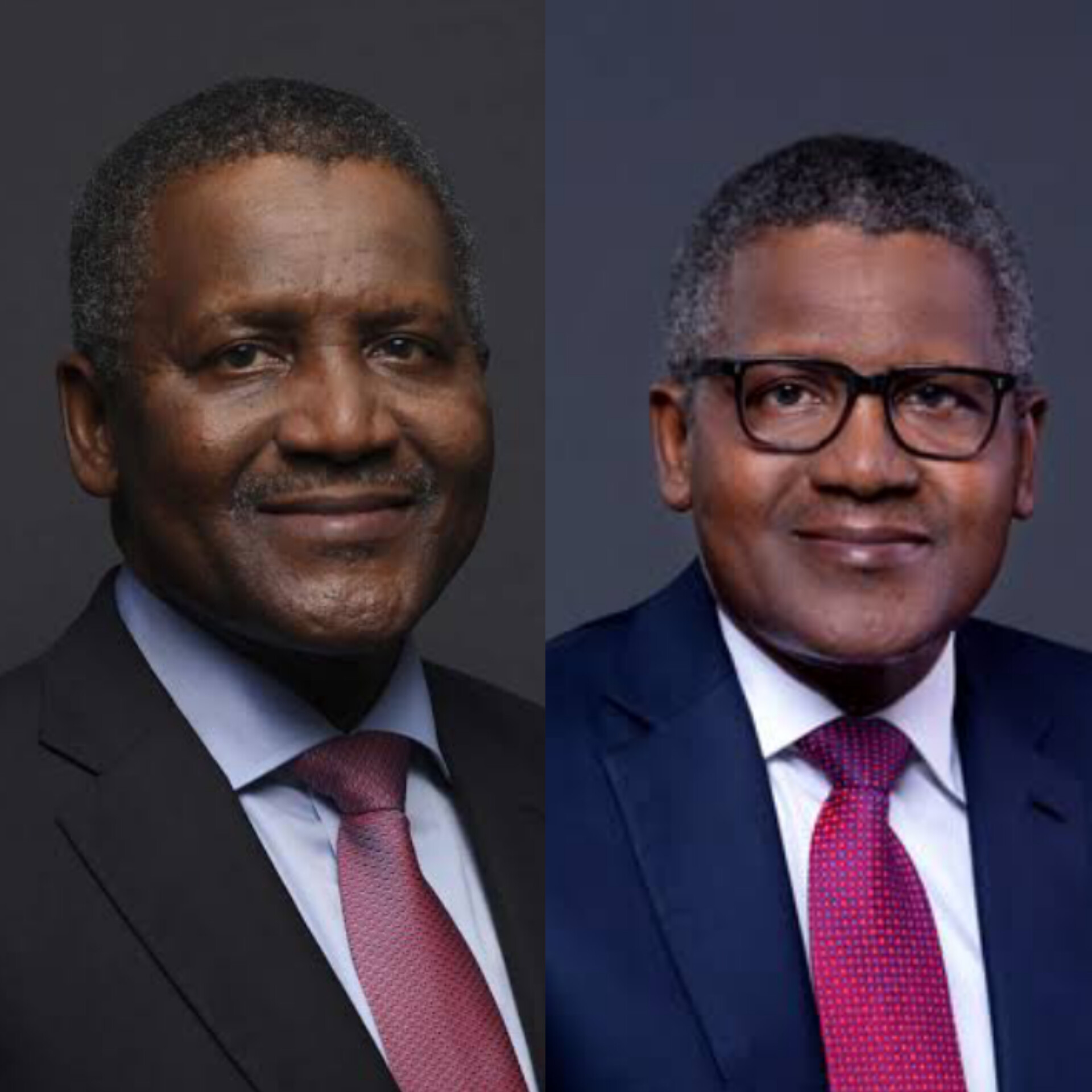
Aliko Dangote’s net worth is primarily derived from his 86% stake in Dangote Cement Plc, the largest cement producer in Sub-Saharan Africa, alongside significant holdings in sugar, salt, and his massive integrated refinery and petrochemical complex. As of 2026, his wealth remains a benchmark for African industrial success, fluctuating based on commodity prices and currency valuations.
Understanding the net worth of Aliko Dangote requires moving beyond a single headline figure. His wealth is a complex tapestry of publicly traded equities, massive private infrastructure projects, and strategic industrial holdings that span the African continent. As Africa’s wealthiest individual for over a decade, Dangote’s financial standing is not just a personal metric but a barometer for the Nigerian and broader African economy.
This breakdown examines the specific pillars of the Dangote fortune, the impact of the Dangote Refinery’s full operational status in 2026, and how macroeconomic factors like the Nigerian Naira’s volatility influence his global ranking.
The Foundation of Wealth: Dangote Cement Plc
The most significant and transparent component of Aliko Dangote’s net worth is his majority stake in Dangote Cement Plc. Listed on the Nigerian Exchange (NGX), this company is the bedrock of his industrial empire.
Market Dominance and Production Capacity
By 2026, Dangote Cement has solidified its position as a global player. With an annual production capacity exceeding 50 million metric tonnes across 10 countries, the company’s valuation is driven by its ability to supply infrastructure projects in emerging markets. Dangote owns approximately 86% of the company, either directly or through his holding company, Dangote Industries Limited.
The valuation of this stake is calculated daily based on the stock price on the NGX. Because the company is capital-intensive and asset-heavy, its market capitalization often reflects the replacement cost of its massive plants in Obajana, Ibese, and various locations across Africa, including Senegal, Ethiopia, and South Africa.
Dividend Income and Reinvestment
Beyond the paper value of the shares, Dangote Cement is a massive generator of liquidity. The company consistently pays out billions of Naira in dividends annually. For Aliko Dangote, these dividends provide the necessary cash flow to service debt and fund the equity portions of his private "mega-projects," such as the fertilizer plant and the petroleum refinery. This cycle of generating cash from a mature industry (cement) to fund a nascent one (energy) is the hallmark of his financial strategy.
The Game Changer: Dangote Refinery and Petrochemicals
In 2026, the single most influential factor in the "Aliko Dangote net worth breakdown" is the Dangote Petroleum Refinery and Petrochemicals complex. For years, this was considered a "work in progress" that weighed on his liquidity, but its transition to a fully operational, revenue-generating asset has fundamentally changed his wealth profile.
Private Valuation vs. Public Listing
Unlike the cement business, the refinery is a private asset held under Dangote Industries. This creates a disparity in how wealth-tracking organizations like Forbes and Bloomberg estimate his net worth. Bloomberg often values the refinery based on the capital invested and the projected cash flows (DCF analysis), whereas other outlets may wait for comparable market transactions or a potential Initial Public Offering (IPO).
By 2026, the refinery’s ability to process 650,000 barrels of crude oil per day has made it one of the most valuable industrial assets in the world. Its contribution to his net worth is estimated in the tens of billions of dollars, depending on the refining margins and the global price of refined petroleum products.
Petrochemicals and Urea Fertilizer
Adjacent to the fuel refinery is the Dangote Fertilizer plant, which is the largest granulated urea fertilizer complex in Africa. With a capacity of 3 million metric tonnes per annum, this facility taps into the global demand for agricultural inputs. In the 2026 economic landscape, where food security is a global priority, the valuation of this fertilizer asset provides a significant "floor" to his net worth, diversifying his interests away from construction and toward agriculture.
Consumer Goods: Sugar, Salt, and Flour
While cement and oil capture the headlines, the Dangote Group’s consumer goods segment provides essential stability. These businesses operate in "recession-proof" sectors, as the demand for basic food items remains relatively inelastic.
Dangote Sugar Refinery Plc
Dangote holds a majority stake in this publicly traded entity, which is one of the largest sugar refineries in the world. Its "Backward Integration Project," aimed at producing sugar locally from sugarcane plantations rather than relying on imported raw sugar, has increased the company’s margins and intrinsic value. By 2026, the successful scaling of these plantations has reduced forex exposure, making the company more resilient to Naira fluctuations.
NASCON Allied Industries (Salt)
NASCON, formerly known as the National Salt Company of Nigeria, is another publicly traded arm of his empire. It dominates the salt market in Nigeria for both domestic and industrial use. While its market cap is smaller than the cement arm, its high-profit margins and consistent dividend payouts contribute significantly to the liquid portion of Dangote’s wealth.
The Role of Currency Volatility and the Naira
A critical aspect of explaining Aliko Dangote’s net worth is the "Forex Effect." Because most of his primary assets are listed on the Nigerian Exchange and generate revenue in Nigerian Naira (NGN), his net worth in US Dollars (USD) is highly sensitive to the exchange rate.
Devaluation Impacts
When the Naira devalues against the Dollar, Dangote’s net worth on the global billionaire's list can drop by billions overnight, even if his companies are performing exceptionally well in local terms. For example, if Dangote Cement’s share price stays the same but the Naira loses 20% of its value, his reported USD wealth shrinks accordingly.
Mitigation Strategies
To counter this, the Dangote Group has spent the last decade expanding its footprint outside Nigeria. By earning revenue in Central African CFA francs, Ethiopian Birr, and South African Rand, the group creates a natural hedge against the volatility of any single currency. Furthermore, the 2026 operational status of the refinery allows for the export of refined products, which generates much-needed USD revenue, stabilizing his net worth against local currency shocks.
Comparative Asset Breakdown (Estimated 2026)
The following table provides a conceptual breakdown of the primary pillars contributing to Aliko Dangote’s total valuation. Note that these figures represent equity value and ownership stakes.
| Asset Pillar | Primary Entity | Ownership Status | Primary Market | Strategic Value |
|---|---|---|---|---|
| Cement | Dangote Cement Plc | Publicly Traded (~86%) | Pan-African | Cash flow & collateral |
| Energy | Dangote Refinery | Private / DIL | Global/Regional | Massive capital appreciation |
| Agriculture | Dangote Fertilizer | Private / DIL | Global | Export earnings (USD) |
| Sugar | Dangote Sugar | Publicly Traded | West Africa | Consumer market dominance |
| Salt/Seasoning | NASCON Allied | Publicly Traded | Nigeria | High-margin stability |
| Logistics | Dangote Sinotruk | Joint Venture | Nigeria | Supply chain integration |
Philanthropy and the Aliko Dangote Foundation (ADF)
While net worth focuses on assets, it is important to note that a portion of Dangote’s wealth is committed to the Aliko Dangote Foundation. With an endowment that has grown significantly, the foundation focuses on nutrition, health, and education. While these funds are technically removed from his "personal" net worth, the scale of the foundation’s activities reflects the sheer volume of the capital generated by his industrial activities.
How His Net Worth is Calculated by Analysts
Financial journalists and analysts at organizations like Bloomberg and Forbes use different methodologies to "explain" the breakdown:
- Public Equities: Calculated by multiplying the number of shares owned by the current market price on the stock exchange.
- Private Companies: Valued using the Multiples Method (comparing them to similar public companies) or the Cost Method (looking at the total investment and debt).
- Net Debt: Analysts subtract the debt held at the holding company level (Dangote Industries Limited) from the total asset value to arrive at the final "Net" worth.
- Cash and Personal Assets: Includes estimates of cash from dividends, private jets, yachts, and real estate holdings in London, Atlanta, and Lagos.
In 2026, the debt-to-equity ratio of the Dangote Group is a key metric. As the refinery moves from the "construction/borrowing" phase into the "repayment/profit" phase, Dangote’s net worth sees a significant boost as liabilities are paid down and the asset's full valuation is realized.
Frequently Asked Questions
What is the primary source of Aliko Dangote's wealth?
The primary source of his wealth is Dangote Cement Plc, which accounts for a majority of his publicly traded assets. However, as of 2026, his private interest in the Dangote Petroleum Refinery has become a rivaling, if not surpassing, source of total asset value.
Why does his net worth change so frequently?
His net worth is heavily tied to the stock market and currency exchange rates. Daily fluctuations in the price of Dangote Cement shares and the value of the Nigerian Naira against the US Dollar cause his reported net worth to change constantly.
Does Aliko Dangote own the refinery entirely?
He owns the refinery through Dangote Industries Limited. While there are various financing partners and lenders involved, Dangote remains the controlling shareholder. In recent years, there has been talk of the Nigerian National Petroleum Company (NNPC) and other investors holding minority stakes.
How does he compare to other billionaires globally?
Dangote consistently ranks as the richest person in Africa. Globally, his ranking fluctuates between the top 60 and top 150, largely depending on the valuation of his private industrial assets and the strength of the African emerging markets.
What impact does the Dangote Refinery have on his 2026 net worth?
By 2026, the refinery is the "growth engine" of his wealth. It has transitioned from a capital-intensive liability into a revenue-generating asset that provides fuel security for Nigeria and export revenue in foreign currency, significantly increasing his net worth valuation.
Is his wealth based on cash or stocks?
The vast majority of his wealth is not cash; it is "paper wealth" tied up in ownership of companies (stocks) and industrial infrastructure. While he receives significant cash dividends, the multi-billion dollar figures reported are the estimated value of his businesses if they were to be sold today.
Practical Considerations for Observers
When evaluating the breakdown of Aliko Dangote’s net worth in 2026, it is essential to distinguish between market capitalization and intrinsic value. For the average person or investor, the lesson in Dangote’s wealth breakdown is the power of backward integration—owning every step of the production process, from raw materials to finished products.
If you are tracking his wealth for investment purposes, focus on the performance of Dangote Cement and Dangote Sugar on the Nigerian Exchange, as these provide the most transparent and immediate data points for his financial health. For a broader understanding, monitor Nigerian macroeconomic policy, specifically forex regulations, as these remain the single greatest external influence on his global wealth standing.