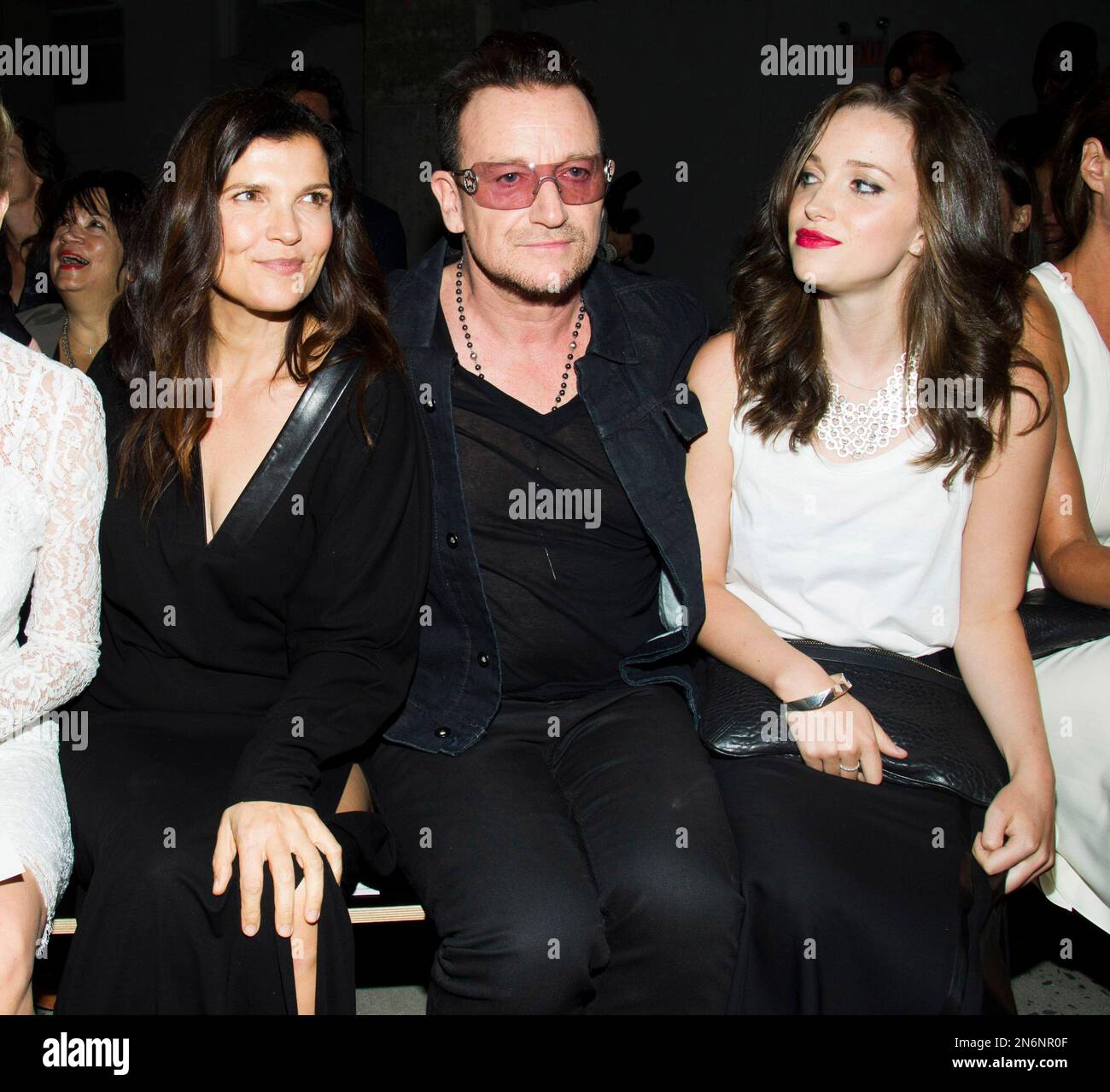
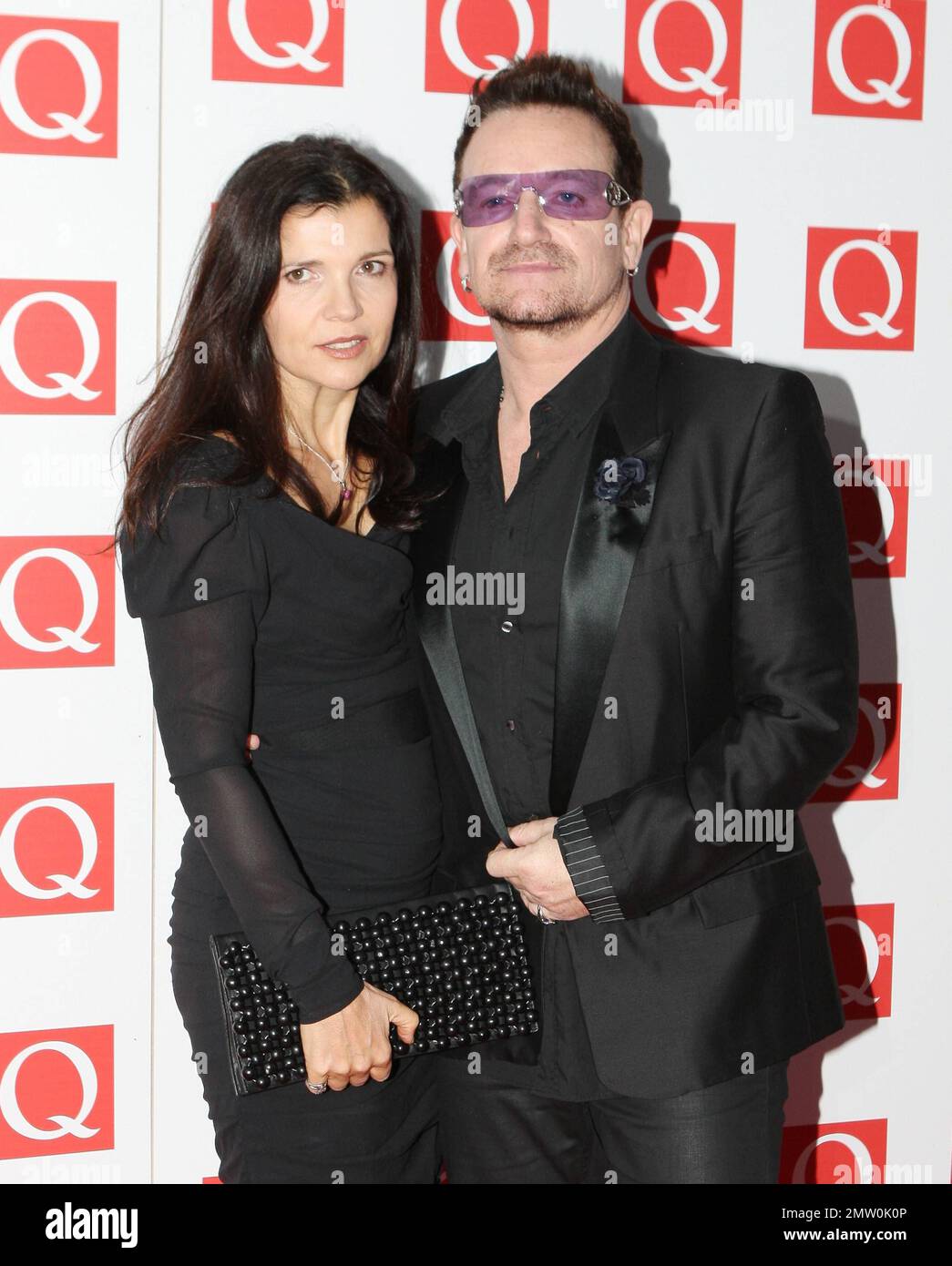
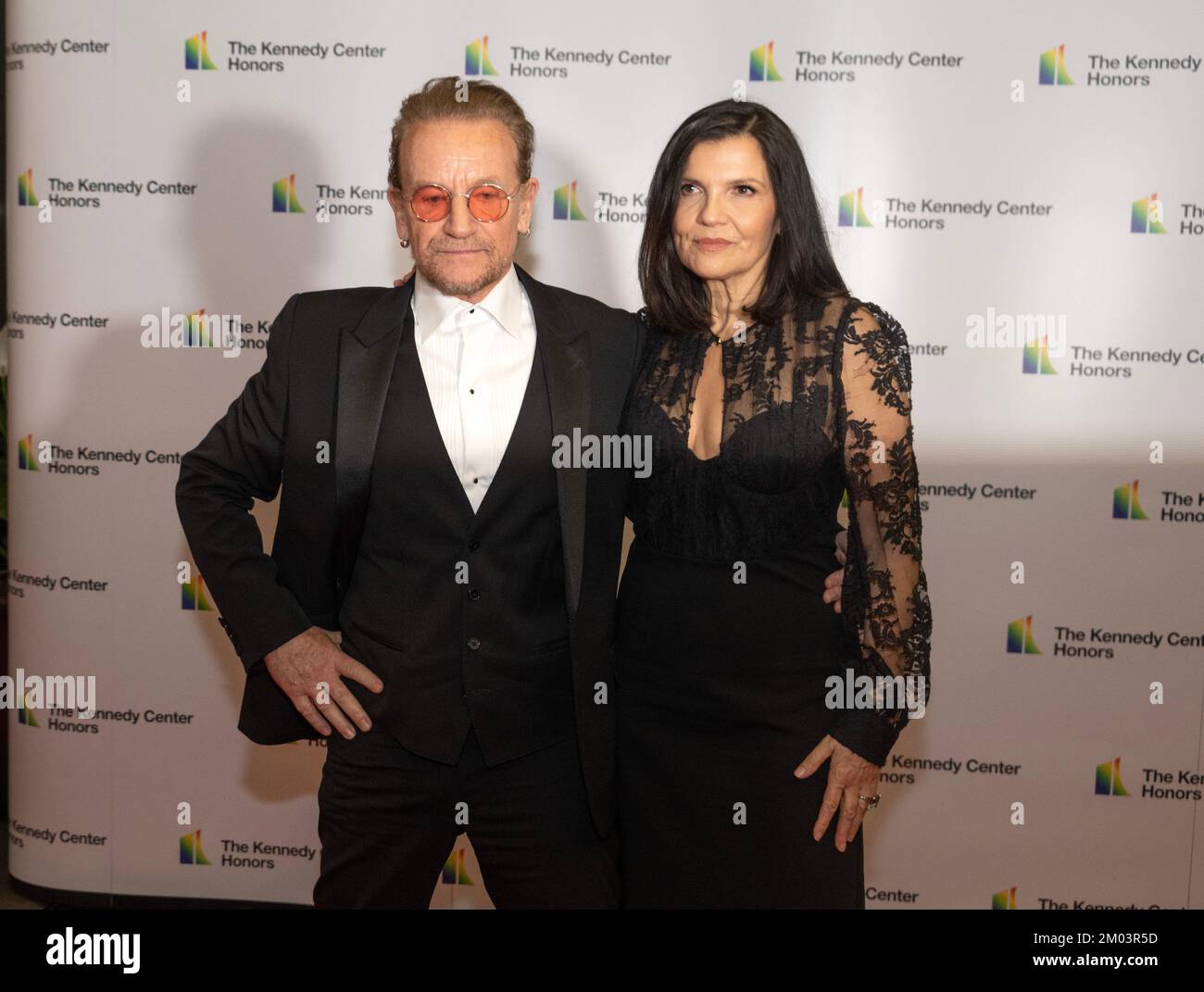
Ali Hewson is a prominent figure known for her longstanding partnership with U2 frontman Bono, as well as her dedicated career as an environmental campaigner and ethical entrepreneur. Beyond her public profile, Hewson has leveraged her platform to drive meaningful change in global nuclear safety, ethical fashion, and human rights advocacy, establishing herself as an independent force in international activism.
Early Life and Partnership with Bono
Born Alison Stewart in Dublin, Ireland, in 1961, Ali Hewson grew up in Raheny and attended Mount Temple Comprehensive School. It was there that she first met Paul Hewson—the man who would later become globally known as the rock icon Bono. The couple’s relationship began during their teenage years, long before the massive success of U2. They married in 1982 at All Saints Church in Raheny, a commitment that has spanned over four decades.
As U2 ascended to international fame throughout the 1980s and 1990s, the couple consciously maintained a private life for themselves and their four children: Jordan, Eve, Elijah, and John. Hewson has often been credited by Bono as the grounding force in his life, providing the stability necessary to navigate the complexities of global stardom. Their partnership is built on shared values, which have heavily influenced their collective and individual efforts in social justice and humanitarian aid.
The Path to Environmental Advocacy
While many public figures in the 1990s focused on generalized charitable giving, Hewson distinguished herself by focusing on complex, systemic environmental issues. Her primary area of concern became the nuclear industry, specifically its impact on the Irish Sea and broader environmental health.
In 1992, Hewson spearheaded a high-profile campaign against the Sellafield nuclear reprocessing plant in Cumbria, England. Her concern was driven by the proximity of the plant to the Irish coast and the potential for radioactive contamination. She famously appeared in a television documentary where she confronted the realities of nuclear waste discharge, effectively bringing a technical, often ignored issue to the forefront of the Irish public consciousness.
Her advocacy was not merely symbolic; she collaborated with organizations such as Greenpeace and engaged with policymakers to demand stricter oversight and transparency. This period solidified her reputation as someone willing to challenge powerful industrial interests in the pursuit of ecological safety.
Ethical Enterprise and Edun
In 2005, Ali Hewson and Bono founded EDUN, an ethical fashion brand. The company was conceived as a business-oriented approach to development, specifically in Africa. The goal was to build a sustainable trade infrastructure by sourcing production within African nations, thereby creating jobs and promoting local industry rather than relying solely on traditional aid models.
Key Principles of EDUN
The venture operated on the premise that global trade could be a force for good. Hewson was deeply involved in the day-to-day operations, focusing on:
- Supply Chain Transparency: Ensuring that workers in factories received fair wages and operated in safe conditions.
- Capacity Building: Investing in local textile and manufacturing plants to increase the long-term economic independence of regions such as Tunisia and Lesotho.
- Economic Empowerment: Challenging the stigma of African manufacturing by proving that high-quality, competitive fashion could be produced ethically on the continent.
While the fashion industry faced significant shifts during the 2010s, with LVMH eventually acquiring a stake and later restructuring the business, the legacy of EDUN remains a case study in early 21st-century social entrepreneurship. It helped shift the conversation toward "conscious consumerism," where buyers began to demand more information about the origins of their apparel.
Environmental Advocacy and Global Campaigns
Hewson’s environmental work has extended to various initiatives involving human rights and the preservation of natural resources. She has worked alongside figures such as Adi Roche to support the Chernobyl Children International (CCI) organization. This collaboration underscores her focus on the long-term, intergenerational impacts of nuclear disasters.
By championing the cause of the victims of the 1986 Chernobyl nuclear accident, Hewson helped keep the reality of nuclear safety risks in the public eye. Her involvement provided both financial support and the media attention necessary to ensure that the children affected by radiation-related illnesses received medical care and respite periods in Ireland.
Table: Key Areas of Ali Hewson’s Advocacy
| Sector | Initiative | Primary Goal |
|---|---|---|
| Nuclear Safety | Sellafield Protests | Stopping radioactive discharge into the Irish Sea. |
| Human Rights | Chernobyl Children Int. | Providing medical aid to victims of the Chernobyl disaster. |
| Ethical Fashion | EDUN | Promoting trade-based economic development in Africa. |
| Consumerism | Conscious Apparel | Encouraging brands to adopt sustainable, fair-labor supply chains. |
Challenges in Modern Advocacy
Advocacy work in the modern era comes with its own set of technical and communicative hurdles. For someone like Hewson, the challenge lies in maintaining the visibility of issues that often feel "slow-moving" or geographically distant to the general public.
- Sustainability vs. Fast Fashion: The retail industry has seen a massive move toward rapid production cycles, which often contradicts the ethos of slow, ethical fashion. Hewson’s work highlights the tension between consumer demand for cheap, quick products and the hidden costs of human labor and carbon footprints.
- Nuclear Legacy: Despite the push toward renewable energy, the nuclear industry remains a subject of intense debate. Advocates must balance the need for low-carbon energy against the catastrophic potential of waste mismanagement or reactor failures.
- The "Celebrity-Activist" Stigma: Public figures often face skepticism when entering the business world. Hewson’s strategy has consistently been to ground her efforts in long-term partnerships and expert-led initiatives rather than short-term publicity stunts.
Practical Steps for Ethical Engagement
Readers looking to follow the model established by advocates like Hewson can take several concrete steps toward environmental and social responsibility:
- Audit Personal Consumption: Research the brands you support. Look for certifications like Fair Trade, GOTS (Global Organic Textile Standard), or B Corp status.
- Support Grassroots Organizations: Rather than focusing solely on global mega-charities, identify local environmental groups that track regional water quality or local waste management issues.
- Understand the Lifecycle of Products: Before purchasing, consider where an item was made and the materials used. Opting for durability over convenience is the cornerstone of the ethical fashion movement.
- Engage with Policy: Advocacy is most effective when it reaches legislators. Supporting environmental policies that demand transparency in industrial waste reporting is a direct way to influence systemic change.
Frequently Asked Questions
1. Is Ali Hewson still involved in the fashion industry? While EDUN underwent significant changes and eventually ceased its primary retail operations in the late 2010s, the experience served as a foundation for Hewson's ongoing commitment to ethical trade. She continues to support initiatives that focus on sustainability and human rights in the manufacturing sector.
2. How did Ali Hewson first become known for her environmental work? She gained significant public recognition in the early 1990s through her vocal and highly visible campaign against the Sellafield nuclear plant. Her work involved investigative reporting and lobbying, which successfully pushed the issue of nuclear waste into mainstream Irish and British political discourse.
3. What is her connection to Chernobyl Children International? Hewson has been a long-time patron and active supporter of Chernobyl Children International. She has used her platform to raise funds and awareness for the charity, which provides humanitarian aid and medical support to children who continue to suffer the health consequences of the 1986 disaster.
4. Why did she choose Africa as the focus for her fashion brand? The choice was intentional and rooted in the idea that Africa was frequently misrepresented as a destination only for aid, rather than a partner for trade. By establishing manufacturing hubs in African nations, Hewson and her partners aimed to prove that the continent could be a hub for high-quality, ethical, and competitive global manufacturing.
5. How has her partnership with Bono influenced her activism? Bono and Ali Hewson have frequently synchronized their efforts, particularly regarding humanitarian issues in Africa. However, their roles often differ; Bono often engages in high-level political lobbying, while Hewson has historically been more focused on tangible, community-level environmental and social projects that require direct oversight and sustained dedication.
Recommendation for Further Research
Those interested in the intersection of environmental policy and public activism should look into the annual reports published by organizations like the World Nuclear Association alongside reports from independent environmental monitors such as Greenpeace. Comparing the industry's stated safety metrics with the critical data provided by NGOs offers a clear, balanced view of the complexities Ali Hewson has navigated throughout her career.
For individuals looking to align their lifestyle with the values of ethical stewardship, start by reviewing the transparency reports of the clothing brands you frequent. Transparency is the first step toward accountability, and as demonstrated by the work of advocates like Hewson, informed consumer behavior remains a powerful tool for systemic change.