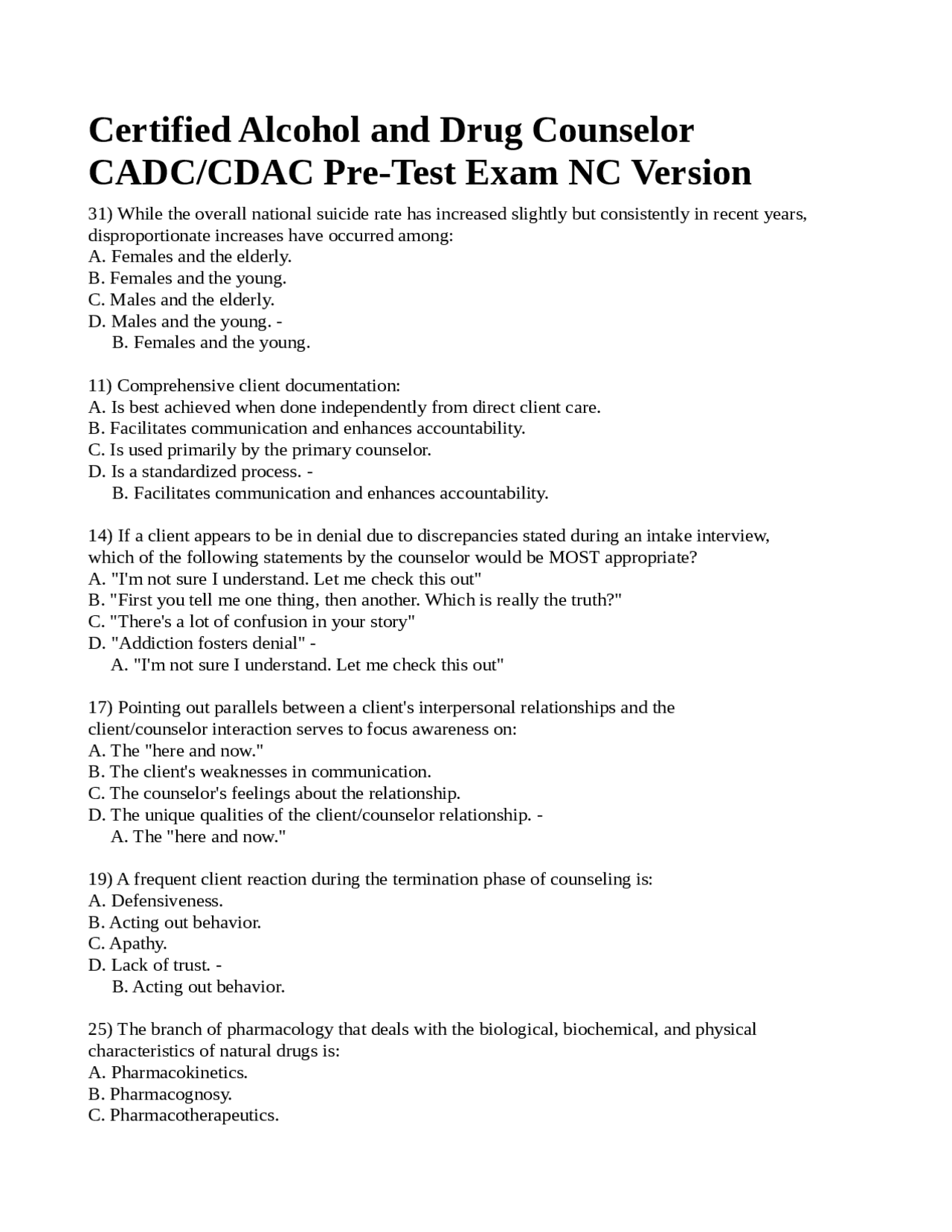
To become an alcohol and drug counselor, requirements typically involve completing a specific educational pathway ranging from a high school diploma for entry-level roles to a Master’s degree for clinical licensure. Most states require specialized coursework in addiction, 2,000 to 6,000 hours of supervised clinical experience, and a passing score on a national certification exam.
The landscape of behavioral health has evolved significantly leading into 2026, with an increased emphasis on integrated care and evidence-based practices. Alcohol and drug counseling—often referred to as substance use disorder (SUD) counseling—is a regulated profession that requires a combination of formal education, practical experience, and standardized testing. Because regulations are governed at the state level in the United States (and by provincial or national bodies elsewhere), the specific "degree requirements" can vary based on the level of responsibility you wish to assume.
Determining Your Educational Path: From Certificate to Master’s Degree
The first step in understanding alcohol and drug counseling degree requirements is identifying the level of practice you intend to reach. Unlike many other professions where a single degree type is the universal entry point, the addiction field offers multiple tiers of entry. This "tiered" system allows individuals to begin working in the field while simultaneously pursuing higher education.
Associate Degree and Certificate Programs
For many entry-level positions, such as a Certified Alcohol and Drug Counselor (CADC) I or an equivalent technician role, an Associate degree or a post-secondary certificate is the baseline. These programs generally focus on the fundamental "12 Core Functions" of counseling, which include screening, intake, orientation, assessment, treatment planning, counseling, case management, crisis intervention, client education, referral, report and record-keeping, and consultation.
An Associate degree in human services or addiction studies typically takes two years to complete. During this time, students are introduced to the physiological effects of substances and basic interview techniques. While this degree allows you to enter the workforce, your scope of practice is often limited to co-facilitating groups or working under strict supervision.
Bachelor’s Degree in Addiction Studies or Counseling
A Bachelor’s degree is increasingly becoming the standard for mid-level certification. Many state boards require a Bachelor’s degree in a behavioral science field (psychology, social work, or specialized addiction studies) to move beyond apprentice-level roles. At this level, the curriculum expands to include more robust theories of counseling, research methods, and a deeper look at the sociology of addiction.
Bachelor-level counselors often have more autonomy than those with an Associate degree. They may be responsible for managing their own caseloads and conducting individual therapy sessions. However, in many jurisdictions, they still cannot practice independently or bill private insurance directly without a higher-level supervisor.
Master’s Degree and Clinical Licensure
As of 2026, the push toward professionalizing the field has led to a surge in Master’s degree requirements for "Licensed" status (such as an LCADC or LADC). A Master’s degree in Clinical Mental Health Counseling, Marriage and Family Therapy, or Social Work—with a concentration in substance use—is required if you wish to open a private practice or diagnose co-occurring mental health disorders.
The Master’s level education involves advanced training in psychopharmacology, clinical assessment, and advanced therapeutic modalities like Cognitive Behavioral Therapy (CBT) and Dialectical Behavior Therapy (DBT). This degree level typically requires 60 credits of graduate-level work and is the gateway to becoming a fully independent practitioner.
Core Curriculum and Essential Coursework
Regardless of the degree level, state licensing boards and accrediting bodies like the National Addiction Studies Accreditation Council (NASAC) or CACREP (Council for Accreditation of Counseling and Related Educational Programs) require specific "area of study" clusters. You cannot simply have a general degree; your transcript must reflect specialized training in addiction.
Physiology and Pharmacology of Addiction
Students must understand how various substances—alcohol, opioids, stimulants, and sedatives—interact with the human brain and body. This coursework covers the mechanics of dopamine release, the long-term neurological changes caused by chronic use, and the medical aspects of withdrawal and detoxification. In 2026, there is a heavy emphasis on Medication-Assisted Treatment (MAT) education, ensuring counselors understand how drugs like buprenorphine or naltrexone support recovery.
Counseling Theories and Techniques
This requirement focuses on the "how" of therapy. Students study various models, including the Disease Model, the Biopsychosocial Model, and the Transtheoretical Model (Stages of Change). Practical training usually involves role-playing and video-recorded sessions to refine skills in active listening, empathy building, and Motivational Interviewing (MI).
Ethics and Professional Responsibility
The addiction field carries unique ethical challenges, particularly regarding confidentiality (governed by 42 CFR Part 2 in the U.S.) and professional boundaries. Coursework in ethics covers the legal requirements of reporting, the prevention of dual relationships, and the counselor's responsibility to remain culturally competent. Ethics training is not just a degree requirement; it is a recurring requirement for every recertification cycle.
Supervised Clinical Experience Requirements
A degree alone does not grant a license to practice. The "practical" component of alcohol and drug counseling degree requirements is often the most time-consuming phase of the journey. This experience is usually divided into two parts: the practicum/internship during school and the post-graduate supervised hours.
The Educational Practicum
Most accredited degree programs include a mandatory practicum or internship. For an Associate or Bachelor’s degree, this might be 300 to 600 hours of onsite work at a treatment facility. During this time, students shadow experienced counselors and eventually take on minor tasks under direct observation. This phase is critical because it allows the student to apply classroom theory to real-world crises.
Post-Graduate Supervised Hours
Once the degree is earned, candidates enter a period of "residency" or supervised work. Depending on the state and the level of certification sought, this can range from 2,000 hours (roughly one year of full-time work) to 6,000 hours (three years).
- Direct Counseling Hours: A certain percentage of these hours must involve "face-to-face" counseling with clients.
- Supervision Ratio: Regulations often dictate that for every 20 or 40 hours of work, the candidate must meet for one hour of direct supervision with a board-approved supervisor to review cases and ethical dilemmas.
National Certification and Examination Standards
After meeting the educational and experiential requirements, candidates must pass a standardized exam. There are two primary bodies that administer these tests in the United States and internationally: IC&RC (International Certification & Reciprocity Consortium) and NAADAC (The Association for Addiction Professionals).
IC&RC Examinations
The IC&RC offers several levels of testing, most notably the Alcohol and Drug Counselor (ADC) and the Advanced Alcohol and Drug Counselor (AADC) exams. These exams are psychometrically designed to test a candidate's knowledge of the 12 Core Functions and the current DSM-5-TR (Diagnostic and Statistical Manual of Mental Disorders) criteria.
NAADAC/NCC AP Examinations
NAADAC offers the NCAC I, NCAC II, and the MAC (Master Addiction Counselor) credentials. The requirements for these exams correlate with your education level. For instance, the MAC exam is specifically designed for those who hold a Master's degree and have significant experience in the field.
| Requirement Tier | Typical Education | Supervised Hours | Key Examination |
|---|---|---|---|
| Entry Level (CADC I) | Certificate / Associate | 1,000 - 2,000 | IC&RC ADC or equivalent |
| Mid-Level (CADC II/III) | Bachelor's Degree | 4,000 - 6,000 | IC&RC ADC / NCAC II |
| Clinical Level (LCADC/MAC) | Master's Degree | 2,000 (Post-Grad) | IC&RC AADC / MAC |
The Role of Accreditation and Reciprocity
When selecting a degree program, it is vital to ensure the institution is regionally accredited and, ideally, that the specific program is recognized by your state’s licensing board. The Council for Accreditation of Counseling and Related Educational Programs (CACREP) is the gold standard for Master’s level counseling programs. Attending a non-accredited program may result in the state board rejecting your application for licensure, forcing you to take additional remedial courses.
Reciprocity is another critical factor. If you earn your degree and certification in one state but plan to move in the future, you should look for "Reciprocity" status through the IC&RC. This allows your credentials to be transferred across state lines and even to some international jurisdictions without having to redo your entire educational or supervised hour requirement.
Financial Considerations and Career Outlook in 2026
Pursuing a degree in alcohol and drug counseling involves significant financial and time investments. In 2026, the average cost for a specialized Bachelor's program ranges from $30,000 to $60,000, while Master's programs can exceed $80,000 depending on the institution. However, many state and federal programs, such as the Health Resources & Services Administration (HRSA) Behavioral Health Workforce Education and Training (BHWET) program, offer grants and loan repayment options for students who commit to working in underserved areas.
The demand for substance use disorder counselors remains at historic highs. The Bureau of Labor Statistics continues to project growth in this sector that far outpaces the average for all occupations. This growth is driven by the ongoing opioid crisis, the expansion of mental health parity laws, and the increasing integration of behavioral health into primary care settings.
Common Obstacles and How to Avoid Them
The path to satisfying alcohol and drug counseling degree requirements is often hindered by administrative errors. One common mistake is failing to document supervised hours properly. State boards usually require specific logs signed by a supervisor with a valid, active license. If your supervisor’s license expires during your supervision, those hours may be voided.
Another hurdle is the "background check" requirement. Because counselors work with vulnerable populations, most states require a criminal background check. While a past history of substance use or a criminal record is not always an automatic disqualification—and in many cases, lived experience is valued—certain violent felonies or recent offenses can prevent licensure. It is essential to check your state’s specific "moral character" or "background" statutes before investing in a multi-year degree.
Frequently Asked Questions
Can I become a drug counselor with just a high school diploma?
In some states, you can obtain an entry-level "Registered" or "Trainee" status with a high school diploma or GED. This allows you to work in a facility while you earn your formal education. However, you will be limited in your duties and must be under constant supervision. To advance to a professional "Certified" or "Licensed" level, higher education is almost always required as of 2026.
What is the difference between a CADC and an LADC?
A CADC (Certified Alcohol and Drug Counselor) is typically a certification that validates your competency through experience and specific coursework, often at the Associate or Bachelor's level. An LADC (Licensed Alcohol and Drug Counselor) or LCADC (Licensed Clinical Alcohol and Drug Counselor) is a state-issued license, usually requiring a Master’s degree, which grants the authority to practice independently and diagnose disorders.
Are online degrees for drug counseling valid for licensure?
Yes, online degrees are generally accepted as long as the institution is regionally accredited and the program meets the specific credit-hour requirements of your state board. When choosing an online program, ensure it includes a process for helping you secure a local "practicum" site, as the hands-on clinical hours cannot be completed virtually.
Does "Lived Experience" count toward degree requirements?
While "lived experience" (being in personal recovery) is highly respected in the field, it does not replace formal degree requirements. However, some states allow "Peer Recovery Support Specialist" certifications which rely heavily on lived experience. For professional counseling tracks, your personal history may help in interviews and clinical rapport, but you must still complete the academic and supervised hour mandates.
How long does it take to complete all requirements?
If starting from scratch, an Associate-level certification takes about 2 to 3 years. A full professional licensure (Master’s level) typically takes 6 to 8 years: 4 years for a Bachelor’s, 2 years for a Master’s, and 2 years of post-graduate supervised experience.
Practical Next Steps for Prospective Counselors
If you are ready to begin the process, your first action should be to visit the website of your state’s behavioral health or substance abuse licensing board. This board will provide a "Standard of Practice" or a "Certification Manual" that lists the exact number of hours and specific course titles required in your jurisdiction.
After identifying your state’s requirements, look for a program accredited by NASAC or CACREP. Reach out to the program coordinator to ask about their "practicum placement" success rates. Once enrolled, start a "supervision log" immediately upon beginning any clinical work. Maintaining meticulous records of your education and hours from day one will prevent significant delays when it comes time to sit for your final examination and apply for your professional license.