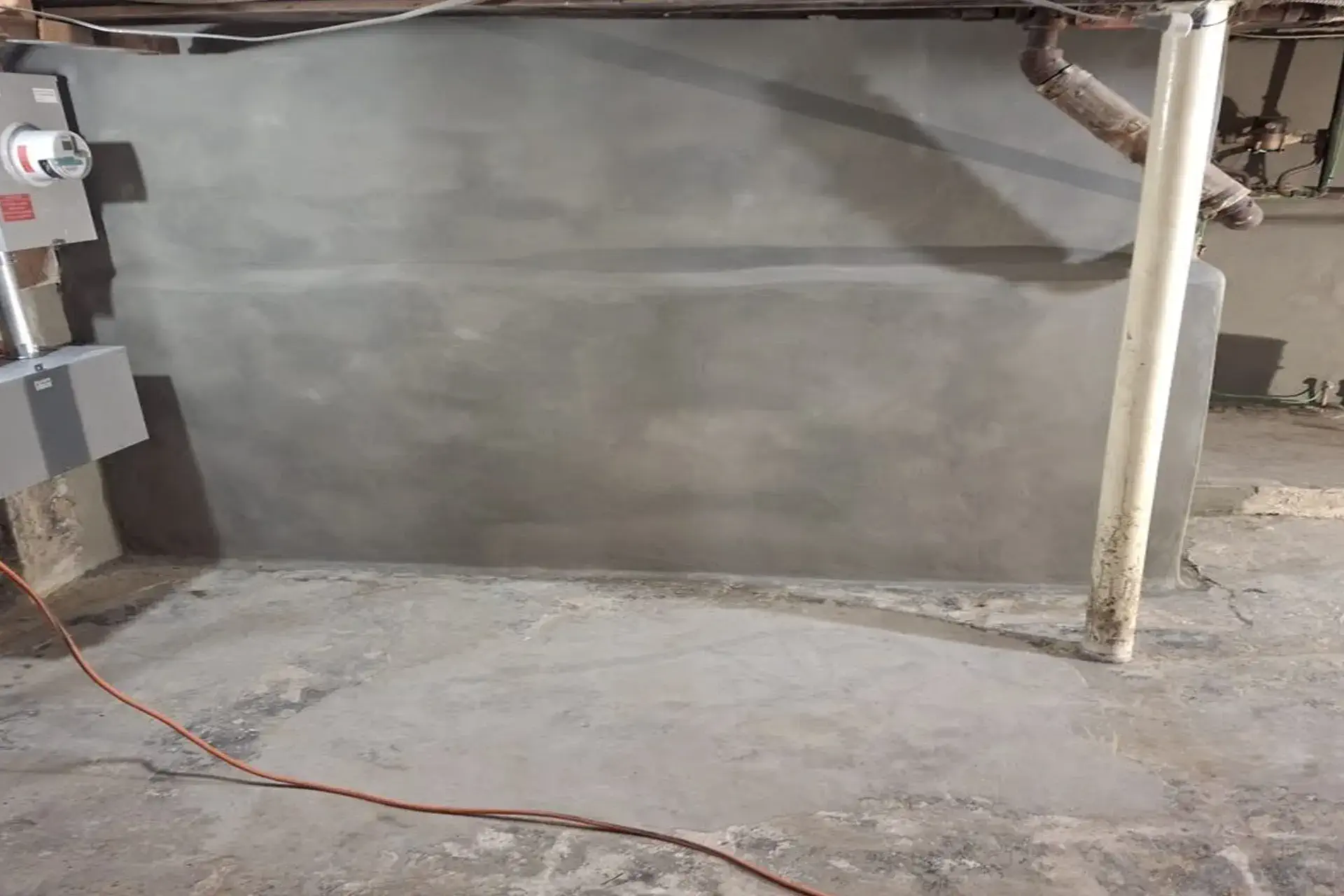
Alchemco provides advanced biochemical waterproofing and concrete preservation systems designed for long-term structural remediation. Unlike surface-level coatings, these solutions penetrate deep into the concrete matrix to seal cracks and prevent moisture ingress. By utilizing self-healing technology, Alchemco’s systems restore the integrity of foundations and infrastructure, significantly extending the service life of concrete assets.
The Alchemco Approach to Concrete Preservation
As of 2026, Alchemco remains a global leader in the field of biochemical concrete waterproofing. The primary challenge in foundation repair and structural remediation is the porous nature of concrete. Standard concrete, while appearing solid, is filled with microscopic capillaries and pores that allow water, salts, and chemicals to penetrate. This leads to rebar corrosion, freeze-thaw damage, and eventually, structural failure.
Alchemco’s methodology differs fundamentally from traditional "barrier" methods. Traditional remediation often involves applying a membrane to the exterior of the concrete. While effective initially, these membranes are prone to puncture, UV degradation, and adhesive failure over time. Alchemco’s systems, particularly the TechCrete 2500 line, use a modified silicate biochemical reaction. When applied to the concrete surface, the solution penetrates deep into the substrate, reacting with the calcium hydroxide and moisture to form a non-hydrated silicate gel. This gel fills the pores and cracks, becoming an integral part of the concrete structure rather than a separate layer.
This "inside-out" protection is critical for structural remediation. Because the waterproofing agent lives within the concrete matrix, it cannot be scratched off, delaminated, or worn away by traffic. For foundation repair, this means the protection remains active even if the exterior soil conditions change or if the building experiences minor settling.
Core Technologies in Structural Remediation
Structural remediation is not a one-size-fits-all process. Alchemco has developed specialized systems to address different types of degradation. Understanding these technologies is essential for selecting the right service path for a specific project.
TechCrete 2500 Waterproofing System
This is the flagship product for most foundation and structural repairs. Its most notable feature is its self-healing capability. In a remediation context, if a new hairline crack forms due to thermal expansion or structural shifts, the biochemical gel within the concrete reacts with incoming moisture to seal the crack automatically. This eliminates the need for repeated injections or topical repairs for cracks up to a specific width (typically up to 2.0mm in certain applications).
BridgeDeck and Infrastructure Solutions
For heavy-duty structural remediation, such as parking garages, bridges, and dams, Alchemco utilizes systems designed to withstand high chloride environments. These areas are often subject to de-icing salts, which accelerate the corrosion of internal steel reinforcement (rebar). The remediation process here focuses on "stopping the clock" on corrosion by preventing the chloride ions from reaching the steel, while allowing the concrete to "breathe"—permitting internal vapor to escape without allowing liquid water to enter.
ACR (Alchemco Concrete Restoration) Product Line
Remediation often requires more than just waterproofing; it requires physical rebuilding. The ACR line includes high-strength repair mortars, crystalline powders, and specialized cleaners. These are used to patch spalled concrete, fill deep voids, and prepare the surface for the final biochemical treatment.
The Foundation Repair Process
When addressing foundation issues—whether in a residential basement or a massive commercial sub-structure—the Alchemco service process follows a strict technical protocol to ensure long-term efficacy.
- Structural Assessment and Surface Preparation: The remediation begins with a thorough inspection of the concrete’s current state. Any existing coatings, sealers, or contaminants (like oil or grease) must be removed. This is often done via high-pressure water blasting or mechanical grinding. For Alchemco products to penetrate, the "pores" of the concrete must be open.
- Crack Treatment: While the system is self-healing for future cracks, existing structural cracks (typically those wider than 0.3mm) are often pre-treated. This may involve chasing the crack and filling it with an Alchemco-approved repair mortar or using a localized application of the biochemical solution to ensure deep saturation.
- Application of the Biochemical Solution: The solution is applied to the concrete, usually via low-pressure spray. Unlike paint, the goal is not "coverage" in the aesthetic sense, but "saturation." The concrete is treated until it can no longer absorb the liquid.
- Curing and Hydration: A unique aspect of the Alchemco process is the requirement for water-curing. To "activate" the biochemical reaction, the treated surface is typically misted with water over a period of 24 to 72 hours. This water draws the chemicals deeper into the concrete and initiates the gel-forming process.
- Final Inspection: Once the reaction has stabilized, the concrete is inspected for any remaining leakage. In deep foundation repairs, this might involve monitoring for dampness during the next rain event or hydrostatic pressure test.
Technical Specifications and Performance Data
For engineers and facility managers, the decision to use Alchemco for structural remediation is often driven by performance metrics. The following table compares Alchemco’s biochemical systems against traditional remediation methods (such as bituminous membranes or crystalline topical coatings) based on 2026 industry standards.
| Feature | Alchemco Biochemical System | Traditional Bituminous Membrane | Crystalline Topical Coating |
|---|---|---|---|
| Application Depth | Deep penetration (up to 20mm+) | Surface layer only | Shallow penetration |
| Self-Healing | Active for life of concrete | None | Limited (requires moisture) |
| Traffic Resistance | Extremely High (internal) | Low (requires protection board) | Moderate |
| UV Sensitivity | None | High (degrades over time) | Low |
| Vapor Permeability | Breathable | Non-breathable (traps vapor) | Breathable |
| Typical Warranty | 15–30 Years | 5–10 Years | 10 Years |
Advantages of Biochemical Structural Remediation
The transition toward biochemical solutions in 2026 is fueled by several distinct advantages that address the limitations of 20th-century repair methods.
Environmental Impact and Safety Alchemco products are generally low-VOC (Volatile Organic Compounds) and are often safe for use in structures containing potable water. In structural remediation, this is a significant benefit, as it allows for repairs in confined spaces (like basements or water tanks) without the toxic fumes associated with solvent-based epoxies or urethanes.
Reduced Long-term Maintenance The "apply and forget" nature of the TechCrete system is its most compelling economic argument. Because the system is self-healing, the lifecycle cost of the structure is drastically reduced. Facility managers do not need to budget for the stripping and re-application of membranes every decade.
Structural Stabilization By preventing water from reaching the rebar, Alchemco services stop the expansion of rusting steel. When steel rusts, it expands up to seven times its original volume, which causes the surrounding concrete to crack and "spall." By arresting this corrosion process, Alchemco provides a form of chemical stabilization that keeps the structure sound.
The Role of Certified Applicators
It is important to note that Alchemco foundation repair and structural remediation services are typically delivered through a network of Certified Applicators. The company does not simply sell "product in a bucket" to the general public for major structural work.
Certification ensures that the contractor understands the nuances of concrete chemistry, moisture content, and application timing. For a 20- or 30-year manufacturer warranty to be valid, the application must be documented and performed according to Alchemco’s "Qualified Partner" standards. This provides the property owner with a double layer of protection: a high-performance product and a verified installation process.
Common Remediation Scenarios in 2026
- Parking Decks: Remediation of older decks where salt has caused significant rebar "cancer." The Alchemco system is used to seal the deck without adding the weight of a thick asphalt overlay.
- Basement Foundations: Fixing "weeping" walls from the inside. While exterior application is preferred, Alchemco’s ability to work with negative-side pressure (water pushing from the outside in) makes it a versatile tool for existing home repairs.
- Marine Structures: Protecting piers and seawalls from the constant assault of saltwater. The biochemical gel is uniquely suited to handle the constant wet/dry cycles of tidal zones.
Troubleshooting and Limitations
While Alchemco’s systems are highly effective, they are not a "magic bullet" for every structural failure. It is vital to understand the limitations:
- Moving Cracks: The system is designed for "static" or "shrinkage" cracks. If a foundation is actively sinking due to soil failure, biochemical waterproofing will not stop the movement. Structural underpinning (like piers or piles) must be performed first to stabilize the building before the waterproofing service can be effective.
- Contaminated Concrete: If concrete is saturated with oil or certain acids, the biochemical reaction may be inhibited. Proper cleaning and neutralizing are mandatory prerequisites.
- Non-Concrete Materials: These services are specifically for cementitious materials. They will not work on wood, plastic, or high-gloss metal surfaces.
Frequently Asked Questions
Can Alchemco products be used on existing concrete, or only new builds?
Alchemco services are primarily focused on the remediation of existing concrete. While they are used in new construction to prevent future issues, the technology is specifically engineered to penetrate and seal older, weathered concrete that has developed porosity and micro-cracking over time.
How does the "self-healing" feature actually work?
The biochemical solution remains dormant within the concrete after the initial application. If a new crack forms and water enters, the moisture reacts with the stored chemicals to create a new silicate gel. This gel expands to fill the void, effectively "plugging" the leak without human intervention.
Is the treatment permanent?
For most practical purposes, yes. Because the treatment becomes a physical part of the concrete matrix rather than a coating, it does not "wear out." As long as the concrete structure itself remains intact, the biochemical protection remains active. Most certified applications come with warranties ranging from 15 to 30 years, depending on the specific system used.
Does this help with radon gas in foundations?
While Alchemco is primarily a waterproofing and structural remediation system, sealing the pores and cracks in a foundation can significantly reduce the pathways through which radon gas enters a building. However, it should be used in conjunction with a dedicated radon mitigation system if high levels are present.
How long does the remediation process take?
The application itself is relatively fast, but the preparation and curing are the most time-intensive parts. A typical commercial foundation project might take 3 to 7 days to complete, including surface cleaning, application, and the mandatory water-curing phases.
Final Recommendation
For those managing aging infrastructure or residential properties with persistent foundation issues, Alchemco structural remediation offers a technologically superior alternative to traditional membranes. The primary value lies in the self-healing properties and the deep penetration of the biochemical gel, which addresses the root cause of concrete decay rather than merely masking the symptoms.
Prior to proceeding, ensure a professional structural audit is conducted to confirm that the building is stable. Once stability is verified, engaging an Alchemco Certified Applicator to apply a system like TechCrete 2500 is one of the most effective ways to ensure the longevity and safety of the concrete structure for decades to come.