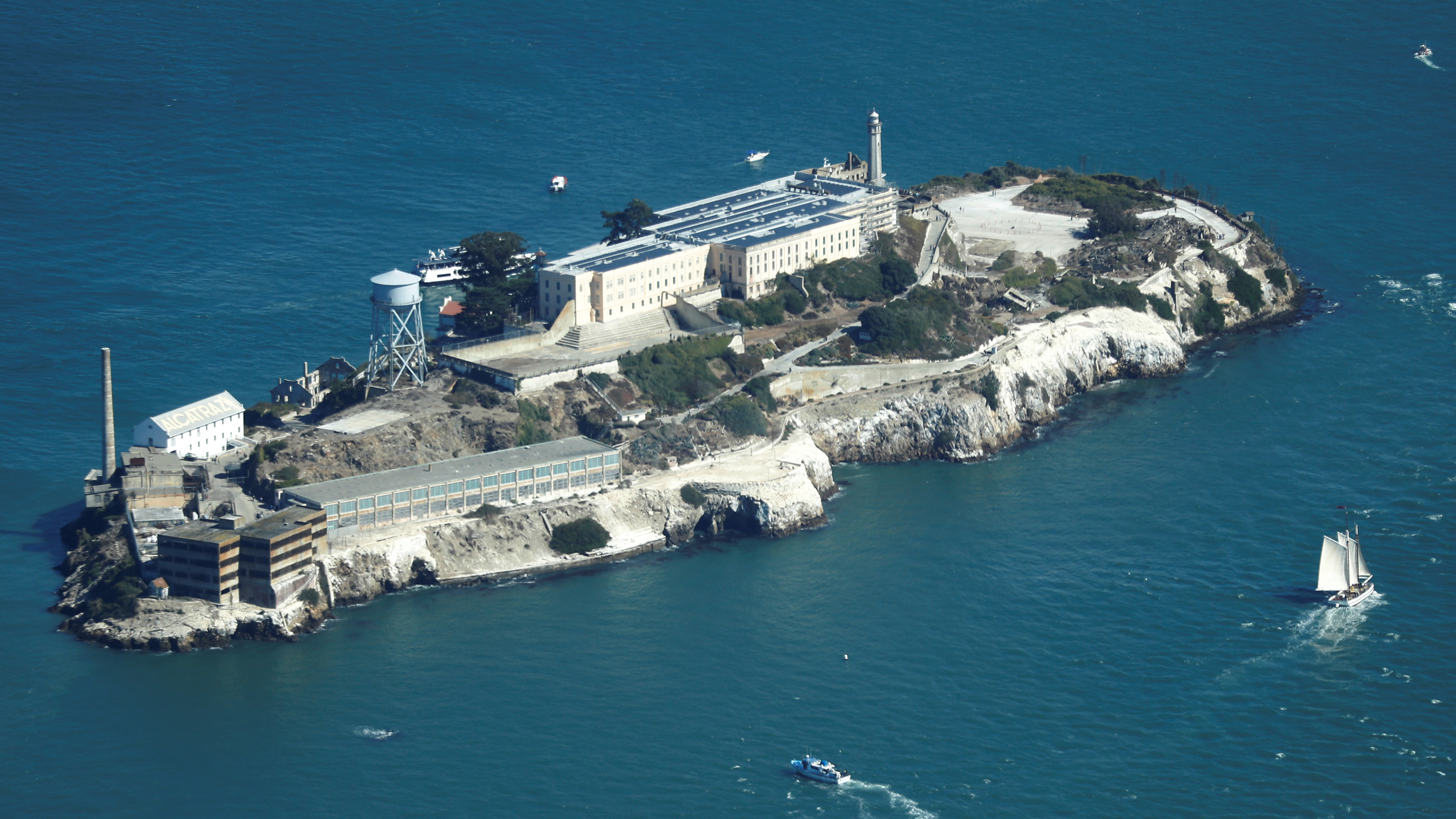
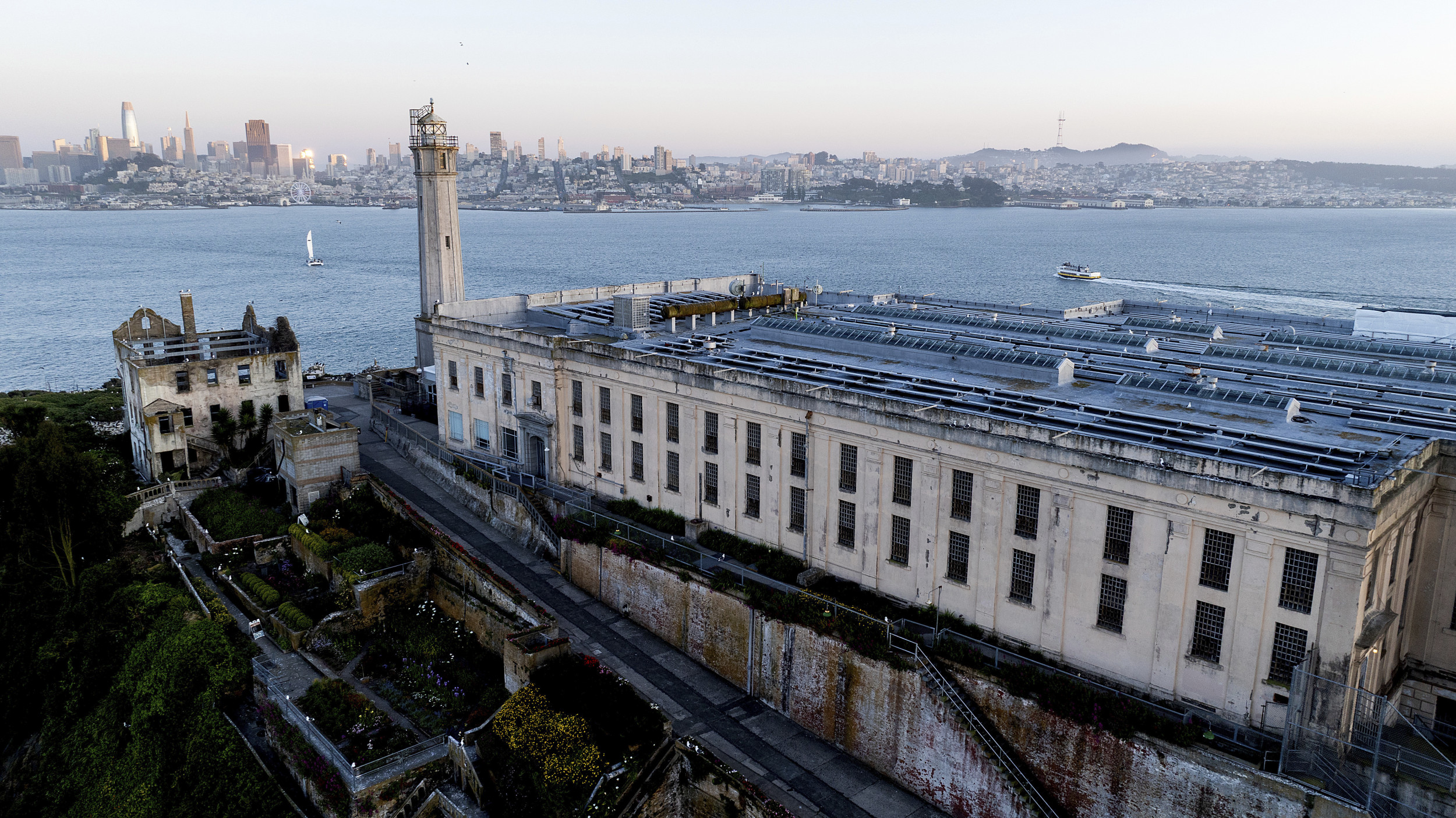
Alcatraz Federal Penitentiary officially ceased operations on March 21, 1963, primarily due to its exorbitant operating costs and the rapid deterioration of its structures caused by the salt-saturated maritime environment. Today, the island is no longer a site of incarceration but a protected historic landmark managed by the National Park Service.
The Factors Behind the 1963 Closure
The decision to close Alcatraz was not the result of a single event but rather a combination of economic, structural, and logistical pressures that became unsustainable by the early 1960s. At the time of its closure, the facility had been in operation as a federal prison for 29 years, housing some of the most notorious criminals in American history, including Al Capone and Robert Stroud, the "Birdman of Alcatraz."
Prohibitive Operating Costs
From a purely financial perspective, Alcatraz was the most expensive prison in the United States federal system. Because the island had no natural source of fresh water, every drop of water used by inmates and staff—roughly one million gallons per week—had to be barged to the island from the mainland. This logistical requirement applied to everything else as well: food, fuel, medical supplies, and construction materials.
In 1963, the daily cost of housing an inmate at Alcatraz was approximately $10.10. While this may seem low by 2026 standards, it was nearly triple the $3.00 per day required to house an inmate at the United States Penitentiary in Leavenworth, Kansas. Attorney General Robert F. Kennedy ultimately determined that the federal budget could no longer justify the premium required to maintain a single isolated facility in San Francisco Bay.
Structural Decay and Environmental Erosion
The very thing that made Alcatraz a formidable prison—its location in the middle of a cold, salt-sprayed bay—was also its undoing. The salt air and moisture caused severe corrosion of the steel bars and catastrophic "spalling" of the concrete. Spalling occurs when the internal steel reinforcement (rebar) within concrete rusts and expands, causing the exterior concrete to crack and flake away.
By the early 1960s, the cell houses were literally crumbling. The cost of a full-scale renovation was estimated at roughly $3 million to $5 million at the time, an investment the Department of Justice was unwilling to make for a facility with such limited capacity.
The Impact of the 1962 Great Escape
While the official reasons for closure were economic and structural, the legendary escape of June 1962 certainly accelerated the timeline. Frank Morris and the Anglin brothers (John and Clarence) managed to burrow through the deteriorating concrete around their ventilation ducts and disappear into the bay.
The escape shattered the myth that Alcatraz was "escape-proof." For decades, the Bureau of Prisons had maintained that the combination of reinforced concrete, iron discipline, and the freezing, shark-infested waters made exit impossible. When three men proved that the building’s physical decay could be exploited, the prison’s reputation as the ultimate "end-of-the-line" facility was permanently tarnished.
Transition from Penitentiary to National Landmark
Following the departure of the last 27 inmates in March 1963, the island entered a period of uncertainty. Several proposals were floated for the site, including a West Coast Version of the Statue of Liberty, a high-end resort, and a space museum. However, the most significant post-prison event was the Occupation of Alcatraz.
The Indian of All Tribes Occupation (1969–1971)
In November 1969, a group of Native American activists known as the Indians of All Tribes occupied the island. They cited the Treaty of Fort Laramie (1868), which stated that all abandoned or out-of-use federal land should be returned to the Native people from whom it was taken. The occupation lasted 19 months and drew international attention to indigenous rights. Although the activists were eventually removed by federal marshals in 1971, their presence fundamentally changed the island’s trajectory, ensuring it would become a site of cultural and historical significance rather than commercial development.
Incorporation into the National Park Service
In 1972, Congress created the Golden Gate National Recreation Area (GGNRA), and Alcatraz was included as a primary feature. It opened to the public in 1973. Since then, the National Park Service (NPS) has focused on "arrested decay"—a preservation strategy that stops further deterioration without necessarily restoring every building to its brand-new 1934 condition.
Navigating Alcatraz in 2026: Visitor Requirements
As of 2026, Alcatraz remains one of the most popular historic sites in the United States. Due to the island's limited capacity and the high volume of interest, visiting requires careful planning and adherence to specific logistics.
Booking and Transportation
The only way to legally access the island is through the official ferry concessionaire, Alcatraz City Cruises. Ferries depart from Pier 33 Alcatraz Landing in San Francisco. It is highly recommended to book tickets at least 3 to 8 weeks in advance, especially during the peak summer and holiday seasons.
| Tour Type | Focus Area | Average Duration | Key Features |
|---|---|---|---|
| Day Tour | General History | 2.5 – 3 Hours | Cellhouse audio tour, garden access, bird watching. |
| Night Tour | Atmosphere & Programs | 3 Hours | Smaller crowds, unique evening views, special historian talks. |
| Behind the Scenes | Hidden Infrastructure | 4.5 Hours | Access to the hospital, industry buildings, and hidden tunnels. |
| Alcatraz & Angel Island | Regional History | 5.5 Hours | Combined trip including the "Ellis Island of the West." |
Physical Requirements and Accessibility
Visitors should be prepared for a strenuous experience. The walk from the ferry dock to the Cellhouse is roughly 0.25 miles (0.4 km) with an elevation gain of 130 feet (40 meters). This is equivalent to climbing a 13-story building.
For those with mobility issues, the S.E.A.T. (Sustainable Easy Access Transport) tram is available. This electric shuttle runs on a scheduled basis to transport visitors who are unable to make the climb from the dock to the Cellhouse.
Current Preservation Challenges in 2026
Preserving a 22-acre island in the middle of a saltwater bay is an ongoing battle. In 2026, the National Park Service continues to manage several critical projects:
- Seismic Retrofitting: The San Francisco Bay Area is a high-activity earthquake zone. Engineers have worked extensively to reinforce the Cellhouse and the Warden's House to prevent collapse during a major tremor.
- Wildlife Protection: The island is a major nesting site for colonial waterbirds, including Western Gulls, Black-crowned Night Herons, and Snowy Egrets. Preservation efforts often require closing certain parts of the island during nesting season (February through September).
- Solar and Renewable Energy: To reduce the carbon footprint and the cost of barging fuel, the island has been equipped with a massive solar array on the roof of the Cellhouse, which provides a significant portion of the island’s electricity.
Essential Safety and Regulatory Information
When visiting Alcatraz, it is important to remember that it is a National Park and a former federal site. Strict regulations apply to ensure both visitor safety and the preservation of the site.
- Prohibited Items: Luggage, coolers, umbrellas, and large backpacks are not permitted on the island. There are no storage lockers at Pier 33 or on the island itself.
- Food and Drink: Consumption of food is restricted to the dock area only. Only bottled water is allowed in the Cellhouse and upper areas of the island to prevent damage and pest issues.
- Clothing: Even if it is warm in San Francisco, the island is notoriously windy and cold. Wearing layers is essential.
- Smoking: Smoking is strictly prohibited everywhere on the island except for a single designated area on the dock.
Frequently Asked Questions
Is Alcatraz still used as a prison for any specific criminals?
No, Alcatraz is not used as a prison. It has not housed a single inmate since the final group was transferred out in 1963. The cells are preserved for historical education and are no longer functional for incarceration.
Can you stay overnight on Alcatraz?
Generally, no. There are no hotels or public camping facilities on the island. However, the National Park Service occasionally hosts "Alcatraz Night Tours," and very rarely, specific non-profit or educational organizations are granted permission for supervised "overnighters" for historical or youth programs. These are not available to the general public.
Are there still sharks in the water around Alcatraz?
Yes, there are sharks in San Francisco Bay, but the "man-eating" Great White sharks famously associated with Alcatraz movies are extremely rare inside the bay. The most common species are Sandbar sharks and Leopard sharks, which are generally harmless to humans. The primary deterrent for escaping inmates was not sharks, but the 50-degree (Fahrenheit) water temperature and the incredibly strong, unpredictable currents.
Were the 1962 escapees ever found?
No. Frank Morris and the Anglin brothers remain on the FBI's most-wanted list to this day, though they are presumed to have drowned in the bay. In recent years, various pieces of evidence, including letters and photographs, have been analyzed by researchers and the U.S. Marshals Service, but no definitive proof of their survival has ever been confirmed.
How much does it cost to visit Alcatraz in 2026?
Ticket prices vary depending on the type of tour. For 2026, a standard adult Day Tour typically ranges from $45 to $55, while Night Tours and Behind the Scenes tours can cost between $60 and $100. These prices include the ferry transport and the award-winning Cellhouse audio tour.
Recommendation for Travelers
To get the most out of a visit to Alcatraz, you should prioritize the Cellhouse Audio Tour, titled "Doing Time." It features the voices of actual former inmates and correctional officers, providing an immersive experience that simple signage cannot replicate. If your schedule allows, the Night Tour is the superior option; it offers a more somber, authentic atmosphere and includes access to areas of the prison (such as the hospital wing) that are often closed during the day. Regardless of which tour you choose, ensure your ferry tickets are purchased through the official National Park Service links or the official concessionaire to avoid inflated prices from third-party resellers.