As of the 2026 academic year, Alaska WWAMI students must maintain a high-performance home Wi-Fi environment to support the rigorous, data-intensive demands of the University of Washington School of Medicine (UWSOM) curriculum. While the program does not provide a direct internet service provider (ISP) subscription, it mandates specific technical standards for bandwidth, latency, and security to ensure seamless participation in synchronous Zoom lectures, remote clinical rotations, and high-stakes proctored examinations.
Understanding the Connectivity Demands of Alaska WWAMI
The WWAMI program (Washington, Wyoming, Alaska, Montana, and Idaho) is a decentralized medical education model that relies heavily on digital infrastructure. For students in the Alaska cohort, the "Home Wi-Fi" setup is not merely a convenience but a critical component of their medical training. In 2026, the curriculum utilizes high-definition video streaming for anatomy labs, 4K resolution for pathology slides, and real-time telehealth simulations that require low-latency connections.
During the "Foundations" phase at the University of Alaska Anchorage (UAA), students spend significant time off-campus. Furthermore, during clinical rotations in the "Patient Care" and "Explore and Focus" phases, students may be stationed in various Alaskan communities where home connectivity becomes their primary link to the UW Medicine network. To remain compliant with UWSOM policies, a student’s home network must handle concurrent data streams without degrading the quality of HIPAA-compliant communication tools.
Minimum Technical Specifications for Home Wi-Fi in 2026
To meet the requirements of the Alaska WWAMI program, your home network should exceed basic residential standards. As medical software becomes more resource-heavy, the following specifications are recommended for the 2026 academic cycle:
Bandwidth and Speed
A minimum download speed of 50 Mbps and an upload speed of 10 Mbps is the baseline for a single-student household. However, if you live with roommates or family members who also use the connection, a "Gigabit" tier (1,000 Mbps) is highly recommended. Upload speed is particularly vital for WWAMI students because of the frequency of outgoing high-definition video for presentations and clinical assessments.
Latency and Ping
For synchronous learning and proctored exams through platforms like ExamSoft or NBME, latency should ideally be below 50ms. High latency (lag) can cause disconnections during exams, which may require formal appeals and technical resets—a stressful experience for any medical student.
Wi-Fi Hardware Standards
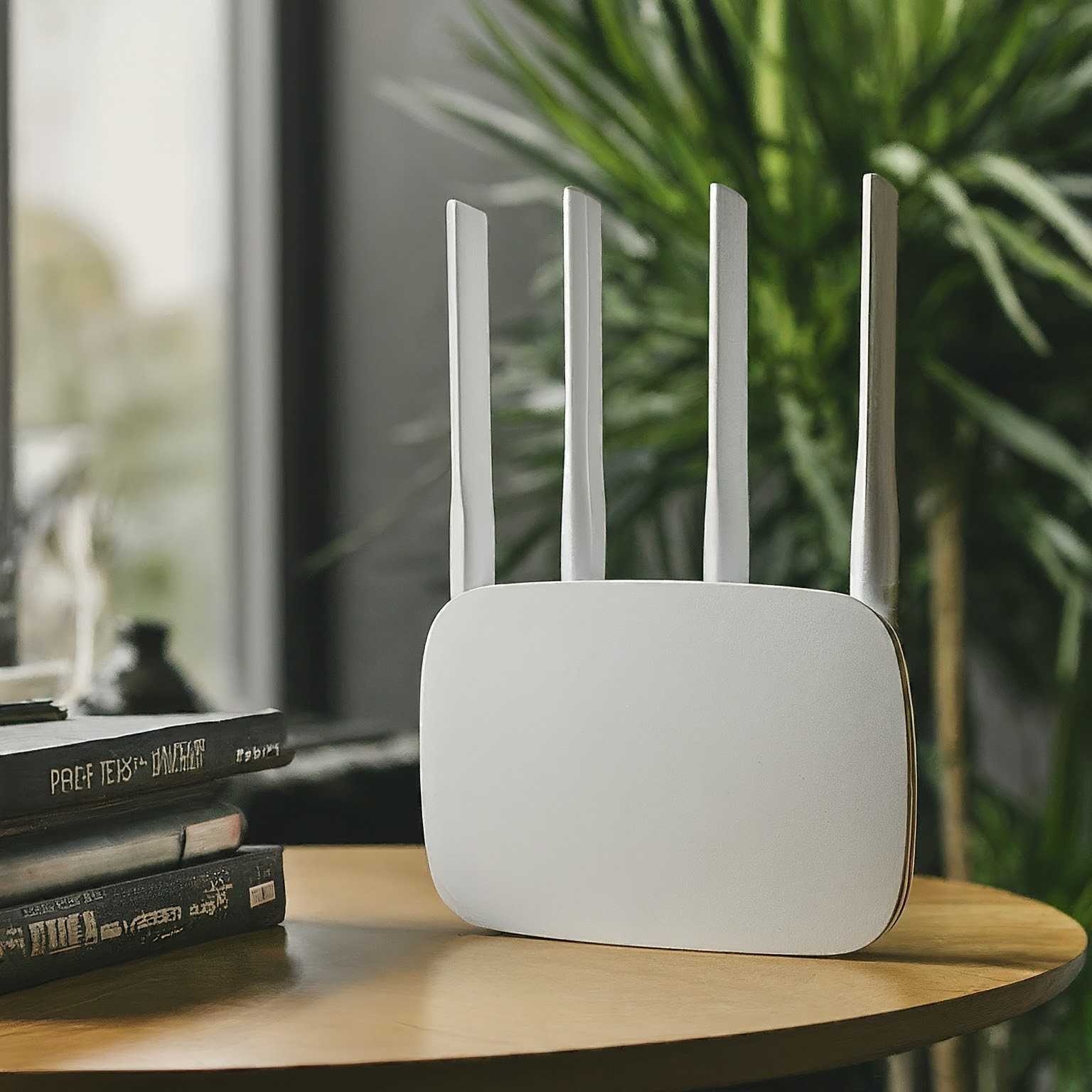
By 2026, Wi-Fi 6 (802.11ax) or Wi-Fi 7 routers are the expected standard. Older Wi-Fi 5 (802.11ac) routers often struggle with the signal interference common in Anchorage apartment complexes or the thick-walled construction of rural Alaskan homes. Using a router that supports the 6GHz band can significantly reduce congestion from neighboring networks.
Selecting a Provider: The Alaska ISP Landscape
Choosing an ISP for your WWAMI home Wi-Fi depends largely on your location—whether you are based in Anchorage for Foundations or in a remote hub for a WRITE (WWAMI Rural Integrated Training Experience) rotation.
GCI (General Communications Inc.)
GCI remains the dominant provider in Alaska. Their "Yukon" and "Red" plans are standard for most Anchorage-based students. GCI offers high-speed cable and fiber-to-the-home (FTTH) in many urban areas.
- Pros: High top-end speeds, extensive local support, and bundled mobile options.
- Cons: Data caps on lower-tier plans can be problematic for students who download large medical imaging datasets.
Alaska Communications (ACS)
ACS is a primary competitor, often providing DSL or fiber services. While their maximum speeds have historically been lower than GCI’s, they frequently offer unlimited data, which is a significant advantage for students who do not want to monitor their usage.
- Pros: No overage charges, competitive pricing for long-term contracts.
- Cons: Variable speeds depending on the age of the copper infrastructure in older Anchorage neighborhoods.
Starlink (Low Earth Orbit Satellite)
For students on rural rotations in the "Bush" or communities with limited terrestrial infrastructure, Starlink has become the gold standard in 2026. Unlike traditional geostationary satellite internet, Starlink provides the low latency required for Zoom and EHR access.
- Pros: Available nearly anywhere in Alaska; high speeds in rural sectors.
- Cons: Requires a clear view of the sky; performance can dip during extreme Alaskan weather events (heavy snow accumulation on the dish).
Comparing Home Internet Options for Alaska WWAMI Students
| Provider | Technology | Typical Down/Up Speed (2026) | Best For | Data Limits |
|---|---|---|---|---|
| GCI Fiber/Cable | Hybrid Fiber-Coax | 1 Gbps / 50 Mbps | Anchorage-based students | Varies by plan |
| ACS Fiber | FTTH | 500 Mbps / 500 Mbps | Urban areas / High Upload needs | Generally Unlimited |
| Starlink | LEO Satellite | 150 Mbps / 20 Mbps | Rural Rotations (WRITE/TRUST) | Unlimited (Standard) |
| UAA/UW Eduroam | Campus Wi-Fi | 800 Mbps / 800 Mbps | On-campus study | Unlimited |
Optimizing Your Home Wi-Fi Setup
Once you have selected a provider, the internal configuration of your home Wi-Fi is what ensures stability during critical academic moments.
Mesh Networking vs. Single Routers
In many Alaskan homes, the router is placed in a corner where the utility line enters the building. This often results in "dead zones" in bedrooms or home offices. A Mesh Wi-Fi system (such as eero, Orbi, or Google Nest) is recommended for WWAMI students. These systems use multiple nodes to create a "blanket" of coverage, ensuring that your connection remains stable even if you move from your desk to a quieter room.
Wired Connections for Exams
Despite the convenience of Wi-Fi, the UW School of Medicine IT department often recommends a hardwired Ethernet connection for high-stakes exams. If your laptop lacks an Ethernet port, purchasing a USB-C to Ethernet adapter is a wise investment. This eliminates the risk of wireless interference or signal drops during an NBME shelf exam.
Router Placement and Interference
Avoid placing your Wi-Fi router near appliances like microwaves or thick mirrors, which can degrade the signal. In 2026, with the proliferation of smart home devices, ensure your router is capable of Quality of Service (QoS) tagging. This allows you to prioritize your laptop’s traffic over other household devices, ensuring that a roommate's 8K movie stream doesn't interrupt your clinical case study.
Security and Institutional Access
As an Alaska WWAMI student, your home Wi-Fi acts as a gateway to sensitive patient data and proprietary University of Washington resources.
VPN and HIPAA Compliance
When accessing Electronic Health Records (EHR) such as Epic or Cerner from home, you must use the F5 BIG-IP Edge Client or the specific VPN provided by UW Medicine. Your home Wi-Fi security should be set to WPA3 encryption. Avoid using "Open" networks or shared Wi-Fi in apartment complexes without a robust personal firewall.
Eduroam Access
While primarily a campus service, Eduroam is available at many medical facilities and universities worldwide. If your home is near a UAA facility or a participating hospital, your UW or UAA credentials will grant you automatic, secure access. This is an excellent backup if your primary home ISP experiences an outage.
Troubleshooting Common Connectivity Issues
Connectivity issues in Alaska are often exacerbated by geography and climate. WWAMI students should be prepared with a basic troubleshooting protocol.
- The "Power Cycle": If speeds drop, unplug your modem and router for 60 seconds. This clears the cache and forces a new handshake with the ISP’s headend.
- Frequency Switching: If the 2.4GHz band is congested (common in dense Anchorage housing), manually switch your devices to the 5GHz or 6GHz band.
- DNS Configuration: Sometimes ISP-provided DNS servers are slow. Switching your router's DNS settings to a provider like Cloudflare (1.1.1.1) or Google (8.8.8.8) can improve page load times for medical databases like PubMed or UpToDate.
- Weather Checks: For Starlink users, ensure the "Snow Melt" feature is set to automatic during the Alaskan winter to prevent signal attenuation from ice buildup.
Financial Considerations and Support
The cost of high-speed internet in Alaska is significantly higher than in the Lower 48. Students should factor this into their cost-of-attendance (COA) adjustments.
- Student Discounts: GCI and ACS occasionally offer promotions for UAA students. Always present your WolfCard or UW ID when signing up.
- Federal Programs: While programs like the Affordable Connectivity Program (ACP) have faced fluctuating funding, check for current 2026 federal or state subsidies for Alaskan residents in high-cost areas.
- Institutional Aid: If your internet costs exceed the standard budget allocated in your financial aid package, you can file a "Revision of Student Budget" with the UWSOM Financial Aid office to account for the necessary high-speed connectivity required for the program.
Frequently Asked Questions
Does Alaska WWAMI provide a Wi-Fi hotspot?
The program generally does not provide individual hotspots for home use. However, the UAA Information Technology Services may have a limited number of loaner devices for students facing emergency connectivity issues. For long-term use, students are expected to secure their own ISP.
Can I use a mobile hotspot for my WWAMI coursework?
While a 5G mobile hotspot from providers like Verizon or AT&T can serve as a temporary backup, it is usually insufficient for the primary "home Wi-Fi" role. Mobile hotspots often have strict data throttling and higher latency, which can fail the technical requirements for proctored exams.
What should I do if my Wi-Fi fails during a remote exam?
Immediately notify the UWSOM proctor or the Alaska WWAMI administrative office. Use your phone's cellular data to send an email or make a call. Most proctored platforms log the exact moment of disconnection, which helps in verifying technical failures for retakes.
Is Starlink fast enough for the UW curriculum?
Yes. As of 2026, Starlink’s performance in Alaska is more than adequate for the WWAMI curriculum, provided the dish has an unobstructed view. It is often the best solution for students assigned to WRITE sites in rural communities like Ketchikan or Bethel.
How do I connect to UW Medicine resources from my home Wi-Fi?
You must use your UW NetID and Duo Two-Factor Authentication. Most resources require the UW Medicine AMC (Active Management Console) or a similar secure portal to ensure that patient data remains protected over your residential connection.
Final Recommendations for Students
To ensure a successful academic year, Alaska WWAMI students should finalize their home Wi-Fi setup at least two weeks before the start of the semester. Test your connection by running a "stress test"—join a video call while simultaneously downloading a large file to see if the connection holds. If you are moving to a new clinical site, research the local ISP options early, as installation wait times in rural Alaska can be several weeks. For technical assistance specific to UW resources, contact the UW Medicine IT Service Desk or the UAA Technical Support Center.