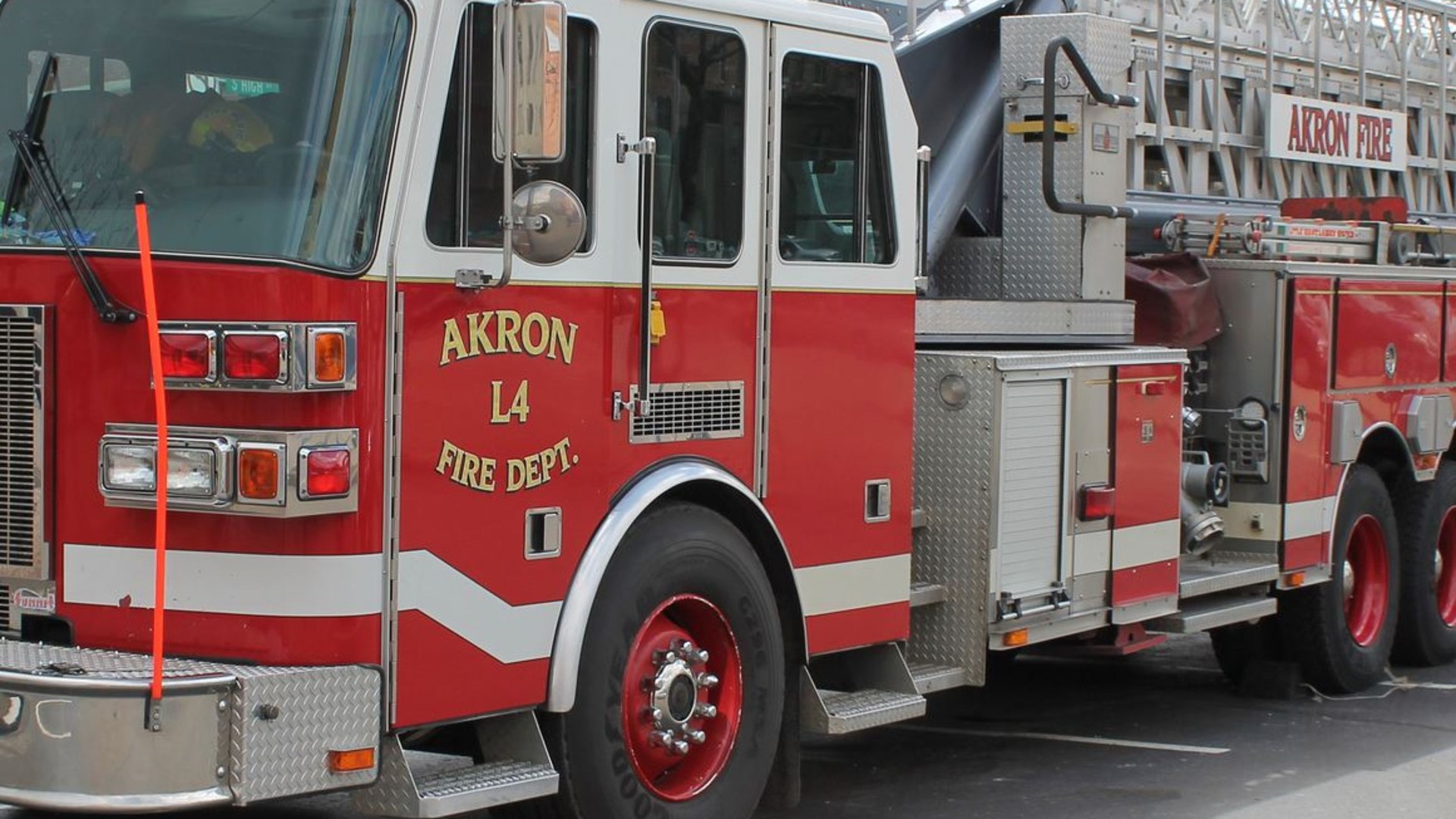
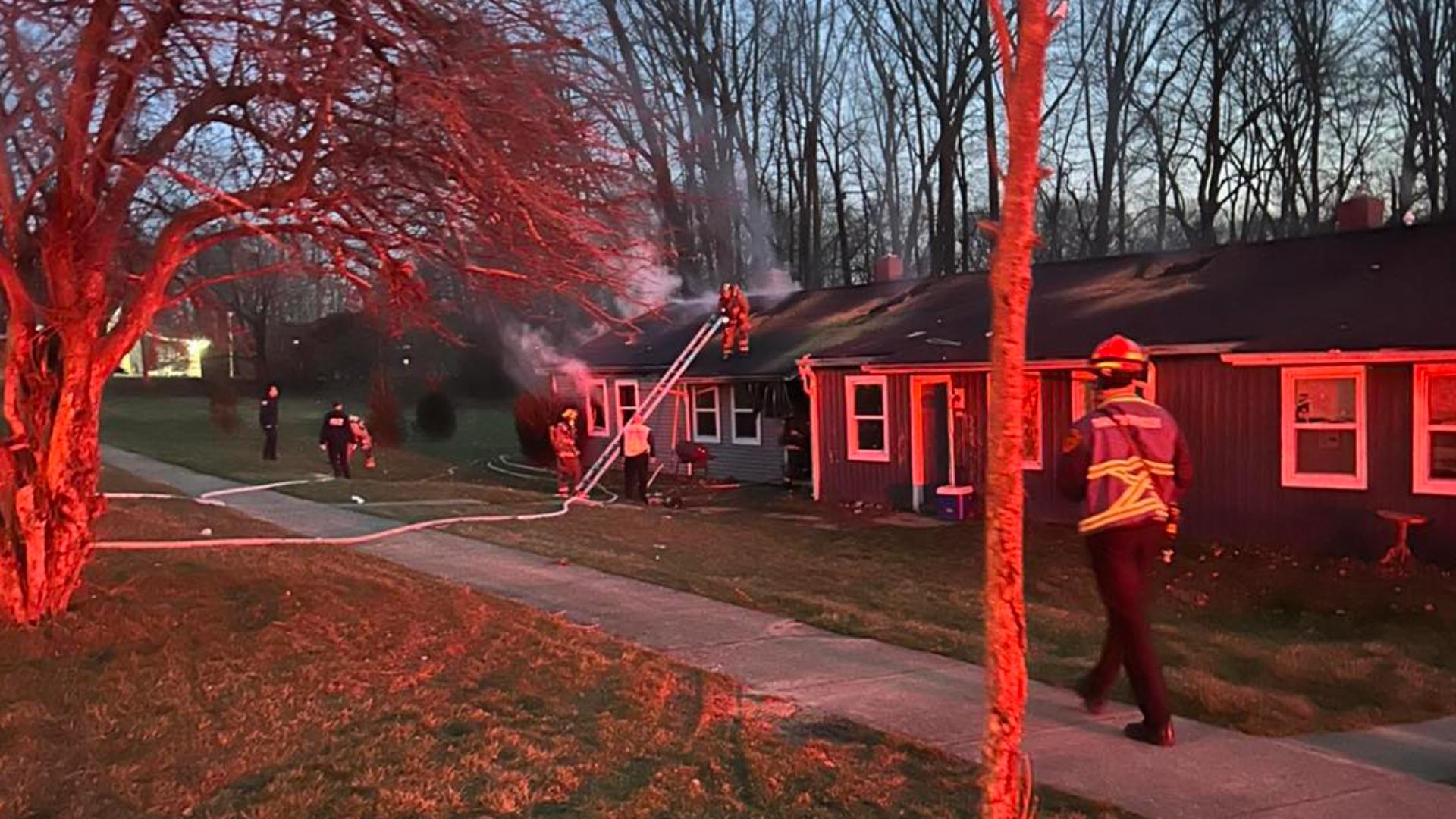
Fire Station 4, located at 1007 South Main Street, serves as a cornerstone of the Akron Fire Department’s (AFD) modern response strategy. Recently rebuilt as part of a city-wide infrastructure modernization initiative, this facility provides advanced emergency medical services and fire suppression to South Akron and University Park, ensuring rapid response times in one of the city's most densely populated districts.
In the year 2026, Akron Fire Station 4 stands as a primary example of how municipal investment can transform public safety. To understand "Station 4 in context," one must look beyond the brick and mortar to the station's history, its strategic relocation, and its role within the broader Akron Fire Department network. This facility is not merely a garage for fire engines; it is a specialized hub designed to handle the unique challenges of an evolving urban landscape.
The Historical Evolution of Station 4
For decades, Fire Station 4 was synonymous with its legacy location at 81 West Thornton Street. Built in an era when fire apparatus were significantly smaller and the medical demands on the fire service were a fraction of what they are today, the old Thornton Street station eventually became an operational bottleneck. The bays were narrow, the living quarters were outdated, and the structural integrity of the building could no longer support the weight and technology of 21st-century emergency vehicles.
The decision to relocate and rebuild Station 4 was not made in isolation. It was part of a comprehensive master plan initiated in the late 2010s to replace aging infrastructure across the city. The "context" of this move is rooted in the passage of Issue 4 in 2017—a 0.25% income tax increase dedicated specifically to police, fire, and road improvements. Station 4 was one of several "priority" stations, alongside Stations 2 and 12, identified for replacement due to high call volumes and deteriorating facilities.
The transition to the new site at 1007 South Main Street, near the intersection of Wolf Ledges Parkway, was completed in the early 2020s. This move was strategic, placing the station closer to the University of Akron and the industrial corridors of South Akron. By 2026, the benefits of this relocation are evident in the stabilized response times for the South Akron area, even as the city sees increased traffic and density.
Architectural Design and Modern Capabilities
The current Fire Station 4 is a multi-bay, state-of-the-art facility that reflects modern philosophies in fire service architecture. When viewing the station in context, it is essential to highlight the features that distinguish it from the "legacy" firehouses of the mid-20th century.
Apparatus and Tactical Response
Station 4 is equipped to handle a diverse range of emergencies. It typically houses an engine company, a ladder company, and at least one advanced life support (ALS) medic unit. The layout of the bays is designed for "drive-through" capability, which minimizes the need for backing large vehicles into the station—a frequent cause of minor accidents and mechanical wear in older facilities.
- Engine 4: Primary fire suppression unit equipped with high-capacity pumps and hose lines.
- Ladder 4: Essential for the multi-story residential and commercial buildings in the University Park area.
- Medic 4: One of the busiest ambulances in the city, providing critical care transport.
Firefighter Health and Wellness
A critical element of the new Station 4 design is its focus on cancer prevention and mental health. Modern fire stations are divided into "Hot," "Warm," and "Cold" zones.
- Hot Zones: The apparatus bays where diesel exhaust and contaminated gear are located.
- Warm Zones: Decontamination areas where firefighters can strip off soot-covered gear and shower before entering living areas.
- Cold Zones: The kitchen, sleeping quarters, and offices, which are kept free of carcinogens through advanced HVAC filtration systems.
By 2026, these features have become the standard for the AFD, but Station 4 was among the first in the city to fully integrate these life-saving architectural standards.
Strategic Comparison: Old vs. New Station 4
To fully grasp the improvement in service delivery, the following table compares the operational capacity of the legacy Thornton Street location with the current South Main Street facility as of 2026.
| Feature | Legacy Station 4 (Thornton St.) | Modern Station 4 (S. Main St.) |
|---|---|---|
| Square Footage | Approx. 6,500 sq. ft. | Approx. 15,000+ sq. ft. |
| Number of Bays | 2-3 (Narrow/Back-in) | 3-4 (Wide/Drive-through) |
| Staffing Capacity | Limited; cramped dorms | Individual sleeping quarters for 10+ |
| Decontamination | Minimal; gear stored in bays | Dedicated Extractors & Decon Showers |
| ADA Compliance | Non-compliant / Grandfathered | Fully ADA Accessible |
| Energy Efficiency | Low (Single-pane windows) | LEED-certified standards / High-efficiency HVAC |
| Training Space | None (Limited to kitchen table) | Dedicated community/training room |
The Role of Station 4 in the Akron Fire Department Network
Akron Fire Station 4 does not operate in a vacuum. It is a vital node in a network of 13 active fire stations managed by the Akron Fire Department. Its specific "context" within this network is that of a "High-Volume Core Station."
Interaction with University Park
Because of its proximity to the University of Akron, Station 4 is the primary responder for thousands of students and faculty. This requires specialized knowledge of high-rise dormitory fire systems and the unique medical needs of a younger population. The station often coordinates with the University of Akron Police Department (UAPD) for integrated emergency management during large-scale campus events.
Support for Station 2 and Station 1
Station 4 provides essential "back-fill" support for downtown (Station 1) and East Akron (Station 2). When Station 1 is committed to a major structure fire or multiple medical calls, Station 4 units are often repositioned to cover the downtown core. This "staggered coverage" ensures that no part of the city is left unprotected during peak call times.
Funding and Economic Context (Issue 4)
The existence of the modern Station 4 is a direct result of the City of Akron's fiscal strategy. In 2017, voters approved a permanent 0.25% income tax increase to fund capital improvements for safety forces. This funding, often referred to as Issue 4 funds, has been the lifeline for Akron's public safety infrastructure.
By 2026, the cumulative impact of this funding is visible. Not only has Station 4 been rebuilt, but the AFD has also been able to maintain a regular replacement cycle for its fleet. Prior to this funding, the city often struggled to replace aging medic units and engines, leading to high maintenance costs and occasional vehicle downtime. The modern Station 4 stands as a physical testament to the community's commitment to prioritizing emergency services.
Community Integration and Public Safety Outreach
Modern fire stations are designed to be community assets, not just fortress-like bunkers. Station 4 serves as a "Safe Station" for individuals seeking help with addiction, a program Akron pioneered to address the opioid crisis.
The station also serves as a hub for:
- Blood Pressure Screenings: Residents can stop by for non-emergency health checks.
- Car Seat Installations: Certified technicians help parents ensure child safety.
- Fire Prevention Education: Hosting local school groups and neighborhood watch meetings.
The "context" of Station 4 is therefore one of community trust. In an area of the city that has seen significant urban renewal, the fire station provides a sense of stability and safety for both long-term residents and new business owners.
Technical Specifications and Building Systems
For those interested in the technical depth of the facility, Station 4 incorporates several advanced building systems that assist in operational efficiency:
- Opticom Technology: The station is integrated with the city’s traffic management system. When Engine 4 or Medic 4 exits the bay, the system automatically triggers green lights at surrounding intersections on South Main Street, reducing the risk of collisions and improving "out-of-chute" times.
- Integrated Alerting Systems: Instead of a jarring, loud siren for every call, the station uses a ramped lighting and audio system. This reduces the physiological stress on firefighters during the night, which has been shown to improve long-term heart health.
- Apparatus Exhaust Removal: The station utilizes a Plymovent system—a series of suction hoses that attach directly to the tailpipes of the trucks. These hoses automatically disconnect as the truck pulls out, ensuring that no diesel exhaust enters the living quarters.
Challenges and Future Outlook
While Station 4 is a state-of-the-art facility, it faces the ongoing challenges of an urban fire station in 2026. The rising volume of Emergency Medical Services (EMS) calls continues to strain personnel. Approximately 80% of the calls handled by Station 4 are medical in nature, ranging from cardiac arrests to minor injuries.
Furthermore, the "context" of fire service is shifting toward "All-Hazards" response. This means Station 4 crews must be trained in technical rescue, hazardous materials mitigation (given the nearby rail lines and industrial sites), and large-scale incident management. The station's ample training space is crucial for maintaining these certifications.
Frequently Asked Questions
Where exactly is Akron Fire Station 4 located?
Fire Station 4 is located at 1007 South Main Street, Akron, OH 44311. It is positioned near the intersection of South Main Street and Wolf Ledges Parkway, providing easy access to both the South Akron residential neighborhoods and the University of Akron.
Why was the old Station 4 on Thornton Street closed?
The original station at 81 West Thornton Street was built in the early 20th century and was no longer functional for modern fire service. It lacked the space for modern, larger fire engines, did not have proper decontamination zones to protect firefighters from carcinogens, and was not compliant with the Americans with Disabilities Act (ADA).
What equipment is stationed at Station 4?
As of 2026, Station 4 typically houses a fire engine (Engine 4), a ladder truck (Ladder 4), and an Advanced Life Support medic unit (Medic 4). Depending on staffing and city-wide needs, additional specialized equipment or reserve units may occasionally be staged there.
How was the construction of the new Fire Station 4 funded?
The construction was primarily funded through the Issue 4 income tax increase approved by Akron voters in 2017. This 0.25% tax is dedicated to the city’s police, fire, and roadway infrastructure, allowing the city to replace several outdated fire stations.
Can the public visit Fire Station 4?
Yes, Akron fire stations are generally open to the public for tours and safety education, though it is recommended to call the Akron Fire Department's non-emergency line to schedule a visit. The station also serves as a "Safe Station" for those seeking assistance with substance abuse.
Does Station 4 serve the University of Akron?
Yes, Station 4 is one of the primary responding stations for the University of Akron campus. Its location on South Main Street allows for very fast response times to campus dormitories, academic buildings, and the InfoCision Stadium area.
Practical Recommendation for Residents and Businesses
If you live or operate a business in the South Akron or University Park area, it is beneficial to recognize Fire Station 4 as your primary emergency provider. For businesses, this means ensuring your fire suppression systems (sprinklers and alarms) are regularly inspected and that your contact information is up to date with the Akron Fire Department's Fire Prevention Bureau. Residents should take advantage of the station's community services, such as free smoke detector installations, which can be requested through the city's 3-1-1 system. Understanding the proximity and capabilities of Station 4 can significantly improve your personal and organizational emergency preparedness plans.