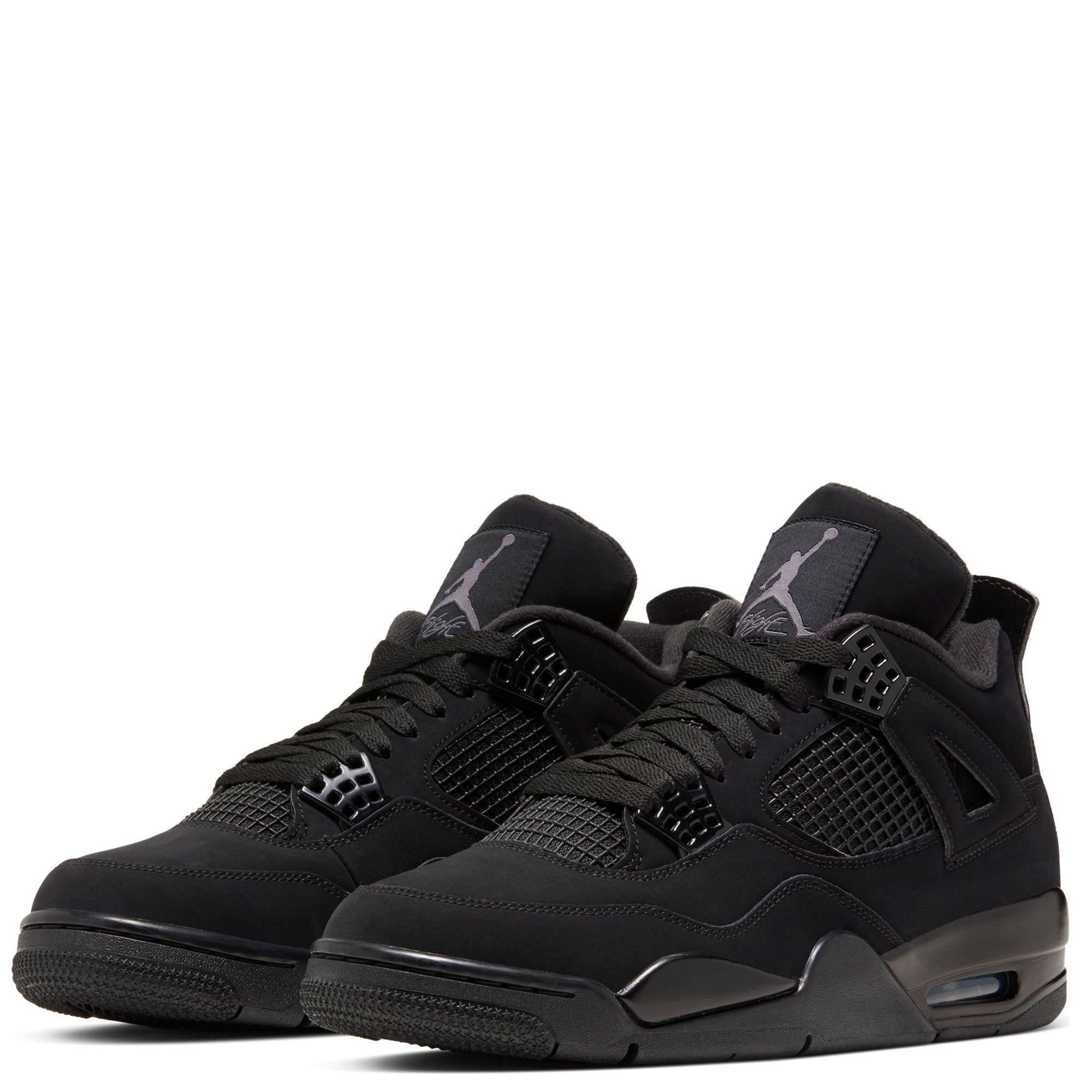
The Air Jordan 4 Astronomy represents the pinnacle of celestial-themed footwear design, merging Tinker Hatfield’s 1989 structural masterpiece with advanced phosphorescent technology. As of 2026, this "Astronomy" evolution has transitioned from simple "Galaxy" prints to sophisticated, multi-layered glow-in-the-dark integrations that highlight the silhouette’s iconic wings, mesh, and midsole geometry.
The Air Jordan 4 (AJ4) has long been a favorite canvas for experimental materials, but the "Astronomy" movement specifically addresses the intersection of high-concept storytelling and material science. To understand where the AJ4 Astronomy stands in 2026, one must look at the evolution of glow-in-the-dark (GITD) pigments, the history of "Galaxy" motifs in the Jordan line, and the technical requirements for maintaining these light-reactive surfaces.
The Architectural Foundation of the Air Jordan 4
Before delving into the "Astronomy" aesthetics, it is essential to understand why the Air Jordan 4 is the ideal vehicle for this evolution. Designed by Tinker Hatfield and released in 1989, the AJ4 introduced several functional elements that now serve as the primary "containment zones" for astronomical glow effects.
The Support Wings and "Over-Molded" Mesh
The triangular "wings" on the lateral and medial sides were originally designed for lockdown and support. In the Astronomy evolution, these wings are often cast in translucent, phosphorescent TPU (Thermoplastic Polyurethane). Unlike traditional solid plastics, these 2026-era materials allow for deeper light penetration, resulting in a glow that appears three-dimensional rather than just a surface treatment.
The mesh paneling—originally intended for breathability—provides a secondary texture. Modern "Astronomy" iterations often place a reflective or GITD substrate beneath the netting, creating a "nebula" effect where light seems to filter through a cosmic barrier.
The Midsole and Visible Air
The AJ4 was the first Jordan to feature a visible Air unit with a sculpted midsole that wraps around the heel. In the evolution of glow tech, the midsole has moved from being a painted surface to a structural component infused with strontium aluminate. This ensures that the glow does not crack or peel over time, a common failure in early 2010s custom sneakers.
The Genesis of the "Astronomy" Aesthetic
The concept of "Astronomy" in sneakers didn't happen in a vacuum. It is the direct descendant of the "Galaxy" craze that began around the 2012 NBA All-Star Weekend.
The 2012 Ripple Effect
The Nike Air Foamposite One "Galaxy" is widely considered the "Big Bang" of this aesthetic. It proved that consumers were hungry for literal interpretations of outer space. However, the Air Jordan 4 didn't immediately adopt this look in an official capacity. Instead, the "Astronomy" theme evolved through the custom community and high-end collaborations.
The KAWS Influence
The 2017 collaboration with artist KAWS (Brian Donnelly) was a pivotal moment for the AJ4's "Glow in the Dark" evolution. While not explicitly astronomical in theme, the KAWS AJ4 featured a full-glow outsole that set a new standard for luminosity and longevity. It moved away from the "cheap green" glow of the 90s toward a premium, milky-white appearance that transformed into a vibrant cyan in low light. This "premium glow" is the direct ancestor of the 2026 Astronomy aesthetic.
Technical Evolution of Glow-in-the-Dark Materials
The "Evolution" part of the Air Jordan 4 Astronomy refers primarily to the chemical shift in how these sneakers produce light. In 2026, the technology has moved far beyond the radioactive-looking greens of the past.
From Zinc Sulfide to Strontium Aluminate
In the early days of glow-in-the-dark products, Zinc Sulfide was the standard. It was inexpensive but had significant drawbacks: it required a strong light source to charge, and the glow faded within minutes.
The modern Air Jordan 4 Astronomy utilizes Strontium Aluminate doped with Europium and Dysprosium. This rare-earth mineral technology offers several advantages:
- Brightness: Up to 10 times brighter than traditional glow paints.
- Persistence: A single 10-minute charge under UV light can result in a visible glow for over 8 hours.
- Color Spectrum: While green remains the most efficient, 2026 technology allows for "Deep Space Violet" and "Supernova Orange" glows that maintain their color integrity without shifting back to green.
UV-Reactive vs. True Phosphorescence
A key distinction in the "Astronomy" evolution is the use of UV-reactive (photochromic) materials versus phosphorescent materials.
- Phosphorescent: These materials store energy and release it slowly in total darkness.
- Photochromic: These change color instantly when exposed to direct sunlight or UV "Blacklights."
The most advanced 2026 AJ4 Astronomy models utilize a "Hybrid Cosmic Layer," where the sneaker looks like a dark, "Obsidian" or "Deep Navy" shoe in the shade, shifts to a vibrant "Nebula" print in the sun, and then glows with "Star-Map" constellations once the lights go out.
Comparing Glow Technologies in Sneaker Evolution
The following table outlines the technical specifications of materials used in the Air Jordan 4 Astronomy evolution leading up to 2026.
| Feature | 1990s GITD (Zinc Sulfide) | 2010s "Galaxy" Era | 2026 Astronomy Tech |
|---|---|---|---|
| Primary Material | Zinc Sulfide | Strontium Aluminate (Basic) | Nano-Encapsulated Strontium |
| Glow Duration | 15–30 Minutes | 2–4 Hours | 8–12 Hours |
| Recharge Source | Direct Sunlight | UV / LED / Sunlight | Ambient Indoor Light / UV |
| Durability | High cracking/peeling | Moderate fading | High (Infused in TPU/Rubber) |
| Color Variety | Yellow-Green only | Green, Blue | Full Spectrum (Violet, Red, Aqua) |
| Application | Surface Paint | Outsole/Accents | Structural Infusion / Layering |
Significant "Astronomy" Milestones for the Air Jordan 4
While several models have toyed with the theme, a few specific releases and concepts have defined the "Evolution" mentioned in the subject.
The Air Jordan 4 "Starfish" (2021)
Though not a "Glow" shoe in its standard form, the Starfish AJ4 was a critical step in the Astronomy evolution. It utilized a metallic mesh inspired by space suits. This "Space Exploration" aesthetic moved the needle away from just "pretty pictures of stars" toward the technical materials associated with NASA and the Apollo missions.
The "Zen Master" (2022)
The AJ4 "Zen Master" (Amethyst Wave) introduced a galaxy-like tie-dye pattern to the canvas upper. While it lacked the glow elements that define the 2026 "Astronomy" standard, it normalized the use of nebulous, non-traditional color blocking on the AJ4 silhouette.
The 2024-2025 "Hyper-Glow" Customs
Leading into 2026, the custom sneaker market—led by artists utilizing precision airbrushing and factory-grade phosphorescent resins—created the "Astronomy" blueprint. These versions featured "Constellation Stitching," where the thread itself was phosphorescent, creating a grid-like star map across the upper of the shoe.
Maintenance and Care for Phosphorescent Sneakers
Owning a piece of the "Astronomy" evolution requires specific maintenance protocols to ensure the light-reactive chemicals do not degrade. By 2026, specialized cleaning agents have been developed to protect these sensitive surfaces.
UV Exposure Management
While these shoes need UV light to "charge," excessive exposure to the sun's radiation can lead to the "yellowing" of the clear TPU wings and outsoles. This is known as oxidation. To prevent this, collectors should:
- Store in a Dark, Cool Environment: Use UV-protected display cases if the shoes are not being worn.
- Avoid Harsh Chemicals: Standard sneaker cleaners containing bleach or heavy solvents can strip the glow-in-the-dark coating or interfere with the Strontium Aluminate crystals.
- Use a Dedicated UV Torch: For the best "Astronomy" effect, use a 365nm UV flashlight to charge the pigments quickly without exposing the entire shoe to hours of damaging solar radiation.
Cleaning the "Nebula" Mesh
The mesh on the AJ4 is a notorious dust trap. For Astronomy models, where the glow often sits behind the mesh, keeping the netting clear is vital. A soft-bristled brush and distilled water are recommended to prevent mineral buildup from tap water, which can dull the glow over time.
Market Value and Collectibility in 2026
The Air Jordan 4 remains one of the most "investable" silhouettes in the Jordan Brand catalog. The Astronomy-themed variants, due to their technical complexity and high "shelf appeal," often command a premium on the secondary market.
- Limited Production: Because the infusion of high-grade Strontium Aluminate is more expensive than standard dye, these models are rarely produced in the same volumes as a "White Cement" or "Bred" re-release.
- The "Nightclub" Effect: The popularity of these shoes is driven by their visibility in low-light environments. This makes them highly sought after by lifestyle "influencers" and the nightlife community, maintaining a high floor price on platforms like StockX and GOAT.
- Authentication Challenges: The evolution of "Astronomy" tech has also made authentication more rigorous. Real 2026 phosphorescence has a specific "decay rate" (how fast the light fades) that cheaper replicas cannot easily match.
Frequently Asked Questions
Do glow-in-the-dark Air Jordan 4s eventually stop glowing?
Modern phosphorescent materials used in 2026 are highly stable. While the glow doesn't "run out" like a battery, the pigments can be damaged by moisture (if the seal is broken) or extreme heat. Under normal wearing conditions, the glow capability should last for 15–20 years.
How do I get the brightest glow from my Astronomy AJ4s?
The most effective way to charge the "Astronomy" pigments is with a UV light source (blacklight). Sunlight is effective but also introduces heat and oxidation. A quick 30-second blast with a high-powered UV torch will produce a much more intense glow than hours under a standard LED bulb.
Are "Astronomy" themes official Nike releases or customs?
By 2026, both exist. Nike has embraced "Space-Tech" aesthetics in official "Special Projects" (SP) releases, but some of the most intricate "Astronomy Evolution" designs—specifically those with full star-map stitching—remain the domain of high-end customizers and boutique collaborations.
Can the glow-in-the-dark effect be repaired if it fades?
If the glow has faded due to surface wear, it can sometimes be "recharged" with a fresh layer of phosphorescent clear coat by a professional restorer. However, if the infused TPU wings have yellowed or degraded, the material itself must be replaced, which is a complex "sole swap" level procedure.
Next Actions for Collectors
If you are looking to acquire or maintain an Air Jordan 4 Astronomy "Glow in the Dark Evolution" model in 2026, follow these steps:
- Verify the Material: Ensure the shoe uses Strontium Aluminate-based pigments rather than older Zinc Sulfide tech to guarantee longevity.
- Invest in Protection: Purchase a UV-filtering display case and a 365nm UV torch for charging.
- Check Documentation: For high-value "Astronomy" customs, ensure you have the artist's certificate of authenticity, as these technical modifications are often more valuable than "General Release" pairs.
The Air Jordan 4 Astronomy represents more than just a colorway; it is a testament to how far sneaker technology has traveled from the basketball courts of 1989 to the cosmic-inspired lifestyle of 2026.