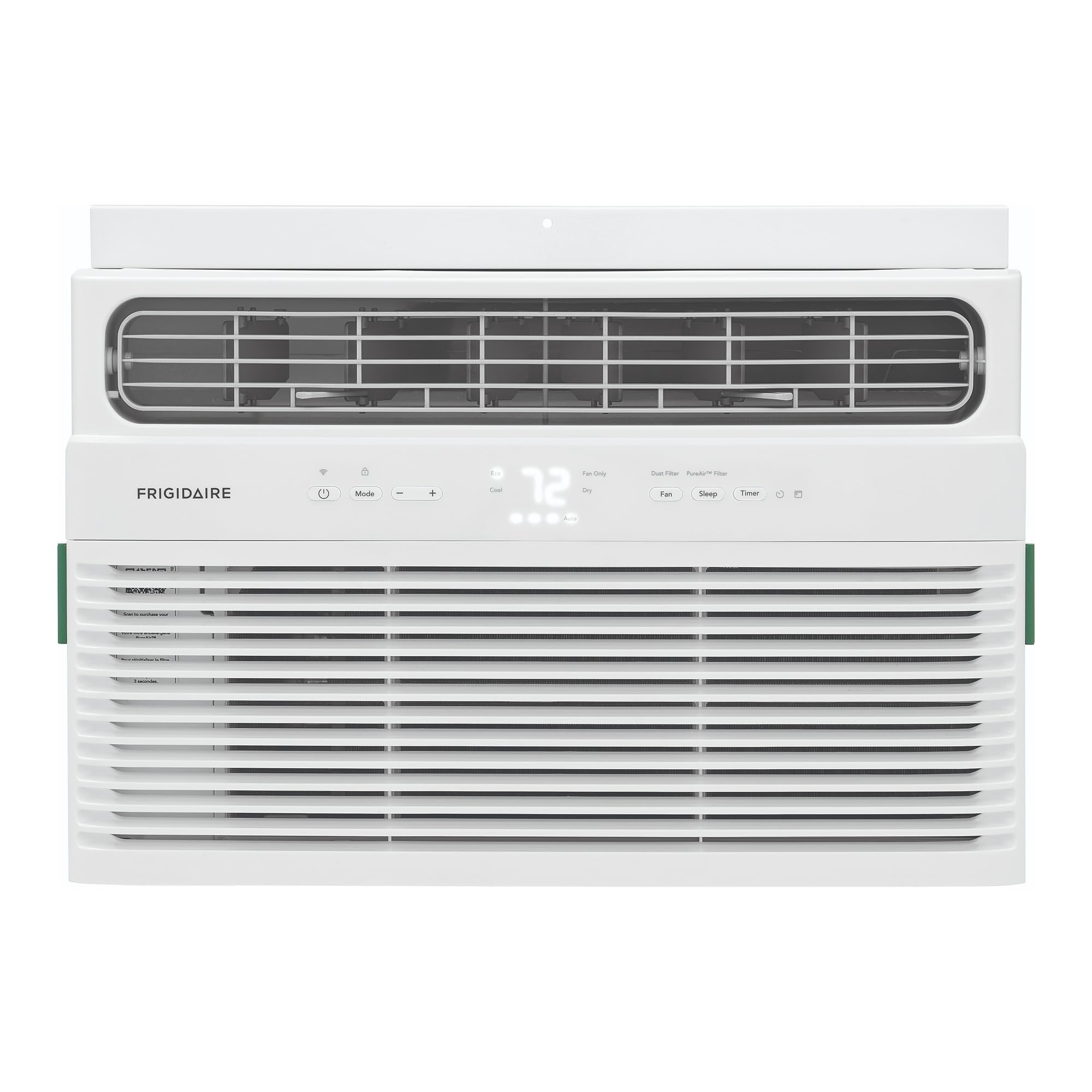
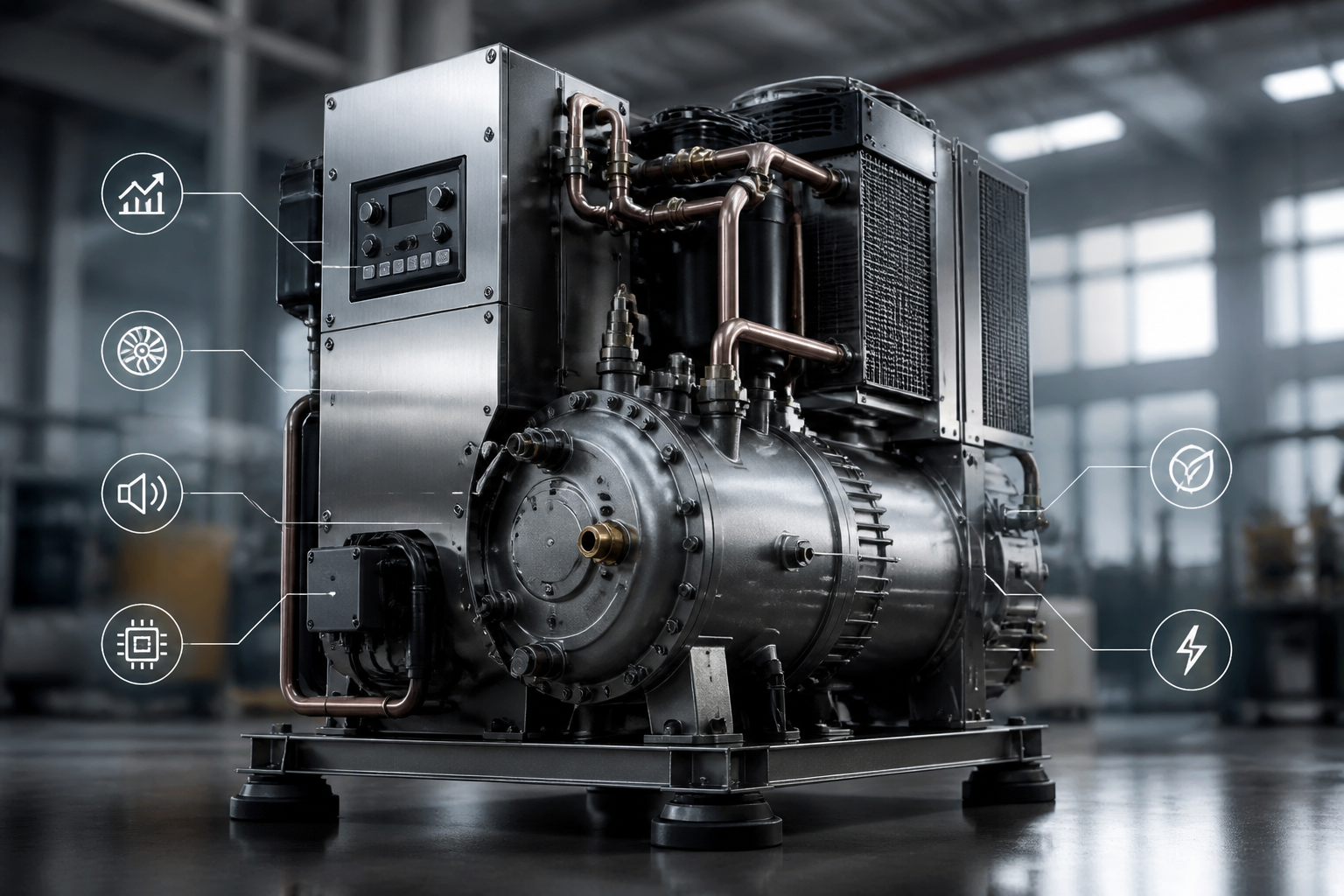
Selecting an air conditioner with the highest Energy Efficiency Ratio (EER) involves understanding how modern cooling systems convert electrical energy into thermal removal under peak operating conditions. When consumers and facility managers search for the air conditioner with the highest EER, they are typically looking for high-efficiency inverter window units, mini-splits, or commercial-grade packaged systems designed to minimize electrical consumption during hot summer months. Because EER specifically measures efficiency at a high outside temperature (usually 95°F), choosing a unit with an elite rating ensures maximum performance when cooling loads are most demanding.
Understanding Energy Efficiency Metrics: EER vs. SEER2
To evaluate cooling efficiency accurately, it is necessary to differentiate between various rating metrics established by regulatory bodies such as the Air-Conditioning, Heating, and Refrigeration Institute (AHRI) and the United States Department of Energy (DOE). While Seasonal Energy Efficiency Ratio (SEER and its updated standard, SEER2) measures average cooling efficiency across an entire typical weather season with fluctuating outdoor temperatures, the Energy Efficiency Ratio (EER and EER2) calculates instantaneous efficiency at a single, highly demanding outdoor temperature point—typically 95°F ambient with an 80°F dry-bulb and 67°F wet-bulb indoor environment.
| Metric | Testing Condition | Primary Application Focus |
|---|---|---|
| EER / EER2 | Single peak point (95°F outdoor) | Extreme heat performance, commercial, and continuous high-load environments |
| SEER / SEER2 | Variable seasonal temperatures (65°F to 104°F) | Residential annual energy forecasting and standard utility bill estimates |
For hot climates where outdoor temperatures routinely exceed 95°F during peak afternoon hours, looking at the EER rating is often more practical than relying solely on SEER2. A high SEER2 rating can be heavily influenced by performance during milder spring and autumn days, whereas a high EER guarantees that the air conditioning system maintains superior thermodynamic efficiency when the compressor works hardest against severe thermal gradients.
Technical Factors That Drive High EER Ratings
Achieving an exceptionally high EER requires advanced engineering across multiple physical and electrical components within the refrigeration cycle. Manufacturers cannot reach elite efficiency tiers using traditional single-speed compressors and basic fixed-orifice expansion devices. Instead, high-EER air conditioners incorporate sophisticated technologies designed to minimize parasitic electrical losses and thermodynamic irreversibilities.
Variable-Speed Inverter Compressors
Traditional air conditioners operate on an all-or-nothing principle: the compressor runs at 100% capacity until the thermostat is satisfied, then shuts off completely. This constant cycling wastes significant amounts of startup current and creates thermal discomfort. Air conditioners with the highest EER utilize variable-speed inverter compressors. These compressors adjust their rotational speed continuously to match the exact cooling load of the space. By running at lower capacities for longer durations, inverter systems avoid massive inrush currents and maintain optimal refrigerant pressures, drastically improving steady-state EER metrics.
Enhanced Heat Exchanger Surface Area
Thermodynamic heat transfer relies heavily on surface area and turbulence. High-efficiency air conditioners feature oversized evaporator and condenser coils constructed from microchannel aluminum or inner-grooved copper tubing. Increased surface area allows for a smaller temperature difference (Delta T) between the refrigerant and the surrounding air, enabling the compressor to operate at lower discharge pressures. Lower operating pressures require less electrical input power, resulting in a higher EER value.
Advanced Fan Motor Design (ECM)
Electronically Commutated Motors (ECMs) and brushless DC motors are standard equipment in top-tier high-EER air conditioning units. Unlike older shaded-pole or permanent split capacitor (PSC) motors, ECMs adjust their torque and speed dynamically to maintain proper airflow across varying static pressures. This precision reduces the fan's electrical consumption, which is a critical factor because fan wattage directly impacts the overall EER calculation.
Categories of High-EER Cooling Systems
The air conditioner with the highest EER depends largely on the equipment category required for the installation space. A window-mounted room air conditioner has different physical constraints and efficiency limits compared to a ductless mini-split or a central ducted heat pump system.
Window and Portable Air Conditioners
Finding a high EER in self-contained window units has become easier due to stricter energy conservation standards and consumer demand for lower utility bills. Modern inverter-driven window air conditioners, such as select models from Midea (like the U-shaped inverter series) and Friedrich, lead this category. While standard window units often hover around a baseline EER of 10 to 11, elite inverter window units achieve EER ratings exceeding 14 or 15 by varying compressor speed and isolating the noisy compressor outside the window seal.
Ductless Mini-Split Systems
Ductless mini-splits consistently claim the highest EER ratings across the entire HVAC market. Because they eliminate energy losses associated with ductwork—which the United States Department of Energy notes can account for more than 30% of energy consumption in a forced-air system—mini-splits achieve exceptional thermodynamic efficiency. Premium multi-stage inverter mini-splits from manufacturers like Mitsubishi, Daikin, and Fujitsu frequently boast EER ratings between 13.5 and 16.5, making them the gold standard for high-efficiency spot cooling and zone conditioning.
Central Ducted Split Systems
Central ducted systems with high EER ratings require rigorous matching between outdoor condenser units and indoor air handlers or evaporator coils. Achieving an elite EER in a central ducted setup typically mandates a multi-stage or modulating scroll compressor coupled with a communicating thermostat system. While central units face the inherent penalty of duct losses, top-tier central heat pumps and air conditioners reach EER ratings up to 13 or 14 when paired with high-performance AHRI-certified matched components.
Economic Analysis: Upfront Costs Versus Long-Term Energy Savings
Investing in an air conditioner with the highest EER involves balancing higher initial equipment acquisition costs against ongoing operational savings. High-efficiency units incorporate expensive materials, complex microprocessors, and sophisticated inverter drive electronics, driving up retail and installation prices.
To determine whether a high-EER air conditioner makes financial sense, property owners must calculate the payback period based on local utility rates and annual cooling hours.
$$\text{Annual Energy Cost} = \frac{\text{Cooling Capacity (BTU)} \times \text{Annual Operating Hours}}{\text{EER} \times 1,000} \times \text{Electricity Rate ((\text{kWh}))}$$
For example, running a 12,000 BTU air conditioner for 1,000 hours per year in an area with an electricity rate of $0.15 per kilowatt-hour reveals clear cost differences:
- A standard unit with an EER of 10 consumes approximately $180 in electricity annually.
- A high-efficiency unit with an EER of 15 consumes approximately $120 in electricity annually, saving $60 per year in operating costs.
While a $60 annual savings may take several years to offset a $300 price premium, rising utility rates, local energy rebates, and extended equipment lifespans often tip the economic balance in favor of high-EER options. Furthermore, many regional electric utilities offer substantial cash-back rebates for purchasing air conditioners that meet strict tier-one or tier-two EER thresholds.
Installation and Maintenance Prerequisites for Maintaining Peak EER
Purchasing an air conditioner with the highest EER does not guarantee maximum efficiency if the unit is improperly installed or neglected. High-efficiency systems are sensitive to operating parameters, and minor deviations from manufacturer specifications can degrade performance significantly.
Proper Sizing and Manual J Calculations
An air conditioner that is oversized will cycle on and off too frequently, preventing inverter compressors from reaching steady-state efficiency and failing to dehumidify the air properly. Conversely, an undersized unit will run continuously without satisfying the thermostat, forcing the compressor to work at maximum stress levels and lowering effective operational efficiency. Professional contractors must perform a rigorous Manual J load calculation to determine the exact cooling requirements of the space before selecting a high-EER unit.
Airflow Management and Maintenance
Restricted airflow across evaporator or condenser coils destroys thermodynamic efficiency. In high-EER systems, maintaining clean filters is mandatory. Dust and debris accumulation on microchannel coils increases static pressure, reduces heat transfer rates, and forces the compressor to draw higher amperage. Additionally, ensuring proper refrigerant charge levels is critical; even a 10% deviation in refrigerant charge can reduce system efficiency by double-digit percentages.
Frequently Asked Questions
What does EER stand for in air conditioning?
EER stands for Energy Efficiency Ratio. It is a specific metric used to measure how efficiently an air conditioner operates when outdoor temperatures reach a demanding 95°F. It is calculated by dividing the cooling capacity in British Thermal Units (BTUs) by the total electrical power input in watts under those specific testing conditions.
Is a higher EER always better than a higher SEER?
Not necessarily; they serve different purposes. EER measures efficiency during peak afternoon heat (95°F outdoor), while SEER averages efficiency across an entire cooling season with varied weather. If you live in a hot, arid, or consistently sweltering climate, prioritizing a high EER ensures better efficiency during extreme heat waves. In milder climates, SEER provides a broader picture of annual energy use.
Can a standard window AC unit have a high EER?
Yes, though traditional window units rarely exceed an EER of 11 or 12 due to space constraints and fixed-speed compressor limitations. However, modern inverter-style window air conditioners utilize variable-speed technology and isolated compressor designs, pushing EER ratings into the 14 to 15 range and significantly outperforming older models.
Do ductless mini-splits have higher EER ratings than central air?
Generally, yes. Ductless mini-splits avoid thermal losses associated with ductwork leakage and conductive heat gain through unconditioned attics or crawlspaces. This direct delivery method, combined with advanced inverter compressors, allows mini-splits to achieve some of the highest EER ratings available in residential and light commercial markets.
How do I find the EER rating of a specific air conditioner?
The EER rating is legally required to be displayed on the yellow EnergyGuide label attached to new appliances. For more detailed verification, including matched system ratings for split systems, consumers can search the AHRI (Air-Conditioning, Heating, and Refrigeration Institute) certified directory using the specific model numbers of the indoor and outdoor units.
Conclusion and Next Actions
Selecting an air conditioner with the highest EER requires a careful evaluation of equipment categories, local climate demands, and upfront investment costs versus long-term utility savings. To secure the best performance, review AHRI-certified rating certificates rather than relying solely on marketing claims, ensure professional sizing through a Manual J calculation, and check for local utility rebates that offset the cost of high-efficiency equipment. Consulting with a licensed HVAC professional will help verify that your chosen system aligns with your building's electrical infrastructure and cooling loads.