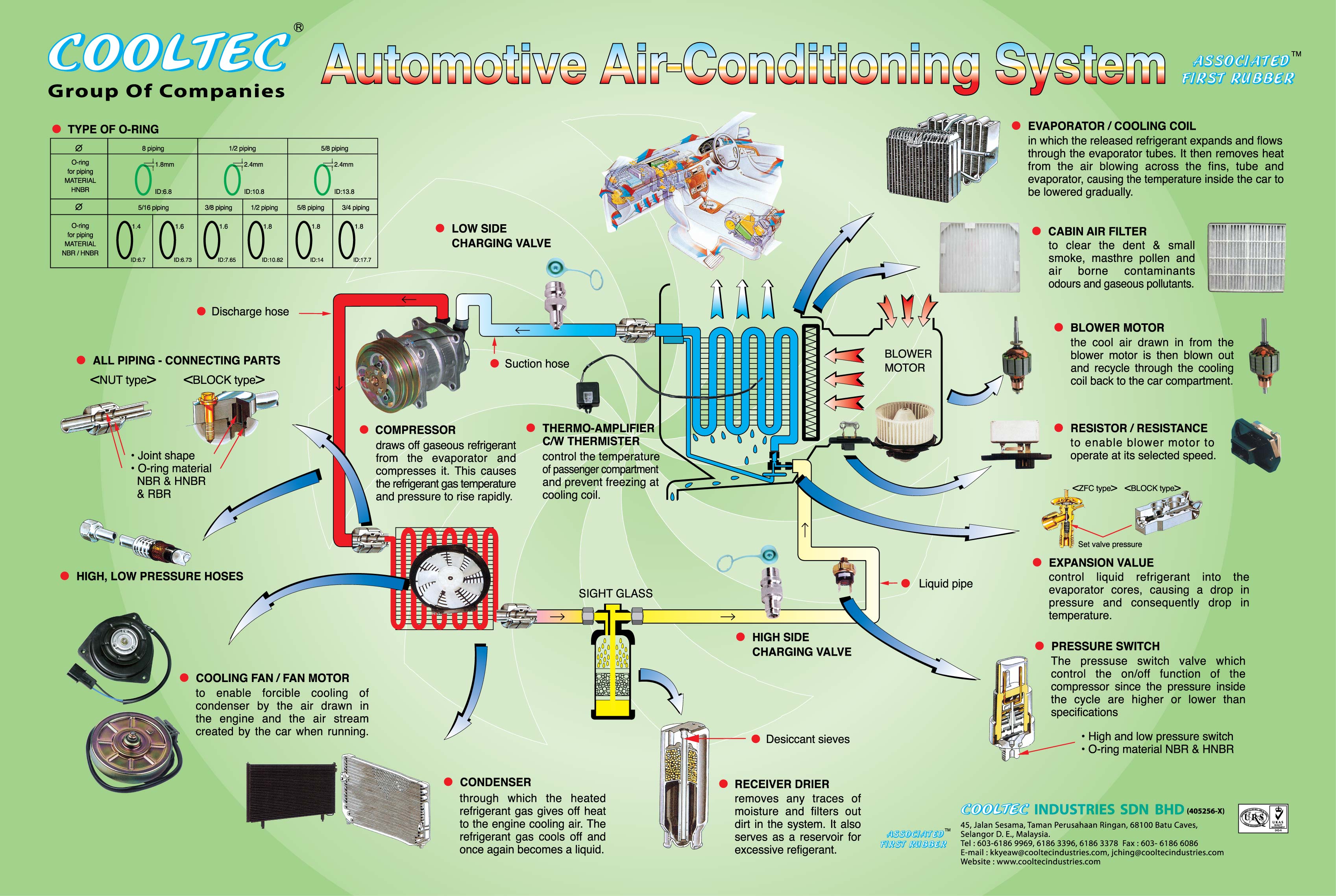
An air conditioner's electrical system manages high-voltage power distribution and low-voltage control signals to operate compressors, fan motors, and safety switches. Key components include contactors, capacitors, circuit boards, relays, and transformers, which work together to cycle the system and protect it from power surges, overloads, and thermal damage.
Introduction to Air Conditioner Electrical Systems
An air conditioning system relies on a seamless integration of thermodynamics and electrical engineering to transfer heat from the interior of a building to the outside air. While mechanical elements like compressors, expansion valves, and coils handle the refrigerant cycle, the electrical components act as the central nervous system. They distribute high-voltage electricity safely, regulate low-voltage control signals from the thermostat, and protect the system from electrical anomalies.
Understanding these parts is essential for homeowners, property managers, and technicians alike. Electrical issues account for a large percentage of air conditioner failures, ranging from minor capacitor degradation to catastrophic compressor burnout. Knowing how these components operate, how to identify common failure symptoms, and when to call a professional ensures safe operation, lowers utility costs, and extends the lifespan of the equipment.
High-Voltage vs. Low-Voltage Architecture
Modern residential and light commercial air conditioning systems operate on a dual-voltage architecture. This separation is critical for safety, efficiency, and precise control.
The High-Voltage Circuit (208V to 240V)
The high-voltage side of the system delivers heavy electrical power from the main home electrical panel through an outdoor disconnect box directly to the condensing unit. This power powers the heavy-duty loads:
- The Compressor: The heart of the system, pumping refrigerant under high pressure.
- The Condenser Fan Motor: Drives air across the outdoor condenser coil to release heat.
Because these components draw significant amperage—often ranging from 15 to 50 amperes or more—the wiring, disconnects, and switching devices must be rated to handle heavy electrical loads without overheating.
The Low-Voltage Circuit (24V)
The low-voltage side of the system operates on 24 volts of alternating current (VAC), supplied by a step-down transformer typically located inside the air handler or furnace. This circuit manages the control logic:
- Thermostat Communication: Sends signals indicating whether the system should call for cooling, heating, or fan operation.
- Safety Switches: Interrupt the 24V control circuit if pressure limits, condensate drainage limits, or temperature limits are breached.
- Control Relays and Contactor Coils: Energize the high-voltage side by safely switching larger currents using a small magnetic trigger.
Isolating the thermostat and control wiring from the high-voltage supply protects occupants from dangerous shocks and prevents delicate electronic thermostats from sustaining damage.
Core Electrical Components in an Air Conditioning System
Every split-system air conditioner or packaged unit features a collection of specialized electrical parts housed within the outdoor condensing unit and the indoor air handler.
1. The Contactor
The contactor is an electrically controlled heavy-duty switch that acts as the bridge between the low-voltage thermostat signal and the high-voltage power supply. When the thermostat calls for cooling, a 24V current passes through the contactor’s electromagnetic coil. This creates a magnetic field that pulls the contact plunger inward, closing the circuit and allowing 240V electricity to flow to the compressor and condenser fan motor.
Contactors endure significant electrical arcs every time they open and close. Over years of service, the copper or silver contact points can pit, burn, or weld themselves shut. A stuck contactor can cause the compressor and outdoor fan to run continuously, ignoring thermostat settings and leading to severe system overheating or frozen indoor coils.
2. Run and Start Capacitors
Capacitors are cylindrical electronic devices that store and release electrical energy, much like temporary batteries. Air conditioning systems use capacitors to provide the extra torque needed to start heavy motors and to maintain a smooth, continuous electrical current while running.
- Start Capacitor: Provides a brief, powerful boost of energy to help jump-start the compressor motor from a dead stop. It drops out of the circuit via a potential relay or internal switch once the motor reaches about 75% of its operating speed.
- Run Capacitor: Stays continuously engaged in the circuit, stabilizing the voltage supply to the motor windings and improving the overall power factor efficiency of the compressor and fan motors.
- Dual-Run Capacitor: Commonly found in modern units, this single physical component houses two separate capacitors inside one metal canister—one for the compressor and one for the outdoor fan motor.
Capacitors are sensitive to heat, voltage spikes, and age. A failing capacitor often exhibits a physical bulge at the top or bottom, leaks oil, or tests below its microfarad ($\mu F$) rating printed on the label.
3. Transformers
The transformer is a passive electrical device that steps down line voltage (typically 208V to 240V) to low voltage (24V). It consists of primary and secondary wire windings wrapped around an iron core. If a transformer fails, the entire low-voltage control circuit loses power, causing the thermostat to go blank and the system to become completely unresponsive. Transformers usually fail due to internal short circuits in the low-voltage wiring or power surges.
4. Circuit Boards and Relays
Modern air conditioners and heat pumps rely on electronic control boards (often referred to as integrated furnace controls or defrost control boards in heat pumps) to manage complex operational sequences.
- Time-Delay Relays: Prevent the compressor from short-cycling by forcing a 3-to-5-minute delay before the unit can restart after a power interruption. This allows refrigerant pressures inside the system to equalize, protecting the compressor motor from burning out under high starting torque.
- Defrost Boards: Found in heat pump systems, these boards monitor outdoor coil temperatures and ambient conditions to initiate reverse-cycle defrost cycles during cold weather.
5. Safety Switches and Sensors
Safety devices are wired in series with the low-voltage control circuit. If an abnormal operating condition occurs, these switches open, breaking the 24V circuit and shutting down the system to prevent property damage or component destruction.
- High and Low Pressure Switches: Monitor refrigerant line pressures. If pressure climbs too high due to a blocked coil or fails too low due to a refrigerant leak, the switch opens.
- Float Switches: Installed in condensate drain pans, these switches detect rising water levels caused by clogged drain lines and shut down the system to prevent ceiling leaks or water damage.
- Thermal Overload Relays: Integrated into compressor terminals or motor housings, these switches open if the motor draws excessive current or overheats.
Comparison of Major AC Electrical Components
| Component | Primary Function | Voltage Level | Common Failure Symptoms |
|---|---|---|---|
| Contactor | Connects high-voltage power to compressor/fan via 24V trigger | 24V (Coil) / 240V (Contacts) | Unit won't turn on, humming sound, or continuous running |
| Run Capacitor | Stabilizes voltage and assists motor running efficiency | 240V | Outdoor fan spins slowly, buzzing compressor, system tripping breaker |
| Start Capacitor | Delivers initial torque boost to start heavy motor loads | 240V | Compressor fails to start, clicking sound, immediate breaker trip |
| Transformer | Steps down high voltage to power thermostat and controls | 208V–240V to 24V | Blank thermostat display, total system unresponsiveness |
| Float Switch | Interrupts control circuit during condensate overflow risks | 24V | AC stops blowing cold air while indoor blower keeps running |
Common Electrical Issues and Troubleshooting Signs
Recognizing the early warning signs of electrical failure can prevent minor component issues from escalating into expensive system replacements.
Clicking Noises and Humming
When a thermostat calls for cooling, a distinct "click" is usually heard from the outdoor unit as the contactor pulls in. If you hear a rapid clicking sound, it often indicates that the 24V control voltage is fluctuating or dropping too low to keep the contactor firmly seated. A loud humming sound from the condensing unit frequently points to a failed capacitor or a seized compressor rotor attempting to draw power without turning.
Tripping Circuit Breakers
An air conditioner should never trip its dedicated circuit breaker during normal operation.
- Nuissance Trips: If a breaker trips immediately upon startup, it often indicates a short circuit, a grounded compressor winding, or a severely failed capacitor pulling locked-rotor amperage (LRA).
- Intermittent Trips: Breakers that trip after running for 15 or 30 minutes may indicate a failing condenser fan motor overheating, dirty outdoor coils causing high head pressure, or a weak circuit breaker failing to handle rated loads.
Burned Wiring and Terminals
High electrical resistance generates intense heat. Loose wire terminals, corroded spade connectors, or undersized wiring can cause excessive heat buildup at connection points. Technicians frequently inspect for discoloration, melted plastic insulation, or a distinct burnt-odor smell around the electrical compartment.
Professional Maintenance and Safety Considerations
Working with air conditioning electrical systems involves severe safety risks, including electrocution from high-voltage 240V circuits and severe burns from electrical arcs or stored capacitor charges.
Safety Precautions
- Always Turn Off Power: Before opening any service panel on an air conditioner, turn off power at the main electrical service panel and pull the physical disconnect block located adjacent to the outdoor unit.
- Verify Zero Energy State: Use a reliable multimeter verified on a live source to test for voltage across terminals before touching any wires.
- Discharge Capacitors: Capacitors store dangerous electrical charges even after the system is powered down. Technicians safely discharge capacitors using an insulated tool or a properly rated resistor before handling them.
Professional Intervention vs. DIY
Homeowners can perform basic maintenance tasks such as keeping the outdoor condensing unit clear of debris, replacing standard disposable air filters regularly, and checking thermostat batteries. However, diagnosing and replacing internal electrical components—such as contactors, capacitors, transformers, and control boards—should be performed by licensed HVAC technicians. Professional technicians possess the diagnostic tools, electrical training, and specialized equipment required to service HVAC systems safely and in compliance with local electrical codes and environmental regulations.
Frequently Asked Questions
What causes an air conditioner capacitor to fail?
Capacitors fail primarily due to age, extreme summer heat, and voltage surges from lightning strikes or grid fluctuations. Because capacitors store electrical charge as an electrostatic field, high ambient temperatures inside the outdoor unit cabinet accelerate the degradation of internal dielectric materials, causing them to leak or lose their microfarad rating over time.
How can I tell if my AC contactor is bad?
A bad contactor may exhibit visible physical damage, such as heavily pitted, burned, or blackened contact points caused by repeated electrical arcing. Mechanically, the contact plunger may become stuck in the depressed position, or the low-voltage electromagnetic coil may burn out internally, preventing the switch from closing when energized by the thermostat.
Why does my AC keep tripping the circuit breaker?
A circuit breaker trips when current draw exceeds safe design limits. In an air conditioner, this is commonly caused by a failing compressor motor pulling locked-rotor amperage, a short circuit in the wiring harness, a seized condenser fan motor, or excessively high head pressure resulting from a dirty outdoor condenser coil or restricted airflow.
Can a bad transformer cause my thermostat to turn off completely?
Yes. The transformer converts high incoming voltage down to 24V to power the low-voltage control circuit, which includes the thermostat. If the transformer burns out or its internal thermal fuse blows due to a short circuit in the low-voltage wiring, the thermostat loses power instantly and goes completely blank.
Are air conditioner electrical parts universal?
While some components—such as standard run capacitors, universal contactors, and 24V transformers—are interchangeable across different brands provided their electrical ratings match, many modern systems use proprietary control boards, specialized communicating thermostats, and inverter-driven variable-speed compressors that require exact OEM (Original Equipment Manufacturer) replacement parts.
Conclusion
The electrical components of an air conditioning system are vital to its operation, safety, and efficiency. From the heavy-duty contactors and capacitors managing high-voltage loads to the low-voltage transformers and safety switches protecting the equipment, each part plays a specific role in maintaining indoor comfort. Regular preventative maintenance, prompt attention to unusual noises or performance drops, and reliance on qualified HVAC professionals for electrical repairs ensure that an air conditioning system operates reliably throughout peak cooling seasons.