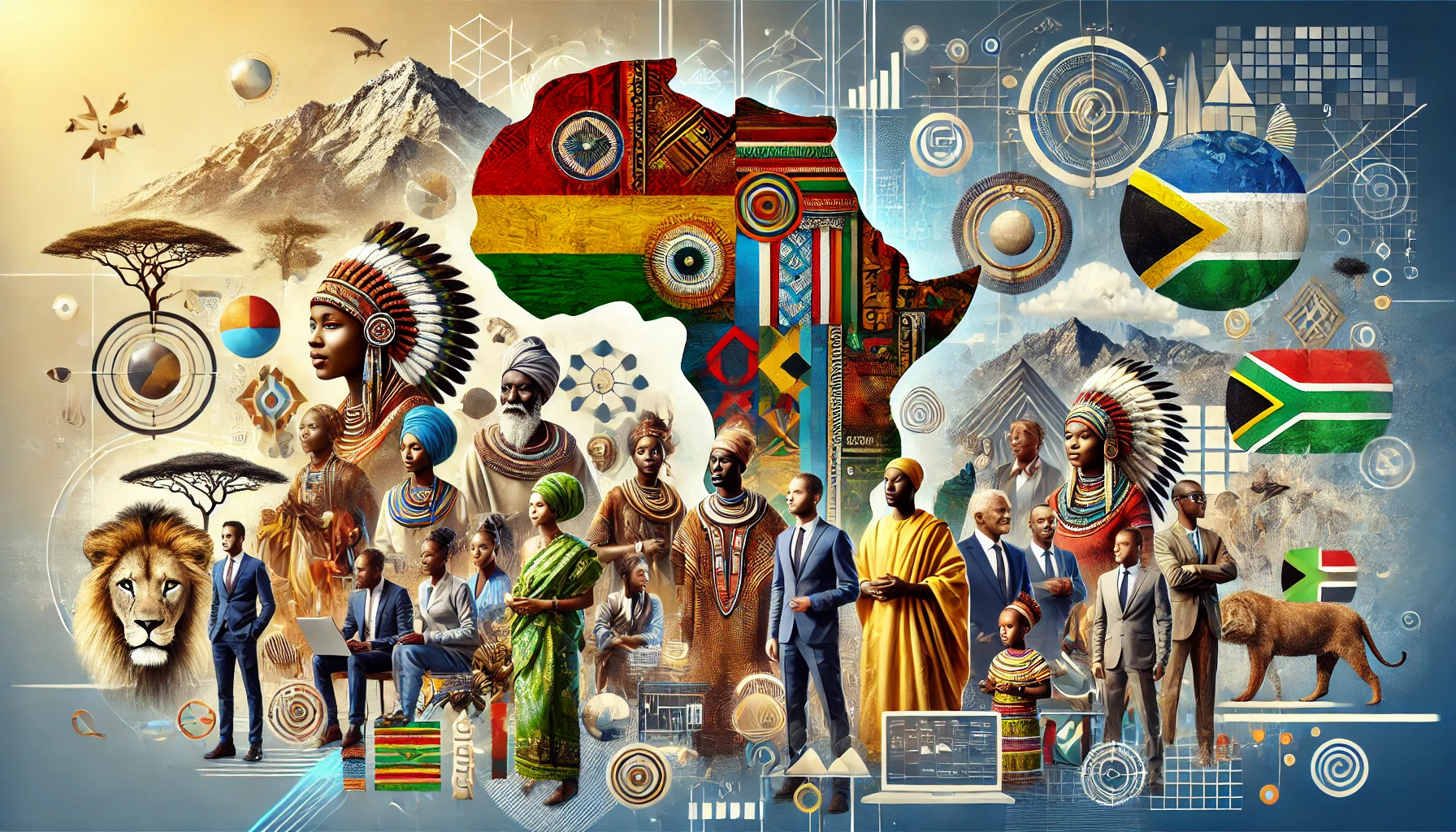
African leaders have shaped global history through profound insights and strategic influence, moving beyond mere rhetoric to catalyze social and political transformation. Their quotes serve as intellectual blueprints for Pan-Africanism, post-colonial recovery, and democratic resilience, offering timeless guidance for navigating complex challenges in governance, economic self-reliance, and human rights across the continent.
The Philosophy of African Leadership: Foundations of Influence
To understand the weight of quotes from African leaders, one must first recognize the philosophical frameworks that underpin them. Unlike many Western leadership models focused on individual achievement, African leadership historically emphasizes communal progress, liberation, and the restoration of dignity following centuries of colonial extraction. Two primary pillars define this influence: Ubuntu and Pan-Africanism.
Ubuntu, a Nguni Bantu term meaning "I am because we are," is more than a cultural proverb; it is a governance philosophy. It posits that the stability of a state depends on the interconnectedness and mutual respect of its citizens. Leaders like Desmond Tutu and Nelson Mandela utilized this insight to transition South Africa from the brink of civil war to a democratic "Rainbow Nation." Their words were not just aspirational; they were functional tools for national reconciliation.
Pan-Africanism, on the other hand, represents the geopolitical insight that African nations are stronger through unity than through isolated sovereignty. This movement, championed by the likes of Kwame Nkrumah and Haile Selassie, provided the ideological framework for the Organization of African Unity (OAU), now the African Union (AU). Their quotes often reflect a deep skepticism of neo-colonialism and a fervent belief in the continent's internal capacity to solve its own problems.
In 2026, these philosophies continue to drive the implementation of the African Continental Free Trade Area (AfCFTA) and the AU’s Agenda 2063. The insights of the past have become the policy requirements of the present, demonstrating that the influence of these leaders is not a historical relic but a living roadmap.
Nelson Mandela: The Power of Reconciliation and Resilience
Nelson Mandela remains perhaps the most quoted African leader in history, but his influence extends far beyond catchphrases. His insights were forged in the crucible of a 27-year imprisonment, transitioning from an armed revolutionary to a statesman of peace.
Mandela’s most famous insight—"It always seems impossible until it's done"—is frequently cited in corporate and motivational contexts, but its true weight lies in the context of dismantling the institutionalized racism of Apartheid. Mandela understood that leadership requires the courage to change one's own mind to change the minds of others. His influence was grounded in the concept of the "Long Walk," a metaphor for the enduring patience required for systemic change.
The Impact of the Truth and Reconciliation Commission (TRC)
Mandela’s influence was manifested in the creation of the TRC. Rather than pursuing retributive justice, he championed restorative justice. This was a radical insight: that a nation cannot be built on the bones of its enemies, but rather on a shared, albeit painful, truth. His leadership style shifted the global paradigm of post-conflict resolution, proving that moral authority can be more potent than military might.
For more detailed biographical data, the Nelson Mandela Foundation provides extensive archives on his speeches and policy decisions.
Kwame Nkrumah: The Architect of Pan-Africanism
Kwame Nkrumah, the first President of Ghana, provided the intellectual spark for the African independence movement. His insight that "Africa is a paradox which illustrates and highlights neo-colonialism" remains a cornerstone of African political science.
Nkrumah’s influence was centered on the belief that political independence was meaningless without economic independence. He argued that as long as African states remained fragmented, they would continue to be exploited by external powers. His famous quote, "We face neither East nor West; we face forward," defined the Non-Aligned Movement during the Cold War, asserting Africa's right to pursue its own interests without becoming a pawn in global power struggles.
Economic Sovereignty and Industrialization
Nkrumah’s influence led to the rapid industrialization of Ghana in the late 1950s and early 1960s, including the construction of the Akosombo Dam. While his tenure faced criticism for its eventual authoritarian tilt, his vision for a "United States of Africa" laid the groundwork for modern continental integration. His writings, such as Neo-Colonialism: The Last Stage of Imperialism, are still required reading for understanding the structural barriers to African development.
Thomas Sankara: The "Upright Man" and Self-Reliance
Often called the "Che Guevara of Africa," Thomas Sankara’s influence is particularly strong among the African youth of 2026. As the leader of Burkina Faso, his insights focused on radical self-reliance and the rejection of foreign aid.
Sankara famously stated, "He who feeds you, controls you." This was not just a quote but a policy directive. Under his leadership, Burkina Faso achieved food security in just four years by prioritizing domestic agriculture over imports. He rejected the "debt trap" of international financial institutions, arguing that the debt was a legacy of colonialism and therefore illegitimate.
Social Reform and Gender Equality
Sankara was one of the first African leaders to identify gender equality as a prerequisite for national development. He banned female genital mutilation, forced marriages, and polygamy, while appointing women to high-ranking government positions. His influence is felt today in the growing movements across the Sahel that demand greater transparency and a return to grassroots governance.
Historical records of his revolutionary reforms can be explored through the UNESCO Digital Library, which archives the history of African liberation movements.
Ellen Johnson Sirleaf: Pioneering Female Leadership
As Africa’s first elected female head of state, Ellen Johnson Sirleaf’s influence is synonymous with the rebuilding of Liberia following a devastating civil war. Her insights bridge the gap between grassroots activism and high-level diplomacy.
Sirleaf’s quote, "If your dreams do not scare you, they are not big enough," has inspired a generation of African women to enter the political arena. Her influence was characterized by "Iron Lady" resolve tempered by a focus on peacebuilding and financial reform. She was instrumental in getting Liberia’s massive external debt forgiven, which allowed for the reconstruction of vital infrastructure.
The Nobel Peace Prize and Institutional Reform
Awarded the Nobel Peace Prize in 2011, Sirleaf demonstrated that leadership in a post-conflict society requires a focus on institutional integrity rather than personal charisma. Her insights into the "politics of inclusion" helped stabilize a nation that many believed was a failed state. The Nobel Prize official site provides the full citation and lectures regarding her contributions to women's rights and peace.
Comparative Influence of Key African Leaders
The following table compares the primary focus, key insights, and lasting influence of these transformative figures.
| Leader | Primary Philosophy | Defining Quote | Primary Influence/Impact |
|---|---|---|---|
| Nelson Mandela | Ubuntu / Reconciliation | "It always seems impossible until it's done." | Dismantled Apartheid; popularized restorative justice. |
| Kwame Nkrumah | Pan-Africanism | "Africa is a paradox which illustrates... neo-colonialism." | Led Ghana to independence; founded the OAU. |
| Thomas Sankara | Self-Reliance | "He who feeds you, controls you." | Achieved food security; championed gender equality. |
| Ellen Johnson Sirleaf | Institutional Reform | "If your dreams do not scare you, they are not big enough." | First female president; cleared Liberia's national debt. |
| Julius Nyerere | Ujamaa (Socialism) | "Education is not a way to escape poverty; it is a way to fight it." | Standardized Swahili; unified Tanzania through education. |
| Patrice Lumumba | National Sovereignty | "Africa will write its own history." | Symbol of anti-colonial resistance in the Congo. |
Julius Nyerere: Education and National Unity
Julius Nyerere, the "Mwalimu" (Teacher) of Tanzania, influenced the continent through his social and economic policy of Ujamaa, or "brotherhood." His insights were centered on the belief that for a nation to be truly free, its people must be educated and self-sufficient.
Nyerere’s insight that "Education is not a way to escape poverty; it is a way to fight it" transformed Tanzania’s social fabric. He prioritized primary education and literacy, making Tanzania one of the most literate countries in Africa during his time. Perhaps his greatest influence was the promotion of Kiswahili as a national language, which bridged ethnic divides and created a cohesive national identity that has spared Tanzania from the ethnic conflicts seen in neighboring states.
While the economic experiments of Ujamaa faced significant challenges, Nyerere’s moral leadership and his decision to voluntarily step down from power set a rare and influential precedent for democratic transition on the continent.
Modern Influence in 2026: From Quotes to Policy
In 2026, the influence of these historical figures is being translated into digital-age governance. The "insights" of leaders like Nkrumah are now found in the protocols of the African Union, which advocates for a single air transport market and a unified digital currency.
- Digital Sovereignty: Inspired by Sankara’s self-reliance, modern African tech hubs in Nairobi, Lagos, and Kigali are pushing for "data sovereignty," ensuring that African data is stored and managed within the continent.
- Climate Justice: African leaders today frequently quote the environmental insights of Wangari Maathai, the first African woman to win the Nobel Peace Prize for her work with the Green Belt Movement. Her influence is seen in the "Great Green Wall" project, which aims to combat desertification across the Sahel.
- Governance Transparency: The influence of Mandela and Sirleaf is visible in the increasing number of African nations adopting open-data platforms to track government spending, aiming to eliminate the corruption that many early leaders warned against.
Technical Analysis of Rhetorical Influence
The power of African leaders' quotes lies in their use of oratory as a tool for mobilization. In many African cultures, the oral tradition is a primary medium for historical preservation and moral instruction. Consequently, the quotes of these leaders are often structured as parables or proverbs, making them easily transmissible and deeply resonant across diverse linguistic groups.
Furthermore, the influence of these leaders is often codified in "Charter Documents," such as the Freedom Charter in South Africa or the Arusha Declaration in Tanzania. These documents take the insights of leaders and turn them into legal frameworks, ensuring that their influence survives beyond their individual lifespans.
Frequently Asked Questions
Which African leader is known for the concept of Pan-Africanism?
Kwame Nkrumah is widely considered the leading architect of modern Pan-Africanism. While the movement had roots in the African diaspora (with figures like W.E.B. Du Bois and Marcus Garvey), Nkrumah was the first to implement it as a state policy upon Ghana's independence in 1957. He famously argued that the independence of Ghana was meaningless unless it was linked to the total liberation of the African continent.
How did Thomas Sankara influence women's rights in Africa?
Sankara was a pioneer in state-led feminism. He recognized that the liberation of Burkina Faso was impossible without the liberation of women. He appointed women to the cabinet, encouraged them to join the military, and initiated a "Day of Solidarity" where men were encouraged to go to the market and prepare meals to understand the domestic burdens women faced. His influence remains a benchmark for progressive gender policy in the region.
What is the significance of the "Long Walk to Freedom"?
The "Long Walk to Freedom" is the title of Nelson Mandela’s autobiography, but it serves as a broader metaphor for the persistent, non-linear journey toward justice. It signifies that liberation is not a single event (like an election) but a continuous process of building institutions, forgiving enemies, and addressing systemic inequality. In 2026, this concept is often used to describe the ongoing efforts toward economic emancipation in Southern Africa.
Why are Julius Nyerere’s quotes focused on education?
Nyerere believed that the biggest enemies of African development were "poverty, ignorance, and disease." He viewed education as the primary weapon against all three. By focusing on "Education for Self-Reliance," he aimed to create a citizenry that was not just technically skilled but also socially responsible and committed to the collective development of the nation.
How do African leaders' quotes influence international relations?
Quotes from African leaders often serve as diplomatic assertions of sovereignty. For example, the quotes of Patrice Lumumba or Haile Selassie are frequently used by modern diplomats to remind the international community of Africa’s right to non-interference. These insights shape the "African Voice" in forums like the UN General Assembly, demanding a more equitable global order.
Practical Recommendation for Further Study
To truly grasp the influence of African leadership, readers should transition from reading isolated quotes to studying the original speeches in their historical context. Organizations like the African Union Archive and the South African History Online repository offer comprehensive access to the primary documents that turned these insights into reality. For those in 2026 looking to apply these lessons to modern leadership, focus on the "restorative" aspects of their governance—the ability to build bridges where none existed—as this remains the most critical skill in the contemporary global landscape.