Affordable Preferred Provider Organization (PPO) health insurance plans provide flexibility by allowing policyholders to see specialists without referrals and offering out-of-network coverage at a higher cost share. Finding an affordable plan requires balancing monthly premiums against deductibles, copays, and the size of the insurer’s provider network to ensure essential medical services remain financially manageable.
Understanding the PPO Structure
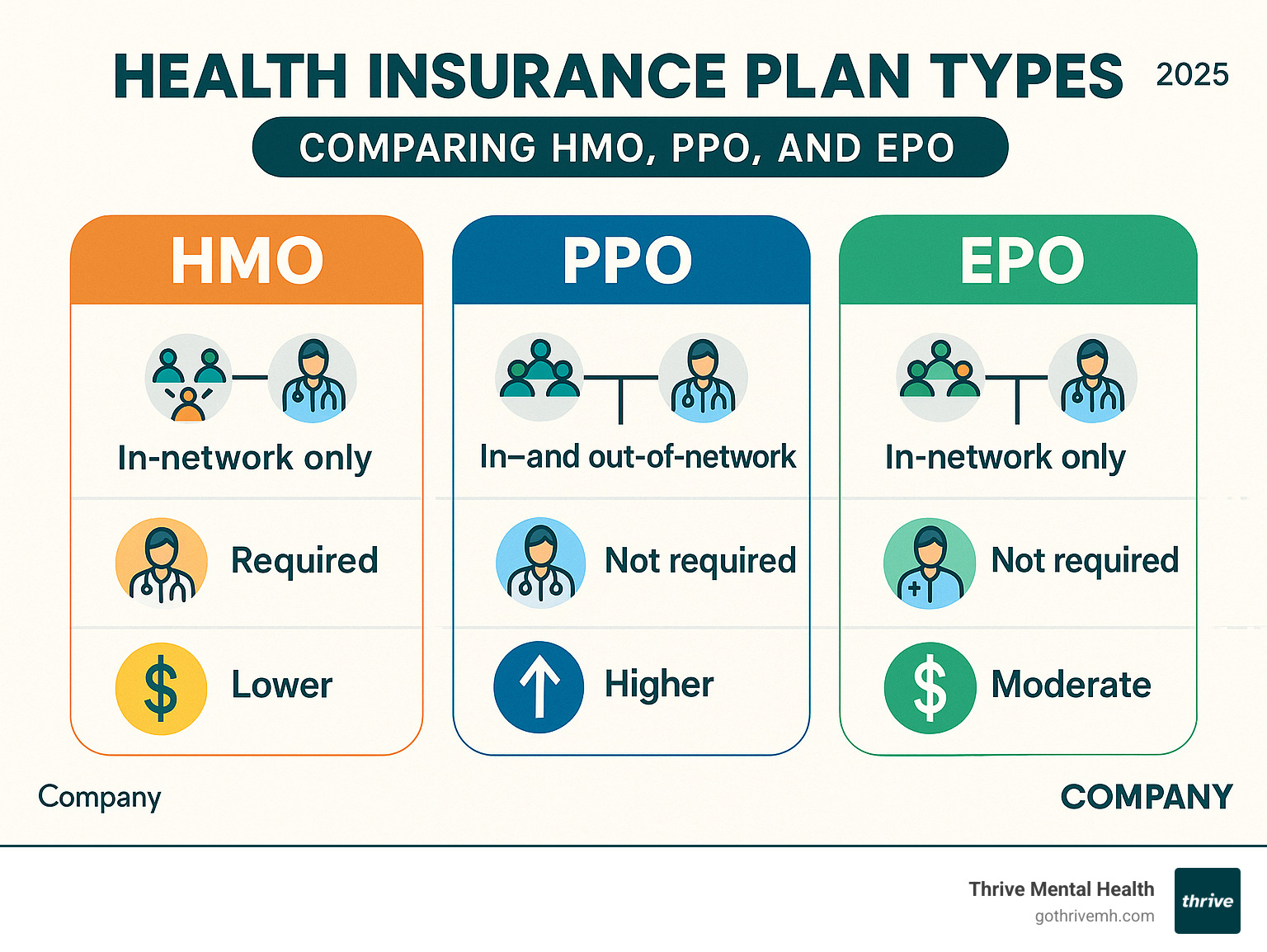
A Preferred Provider Organization (PPO) is one of the most popular health insurance models in the United States. Its primary value proposition is freedom of choice. Unlike Health Maintenance Organizations (HMOs), which strictly require you to stay within a network of providers to receive coverage and often mandate a referral from a primary care physician to see a specialist, a PPO grants you the autonomy to seek care from a broader range of doctors.
When you select a PPO plan, you gain access to a "preferred" network—a group of doctors, hospitals, and clinics that have contracted with your insurance company to provide services at discounted rates. If you stay within this network, your out-of-pocket costs are significantly lower. However, if you choose to visit a provider outside of that network, the insurance company will typically still cover a portion of the cost, though you will be responsible for a higher percentage of the bill, known as coinsurance, and you may face a separate, higher deductible for out-of-network services.
For individuals who travel frequently, have complex medical needs requiring specific specialists, or simply value the ability to choose their own doctors without administrative hurdles, the PPO model is often the preferred choice. The "affordability" aspect, however, is a relative term that hinges on your personal health utilization patterns and your ability to tolerate upfront costs versus long-term expenses.
Key Factors Influencing Plan Costs
The monthly premium is only the starting point for calculating the true cost of your health insurance. Several components work in tandem to determine how much you will pay over the course of a plan year.
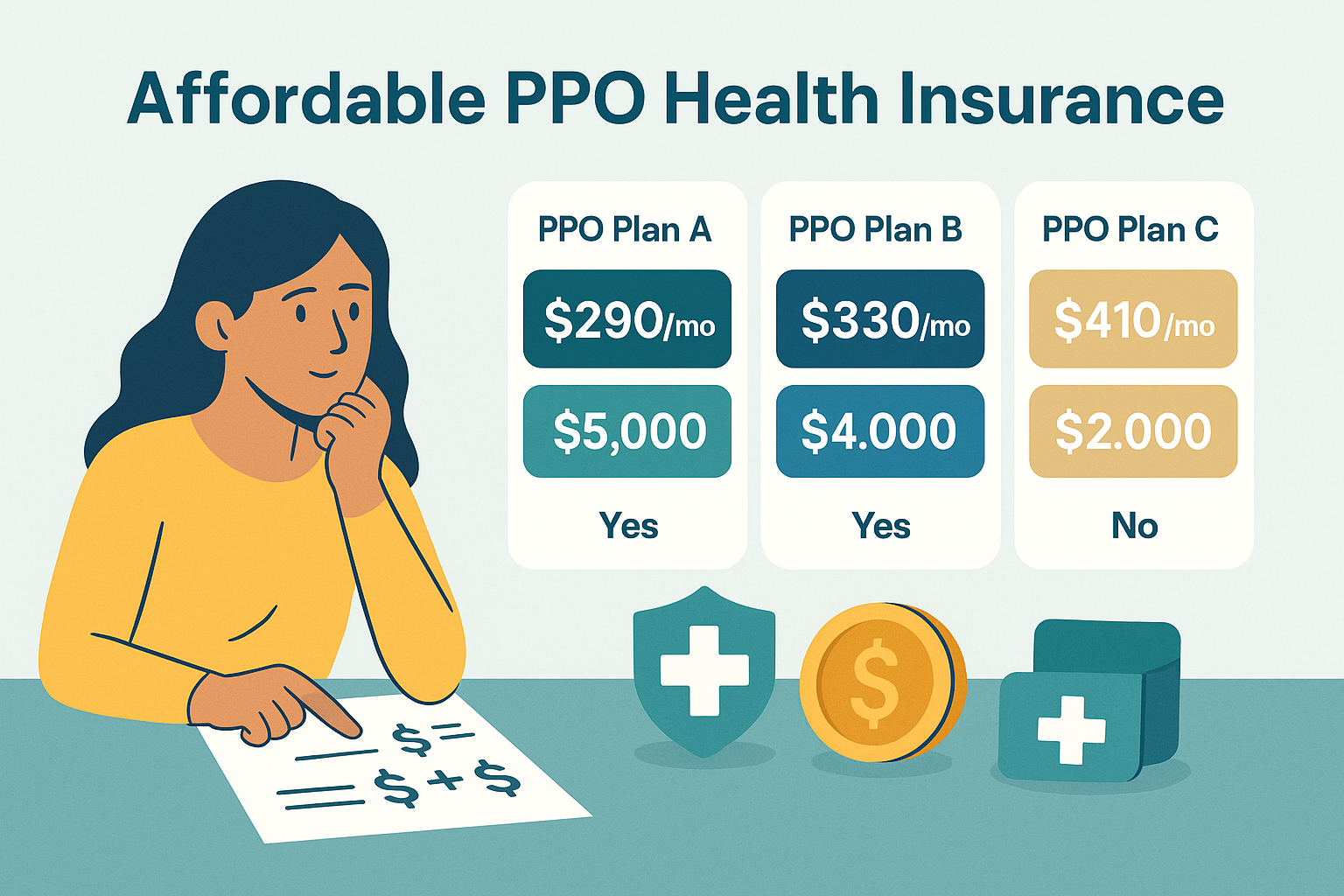
- Premiums: This is the fixed amount you pay every month to keep your insurance active. Generally, PPO plans carry higher premiums than HMOs because of the increased flexibility they offer.
- Deductibles: The deductible is the amount you must pay out-of-pocket for covered healthcare services before your insurance plan begins to pay. Plans with lower monthly premiums often have higher deductibles.
- Copayments and Coinsurance: A copayment is a flat fee (e.g., $30) for a specific service, such as a doctor's visit. Coinsurance is a percentage of the total cost of a service (e.g., 20%) that you pay after meeting your deductible.
- Out-of-Pocket Maximums: This is the absolute most you will have to pay for covered services in a plan year. Once you hit this limit, the insurance company pays 100% of the costs for covered benefits. For those seeking "affordable" plans, the out-of-pocket maximum is arguably the most important number, as it represents your maximum financial risk.
Assessing Your Healthcare Utilization
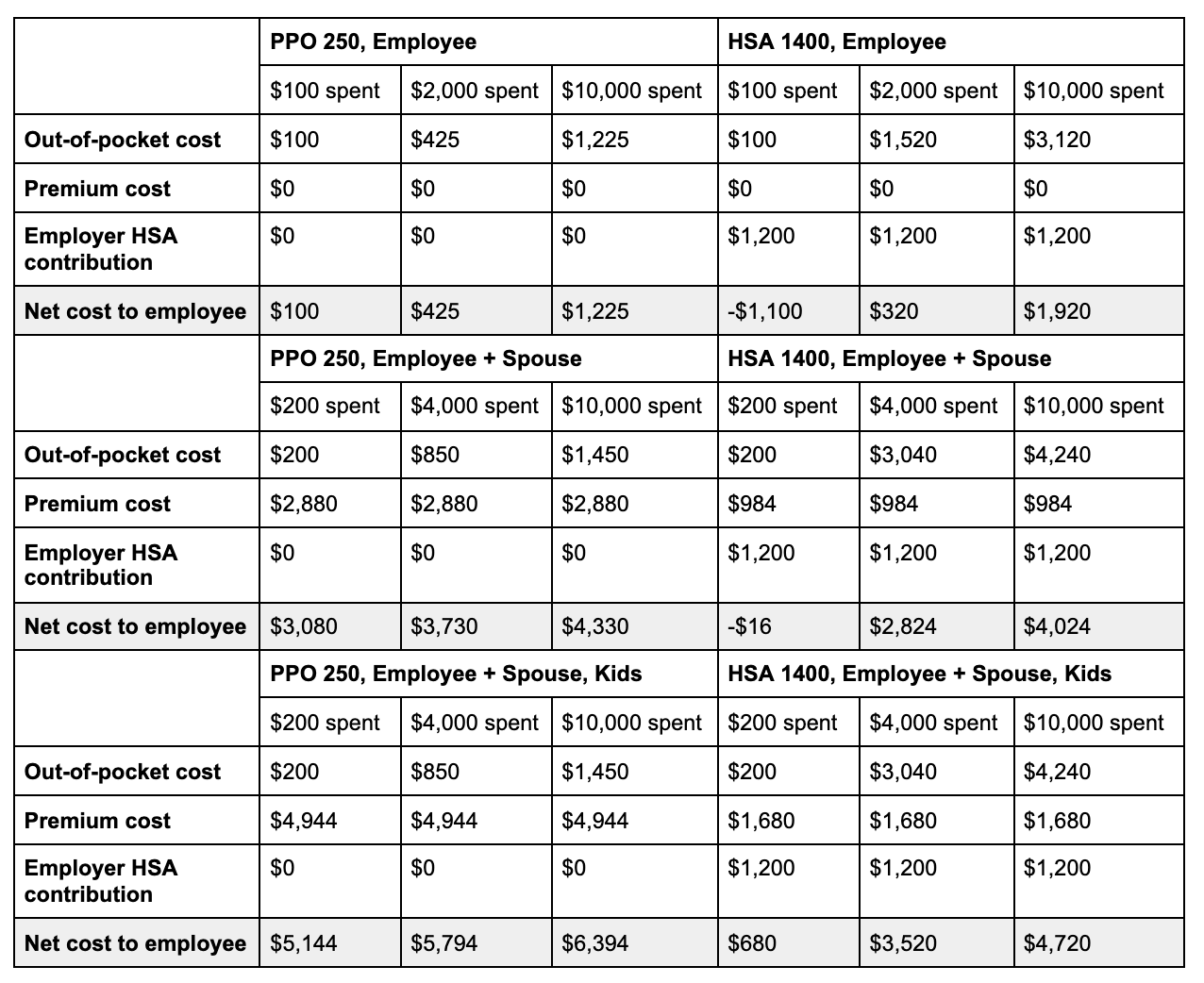
Before shopping for a PPO, you must conduct a personal audit of your medical history. If you visit the doctor frequently, require regular prescription medication, or have a chronic condition, a plan with a higher premium but a lower deductible and lower copays might actually be more affordable in the long run. Conversely, if you are generally healthy and rarely visit the doctor, a high-deductible PPO with a lower monthly premium may better align with your budget.
When evaluating a plan’s affordability, you must also consider the "Network Adequacy." A plan might look inexpensive on paper, but if your preferred doctors, local hospitals, or necessary pharmacies are not in the network, you will be forced to pay the higher out-of-network rates, which can quickly negate any savings from a lower premium. Always verify that your essential providers are currently contracted with the specific PPO network associated with the plan you are considering.
Comparison of Plan Types and Cost Implications
| Plan Type | Flexibility | Referral Needed | Out-of-Network | Typical Cost Profile |
|---|---|---|---|---|
| PPO | High | No | Yes (higher cost) | Higher Premium, Moderate Deductible |
| HMO | Low | Yes | No (except emergency) | Lower Premium, Low Deductible |
| EPO | Moderate | No | No | Moderate Premium, Moderate Deductible |
| POS | Moderate | Yes | Yes (higher cost) | Moderate Premium, High Deductible |
Strategies for Lowering Costs
While PPO plans are generally priced at a premium, there are several pathways to reduce the financial burden of these policies in 2026.
- Subsidies and Tax Credits: Depending on your income level and household size, you may be eligible for Advanced Premium Tax Credits (APTC) or Cost-Sharing Reductions (CSR) if you purchase your plan through the Health Insurance Marketplace (Healthcare.gov). These subsidies can drastically lower your monthly premiums and, in some cases, your deductibles and copays.
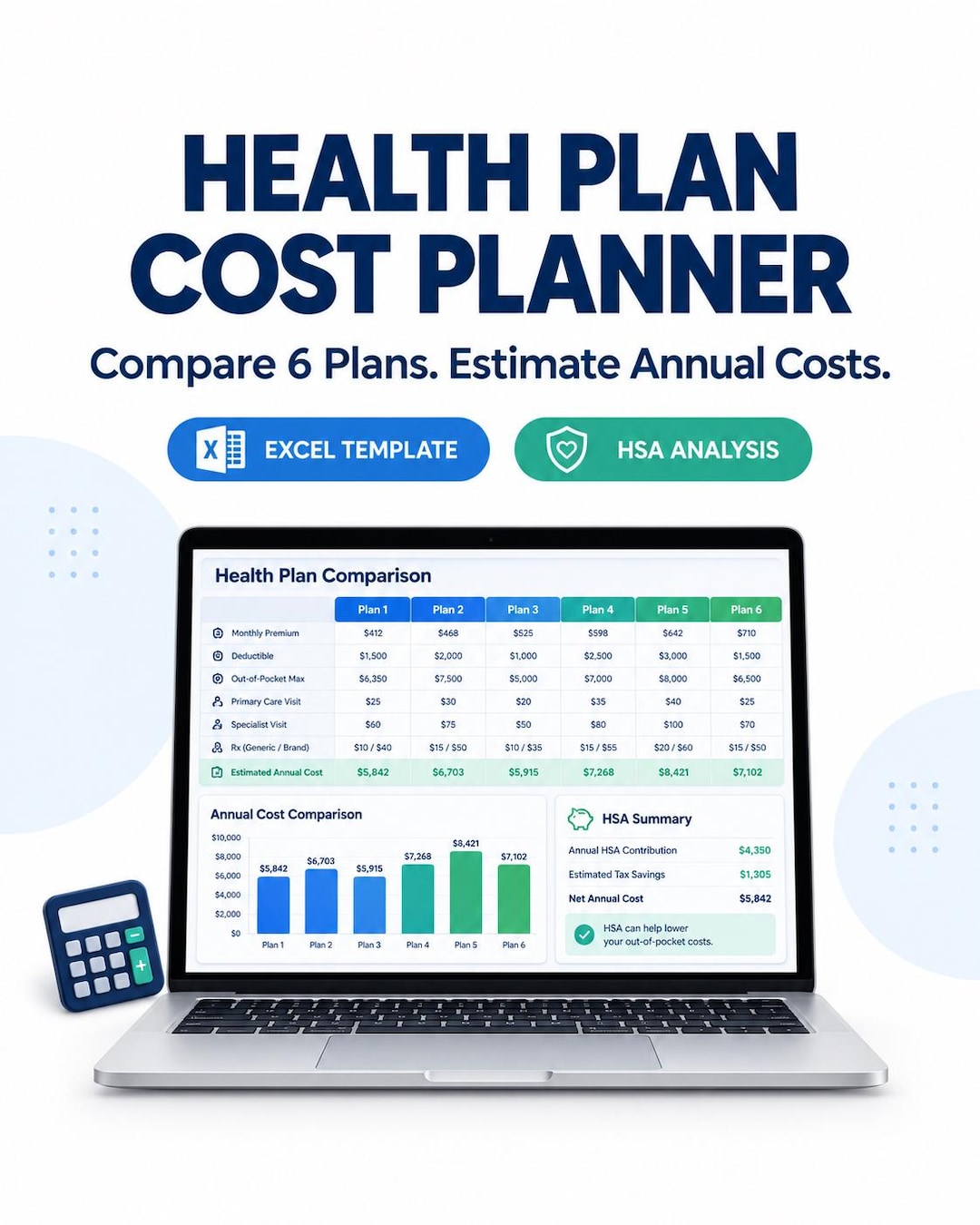
- Health Savings Accounts (HSAs): If your PPO plan is a High-Deductible Health Plan (HDHP), you are likely eligible to contribute to an HSA. Contributions are tax-deductible, growth is tax-free, and withdrawals for qualified medical expenses are tax-free. This acts as a powerful tool to offset the higher deductibles inherent in these plans.
- In-Network Utilization: The most effective way to keep costs down on a PPO is to use in-network providers exclusively. Before scheduling non-emergency procedures, confirm that the facility, the surgeon, the anesthesiologist, and the laboratory are all "in-network." This prevents the common pitfall of "surprise billing," where an out-of-network provider works at an in-network facility.
- Preventive Care: Under the Affordable Care Act, most insurance plans must cover preventive services—such as annual physicals, screenings, and vaccinations—at 100% when delivered by in-network providers, regardless of whether you have met your deductible. Utilizing these services is free and helps identify health issues before they become expensive to treat.
Common Pitfalls to Avoid
Many consumers assume that a PPO is automatically better than other plan types. The primary risk is the "hidden" cost of out-of-network care. It is a common misconception that because you can go out-of-network, you should. Always treat out-of-network care as a last resort. If you find yourself frequently using out-of-network providers, you are paying for the flexibility of the PPO but not utilizing the cost-saving benefits of the network, meaning you are overpaying for your coverage.
Another mistake is failing to review the plan’s formulary. A formulary is the list of prescription drugs covered by the insurance plan. Two plans might have the same premium and deductible, but one might cover your necessary medications at a low tier, while the other might not cover them at all or place them in a high-cost tier. Always verify that your specific medications are listed in the plan’s formulary before enrolling.
Frequently Asked Questions
What happens if I go out-of-network with my PPO? When you visit an out-of-network provider, the insurance company will pay a lower percentage of the cost, or potentially nothing at all, depending on the plan's specific terms. You will likely be responsible for the difference between what the doctor charges and what the insurance company deems the "allowable amount." This is known as balance billing.
Is a PPO plan always more expensive than an HMO? Generally, yes. PPO plans allow for greater freedom, which providers and insurers value differently in terms of risk and network management. However, depending on the specific network size and the insurer's pricing in your region, there are instances where a high-quality HMO might cost more than a narrow-network PPO.
Can I change my PPO plan mid-year? Under normal circumstances, you cannot change your health insurance plan outside of the annual Open Enrollment Period. You can only change your plan outside of this window if you experience a "Qualifying Life Event," such as marriage, the birth of a child, loss of other coverage, or a change in your primary residence to a new coverage area.
How do I verify if my doctor is in-network? Do not rely solely on the doctor's office stating they "take" your insurance. Always use the insurance carrier’s official "Find a Doctor" tool on their member portal. Since networks change throughout the year, checking the portal just before an appointment is the safest way to ensure your provider is currently contracted.
Are deductibles the same for in-network and out-of-network care? Usually, no. Most PPO plans have a split-deductible structure. You will have a primary deductible for in-network care and a separate, significantly higher deductible for out-of-network care. It is essential to understand both numbers when calculating your potential financial liability.
Next Actions for Enrollment
If you are currently evaluating options, your first step should be to log into the official government insurance portal or your employer’s benefits portal to view the "Summary of Benefits and Coverage" (SBC) for the plans available to you. The SBC is a standardized document that makes it easy to compare premiums, deductibles, and out-of-pocket maximums across different plans. Once you have narrowed your choices to two or three, use the insurer's network search tool to confirm your primary care physicians and specialists are in-network. If you require specialized care, call the provider’s office directly to ask, "Are you currently in-network for [Insurance Company Name] [Plan Name]?" This proactive verification is the most effective way to ensure your PPO plan provides the financial protection you anticipate.