Navigating affordable housing options in New York City requires looking past the marketing hype to understand actual inventory types, strict eligibility parameters, complex lottery systems, and long wait times. Securing a subsidized apartment in NYC demands careful planning, adherence to strict income guidelines, and continuous tracking of active application portals.
Introduction: Cutting Through the NYC Housing Myth
For millions of renters, finding a reasonably priced apartment in New York City feels like searching for a needle in a haystack. The phrase "affordable housing options in nyc a reality check" serves as a necessary antidote to overly optimistic headlines and confusing municipal jargon. While the city's housing market features thousands of regulated, subsidized, and below-market units, the path to securing one is paved with rigorous bureaucratic hurdles, intense competition, and strict financial vetting.
Understanding the landscape means accepting a foundational truth: affordable housing in NYC is rarely a matter of casually browsing listings and signing a lease next week. Instead, it is an administrative process governed by city, state, and federal programs. Applicants must navigate complex criteria, maintain meticulous financial records, and frequently wait months or years for a placement. This reality check provides a comprehensive, ground-level look at how NYC's affordable housing system actually works, who qualifies, where to find legitimate opportunities, and what pitfalls to avoid.
The Core Mechanisms of NYC Affordable Housing
The term "affordable housing" in New York City encompasses several distinct programs rather than a single unified inventory. These options are created through public-private partnerships, inclusionary zoning laws, and direct government subsidies. To navigate the system successfully, applicants must understand the primary vehicle for modern affordable housing: NYC Housing Connect.
NYC Housing Connect and Housing Lotteries
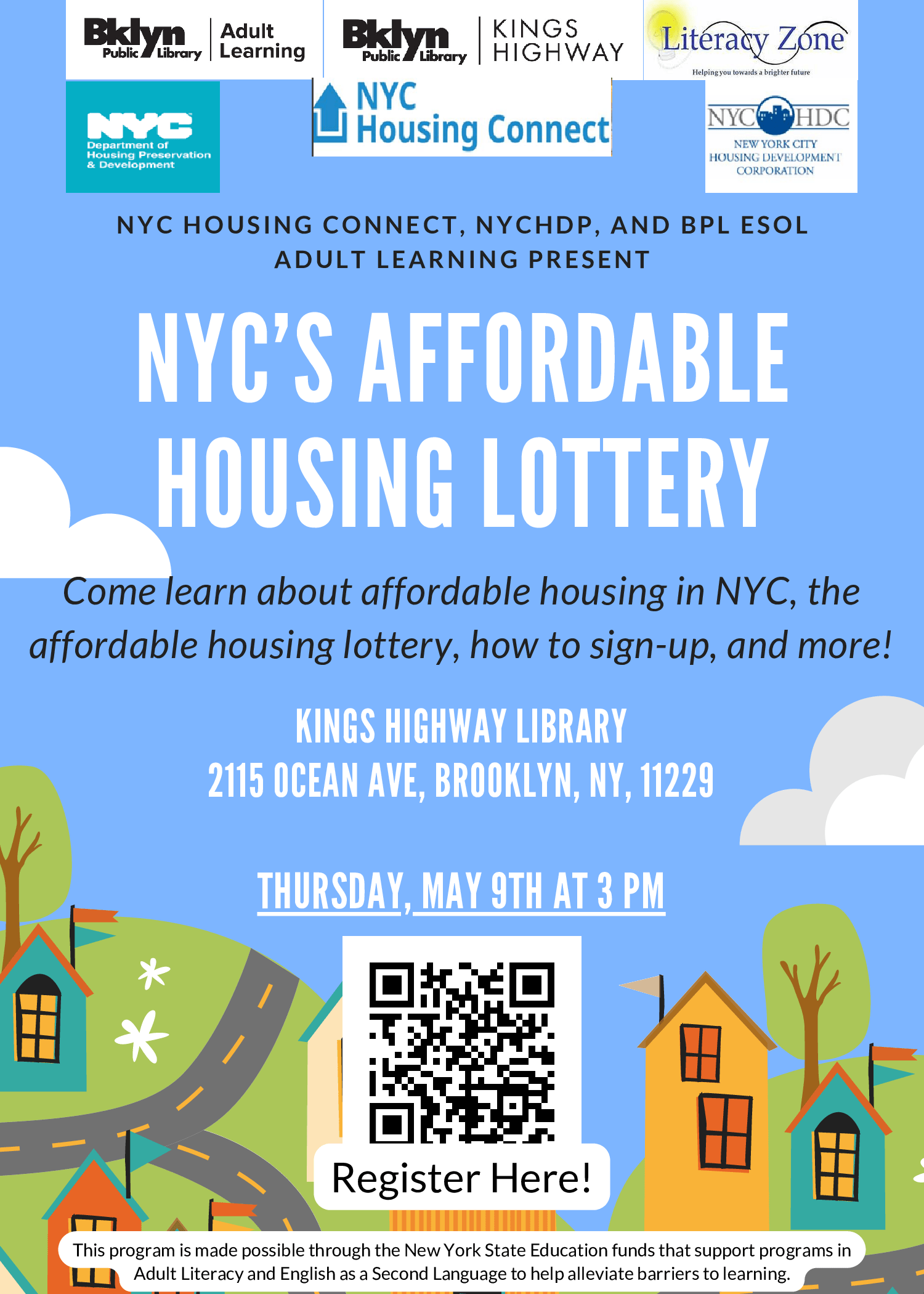
Managed by the NYC Department of Housing Preservation and Development (HPD), NYC Housing Connect is the digital portal through which the vast majority of newly constructed or substantially rehabilitated affordable apartments are rented.
- The Lottery Process: Developers receive tax incentives or density bonuses in exchange for setting aside a percentage of units for lower- and middle-income households. These units are distributed via a random lottery.
- Preferences: While the lottery is technically random, preference is given to current municipal employees, individuals with visual or mobility disabilities, and—crucially—residents of the local Community Board (usually 50% of the units).
- The Wait: Submitting an application does not guarantee a review. Developers process applications sequentially based on lottery log numbers. If your log number is high (e.g., 45,000 out of 100,000), the probability of being contacted is exceptionally low.
Mitchell-Lama Developments
Created under the New York State Private Housing Finance Law in 1955, the Mitchell-Lama program provides affordable rental and cooperative housing to middle-income families.
- Rent Stabilization: Unlike standard market-rate apartments, Mitchell-Lama buildings are subject to strict state or city oversight, keeping maintenance fees or rents well below market rates.
- Direct Application: Unlike NYC Housing Connect, which uses a building-specific lottery, applicants must apply directly to individual Mitchell-Lama developments or wait for open waiting lists managed by the housing providers or the HPD/DHCR portals. Many waiting lists remain closed for years due to exceptionally low turnover.
Rent-Stabilized Apartments
Rent stabilization is a regulatory framework that limits annual rent increases and guarantees tenants the right to lease renewal.
- Inventory Source: Most rent-stabilized apartments are not restricted by income upon initial entry; rather, the building's age (typically built before 1974 with six or more units) or receipt of specific tax benefits (like the former 421-a program) dictates stabilization.
- Market Reality: Finding a vacant rent-stabilized apartment relies on standard apartment hunting methods (broker sites, StreetEasy, word of mouth) rather than government portals. However, tenants in these units enjoy long-term stability against exorbitant rent hikes.
Understanding Area Median Income (AMI)
The bedrock of eligibility for NYC affordable housing is the Area Median Income (AMI). Determined annually by the U.S. Department of Housing and Urban Development (HUD) for the New York City metropolitan area, AMI establishes financial brackets that dictate who qualifies for specific apartments.
Affordable housing advertisements do not usually list flat dollar amounts for maximum income; instead, they list percentages of AMI, such as 30% AMI, 60% AMI, 80% AMI, or 130% AMI.
How AMI Tiers Break Down
| AMI Tier | Typical Target Household Income Range (Approximate) | Program Focus / Housing Type |
|---|---|---|
| 30% – 50% AMI | Extremely low to very low income | Deeply subsidized public housing, supportive housing, specialized lotteries. |
| 60% – 80% AMI | Low to moderate income | The sweet spot for the majority of NYC Housing Connect private development set-asides. |
| 100% – 130% AMI | Middle-income | "Workforce housing," targeting households earning up to six figures depending on household size. |
Note: AMI limits scale with household size. A single person earning $60,000 might fall into a higher AMI bracket than a family of four earning that same amount.
Calculating your AMI eligibility requires looking at your gross annual income, which includes wages, overtime, tips, bonuses, pensions, social security, child support, and interest income. Tax returns, W-2s, and recent pay stubs are cross-referenced ruthlessly during the document-submission phase.
Step-by-Step Guide to Applying via NYC Housing Connect
Successfully securing an apartment through NYC Housing Connect requires discipline, organization, and adherence to platform rules.
[Create Profile] ➔ [Browse Active Lotteries] ➔ [Submit Applications] ➔ [Wait for Log Number] ➔ [Document Verification] ➔ [Lease Signing]
1. Profile Creation and Maintenance
Registering an account on the official NYC Housing Connect website is free. Never pay a third party to apply for a housing lottery on your behalf; such services are often predatory or fraudulent. Fill out your profile with absolute accuracy regarding employment, assets, and household members. Discrepancies between your profile and your submitted tax documents will result in immediate disqualification.
2. Strategic Application Strategy
- Apply Broadly: Do not limit yourself to neighborhoods where you currently live. If you qualify financially, apply to every open lottery for which your household size and income match.
- Track Deadlines: Lotteries have strict submission deadlines. Once a deadline passes, the portal locks out new applicants. Check the platform weekly for newly launched properties.
- Record Log Numbers: Upon submission, the system generates a random log number. Keep a spreadsheet of every building applied to, the submission date, and your assigned log number.
3. Document Preparation
If your log number is pulled, you will receive a Document Request (log-on notice) giving you a strict window (typically 10 to 14 business days) to upload a mountain of paperwork. Having these documents organized in advance prevents missed deadlines:
- Federal and state tax returns (W-2s and 1099s) for the past one to two years.
- Four to six consecutive weeks of recent pay stubs.
- Bank statements for all accounts covering the last three to six months.
- Proof of asset ownership, pensions, or public assistance.
- Identification documents for all household members.
Common Pitfalls and Reality Checks
Entering the NYC affordable housing market without a realistic perspective leads to frustration and wasted effort. Avoid these prevalent traps:
The Credit and Background Check Trap
Even though apartments are subsidized, landlords and developers retain the legal right to run tenant screening checks. While the Housing Stability and Tenant Protection Act (HSTPA) of 2019 capped application fees at $20 and restricted landlords' ability to reject applicants based on certain criminal histories, poor credit scores, active collections, or recent landlord-tenant court records can still derail an application. Developers evaluate whether you can sustainably afford the rent after accounting for debt-to-income ratios.
The Asset Limit Restriction
Some affordable housing programs enforce strict asset limits. For instance, if you have substantial cash savings, stocks, or real estate equity exceeding program caps—even if your yearly income falls well within the AMI limits—you may be disqualified.
Scams and Predatory Intermediaries
Because the demand for affordable housing is so high, scammers frequently target desperate renters. Be wary of individuals or organizations claiming they can "guarantee" you an apartment, bypass the lottery queue, or expedite a housing placement for an upfront fee. The city never charges a fee to apply for housing lotteries.
Alternative and Supporting Pathways
When NYC Housing Connect does not yield immediate results, renters should explore alternative subsidized housing channels:
- Section 8 Housing Choice Vouchers: Administered by the NYC Housing Authority (NYCHA) and HPD, Section 8 vouchers subsidize private-market rent, ensuring tenants pay roughly 30% of their adjusted income toward rent. Waiting lists open infrequently and are subject to massive lottery-style drawings.
- NYCHA Public Housing: Traditional public housing developments managed by NYCHA provide low-rent apartments to eligible low-income families. Applications are submitted via the NYCHA self-service portal.
- Housing Connect Supportive Housing: Targeted units combined with on-site social services for individuals experiencing homelessness, veterans, or people with specific medical and psychological needs.
Frequently Asked Questions
Can I apply for NYC affordable housing if I am self-employed or a freelancer?
Yes. Self-employed individuals are fully eligible to apply for NYC Housing Connect and Mitchell-Lama housing. However, verifying income is more complex. You must provide a certified profit-and-loss statement, business tax returns (Schedule C), and potentially a letter from a certified public accountant (CPA) verifying your net income.
What happens if my income changes after I submit a housing lottery application?
Your income eligibility is evaluated at the time your application is processed after your log number is called. If your income increases or decreases significantly between the time you applied and the time you are called for review, it can impact your eligibility. If your income exceeds the AMI cap for that specific unit at the time of review, you will be disqualified.
Are pets allowed in NYC affordable housing apartments?
Pet policies vary by building. While many affordable housing developments follow standard pet-friendly guidelines (often with weight limits or pet deposits), some properties maintain strict "no pets" policies unless the animal is a documented emotional support animal or service animal under the Fair Housing Act.
How long does the entire NYC Housing Connect application process take?
The timeline varies wildly. From the moment you submit an application to the day you receive a call, it can range from a few weeks to several years. If your log number is called, the document review, compliance checks, and apartment inspection process typically take between 60 to 120 days before a lease is signed.
Does living in New York City currently give me priority on housing lotteries?
Living in NYC is not strictly required to apply (anyone can submit an application), but the vast majority of apartments feature a local preference. Furthermore, current NYC residents naturally have an advantage when providing local employment records, utility bills, and address histories during the document-verification stage.
Next Steps and Action Plan
Securing affordable housing in New York City is an exercise in persistence rather than a one-time transaction. To maximize your chances:
- Set up an account on the official NYC Housing Connect portal today.
- Audit your financial records, check your credit report, and organize your tax documents into a secure digital folder.
- Commit to checking the portal weekly, applying immediately to every open lottery matching your household size and income bracket.
- Maintain realistic expectations, recognizing that success requires patience and steady engagement with the system.